
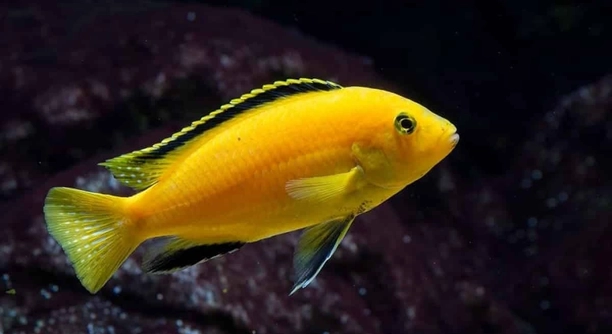
Electric Yellow Cichlids are vibrant freshwater fish that respond visibly to changes in their environment. New lighting in their tank can trigger several behavioral and physical reactions that reflect their comfort and stress levels.
When exposed to new light, Electric Yellow Cichlids may change swimming patterns, adjust their color intensity, hide more frequently, or display territorial behaviors. These responses are natural adaptations to sudden environmental changes, helping the fish regulate stress and maintain equilibrium.
Observing how these cichlids respond to light offers insight into their well-being and behavior, providing guidance for maintaining a healthy and balanced aquarium environment.
Increased Hiding Behavior
Electric Yellow Cichlids often retreat to rocks, plants, or corners when new lighting is introduced. This is a natural stress response as their eyes adjust to the brightness. Some fish may hide more during the first few hours, while others remain cautious for several days. Tank layout can also influence this behavior, as more hiding spots allow the fish to feel secure. Overhead lights or sudden flashes from outside the tank can intensify hiding. It is important to observe without disturbing them, as excessive chasing or tapping on the glass may increase stress. Gradual light changes can help reduce hiding, allowing the fish to acclimate more comfortably. Their movement patterns may shift, with less swimming in open areas until they feel safe. Adjusting light intensity and duration carefully can encourage more natural behavior. Even subtle changes, like moving decorations or adding floating plants, can make a difference in their confidence and visibility in the tank.
Hiding is a temporary response to bright or sudden light changes. Cichlids will resume normal activity once they adjust to the environment.
Providing consistent lighting schedules and soft transitions helps the cichlids feel secure. Over time, they may explore more areas of the tank. Observing their hiding patterns also helps monitor stress levels and tank comfort.
Color Changes
Color intensity in Electric Yellow Cichlids can shift when exposed to new lighting. Bright light can make them appear more vivid, while dim or sudden light may cause dulling as a protective response. Their natural pigments adjust depending on stress, comfort, and environmental cues. Changes can occur quickly, sometimes within minutes, or gradually over a few days. Some fish may show subtle striping or pale areas when stressed. Light spectrum plays a role as well; certain wavelengths enhance yellow tones while others may mute them. Consistent lighting encourages stable coloration, whereas frequent changes can cause ongoing fluctuations. Monitoring water quality, temperature, and diet also supports healthy color expression. Observing their reaction helps ensure the environment is appropriate and that the fish are healthy. Color shifts are not always negative, but prolonged dullness may indicate stress or discomfort.
When lighting is stable and suitable, Electric Yellow Cichlids exhibit bright, uniform colors that reflect their health and environment.
Color response is just one way these fish communicate comfort. Maintaining consistent conditions, observing reactions, and adjusting light gradually ensures both vivid colors and calm behavior. Small steps, like dimming lights slowly or introducing new bulbs gradually, can prevent unnecessary stress. Healthy cichlids with proper care display natural vibrancy and movement, signaling both visual appeal and well-being. Over time, understanding their color changes helps predict stress events, avoid aggression, and create a visually pleasing aquarium. By carefully controlling light intensity, spectrum, and timing, you allow the cichlids to express natural coloration without sudden stress reactions. Observing color alongside behavior offers a complete picture of how the fish adapt, making it easier to maintain a balanced and thriving tank environment.
Adjusted Swimming Patterns
New lighting often causes Electric Yellow Cichlids to change how they swim. They may move more cautiously, stay near the bottom, or circle around familiar spots. Sudden brightness can make them hesitant to explore open areas.
Swimming patterns shift as fish adapt to perceived threats. Some may dart quickly from one spot to another, while others glide slowly along the tank walls. Bright or flickering lights can trigger short bursts of speed or erratic movement. Over time, as their eyes adjust and stress decreases, swimming becomes smoother and more regular. Observing these changes helps gauge their comfort and ensures the environment supports natural activity. Tank layout, hiding spots, and consistent lighting reduce sudden shifts in movement, allowing cichlids to swim freely without constant stress responses.
Monitoring swimming adjustments also helps in identifying health issues early. Irregular movement may signal stress, illness, or unsuitable water conditions. Gradual light transitions, proper tank setup, and minimal disturbance encourage stable swimming behavior, keeping fish active, confident, and visually engaging. These patterns reveal both adaptability and overall well-being.
Increased Territorial Displays
Electric Yellow Cichlids may become more territorial under new lighting conditions. They guard favorite areas or chase nearby fish to establish dominance and maintain personal space.
Territorial behaviors are influenced by light intensity and tank environment. Bright lights can make fish more confident, prompting them to defend rocks, caves, or plants. They may flare fins, raise dorsal spines, or engage in short bursts of chasing to mark boundaries. Stress from sudden lighting can temporarily amplify aggression, especially in smaller or overcrowded tanks. Over time, consistent light allows them to establish stable territories without constant conflict. Recognizing these behaviors early prevents unnecessary stress and ensures that all fish have adequate space to thrive comfortably.
Supporting healthy territorial displays involves observing interactions closely and adjusting tank arrangements if needed. Separating aggressive individuals or adding visual barriers can reduce conflicts. Proper lighting schedules and balanced tank population help maintain harmony while allowing cichlids to express natural dominance behaviors safely. Over time, they settle into predictable patterns, balancing territorial instincts with social interactions and tank dynamics.
Increased Feeding Activity
Electric Yellow Cichlids may eat more when new lighting is introduced. Bright light can make them more alert and active around feeding times.
Sudden light changes sometimes trigger a temporary increase in appetite. Fish may dart to food faster or compete more actively at feeding spots. Consistent observation ensures that all individuals receive proper nutrition without overfeeding.
Resting Pattern Shifts
New lighting can alter resting periods in Electric Yellow Cichlids. They may rest less during bright periods and seek shelter more frequently to avoid intense light exposure.
Interaction Changes
Exposure to new light can affect social behavior. Cichlids may approach or avoid tank mates differently, changing group dynamics and hierarchy.
Stress Signs
Bright or sudden light can lead to visible stress indicators, including fin clamping, rapid gill movement, or retreating to corners of the tank.
How long does it take for Electric Yellow Cichlids to adjust to new lighting?
Adjustment times vary depending on the fish and the intensity of the light. Most Electric Yellow Cichlids begin to show normal behavior within a few hours to a couple of days. Gradual light changes help shorten this adaptation period. Fish that are naturally more cautious may take longer, sometimes up to a week, to feel fully comfortable. Observing their swimming, hiding, and feeding patterns provides clues about how well they are adjusting. Maintaining stable water conditions, adequate hiding spots, and consistent feeding schedules can support a smoother transition. Quick changes in lighting intensity or sudden bright lights tend to prolong stress responses, so a slow, step-by-step approach is recommended.
Is it normal for their colors to change under new lighting?
Yes, color shifts are a natural response. Bright lights can intensify yellow pigmentation, while sudden or dim lighting may cause temporary dulling. Stress, tank layout, and diet also affect color expression. Color changes are usually temporary, returning to normal once the fish adjust. Continuous dullness may indicate stress or environmental issues, so it’s important to monitor water quality and overall tank conditions. Providing a consistent light schedule and avoiding rapid changes supports healthy coloration. Fish expressing strong, vivid colors generally indicate comfort and good health, while irregular or faded tones can signal minor stress that can be corrected.
Why do some fish hide more than others under new light?
Individual temperament and hierarchy influence hiding behavior. Shy or subordinate fish often seek shelter to feel safe, while more dominant individuals may explore openly. The number of hiding spots, tank size, and the presence of aggressive tank mates also play a role. Hiding is a natural coping mechanism that reduces stress, especially during sudden environmental changes. Over time, as fish acclimate, hiding frequency usually decreases. Monitoring which individuals hide and for how long helps ensure all fish are adjusting properly. Adequate hiding spaces, like plants and rocks, are essential to give shy fish comfort without disturbing the more confident ones.
Can new lighting cause aggression in Electric Yellow Cichlids?
Yes, brighter or sudden lighting can trigger territorial and aggressive behaviors. Fish may chase tank mates, flare fins, or defend favorite spots more intensely. Aggression is usually temporary and reduces as fish acclimate. Overcrowding and lack of visual barriers increase tension. Providing stable lighting, proper tank population, and visual breaks like rocks or plants helps maintain balance. Observing interactions during the first few days after a light change is important to prevent injuries and stress. Adjusting lighting gradually and maintaining consistent schedules reduces aggression while supporting natural dominance behaviors.
How can I minimize stress when changing lighting?
Gradual transitions are the most effective way. Slowly increasing or decreasing brightness over several hours reduces shock. Using dimmers or timers can help create predictable changes. Avoid sudden flashes or turning lights on and off rapidly, as this can trigger hiding, erratic swimming, or color fading. Consistent tank maintenance, stable water parameters, and sufficient hiding spots further support stress reduction. Observing fish behavior during the transition allows quick adjustments if signs of prolonged stress appear. A predictable and calm environment encourages healthy responses to new lighting and prevents long-term behavioral problems.
Do Electric Yellow Cichlids need a specific light spectrum?
While they can adapt to most aquarium lights, certain spectrums enhance yellow coloration more effectively. Full-spectrum or daylight LED lights are ideal, providing consistent brightness and color balance. Avoid overly blue or dim lighting that can dull pigmentation. Matching light intensity to the natural needs of the fish supports both health and natural behavior. Gradual changes when introducing new bulbs or lighting setups reduce stress and maintain normal activity. Observing the fish’s color, swimming, and interaction patterns helps determine if the lighting is appropriate. Proper spectrum and consistency contribute to a visually appealing and comfortable aquarium environment.
Will frequent light changes harm their health?
Yes, constant or drastic lighting changes can lead to prolonged stress, weakened immunity, and irregular behavior. Stress may appear as hiding, fin clamping, or reduced feeding. Maintaining a consistent schedule and avoiding sudden alterations prevents long-term negative effects. Careful monitoring and gradual adjustments are key to keeping fish healthy. Creating a stable environment ensures their stress levels remain low and their natural behaviors continue. Frequent fluctuations in lighting can also affect coloration and social interactions, so predictable lighting schedules are critical. Healthy Electric Yellow Cichlids require both proper light intensity and consistency for overall well-being.
How do I know if the fish are stressed due to lighting?
Stress signs include increased hiding, rapid breathing, clamped fins, color dulling, and erratic swimming. Observing feeding behavior is also helpful, as stressed fish may eat less or compete aggressively. Comparing behavior before and after light changes gives insight into stress levels. Adjusting light gradually, maintaining stable water conditions, and providing adequate hiding spots can reduce stress. Keeping a consistent environment with minimal sudden disturbances allows fish to return to normal behavior quickly. Early identification of stress responses prevents long-term health problems and ensures a thriving aquarium.
Electric Yellow Cichlids are sensitive to changes in their environment, and lighting is one of the factors that can have a strong impact on their behavior and well-being. Adjusting to new light can cause noticeable changes in swimming patterns, hiding behavior, and coloration. These reactions are natural and generally temporary, as the fish learn to cope with their surroundings. Observing the way each fish responds provides valuable insight into their comfort levels and overall health. While some may hide more, others may explore more actively or show changes in territorial behavior. Understanding these patterns helps create an aquarium environment that meets the needs of every individual fish.
Consistent lighting schedules and gradual adjustments are important to reduce stress. Sudden or extreme changes in brightness can trigger defensive or erratic behavior, while slow transitions allow the cichlids to acclimate naturally. Providing plenty of hiding spots, plants, and decorations also supports a sense of security, especially for more timid individuals. Color intensity and feeding activity can shift in response to lighting, but these changes are typically temporary and stabilize as the fish adapt. Regular monitoring of water quality, temperature, and tank conditions further ensures that the fish remain healthy during these adjustments. By maintaining a stable and predictable environment, you allow the cichlids to express natural behaviors without unnecessary stress or prolonged discomfort.
Keeping Electric Yellow Cichlids comfortable under new lighting requires careful observation and a patient approach. Each fish is different, and their reactions can vary depending on personality, social hierarchy, and previous experiences. Watching how they interact, where they spend time, and how they respond to food helps identify any issues early. Small steps like dimming lights slowly, arranging the tank for safety, and maintaining consistent schedules contribute to a stable, healthy environment. Over time, the fish will settle into predictable routines, display vivid coloration, and behave confidently. Attention to detail in lighting, tank setup, and daily care ensures that these vibrant cichlids thrive, making the aquarium both visually appealing and a comfortable home for every fish.

Hello,
If you enjoy the content that we create, please consider saying a "Thank You!" by leaving a tip.
Every little bit helps us continue crafting quality advice that supports the health, happiness, and well-being of pets around the world, for pets of all shapes, sizes, and species.
We really appreciate the kindness and support that you show us!