
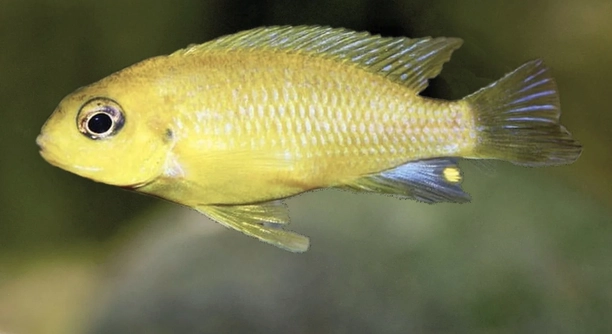
Fry are small and fragile, making them vulnerable in their environment. Observing their surroundings carefully is essential for their survival. Even tiny changes in light, movement, or shadows can signal danger and influence their behavior.
Fry use visual cues such as color contrast, movement detection, light intensity, and spatial awareness to avoid predators. They respond quickly to changes in their surroundings, allowing them to hide, escape, or stay in safer areas within their habitat.
Recognizing these simple behaviors helps in understanding how fry navigate risks. These cues play a vital role in keeping them alive and thriving in their environment.
Color Contrast
Fry pay close attention to color differences in their surroundings. Bright or unusual colors can signal food or danger, prompting them to react quickly. Many fry will blend into backgrounds with muted colors to avoid predators, while vibrant colors in the water may attract their attention. In shallow waters, fry often hover near plants or debris that provide a mix of light and shadow, helping them remain less noticeable. Their tiny eyes are sensitive to subtle shifts, which gives them a survival advantage. This natural ability allows fry to detect movement against contrasting backgrounds, whether it’s a potential predator or a source of food. By staying near surfaces or objects that create visual breaks, they can remain safer while observing their environment. Their color-based reactions are instinctive and develop quickly after hatching, ensuring they can respond before a threat becomes immediate. Even small fry can distinguish between different hues, which helps them make split-second decisions.
Observing color contrast is critical for fry survival, as it guides their movements and helps them remain concealed from predators.
Understanding how fry use color to navigate threats can improve tank setups or natural habitats. Offering varied backgrounds and plants can help them feel secure and less exposed. Monitoring their response to color changes provides insight into their comfort and safety levels.
Movement Detection
Fry are highly sensitive to movement in the water. Any sudden change, such as a shadow or ripple, can trigger an instant escape response.
Fry constantly scan for motion around them, using rapid eye movements to detect threats. This awareness helps them dart into protective cover or adjust their swimming patterns to remain unnoticed. Even subtle water vibrations can alert them, allowing them to anticipate danger. Fry instinctively link movement with potential predators, feeding, or competitors, making this ability crucial for survival. In densely populated areas, movement detection helps them avoid collisions with other fry or larger fish, maintaining their energy and safety. Tank owners can observe this by noting how fry react to shadows or disturbances from above. Understanding these behaviors allows better planning for safe, enriched habitats. Movement detection is not just a reflex—it is a combination of visual processing and instinct, fine-tuned over generations. Watching fry respond to water currents or passing objects can reveal how alert they are and whether their environment feels secure. This instinct keeps fry alive and thriving, ensuring they can grow into healthy, adult fish.
Light Sensitivity
Fry react quickly to changes in light, using it to stay safe. Sudden brightness or shadows can signal danger, prompting them to move toward cover or darker areas where they feel protected.
Light levels directly influence fry behavior and positioning. In natural habitats, fry often hide under plants or near rocks when sunlight increases, reducing their visibility to predators. Dimmer areas give them confidence to explore for food without exposing themselves. Artificial tanks need gentle lighting to prevent stress, as fry are easily startled by harsh or shifting light. Their eyes are adapted to detect subtle differences, which helps them respond instantly to potential threats. Over time, fry learn which light conditions allow them to stay safe while remaining active and feeding. Observing their response to light changes helps understand their comfort and habitat preferences. Proper lighting ensures fry remain calm and can grow without unnecessary stress, supporting long-term survival.
Adjusting light gradually can prevent panic and improve fry safety, keeping them more relaxed and active.
Fry often shift position based on light direction and intensity. Their instinct to avoid bright spots is combined with hiding in shadows, which reduces predation risk. By using these visual cues, fry can safely navigate areas with variable illumination, finding both protection and feeding zones. Even tiny fry coordinate movement with subtle light changes, moving closer to shelter when sunlight intensifies or when tank lighting flickers. This behavior is not learned overnight; it is an instinctive reaction that develops immediately after hatching. Fry also use reflections and light patterns to detect motion around them, helping identify threats even before a predator is near. This sensitivity ensures that they spend less time exposed in open spaces, improving their chances of survival. Managing light carefully in captivity replicates natural conditions, allowing fry to feel secure and respond naturally to environmental cues.
Spatial Awareness
Fry are aware of their surroundings and avoid tight, exposed areas. They use objects and plants to navigate safely while remaining hidden from predators.
Spatial awareness allows fry to move efficiently through complex habitats. They use visual markers to judge distances, avoid collisions, and find shelter quickly. Fry often position themselves near plants, rocks, or substrate, creating a mental map of safe zones. This ability helps them escape predators, locate food, and interact with other fry without unnecessary risk. Even in open water, fry adjust their swimming paths based on the environment’s layout, constantly evaluating where to go for safety. Maintaining open areas with scattered hiding spots in tanks supports this natural behavior. By observing spatial patterns, it becomes clear how fry decide which routes are safest and which areas to avoid. Properly designed habitats reduce stress and allow fry to express instinctive behaviors effectively.
Fry continuously process visual and spatial information, using it to choose safe paths and avoid danger. This awareness is essential for survival in both natural and artificial habitats.
Shadow Recognition
Fry quickly notice shadows passing overhead and react instantly. Shadows often signal predators, prompting them to dive toward cover or stay motionless until the threat passes.
This instinct helps fry survive in both open and sheltered areas. They rely on shadows to anticipate danger before it reaches them, using the movement of light and dark to guide immediate action.
Shape Detection
Fry can distinguish shapes in their environment, recognizing predators or other fry. They respond to familiar outlines and avoid unknown or threatening forms. This ability helps them move safely through cluttered habitats, reducing the risk of attacks while navigating dense plants or structures.
Proximity Awareness
Fry maintain awareness of nearby objects and creatures. They adjust their movements to stay at safe distances, preventing collisions and reducing exposure to potential threats.
Rapid Response
Fry react instantly to sudden visual changes in their environment. This quick reflex allows them to escape predators, move toward shelter, or adjust swimming patterns effectively, enhancing their chances of survival in dynamic habitats.
FAQ
How do fry use visual cues to detect predators?
Fry rely on a combination of movement, shadows, and shape recognition to identify potential threats. Sudden movements or dark shapes above them trigger instant escape responses. Their eyes are highly sensitive to changes in light and contrast, allowing them to spot predators even from a distance. By observing subtle shifts in their surroundings, fry can decide whether to hide, dart away, or stay motionless. This instinct develops immediately after hatching and is crucial for survival, as fry are small and vulnerable. Even minor disturbances in water, such as ripples or reflections, can alert them to nearby danger, ensuring they remain safe.
What role does light play in fry safety?
Light sensitivity is one of the main visual cues fry use to stay safe. Bright or rapidly changing light can indicate exposure, causing fry to seek shaded or sheltered areas. Conversely, dim or consistent lighting allows them to explore without feeling threatened. Fry naturally avoid overly bright areas, as these make them more visible to predators. Tank owners can replicate natural conditions by providing plants, rocks, and gradual lighting transitions. Fry respond best to gentle, steady light that mimics natural sunlight, helping them stay calm, find food, and navigate safely.
Why is color contrast important for fry?
Fry use color contrast to detect food, avoid predators, and stay hidden. They are naturally drawn to bright or unusual colors, which can indicate either danger or feeding opportunities. At the same time, blending with muted or patterned backgrounds helps them remain concealed. In dense aquatic environments, color contrast allows fry to distinguish between safe and risky areas, ensuring they remain in protected zones. For captive environments, varying colors in the substrate, plants, and decorations can help fry practice natural behaviors, improving their confidence and survival instincts. Understanding how they react to colors can make habitat management more effective.
How do fry recognize shapes and objects?
Shape recognition allows fry to identify predators, obstacles, and other fry in their environment. They respond to familiar outlines, adjusting their swimming patterns to avoid collisions or attacks. Fry can differentiate between moving and stationary shapes, which helps them decide whether to hide or move quickly. This ability also aids in locating hiding spots, such as plants, rocks, or artificial structures in tanks. By observing how fry interact with shapes, it’s easier to understand their comfort level and stress responses. Providing varied shapes in the environment supports natural behaviors and strengthens their spatial awareness.
What is the role of movement detection in fry behavior?
Fry are highly attuned to movement, both small and large, in their surroundings. Rapid detection of moving objects allows them to escape threats, avoid predators, and locate food efficiently. Even minor water disturbances can alert fry, prompting immediate reactions. Movement detection is intertwined with other visual cues like shadows and color contrast. Fry constantly evaluate changes in their environment, which helps them navigate safely and avoid unnecessary risk. In captivity, observing how fry respond to movement can indicate their stress levels and overall comfort, providing guidance for tank setup and enrichment.
How does spatial awareness benefit fry survival?
Spatial awareness helps fry navigate complex habitats without exposing themselves to danger. They remember safe zones, use visual markers, and judge distances to avoid collisions or risky areas. Fry often swim close to plants, rocks, or other structures, maintaining a mental map of safe pathways. This ability allows them to move efficiently while finding food or avoiding predators. In both natural and captive environments, spatial awareness reduces stress and improves survival rates. Monitoring fry behavior in relation to spatial layouts can help optimize habitat design and encourage natural, instinctive behaviors.
Can fry adapt to changes in their environment?
Fry are surprisingly adaptable when it comes to visual cues. They can adjust to new lighting, objects, and shadows over time, learning which areas are safe. Sudden or harsh changes, however, can cause stress and disrupt feeding or hiding behaviors. Gradual changes in habitat conditions allow fry to process new cues without panic. Observing how they respond to environmental modifications provides insight into their comfort and readiness to explore. Supporting natural instincts through careful adjustments helps fry remain healthy, confident, and capable of avoiding threats in changing surroundings.
Why is observing fry behavior important for tank care?
Watching fry react to visual cues provides valuable information about their well-being. Sudden darting, frequent hiding, or hesitancy in movement can indicate stress or unsuitable habitat conditions. Understanding how fry use color, light, shadows, and movement helps create a safer and more natural environment. Tank setups that consider visual cues, like shaded areas, plants, and varied structures, allow fry to express instinctive behaviors. Regular observation ensures that fry remain active, healthy, and less prone to disease or injury. By paying attention to their responses, caretakers can fine-tune conditions and support long-term growth and safety.
How do shadows and overhead movement affect fry?
Fry react instinctively to shadows passing overhead, as these often indicate predators. A dark shape moving above triggers immediate hiding or fleeing behavior. Even minor disturbances like a hand passing over a tank can cause a response. Fry use these cues to assess risk continuously, staying alert and maintaining a safe position near cover. By monitoring shadows and overhead movement, fry can reduce exposure and increase survival chances. In tanks, minimizing sudden overhead disturbances and providing shelters helps fry feel secure, ensuring their visual instincts function naturally without unnecessary stress.
What should I keep in mind when setting up a fry habitat?
Creating a safe environment for fry involves considering their visual instincts. Provide plants, rocks, and hiding spots to support color contrast, spatial awareness, and shadow recognition. Use gentle lighting to prevent startling fry and maintain calm activity levels. Observe their reactions to movement, shapes, and light to adjust the layout for safety. Varied textures and structures help fry navigate confidently and avoid predators. Paying attention to visual cues ensures fry can feed, explore, and grow while minimizing stress. Proper habitat design respects natural instincts and enhances long-term survival and development for young fish.
Fry are delicate and need careful observation to thrive. Their survival depends on understanding the visual cues they rely on every day. Things like light, movement, shadows, and colors all play a role in how they behave. These cues are not just reactions; they are instinctive behaviors that develop right after hatching. Fry use them to decide where to swim, when to hide, and how to avoid danger. By paying attention to these signs, we can better understand their needs and create environments that support their natural instincts. This is important whether they live in tanks or natural habitats, as each cue helps them stay safe and grow properly.
In their environment, fry are constantly processing visual information. They notice subtle shifts in light or movement that humans might overlook. Even the smallest shadow can trigger a response, making them move toward shelter or freeze in place. Their eyes are highly sensitive to contrasts, allowing them to detect predators before danger is immediate. Color and shape are also significant. Fry blend into muted areas to stay hidden while using brighter colors to find food or explore safely. Spatial awareness helps them navigate obstacles and avoid risky areas, while movement detection keeps them alert to threats. These combined behaviors ensure they survive in complex surroundings, even though they are so tiny and vulnerable. Understanding these natural instincts is key to providing proper care and improving their chances of growing into healthy adults.
Caring for fry means respecting these instincts and offering the right environment. Providing hiding spots, gentle lighting, and varied backgrounds allows fry to practice natural behaviors safely. Observing how they respond to light, shadows, and movement can reveal stress, comfort, or curiosity, which is valuable for adjusting habitat conditions. Even minor changes, like moving objects or altering the tank setup, can affect their behavior, so it’s important to make adjustments gradually. Fry respond best when they feel secure and in control of their surroundings, so careful observation and thoughtful design are essential. By paying attention to their visual cues, we can support their development, reduce stress, and help them grow into healthy, active fish. Overall, understanding how fry use visual cues is not just interesting—it is necessary for keeping them safe and giving them the best chance at thriving.

Hello,
If you enjoy the content that we create, please consider saying a "Thank You!" by leaving a tip.
Every little bit helps us continue crafting quality advice that supports the health, happiness, and well-being of pets around the world, for pets of all shapes, sizes, and species.
We really appreciate the kindness and support that you show us!