
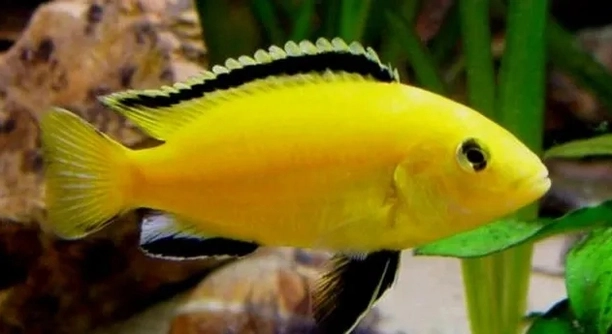
Caring for electric yellow cichlids can be both rewarding and challenging. These vibrant fish bring life to any aquarium, but like all pets, they are susceptible to illness. Knowing the signs of sickness is essential for their wellbeing.
Electric yellow cichlids exhibit clear symptoms when unwell, including changes in coloration, lethargy, loss of appetite, abnormal swimming behavior, and visible spots or lesions. Observing these indicators promptly allows for early intervention and ensures the fish’s health is maintained.
Recognizing these warning signs early can prevent serious health issues and help maintain a thriving, vibrant aquarium environment for your fish.
Common Signs of Illness in Electric Yellow Cichlids
When my cichlid started acting differently, I noticed subtle but telling changes. Their usually bright yellow color began to fade, and they spent more time hiding. Appetite dropped noticeably, and pellets I offered often went untouched. Swimming patterns became irregular; sometimes they hovered near the bottom or struggled to maintain balance. I also saw slight clamping of fins and occasional rubbing against decorations, which suggested irritation. External signs like white spots, red streaks, or swollen areas can indicate infections or parasites. It’s important to observe them daily, as early detection makes treatment far more effective. Stress from overcrowding, water quality issues, or sudden changes in the tank can also contribute to illness. By keeping the environment stable and monitoring behaviors, many health problems can be prevented. Consistent observation and care form the backbone of maintaining a healthy, vibrant cichlid aquarium.
Noticing subtle changes in color, behavior, or appetite is often the first indicator of illness. Prompt attention can make a big difference.
Daily observation of your cichlid’s behavior is crucial. Even minor deviations from normal patterns—like hiding more often, refusing food, or irregular swimming—can signal early illness. Regularly check water temperature, pH levels, and cleanliness, as poor water conditions directly affect fish health. Recording behaviors and physical changes helps identify trends before they escalate. Stress from aggressive tank mates or overcrowding can exacerbate conditions, making it harder for fish to recover. Isolation of a sick fish can prevent the spread of disease to other tank inhabitants. Feeding high-quality, balanced food supports the immune system and aids recovery. Combining careful monitoring with preventive measures significantly increases your cichlid’s chances of staying healthy and thriving. Understanding these patterns empowers you to respond effectively and maintain a stable, safe aquarium environment.
Water Quality and Tank Environment
Water quality directly affects cichlid health. Poor conditions can lead to rapid illness.
Maintaining clean water requires regular testing for ammonia, nitrites, and nitrates. Changing 20–25% of the tank water weekly keeps levels safe. Avoid overcrowding and ensure adequate filtration to reduce stress. Temperature stability is also critical, as sudden fluctuations weaken immunity and increase vulnerability to disease. Proper lighting, hiding spots, and decorations reduce stress, encouraging natural behavior and resilience. Using a water conditioner removes chlorine and other harmful chemicals, creating a safer habitat. Observing your fish after changes can reveal if they are adapting well or showing early signs of distress. Tank maintenance is not just about cleanliness; it directly influences fish behavior, appetite, and overall health. A well-maintained environment helps prevent illness and supports recovery if your cichlid becomes unwell. Regular attention and proactive adjustments to the aquarium ensure that your electric yellow cichlids remain vibrant and active.
Feeding Habits and Diet
Changes in feeding habits are often the first sign something is wrong. A cichlid that normally eats eagerly but starts refusing food may be stressed or ill.
I noticed my cichlid avoiding flakes and pellets, leaving uneaten food in the tank. This can indicate internal issues such as digestive problems or parasites. Providing a varied diet with high-quality flakes, pellets, and occasional live or frozen food supports immunity and overall health. Overfeeding should be avoided, as excess waste affects water quality and can worsen illness. Tracking feeding patterns daily helps catch problems early before they escalate.
Supplements like spirulina or brine shrimp can encourage appetite and provide essential nutrients. Sudden changes in diet can stress fish, so introduce new foods gradually. Observation is key, as small differences in eating behavior often reveal underlying health issues.
Behavior Changes
Unusual behavior often signals health problems in electric yellow cichlids. Rapid darting, hiding constantly, or lethargy can indicate stress or disease.
My cichlid started swimming erratically and avoiding companions, which led me to check water quality and tank conditions. Stress from tankmates or environmental changes can trigger behavioral changes. Aggression, fin nipping, or continuous rubbing against surfaces are also warning signs. Monitoring daily routines and interactions provides insight into their wellbeing. Changes in breathing patterns, such as rapid gill movement, may indicate infection or low oxygen levels. Behavioral observation, combined with proper care, can prevent minor issues from becoming serious. Maintaining a stable, calm environment allows fish to recover faster and reduces the risk of illness spreading.
Physical Symptoms
Fading or dull coloration can signal illness. Spots, lesions, or frayed fins often appear when the immune system is compromised, and swelling or bloating may indicate internal problems.
Red streaks, clamped fins, or cloudy eyes are common indicators. Observing your cichlid daily helps catch these issues early.
Tankmate Interactions
Aggression or isolation can point to stress or disease. Sick fish may hide from others or become unusually aggressive.
Noticing sudden changes in how your cichlid interacts with tankmates allows you to identify problems quickly. Adjusting tank layout or temporarily separating affected fish can reduce stress and prevent the spread of illness.
Water Temperature
Consistent temperature is vital for cichlid health. Sudden drops or spikes weaken immunity and can trigger illness. Maintaining a stable range supports digestion, activity, and overall resilience in electric yellow cichlids.
Preventive Measures
Regular maintenance and monitoring prevent many common illnesses. Keeping water clean, feeding appropriately, and observing behavior daily protects your fish’s health.
FAQ
How can I tell if my electric yellow cichlid is stressed?
Stress often shows through behavior changes. My cichlid would hide for long periods, swim erratically, or refuse food. Fin clamping and pale coloration are common indicators. Checking water parameters, tankmates, and diet can help pinpoint the cause. Reducing overcrowding and maintaining stable water conditions usually eases stress.
What are the most common illnesses in electric yellow cichlids?
Ich, fin rot, and internal parasites are frequent issues. Ich appears as white spots on the body and fins. Fin rot shows as fraying edges or discoloration of fins. Internal parasites may cause bloating, reduced appetite, or unusual swimming. Early identification and treatment are key for recovery.
Can diet affect my cichlid’s health?
Yes, diet directly impacts immunity and vitality. My cichlid improved after I added a mix of high-quality pellets, flakes, and occasional frozen brine shrimp. Overfeeding or low-quality food can lead to digestive issues, weakened immunity, and increased susceptibility to disease. Maintaining variety and balance is essential.
How often should I monitor water parameters?
Daily checks for temperature, pH, ammonia, nitrite, and nitrate levels are ideal. I noticed my fish became sluggish when nitrates rose slightly above safe levels. Regular testing prevents sudden changes that could stress fish or trigger illness. Adjustments can be made immediately when levels are off.
When should I separate a sick cichlid from the tank?
Separation is necessary if illness is contagious, such as with ich or external parasites. My experience showed quicker recovery when isolating affected fish. Use a quarantine tank with stable water conditions, proper filtration, and medication if needed. This protects both the sick fish and healthy tankmates.
How do I treat common infections?
Treatment depends on the illness. Ich requires raising water temperature slightly and using anti-parasitic medication. Fin rot responds well to antibacterial treatments and improved water quality. Internal parasites may need oral or water-based medications. Observing your fish’s response helps guide adjustments to treatment.
Can environmental changes cause sickness?
Yes, sudden temperature drops, new tankmates, or changes in water chemistry can stress fish and weaken immunity. When I added new decorations, my cichlid hid constantly for days. Gradual changes and proper acclimation reduce stress and lower the risk of disease.
How long does it take for a sick cichlid to recover?
Recovery time varies by illness severity and response to treatment. Minor fin damage may heal in a week, while infections like ich could take several weeks. Supportive care, clean water, and proper diet accelerate healing. Close observation ensures complications are caught early.
Are there signs that indicate a fish cannot recover?
Severe lethargy, extreme weight loss, continuous gasping at the surface, or advanced fin decay can indicate poor prognosis. In my experience, early detection often prevents this, but in some cases, humane euthanasia may be the most compassionate option.
Can preventive measures stop most illnesses?
Yes, consistent water maintenance, a balanced diet, stable temperature, and monitoring behavior prevent many problems. My cichlid remained healthy for months when these measures were in place. Prevention reduces the likelihood of infection, supports immunity, and keeps your aquarium thriving.
Is it necessary to use medication for every illness?
Not always. Minor stress or temporary changes can resolve with improved water quality and diet. I only used medication when clear symptoms of infection appeared. Overmedicating can harm beneficial bacteria and stress fish further. Observation helps determine the appropriate response.
How do I maintain a clean tank without stressing my cichlid?
Partial water changes, gentle cleaning of substrate, and minimal disturbance of decorations help maintain cleanliness without causing stress. I learned to change only 20–25% of water at a time, using a siphon and stable replacement water to keep conditions steady.
What role do tankmates play in cichlid health?
Aggressive or incompatible tankmates increase stress, leading to weakened immunity. My cichlid hid constantly when housed with overly dominant fish. Proper selection of compatible species and observing interactions daily reduces conflict and keeps all fish healthier.
How can I tell if a fish’s appetite loss is serious?
Short-term refusal of food may indicate mild stress, but prolonged lack of appetite signals illness. I tracked feeding daily and noticed weight loss over a few days, prompting a water check and dietary adjustments. Early response prevents complications.
Are there natural ways to boost immunity?
Yes, feeding nutrient-rich foods like spirulina, brine shrimp, or high-quality pellets supports immune function. Maintaining clean water, stable temperature, and low stress levels also strengthens resilience. I noticed fewer infections after adjusting both diet and tank conditions consistently.
How often should I observe my cichlid for health issues?
Daily observation is ideal. I check swimming patterns, fin condition, coloration, and feeding habits every morning. Consistent monitoring allows early detection of subtle changes, which is crucial for preventing serious illness and ensuring long-term health.
Can temperature swings cause long-term problems?
Frequent fluctuations weaken the immune system and can trigger chronic stress. My cichlid became more susceptible to fin rot after rapid drops in temperature. Maintaining a stable, species-appropriate range is critical for preventing recurring illnesses.
Is quarantine necessary for new fish?
Yes, quarantining new arrivals prevents introducing disease. I always use a separate tank for at least two weeks, monitoring for signs of illness before adding them to the main aquarium. This simple step reduces risks and protects existing fish.
What should I do if symptoms persist despite treatment?
Persistent symptoms require reevaluation. I retested water, checked tankmates, and sometimes consulted experts. Adjusting treatment methods, extending quarantine, or seeking veterinary advice can help. Prompt action prevents minor issues from becoming life-threatening.
Can stress alone make a cichlid sick?
Yes, prolonged stress reduces immunity, making fish more vulnerable to disease. I noticed hiding, fin clamping, and appetite loss during stressful conditions, which resolved once the environment stabilized. Minimizing stress is as important as treating illness itself.
How can I prevent tank-borne infections?
Regular cleaning, water testing, proper filtration, and careful handling reduce risk. Avoid introducing contaminated equipment or food. I disinfect nets and tools before use, which greatly reduced recurring infections in my tank. Prevention ensures a healthy, stable environment.
How do I know if my treatment is working?
Signs of recovery include improved appetite, more active swimming, brightened coloration, and healing fins. I tracked these changes daily, adjusting care as needed. Consistent observation confirms whether the chosen treatment is effective or requires modification.
What is the most important factor for long-term health?
Stable water conditions, a balanced diet, and regular observation. I found that when these three aspects are consistent, my cichlid remained vibrant and active, with fewer health issues over time. Daily care prevents problems before they start.
Are there signs of internal parasites I can easily notice?
Bloating, uneven body shape, lethargy, or stringy feces often indicate internal parasites. I noticed appetite changes and slight swelling before other symptoms appeared. Early detection allows treatment before severe complications occur.
How do I handle multiple sick fish at once?
Isolate each affected fish if possible, maintain clean quarantine tanks, and treat individually. I treated my cichlids in separate tanks to prevent cross-infection and observed them closely. This approach improved recovery rates and reduced stress for all fish.
Can water additives prevent disease?
Some additives support immunity, like electrolytes or vitamins, but they are not a substitute for clean water and proper diet. I used supplements sparingly to avoid chemical imbalance. Consistent maintenance remains the most effective preventive measure.
How important is observation compared to medication?
Observation is equally, if not more, important. Noticing subtle behavior or physical changes early can prevent the need for aggressive treatment. I found that careful monitoring often allowed me to correct minor issues before they developed into serious illness.
What’s the first step when I notice unusual behavior?
Check water parameters, observe for physical symptoms, and review diet. I also isolated the fish if the behavior suggested contagious illness. Immediate action helps prevent escalation and supports recovery.
How long should I keep a sick fish in quarantine?
Until symptoms resolve completely and the fish appears healthy. In my experience, this ranges from two to four weeks depending on the illness. Observing behavior, appetite, and coloration guides the timing of reintegration with tankmates.
Can stress from handling cause illness?
Yes, frequent or rough handling increases stress, reducing immunity. I handle fish minimally, only when necessary for treatment or tank maintenance, which helped maintain overall health. Gentle care is crucial for recovery and prevention.
Are there signs of contagious disease I should watch for?
Rapid spreading of white spots, frayed fins, or unusual lethargy across multiple fish indicates contagious conditions. I separated affected individuals immediately to prevent transmission. Early action limits the impact and protects the rest of the aquarium.
Can poor lighting affect health?
Yes, insufficient or extreme lighting can stress cichlids. I maintained moderate lighting and natural cycles, which supported normal behavior, feeding, and immune function. Balanced lighting reduces stress-related illnesses.
How do I treat fin rot at home?
Improve water quality, isolate the affected fish, and use antibacterial treatment as directed. I saw noticeable improvement within a week when combining medication with clean, stable water. Prompt attention prevents further deterioration.
Can temperature changes alone cause ich?
Temperature fluctuations weaken immunity, making fish more susceptible to ich, but the parasite must be present. I noticed outbreaks after stress from rapid changes, which were managed with proper treatment and consistent warmth.
Are there behavioral signs before physical symptoms appear?
Yes, hiding, lethargy, or erratic swimming often precede visible illness. I tracked these behaviors early, which allowed me to take preventive measures and adjust care before physical signs developed.
How can I prevent future illness?
Maintain stable water, monitor behavior daily, feed a balanced diet, and quarantine new fish. I implemented these practices, which significantly reduced sickness and kept my cichlid active and vibrant over time. Regular attention is the key to long-term health.
Caring for electric yellow cichlids requires attention to detail and consistency. Observing their behavior and physical condition daily is essential for maintaining their health. Small changes, like reduced appetite, hiding, or faded coloration, can be early signs of stress or illness. By tracking these changes and responding quickly, many health issues can be addressed before they become severe. Water quality plays a critical role in overall wellbeing, and regular testing for ammonia, nitrites, nitrates, and pH levels ensures the environment remains safe. Maintaining stable temperatures and clean water reduces stress and prevents common infections. Feeding a balanced diet with high-quality pellets, flakes, and occasional live or frozen food supports immunity and keeps fish active. Avoiding overfeeding and removing uneaten food promptly also helps preserve water quality, reducing the risk of disease. Regular tank maintenance and careful observation create an environment where cichlids can thrive naturally.
Preventive measures are as important as treatment when it comes to maintaining healthy cichlids. Quarantining new fish before introducing them to the main tank prevents the spread of illness. Monitoring interactions with tankmates ensures that aggression or stress does not compromise health. Subtle behavior changes, such as erratic swimming, lethargy, or fin clamping, often indicate underlying problems and should not be ignored. Supporting fish with a varied diet, clean water, and a stable environment strengthens their immune system, making them more resilient to disease. Even minor adjustments, like adding hiding spots, maintaining moderate lighting, and avoiding sudden temperature shifts, can have a significant positive effect. Observing these aspects daily helps identify potential issues early, allowing interventions before conditions worsen. Consistency in care, combined with preventive practices, is the key to keeping electric yellow cichlids vibrant and active over time.
Recovery from illness requires patience and attentive care. Isolating sick fish when necessary, maintaining optimal water conditions, and providing appropriate treatment allows the immune system to respond effectively. Recovery time can vary depending on the severity of illness, but with proper support, many fish regain normal behavior and coloration. Maintaining a stable environment reduces stress, which is crucial for healing. Even after recovery, continued observation and care prevent relapse and ensure long-term health. Feeding a balanced diet and monitoring water quality remain essential, as lingering environmental issues can lead to repeated illness. Consistent attention, preventive measures, and timely intervention form the foundation of a healthy aquarium. By following these practices, electric yellow cichlids can live longer, remain vibrant, and provide enjoyment for years, while minimizing the challenges of illness and stress in the tank.

Hello,
If you enjoy the content that we create, please consider saying a "Thank You!" by leaving a tip.
Every little bit helps us continue crafting quality advice that supports the health, happiness, and well-being of pets around the world, for pets of all shapes, sizes, and species.
We really appreciate the kindness and support that you show us!