
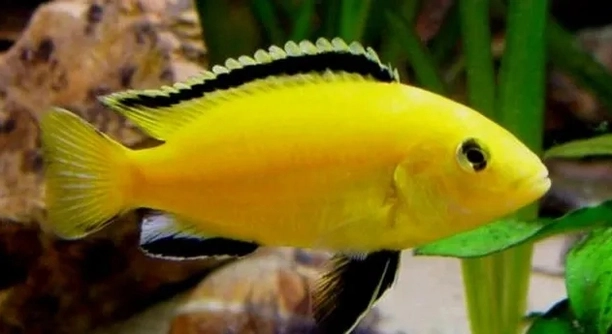
Watching cichlids swim gracefully in a tank can be surprisingly calming. Observing their movements and interactions offers small moments of reflection and insight. Weekly observation allows patterns and behaviors to become more noticeable over time.
Observing cichlids weekly provides clear insights into social dynamics, territorial behavior, feeding patterns, and environmental responses. Regular monitoring allows for understanding their habits, predicting interactions, and improving aquarium conditions to support healthy development and natural behaviors.
These weekly observations reveal subtle details that often go unnoticed. Each interaction and movement contributes to a deeper understanding of cichlid life.
Understanding Social Hierarchies
Cichlids have complex social structures that become apparent when observed consistently. Dominant fish establish territories, while others show submissive behaviors to avoid conflict. Watching their interactions over time helps identify which fish are leaders and which prefer quieter spaces. These hierarchies influence feeding order, breeding opportunities, and even stress levels. Some species are more aggressive than others, but all display clear social cues. Recognizing these behaviors can guide tank placement, pairing of species, and environmental enrichment. Weekly observation allows patterns to emerge that would otherwise go unnoticed. Small actions, such as chasing or color changes, often signal shifts in dominance or comfort. Tracking these changes is valuable for maintaining a peaceful tank and supporting natural behaviors. By paying attention to how fish interact, you can prevent conflicts and ensure a balanced environment. Observation is a simple, effective tool for maintaining harmony among cichlids and promoting their well-being over time.
Observing social hierarchies allows for better tank management, reduced aggression, and a healthier environment that supports natural behaviors and overall fish well-being.
Noting subtle behaviors, such as fin displays, changes in coloration, or retreat patterns, gives insight into their relationships. These details reveal which fish lead, which avoid confrontation, and how territories are maintained. Applying this understanding improves feeding, breeding, and tank organization, creating a stable and enriching environment. Regular observation ensures conflicts are minimized and all fish thrive comfortably.
Feeding Patterns and Preferences
Feeding behavior varies widely between species and individuals. Some cichlids are slow eaters, while others quickly dominate food sources.
Tracking feeding patterns helps provide balanced nutrition. Observing which foods each fish prefers ensures dietary needs are met consistently. Some fish respond better to live foods, while others prefer flakes or pellets. Timing and portion control are important for maintaining health and avoiding overfeeding. Feeding routines also reveal hierarchy, as dominant fish often eat first. Watching meals weekly highlights these dynamics and prevents stress-related issues. By adapting feeding strategies based on observation, tank management becomes more efficient, and all fish benefit from proper nutrition and reduced competition.
Careful attention to feeding can prevent malnutrition and aggression in cichlid tanks. Observing responses to different foods identifies individual preferences and allows for tailored diets. Slow eaters or shy fish may need food placed in specific areas to ensure access. Understanding which species prefer live foods versus processed options helps in planning meals. Some cichlids are more active during specific times of the day, so adjusting feeding schedules can match natural activity patterns. Weekly observation ensures each fish receives adequate nutrition while minimizing fights over food. Additionally, noticing over- or under-eating early allows corrective measures, maintaining overall health. Feeding observations also offer insight into energy levels, growth rates, and general well-being. Implementing these adjustments improves tank harmony, reduces stress, and supports long-term development for all cichlids in the environment.
Breeding Behavior
Cichlids show distinct breeding behaviors that are easier to notice with regular observation. Nest building, egg care, and fry protection reveal which fish are ready to reproduce and how they interact during this stage.
Observing breeding behavior weekly allows you to track pair compatibility and reproductive cycles. Some cichlids form monogamous pairs, while others have more complex mating systems. Watching how fish prepare nests, clean surfaces, and guard eggs gives insight into their commitment and stress levels. Territorial displays often increase during this time, and dominant individuals may challenge potential mates or intruders. Monitoring these behaviors ensures that breeding pairs have space and minimal disruption. Recognizing subtle signs, like changes in color or increased activity, helps identify the onset of breeding. Weekly tracking also helps prevent conflicts between pairs and other tank mates, ensuring fry survival.
Tracking interactions between parents and fry is essential for healthy offspring development. Observing feeding patterns, protective behaviors, and territorial defense reveals how cichlids invest in their young. This knowledge helps determine optimal tank setup, hiding spots, and feeding strategies for fry growth. Regular observation also identifies potential threats from other fish, allowing timely interventions. Consistent monitoring ensures that both adults and offspring thrive in a supportive environment, reducing stress and promoting natural behaviors.
Environmental Response
Cichlids react to changes in their environment, such as water quality, temperature, and tank layout. Regular observation reveals which conditions cause stress or comfort.
Noticing environmental responses allows adjustments to improve tank stability. Fish may hide, change color, or become more aggressive when stressed. Observing weekly provides insight into how they cope with decorations, plants, or other species. Small changes, like rearranging rocks or adjusting light levels, can impact behavior significantly. Consistent monitoring helps identify patterns and ensures conditions support natural habits and health.
Monitoring environmental responses is essential for maintaining healthy cichlids. Changes in water chemistry, temperature, or lighting can alter behavior quickly. Fish may show reduced activity, erratic swimming, or aggression when conditions are suboptimal. Observing reactions to new additions, such as plants or tank mates, helps prevent conflicts and stress. Weekly tracking highlights preferred hiding spots, social zones, and feeding areas. This information guides tank arrangement and care routines. Regular observation allows early detection of potential issues, such as poor water quality or overcrowding, ensuring timely corrective action. Understanding how cichlids respond to their environment helps maintain a balanced, thriving aquarium that supports long-term health and natural behaviors.
Color Changes
Cichlids often change color based on mood, health, or social interactions. Observing these shifts weekly helps identify stress, illness, or mating readiness, offering valuable insight into their well-being.
Color changes can indicate dominance, submission, or breeding readiness. Tracking these patterns allows timely adjustments in tank management to support a healthy environment.
Aggression Management
Monitoring aggression is crucial for maintaining harmony. Regular observation reveals triggers, such as competition for food, territory, or mates. Understanding these interactions allows intervention before conflicts escalate. Observing body language, chasing, and fin displays helps identify which fish need space or separation to reduce stress and maintain balance in the tank.
Habitat Use
Cichlids utilize different areas of the tank depending on their preferences and social standing. Observing which spots they frequent provides insight into comfort levels, territorial boundaries, and stress responses. Consistent monitoring helps optimize tank layout and ensure all fish have access to preferred spaces.
Interaction with Tankmates
Watching cichlids interact with other species reveals compatibility, social hierarchy, and potential conflicts. Tracking these interactions weekly allows better management of tank composition and reduces stress, ensuring all fish thrive.
How often should I observe my cichlids to understand their behavior?
Observing cichlids weekly is generally sufficient to notice patterns in behavior, feeding, and social interactions. Daily observation can help detect immediate problems like aggression or illness, but weekly tracking provides a clearer picture of ongoing trends. Regular observation ensures early detection of health issues, stress, or changes in hierarchy.
What signs indicate stress in cichlids?
Stress can appear as color fading, hiding, erratic swimming, or loss of appetite. Aggression from tankmates or overcrowding often causes these behaviors. Monitoring interactions and environmental conditions helps identify stressors early. Adjusting tank setup, providing hiding spots, or separating aggressive fish reduces stress and improves overall well-being.
How can I tell if a pair is ready to breed?
Breeding readiness is often shown by nesting behavior, cleaning surfaces, and increased activity around potential nesting areas. Color changes, protective displays, and close pairing between two fish are also indicators. Observing these behaviors weekly helps determine optimal breeding conditions and ensures minimal disruption during this period.
Why do cichlids change color suddenly?
Color changes are linked to mood, social standing, health, or breeding readiness. Dominant fish often display brighter colors, while stressed or sick fish may appear dull. Regular observation allows tracking of these shifts to interpret behavior, adjust care, and ensure environmental conditions support their health.
How can I manage aggression in a community tank?
Aggression is common, especially in territorial species. Observing chasing, fin displays, and dominance behaviors identifies problematic fish. Providing ample space, hiding spots, and carefully selecting compatible species reduces conflict. Separating overly aggressive individuals when needed maintains peace and prevents injury. Weekly observation helps anticipate and prevent fights.
What should I note during feeding times?
Feeding reveals hierarchy, preferences, and health. Watch which fish eat first, how they interact, and whether any fish are excluded. Tracking these patterns helps provide balanced nutrition, ensures shy fish receive food, and prevents overfeeding. Observing reactions to different foods also informs diet adjustments for optimal health.
How do cichlids react to environmental changes?
Temperature shifts, water chemistry changes, or tank rearrangements can alter behavior quickly. Fish may hide, become aggressive, or reduce activity. Weekly observation helps detect these reactions, allowing timely adjustments to maintain stability. Recognizing preferences for hiding spots, light, and water flow improves comfort and reduces stress.
What behaviors indicate a fish is sick?
Illness often shows as lethargy, loss of appetite, unusual swimming patterns, or abnormal coloration. Watching fish weekly makes it easier to detect gradual changes. Early identification allows prompt treatment and isolation if necessary, preventing disease from spreading to other tankmates and ensuring a healthier environment.
Can I tell social hierarchy from observation alone?
Yes. Dominant fish often display bright colors, chase others, and control prime territories. Submissive fish retreat or change color to avoid conflict. Weekly observation helps map these interactions, guiding tank management, pairing decisions, and feeding strategies to maintain balance.
Why is tracking breeding behavior important?
Monitoring breeding ensures successful pairing and fry survival. Observing nest building, egg care, and fry protection reveals which fish are active parents and which may need extra support. This allows adjustments to tank setup, feeding, and separation strategies, creating a safer environment for offspring.
How do hiding spots impact behavior?
Hiding spots reduce stress, provide security, and influence territory distribution. Fish often retreat when threatened or during aggression. Tracking which areas are used most guides tank layout and decoration placement, ensuring comfort for all cichlids while reducing conflicts and stress.
What should I learn from weekly observations overall?
Weekly observation provides insight into social dynamics, feeding patterns, breeding readiness, stress, and environmental preferences. It helps predict interactions, adjust care routines, and create a balanced, healthy tank. Observing consistently strengthens understanding of each fish’s habits and needs, improving overall aquarium management and fish well-being.
How do I apply these observations to improve tank life?
Use insights from behavior, feeding, and environmental reactions to adjust tank layout, species compatibility, and care routines. Weekly notes guide decisions about hiding spots, feeding schedules, separation of aggressive fish, and breeding management. Applying these observations ensures a more harmonious, healthy, and thriving aquarium.
Observing cichlids on a weekly basis offers more than just casual enjoyment. Over time, consistent observation provides clear insight into their behaviors, preferences, and interactions. Watching how they respond to one another, claim territories, and react to changes in the tank environment allows for a deeper understanding of their social and physical needs. Regular monitoring helps identify patterns that may not be obvious at first glance, such as feeding order, preferred hiding spots, or subtle shifts in color that indicate stress, health, or breeding readiness. By keeping a careful eye on these details, it becomes easier to anticipate potential problems and address them before they affect the overall well-being of the fish. Each observation session can reveal something new, whether it is a change in the dominance hierarchy, a shy fish beginning to assert itself, or a pair showing signs of readiness to breed. These small insights collectively build a more complete understanding of the dynamics within the tank, creating a foundation for more informed care and management decisions.
Beyond behavior, observing cichlids weekly also enhances the ability to maintain a stable and healthy environment. Fish are highly sensitive to changes in water quality, temperature, and habitat structure, and small adjustments can significantly affect their comfort and activity levels. Noticing these responses allows for timely intervention, whether it means rearranging decorations to reduce territorial disputes, adding additional hiding spaces for stressed individuals, or adjusting feeding routines to ensure all fish receive adequate nutrition. Monitoring their reactions to environmental changes also aids in early detection of illness or distress, giving the opportunity to act before a minor issue becomes serious. By combining observation with proper care techniques, tank conditions can be continuously refined, resulting in a balanced environment that supports natural behaviors and promotes long-term health. Consistent attention fosters a proactive approach, reducing surprises and ensuring that the tank remains a thriving, harmonious ecosystem.
Finally, observing cichlids regularly deepens the connection between the keeper and the fish, even without direct interaction. Understanding their habits, personalities, and social structures allows for better decision-making when managing the tank. Whether adjusting feeding schedules, rearranging territory boundaries, or preparing for breeding, knowledge gained through observation informs every aspect of care. This practice also cultivates patience, attention to detail, and a sense of responsibility, as changes in behavior or environment can have immediate effects on the fish. Over time, these weekly observations develop a routine that is both informative and rewarding. The consistent effort to watch, record, and interpret behaviors ultimately enhances the quality of life for the cichlids while providing satisfaction in maintaining a well-managed and harmonious aquarium. This process demonstrates that careful observation is not just a tool for problem-solving, but also a way to understand and respect the natural tendencies and needs of the fish in your care.

Hello,
If you enjoy the content that we create, please consider saying a "Thank You!" by leaving a tip.
Every little bit helps us continue crafting quality advice that supports the health, happiness, and well-being of pets around the world, for pets of all shapes, sizes, and species.
We really appreciate the kindness and support that you show us!