
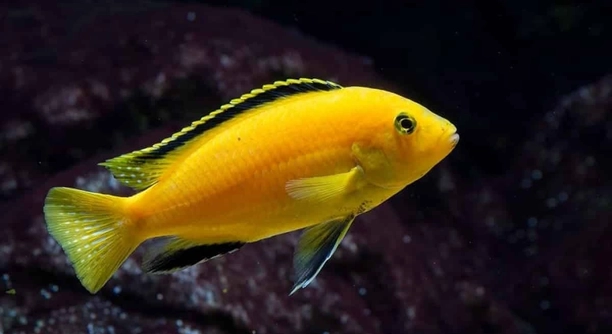
Cichlids are active and curious fish that often interact with their tank environment in unique ways. One common behavior observed by aquarium owners is how they rearrange gravel, constantly moving it around the tank.
Cichlids rearrange gravel primarily to establish territory, build nests, and create comfortable resting areas. This behavior is instinctual and linked to their breeding habits, environmental enrichment, and overall well-being, reflecting their natural instincts in a controlled habitat.
Observing these behaviors can reveal much about your cichlids’ needs and moods, offering insight into how to maintain a healthy, engaging aquarium environment.
Establishing Territory
Cichlids are naturally territorial, and rearranging gravel is one of the ways they mark their space. They may dig, pile, or scatter gravel to create boundaries, signaling to other fish that this area is occupied. In the wild, these behaviors help reduce conflicts by clearly defining zones. In an aquarium, similar instincts persist, even if space is limited. Watching a cichlid push gravel around can indicate that it is asserting dominance or simply making a preferred area for itself. Gravel movement may also reflect the fish’s comfort level and its perception of safety. A tank with plenty of hiding spots, plants, and structures can reduce aggressive rearranging while still allowing natural behaviors. The texture and size of the gravel also affect how much your cichlid will move it. Coarser or larger pieces may be less appealing for digging, while finer gravel is easier for them to manipulate. Observing these patterns can help you adjust the tank layout to minimize stress and encourage healthy activity.
Territorial digging is mostly harmless, but it can disrupt plants and decorations if left unchecked.
Providing defined areas and visual barriers can help reduce excessive gravel rearrangement.
Nesting and Breeding
When preparing for spawning, cichlids often rearrange gravel to create a suitable nest. They may dig depressions, move stones, or clear surfaces to provide a safe place for eggs. Nesting is not just a random activity; it is instinctual and critical for successful reproduction. Both male and female cichlids can participate, though their behaviors differ. Males typically clear a larger area to attract a mate, while females may refine the nest for laying eggs. Gravel rearrangement during nesting also improves water flow around the eggs, which helps with oxygenation and prevents waste buildup. Even if breeding is not a goal in a home aquarium, these behaviors will still appear, reflecting the cichlid’s natural instincts. Observing the patterns can help identify potential breeding behavior early and guide adjustments to tank setup, such as adding smooth stones or flat surfaces to encourage safe nesting. Nesting activities also give insight into the fish’s comfort and stress levels, helping ensure a healthier, more stable environment for all tank inhabitants.
Nesting gravel movement shows instinctual behavior and readiness for reproduction.
Monitoring tank conditions and nest preparation helps maintain healthy, stress-free cichlids and supports natural breeding behaviors.
Foraging and Hunting
Cichlids often sift through gravel to find food hidden beneath the surface. This behavior is instinctive and keeps them mentally stimulated while satisfying their natural foraging tendencies.
Sifting through the substrate allows cichlids to locate small bits of food, like flakes, pellets, or tiny live organisms. This behavior mimics what they would do in the wild, where searching for edible matter in sand or gravel is necessary for survival. Frequent gravel movement is often a sign that they are actively exploring and foraging. In addition to finding food, sifting helps maintain their natural instincts, keeping the fish engaged and reducing boredom. Owners can enhance this activity by occasionally sprinkling food in the gravel, providing a more interactive environment that encourages natural digging and sorting behaviors.
Over time, foraging can shape the tank’s landscape, moving gravel to new areas or creating small pits and mounds. Observing these patterns helps in understanding individual fish preferences and their interaction with the tank environment. Gravel displacement during foraging can also aid in water circulation, slightly shifting debris and preventing buildup, which contributes to a healthier tank ecosystem. Recognizing this behavior ensures that you can accommodate their needs while maintaining a stable and visually appealing aquarium.
Environmental Enrichment
Cichlids rearrange gravel to create varied spaces in the tank, promoting activity and reducing boredom. They naturally explore and modify their surroundings for stimulation and comfort.
Providing different textures, rocks, and hiding spots encourages cichlids to interact with their environment. Gravel movement is part of this engagement, giving them a sense of control and security. Adding elements like caves or flat stones can redirect digging while keeping them active. Enrichment prevents stress-related behaviors, such as aggression or lethargy, and promotes mental and physical well-being. Observing which areas are rearranged most often can inform tank layout adjustments for optimal engagement.
Regularly changing decorations and varying substrate placement supports natural instincts while keeping cichlids entertained. Environmental enrichment strengthens their overall health, reduces stress, and fosters positive behaviors. By paying attention to how and where they move gravel, you can create a dynamic and stimulating habitat that mirrors some aspects of their natural ecosystem. A well-enriched environment also helps establish territory boundaries and encourages healthy social interactions among tank mates. Gravel rearrangement, when supported correctly, becomes a valuable tool to maintain an active, balanced aquarium ecosystem.
Stress and Anxiety
Cichlids may move gravel when feeling stressed or threatened. Changes in tank conditions or aggressive tank mates often trigger this behavior.
Stress-induced gravel rearrangement helps cichlids feel more in control of their environment. It is a coping mechanism that allows them to establish temporary hiding spots or safe zones to reduce tension and maintain a sense of security.
Cleaning and Hygiene
Gravel movement also assists cichlids in keeping their habitat clean. By sifting and rearranging, they prevent debris from accumulating in one spot, which helps maintain water quality and a healthier environment for themselves and other tank inhabitants.
Exploring New Spaces
Cichlids push and move gravel when exploring areas of the tank. This behavior helps them learn their environment, identify safe zones, and become familiar with changes in layout or objects added to the tank.
FAQ
Why do cichlids constantly move gravel even when not feeding?
Cichlids move gravel as part of their natural behavior. It is not always related to food. They may be marking territory, creating hiding spots, or simply exploring their environment. This instinctive behavior keeps them mentally stimulated and helps them feel secure in their surroundings.
Is it harmful when cichlids rearrange gravel?
In most cases, gravel movement is harmless. It rarely causes problems unless it disrupts delicate plants or dislodges decorations that could injure the fish. Observing the fish helps determine if the behavior is excessive or linked to stress. Minor rearrangements are usually normal and healthy.
How can I prevent my cichlids from making a mess with gravel?
Providing hiding spots, rocks, or flat surfaces can redirect digging. Choosing larger, heavier gravel reduces displacement. Additionally, arranging decorations to create distinct territories helps minimize unnecessary movement while still allowing natural behaviors to occur.
Do certain types of cichlids move gravel more than others?
Yes. Species like African cichlids are particularly active diggers, while others may rearrange less frequently. Their behavior is influenced by natural instincts, tank size, and environmental enrichment. Active species benefit from larger tanks with more substrate to satisfy these instincts.
Can moving gravel indicate breeding behavior?
Yes, gravel rearrangement is often linked to nesting and preparation for spawning. Both males and females may participate, with males clearing larger areas and females refining the nest. Even if breeding is not intended, this behavior is instinctual and reflects readiness to reproduce.
Should I change the type of gravel to reduce movement?
Altering the substrate can help. Finer gravel is easier for cichlids to manipulate, while coarser, heavier gravel discourages excessive movement. However, the substrate should still suit the species’ natural habitat to maintain comfort and health.
How often should I check the tank when cichlids move gravel?
Regular monitoring is important. Frequent checks allow you to spot excessive digging, stress signs, or damage to plants and decorations. Keeping an eye on gravel movement helps maintain a balanced environment while respecting the fish’s natural behavior.
Does rearranging gravel affect water quality?
Yes. Moving gravel can stir up debris and sediment, temporarily affecting water clarity. Proper filtration minimizes impact. Gravel movement can also improve circulation and prevent waste buildup, contributing to a healthier tank overall.
Can I train my cichlids to stop moving gravel?
Training is limited. Gravel rearrangement is instinctual and cannot be fully stopped. However, providing enrichment, structured territories, and heavier substrate can reduce the frequency and intensity of digging. Accepting some level of movement is part of keeping cichlids happy.
What does it mean if one fish moves gravel aggressively?
Aggressive digging may indicate territorial disputes, stress, or competition for space. Ensuring sufficient hiding spots and evenly distributing territories can reduce aggressive behavior. Observing interactions with other tank mates is key to preventing injuries and maintaining harmony.
Can moving gravel harm other tank inhabitants?
It can, if gravel is displaced onto smaller fish, delicate plants, or fragile decorations. Careful arrangement and using heavier substrate can minimize risks. In general, most tank mates adapt, and movement is a normal part of cichlid activity.
How can I use gravel movement to understand my cichlids better?
Watching how and where gravel is moved reveals preferences, stress levels, and activity patterns. Territorial areas, nesting spots, and foraging zones can all be identified. Understanding these patterns allows you to adjust tank setup to meet their natural behaviors, improving overall well-being.
Are there tools or accessories to manage gravel movement?
Using flat rocks, caves, or artificial plants helps redirect digging. Heavier substrate or layering sand under gravel can reduce displacement. These adjustments maintain natural behaviors while minimizing disruption to the tank and decorations.
Does tank size influence gravel rearrangement?
Yes. Larger tanks allow more space for digging and exploration, which can increase gravel movement. Smaller tanks may limit behavior but can also cause stress if territory is insufficient. Providing adequate space is essential for healthy, instinctual activity.
Can gravel rearrangement signal health problems?
Occasionally. Sudden increases in digging or unusual patterns may indicate stress, illness, or environmental discomfort. Regular observation and maintaining stable water conditions help ensure that gravel movement reflects natural behavior, not a health issue.
How do seasonal changes affect gravel movement?
Temperature and light changes can subtly influence activity. During warmer periods, cichlids may be more active, including increased gravel sifting. Maintaining consistent conditions helps prevent stress-related digging while supporting natural behavior patterns.
What is the best approach to accept gravel movement in my tank?
Understanding that this behavior is natural and beneficial helps manage expectations. Providing structured territory, enrichment, and proper substrate encourages healthy activity while minimizing unwanted disruption. Accepting some level of gravel rearrangement ensures a more engaging and realistic environment for your cichlids.
How do I balance decoration stability with natural behavior?
Anchor decorations and use heavier objects to prevent tipping. Layer substrate strategically to allow digging without destabilizing the tank. This balance preserves natural behaviors while protecting plants, ornaments, and fish from injury. Observation is key to fine-tuning the setup.
Can gravel movement improve tank cleanliness?
Yes. Sifting gravel can prevent waste buildup and encourage circulation. While it may appear messy, this behavior contributes to a healthier substrate and helps maintain water quality, supporting the overall ecosystem of the tank.
What should I do if gravel movement becomes excessive?
Excessive digging often signals stress, insufficient enrichment, or territorial disputes. Adjust tank layout, add hiding spots, and ensure proper water conditions. In some cases, separating aggressive individuals may be necessary to maintain balance and reduce damage to decorations and plants.
How does observing gravel movement benefit fish care?
Monitoring gravel behavior provides insight into mood, comfort, and health. Recognizing patterns can inform feeding, tank maintenance, and social management. Understanding these natural behaviors allows owners to create a more stable and supportive environment for cichlids.
Can rearranging gravel help prevent boredom?
Yes. Gravel movement is a form of mental and physical stimulation. Encouraging this behavior through enrichment prevents stress-related issues, reduces aggression, and supports overall well-being. It keeps cichlids engaged in their environment, mimicking natural behaviors seen in the wild.
How do I distinguish normal from problematic gravel movement?
Normal movement is steady, purposeful, and often linked to territory, foraging, or nesting. Problematic behavior appears frantic, constant, or aggressive, potentially harming plants, decorations, or tank mates. Observation and understanding species-specific habits are essential for making this distinction.
What role does diet play in gravel rearrangement?
Diet can influence foraging behavior. Providing food on the substrate encourages natural sifting. Nutrient-rich diets reduce stress-driven digging. Occasional scattering of small food particles promotes engagement while supporting healthy, instinctual activity in cichlids.
Can rearranging gravel help with water circulation?
Yes. Gravel movement can subtly shift debris and create micro-currents, which aid filtration and reduce stagnant areas. This behavior naturally contributes to a healthier tank environment and helps maintain water quality over time.
Is gravel movement different for young cichlids?
Juvenile cichlids often dig less aggressively but may still rearrange gravel while exploring. As they mature, territorial and nesting instincts increase, resulting in more noticeable movement. Observing changes over time helps understand growth and behavior patterns.
Does substrate color affect gravel movement?
Some evidence suggests cichlids may prefer lighter or natural-colored substrates for nesting and territory. While not a strict rule, providing a substrate that resembles their natural habitat encourages digging and rearrangement in a controlled, comfortable way.
Can rearranging gravel damage plant roots?
Yes. Active digging can uproot plants, especially delicate species. Using heavier pots, anchored plants, or artificial options can protect roots while allowing fish to display natural behaviors without harming vegetation.
How should I manage multiple cichlids in a shared tank?
Providing defined territories, hiding spots, and multiple enrichment areas reduces conflicts. Gravel movement is inevitable, but careful tank organization ensures each fish can engage in natural behaviors without causing excessive disruption or stress to others.
Does gravel size influence behavior patterns?
Yes. Fine gravel is easier for sifting and digging, encouraging frequent movement. Larger, heavier gravel reduces displacement but may limit some behaviors. Matching substrate to species needs balances natural instincts with tank stability.
Can rearranging gravel affect filtration systems?
Loose gravel may temporarily cloud water or shift near filter intakes. Proper setup and monitoring prevent issues. Regular maintenance ensures gravel movement does not interfere with filtration efficiency while allowing fish to express natural behaviors.
How can I make gravel movement safer for the tank?
Use stable decorations, heavier substrate, and anchored plants. Observe fish interactions and adjust layout as needed. Accept some movement as normal while minimizing risks to plants, equipment, and other inhabitants. This approach supports a healthy and dynamic aquarium.
Does gravel movement differ between male and female cichlids?
Males often dig more aggressively for territory and nesting. Females may focus on refining nesting areas and foraging. Observing these differences helps understand roles within the tank and manage behaviors appropriately.
Is it normal for cichlids to move gravel at night?
Yes. Some species are nocturnal or crepuscular, exploring and sifting substrate during low-light periods. Nighttime activity is part of natural behavior and should be considered when observing overall patterns.
How can I encourage positive gravel movement?
Provide enrichment, appropriate substrate, hiding spots, and scattered food. Structured territory allows natural digging and foraging while reducing stress and conflicts. Positive reinforcement of healthy behaviors supports engagement and mental stimulation.
What signs indicate gravel movement is linked to stress?
Excessive, frantic, or repetitive digging, coupled with hiding or aggression, often signals stress. Poor water quality, overcrowding, or insufficient enrichment can contribute. Addressing these factors reduces stress-related gravel movement and promotes healthier behavior.
Does tank maintenance affect gravel rearrangement?
Yes. Cleaning, rearranging, or adding new decorations can trigger increased digging as fish adjust. Gradual changes and consistent water parameters help minimize stress while maintaining healthy natural behaviors.
Can gravel movement be used for enrichment games?
Yes. Scattering food or adding small obstacles encourages sifting and interaction. These activities simulate natural foraging, providing mental and physical stimulation, and reducing boredom while keeping cichlids active and engaged.
Is gravel movement more common in freshwater or saltwater cichlids?
Freshwater cichlids, especially African species, are more noticeable diggers. Saltwater cichlids tend to move gravel less frequently. Substrate type, species instincts, and tank environment all influence the frequency and intensity of gravel movement.
How can I observe gravel movement without disturbing the fish?
Use indirect observation, such as watching during feeding or when the tank is calm. Avoid sudden movements or tank tapping, which can stress fish and alter behavior. Consistent observation allows accurate understanding of patterns and needs.
Does gravel movement help cichlids exercise?
Yes. Digging and sifting require physical effort, engaging muscles and promoting activity. Regular substrate interaction supports overall health, preventing lethargy and encouraging natural behaviors essential for long-term well-being.
Can rearranging gravel reduce aggression in tanks?
Providing sufficient space, enrichment, and defined territories reduces territorial disputes. Gravel movement allows fish to claim areas, redirect energy, and establish boundaries, which can help minimize aggression and create a more harmonious environment.
Is it normal for cichlids to move gravel after a water change?
Yes. Fresh water can trigger exploration and digging as fish adjust to changes. Increased gravel movement is temporary and part of their natural response to environmental shifts.
What should I do if gravel movement uproots plants frequently?
Use heavier pots, anchor plants, or select artificial options. Adjust substrate layout and provide separate digging zones. This allows natural behavior while minimizing damage to plants and maintaining tank aesthetics.
Does tank lighting affect gravel movement?
Lighting can influence activity levels. Bright light may increase territorial and exploratory digging, while dimmer light can reduce movement. Adjusting lighting gradually helps manage activity without stressing the fish.
Can rearranging gravel help reduce algae buildup?
Indirectly. Gravel sifting moves debris, improves circulation, and reduces stagnant areas where algae thrive. While not a complete solution, this behavior contributes to a cleaner substrate and healthier tank ecosystem.
How do I know if gravel movement is excessive?
Excessive movement is constant, destructive, or associated with aggression. Normal behavior is periodic and purposeful. Monitoring patterns, tank conditions, and social interactions helps identify when intervention or adjustments are needed.
Can rearranging gravel indicate environmental dissatisfaction?
Yes. Frequent or frantic digging may signal that fish are uncomfortable with space, hiding spots, or substrate. Adjusting the tank to better meet their natural behaviors reduces stress and encourages healthier interaction with the environment.
Does gravel movement differ between single and community tanks?
Yes. In community tanks, gravel movement may be reduced due to shared territories or competition. In single-species tanks, fish may dig more freely. Understanding social dynamics helps manage substrate activity appropriately.
Can I provide alternative enrichment to reduce gravel movement?
Yes. Hiding spots, caves, driftwood, and plants provide stimulation while reducing excessive substrate disturbance. Combining enrichment with proper substrate and feeding practices allows natural behavior without significant disruption.
Is it normal for cichlids to rearrange gravel daily?
Yes. Daily activity is natural, especially for active species. Regular observation helps ensure behavior remains healthy, balanced, and aligned with tank conditions, preventing stress or conflicts.
How does temperature affect gravel movement?
Warmer water can increase activity, including digging, while cooler temperatures may reduce movement. Maintaining stable, species-appropriate temperatures supports consistent and healthy natural behaviors.
Can rearranging gravel affect small tank equipment?
Yes. Gravel can shift near heaters, filters, or air stones. Anchoring equipment and using heavier substrate minimizes interference while allowing natural behaviors to continue safely.
Does gravel movement indicate happiness in cichlids?
Often, yes. Purposeful digging, nesting, and foraging show engagement and well-being. While some stress-related movement exists, regular gravel rearrangement usually reflects a comfortable and active fish.
Can rearranging gravel help prevent boredom-related aggression?
Yes. Active digging and foraging provide mental and physical stimulation. By allowing fish to interact naturally with the substrate, boredom and related aggressive behaviors are reduced, supporting a calmer tank environment.
What is the best way to monitor gravel movement over time?
Keep a simple log of areas rearranged, frequency, and intensity. Observing trends helps identify stress, breeding, or environmental changes. Tracking behavior supports informed adjustments to enrichment, substrate, and tank setup.
Does gravel type affect digging patterns?
Yes. Softer, finer gravel encourages sifting and frequent movement. Heavier, coarser gravel limits displacement but may reduce digging. Choosing substrate to match species’ natural habitat balances natural behavior with tank stability.
How do I balance natural behavior with tank aesthetics?
Use heavier substrate, anchored decorations, and strategically placed enrichment. Accept some rearrangement while maintaining visual appeal. Observation and adjustments ensure natural behaviors coexist with a tidy, attractive tank.
Can rearranging gravel indicate dominance in a tank?
Yes. Active digging and territory marking are signs of establishing dominance. Observing these behaviors helps manage social dynamics and prevent stress or aggression among tank mates.
Is it normal for cichlids to rearrange gravel immediately after introduction to a new tank?
Yes. New environments trigger exploration and territory establishment. Gravel movement is part of adaptation, helping fish feel secure and familiar with their surroundings.
Does tank water flow influence gravel movement?
Yes. Strong currents may discourage digging, while gentle flow allows natural sifting. Adjusting water movement supports instinctive behavior without causing excessive disruption or stress.
Can rearranging gravel help reduce stress in newly added fish?
Yes. Digging and creating spaces gives fish control over their environment, reducing anxiety. Providing substrate and enrichment supports healthy acclimation and encourages natural, stress-relieving behaviors.
How does gravel rearrangement affect social interactions?
Gravel movement can establish boundaries, reduce conflicts, and indicate dominance. Understanding patterns helps manage tank hierarchy, ensuring safer interactions and minimizing stress among cichlids.
What is the link between gravel movement and nesting sites?
Gravel is rearranged to create depressions, clear surfaces, and improve water flow for eggs. Nesting behavior drives purposeful movement, reflecting reproductive instincts and comfort in the environment.
How do I maintain tank stability while allowing natural digging?
Anchor decorations, use heavier substrate, and create designated digging zones. These strategies let cichlids engage in instinctive behaviors without compromising safety or tank structure.
Can rearranging gravel indicate boredom in isolated cichlids?
Yes. Lack of enrichment or social interaction may lead to increased digging. Providing objects, hiding spots, and food on the substrate keeps isolated fish engaged and reduces stress-related activity.
Is gravel movement more frequent during feeding times?
Often. Cichlids sift gravel to locate scattered food, enhancing foraging behavior. Feeding on or near the substrate encourages mental stimulation and reflects natural instincts in a controlled environment.
Can rearranging gravel help mimic natural habitats?
Yes. Allowing cichlids to dig and create nests replicates behaviors seen in the wild. Providing suitable substrate and enrichment supports instinctive activity, promoting comfort and overall well-being.
Does gravel movement impact filtration efficiency?
Temporary disruption can occur if debris is stirred near filters. Proper setup, monitoring, and regular maintenance prevent issues while allowing natural behavior. Gravel movement generally supports substrate aeration and cleaner conditions over time.
How do I balance multiple behavioral needs when arranging gravel?
Combine enrichment, hiding spots, and structured territories. Consider substrate type, tank size, and social dynamics. This approach accommodates natural behaviors, reduces conflicts, and maintains a visually appealing, functional tank.
Can rearranging gravel improve fish confidence?
Yes. Creating spaces, establishing territories, and engaging in instinctive digging increase comfort and confidence. Active interaction with the environment fosters mental and physical well-being, resulting in healthier, more resilient cichlids.
How do I know when gravel movement signals a problem?
Look for frantic, constant digging, aggression, or stress signs. If behavior appears abnormal or destructive, check water quality, tank setup, and social dynamics. Addressing underlying issues restores balance while supporting natural activity.
Can rearranging gravel affect young plants or decorations over time?
Yes. Regular movement may uproot plants or shift ornaments. Using heavier substrate, anchored plants, and stable decorations minimizes damage while allowing fish to express natural behaviors safely.
How often should I observe gravel movement for tank maintenance?
Frequent observation, at least daily or during feeding, ensures you notice changes in behavior, stress signs, or environmental issues. Monitoring helps maintain tank health
Final Thoughts
Cichlids rearranging gravel is a natural and instinctive behavior that reflects many aspects of their life in the aquarium. It can signal territory establishment, nesting preparation, foraging habits, or general exploration. Observing this behavior closely provides valuable insight into their well-being and comfort within the tank. While it may sometimes seem messy or disruptive, gravel movement is often harmless and even beneficial, contributing to the mental and physical stimulation of your fish. Understanding why they move gravel allows owners to create an environment that meets their natural instincts while minimizing potential damage to decorations or plants. Accepting some level of gravel rearrangement is part of responsible cichlid care, ensuring a healthier and more engaging environment for the fish.
Providing a tank setup that supports natural gravel movement can enhance your cichlids’ overall quality of life. Using appropriate substrate, adding hiding spots, caves, or flat stones, and arranging decorations to define territories helps balance their instinctive digging with the stability of the tank. Heavier gravel can reduce excessive displacement, while layered substrate and enrichment areas encourage foraging and exploration without causing stress. Observing which areas are most frequently rearranged can guide adjustments to the tank layout, allowing for a safe, engaging, and stimulating habitat. These changes do not eliminate natural behavior but help manage it in a way that keeps both the fish and the aquarium in optimal condition.
Gravel movement also provides insight into social dynamics, health, and environmental satisfaction. Patterns of digging can indicate stress, dominance, or readiness to breed, giving owners cues for monitoring water conditions, tankmates, and overall habitat design. Regular observation of gravel behavior supports proactive care, allowing for adjustments that prevent conflicts or excessive disruption. Supporting natural behaviors while maintaining a stable environment ensures your cichlids remain active, confident, and healthy. Ultimately, accepting gravel rearrangement as part of their instinctive activity, while providing proper enrichment and structure, fosters a balanced and thriving aquarium ecosystem. Observing and accommodating these behaviors reflects an understanding of the fish’s needs and creates a more harmonious and engaging space for both the cichlids and the aquarium owner.

Hello,
If you enjoy the content that we create, please consider saying a "Thank You!" by leaving a tip.
Every little bit helps us continue crafting quality advice that supports the health, happiness, and well-being of pets around the world, for pets of all shapes, sizes, and species.
We really appreciate the kindness and support that you show us!