
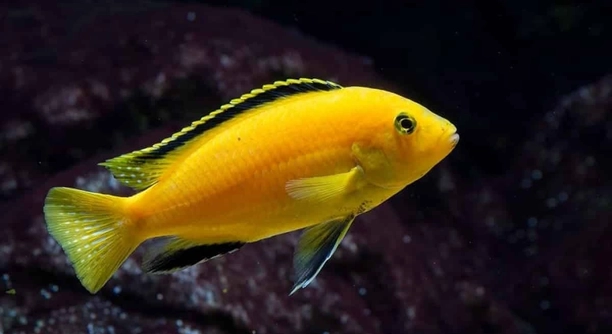
Many aquarium keepers notice moments when a single cichlid seems to influence the entire tank, guiding the group to bring a gentle balance and create a calmer atmosphere that supports better behavior among all fish.
One cichlid often calms the entire group by asserting gentle leadership that reduces tension and stabilizes social interactions. Its consistent behavior sets predictable patterns that other fish follow, promoting harmony, lowering aggression, and encouraging smoother dynamics within the aquarium environment.
These calming moments reveal how one steady presence can influence the tank, offering insights that make the story worth exploring.
Recognizing the Calming Leader
A steady cichlid often influences the entire tank by maintaining predictable movements that help others relax. Its presence eases tension and supports smoother interactions, which becomes especially noticeable during feeding times or minor disputes. I have seen how one confident fish can shift the entire mood of the group with simple, consistent behavior.
Some moments highlight how this steady fish uses quiet signals to guide the others. It may hold its position or swim with controlled movements, giving the rest of the group a pattern to follow. These small actions help reduce aggressive responses and keep the tank balanced.
When you observe this calm leader, the changes become clear. The rest of the group steadies itself, minor conflicts fade, and the tank feels more peaceful.
How Calm Behavior Spreads
A calming cichlid sets the tone by creating an atmosphere that other fish naturally adjust to. Its stable behavior becomes a reference point that supports smoother group interactions.
This influence spreads through consistent actions that shape the rhythm of the tank. When the calming fish moves slowly during tense moments, others soften their movements. When it settles in a preferred space, the group distributes itself more evenly, easing pressure on subordinate fish. Even during feeding, its calm approach can prevent frantic competition, which helps reduce stress levels. Over time, this steady presence becomes a stabilizing factor that guides the entire group without force. Watching this pattern unfold makes it clear how a single cichlid can support harmony in a way that feels natural and steady, allowing the tank to function with less conflict.
xxxxxxxxxxxxxxxxxxx
A calm cichlid often reduces stress by keeping its movements slow and steady, which helps the others settle. I notice how this steady behavior shapes the group in small ways, guiding interactions without force. It creates an atmosphere that feels predictable and easier for the others to follow in practice.
This calming fish influences the entire tank through patterns that repeat throughout the day. Its gentle presence provides a steady reference that keeps the group from slipping into unnecessary conflict. I watch how its small corrections, like shifting slightly during tense moments, guide the others into smoother positions. These subtle movements prevent sudden bursts of aggression that often happen when the group feels uncertain. Over time, the tank settles into a rhythm shaped by this one fish, allowing the others to behave with more confidence and less stress, creating a peaceful environment that lasts through feeding and resting each day.
A steady cichlid also affects territorial behavior by softening the reactions of more dominant fish. I notice how its calm presence reduces sharp confrontations, giving the others space to adjust without tension. When this fish moves through the tank, its slow pacing encourages the rest to follow with less force. This shift changes the overall atmosphere, allowing even shy fish to feel more secure. Over time, territories become more flexible, and the group forms patterns that feel natural and stable. The influence becomes clear as the tank maintains balance in moments that would normally spark conflict in subtle ways overall.
xxxxxxxxxxxxxxxxxxx
A calming cichlid shapes feeding behavior by reducing frantic movements that often trigger stress. I see how its steady approach encourages the group to spread out instead of crowding one spot. This small change lowers tension and helps subordinate fish access food more easily. Its presence sets a gentle rhythm that guides the others without force, creating smoother interactions that support healthier feeding patterns in a way that feels steady and reliable each day always.
Feeding time often exposes the natural tension within a cichlid group, but a calm leader can soften these moments through steady movements that guide the others. I watch how this fish approaches food without rushing, which naturally slows the group and prevents the pushing and nipping that sometimes arise. Its presence reduces the competitive edge that usually appears when food enters the tank. Instead, the group spreads out more evenly, allowing fish with lower status to reach food without intimidation. This shift creates a feeding pattern that feels more balanced and consistent. Over time, these calmer routines encourage healthier eating behaviors, fewer injuries, and smoother interactions among all the fish. The steady influence becomes a subtle anchor that supports stability during the tank’s moments daily.
xxxxxxxxxxxxxxxxxxx
A calm cichlid often influences resting periods by moving slowly and choosing stable spots that encourage the group to settle. I notice how its steady presence reduces unnecessary motion across the tank, helping the others find comfortable positions that limit tension and create a peaceful atmosphere during moments that calm.
This steady influence affects how the group responds to minor disturbances. I see how the calming fish pauses briefly before moving again, giving the others a cue to slow down rather than react sharply. These small signals help maintain balance and prevent quick escalations that disrupt the tank’s peaceful routine.
xxxxxxxxxxxxxxxxxxx
A calming cichlid shapes social grouping by creating predictable paths that others follow. I notice how its steady movements reduce crowding and give each fish room to navigate without stress. When it glides through shared spaces, the group adjusts with softer reactions that prevent sudden bursts of tension. This pattern becomes clearer during busy moments when multiple fish cross paths at once. Instead of sharp redirects or rapid chases, the group spreads naturally, allowing even smaller fish to feel more secure. Over time, these consistent behaviors help create smoother routines that keep the entire tank functioning with greater stability overall.
xxxxxxxxxxxxxxxxxxx
A calm cichlid often softens territorial tension by moving with steady confidence that redirects the group. I see how its slow pacing discourages abrupt reactions, giving the others space to adjust. This simple influence helps maintain smoother boundaries and keeps the tank stable during moments that usually spark stress overall.
FAQ
Why does one calm cichlid influence the entire group so strongly?
A calm cichlid stands out because its steady behavior offers the others a clear pattern they can follow. I notice how this single fish uses slow, predictable movements that signal safety. When it remains composed during tense moments, the group mirrors its pace. This reduces sudden reactions that would normally trigger stress. Over time, the others come to rely on its consistency, and the tank settles into a more stable rhythm shaped by that quiet influence.
How does a calming cichlid reduce aggression in the tank?
Aggression often rises when the group feels uncertain, but a calming fish gives them structure. Its movements set the tone. When it glides rather than darts, the rest follow with softer reactions. I see how this reduces confrontations, especially in shared spaces. A consistent presence reassures the more reactive fish and helps prevent unnecessary chasing. This slow and steady approach naturally lowers aggression without force, shaping a peaceful environment for the whole group.
Does this calming behavior change the way territories are formed?
Yes, a steady cichlid can soften territorial tension by shaping how space is used. It moves with confidence but without pressure, which encourages others to spread out more evenly. I notice how dominant fish become less reactive when this calm individual is nearby. Its gentle pacing slows everyone down and reduces sharp boundaries. As a result, territories become flexible rather than rigid, allowing even shy fish to navigate more freely without provoking conflict.
Can a calming cichlid affect feeding interactions?
A calm cichlid strongly influences feeding time by reducing frantic behavior. When food enters the tank, it approaches slowly, which encourages others to follow the same pattern. This stops the group from crowding in one spot and prevents pushing or nipping. I have seen how this creates a smoother feeding routine where every fish gets a fair chance. The absence of frantic competition lowers stress and supports healthier eating habits for the entire group.
Is this calming behavior natural or learned?
It is mostly natural, but the effect becomes stronger with time. Some cichlids naturally display steadier temperaments that the group quickly detects. Others may adapt as they mature, becoming more composed as the environment stabilizes. I notice that once the tank develops a clear rhythm, the calming cichlid strengthens its influence because the others respond positively. The behavior may not be intentionally learned, but the tank dynamics reinforce it until it becomes a stable pattern that benefits the group.
Can multiple cichlids share this calming role?
Yes, but it usually begins with one strong influence. Over time, other fish may mimic the steady movements and adopt softer reactions. When more than one fish displays this kind of behavior, the effect spreads even faster. I have seen tanks where two or three fish keep the peace by maintaining predictable patterns. This creates overlapping zones of stability that reduce tension and support smoother interactions. Even so, one fish often remains the primary anchor that the others instinctively follow during tense moments.
How do I identify the calming cichlid in my tank?
You can usually spot it by watching how the group responds to subtle signals. Look for the fish that moves slowly during tense interactions or holds its position without showing fear. The others often glance toward it or adjust their movements in response. During feeding or territorial disputes, this fish stays composed while the rest settle around it. Over time, its presence becomes easy to recognize because the tank naturally shifts into a smoother rhythm when it is active.
Does tank size affect a calming cichlid’s influence?
Tank size plays a role by shaping how freely the group can respond. In a larger tank, the calming cichlid’s influence spreads through open space, giving others room to follow without pressure. In smaller tanks, the effect becomes concentrated, making its steady behavior even more noticeable. I find that a calm leader often compensates for limited space by reducing sharp reactions. Regardless of size, its presence helps maintain stability that supports the group’s long-term comfort.
Can this calming effect change over time?
Yes, it can shift as the group matures or new fish are added. A calm leader may become more influential as the others learn to rely on its consistency. In some cases, another fish may develop similar steadiness and share the role. If the tank remains stable and routines stay predictable, the calming influence strengthens naturally. However, major changes can temporarily disrupt the pattern until the group adjusts again. The steady fish often becomes the first one to restore balance because the others already trust its signals.
Final Thoughts
A calm cichlid can shape the entire atmosphere of a tank through steady behavior that the rest of the group naturally follows. I have watched how a single fish with predictable patterns can lower stress, ease tension, and guide the others without any force. Its influence is not loud or dramatic. It comes from small choices that repeat throughout the day, like settling into a space without rushing or slowing its movements when others are tense. These simple actions give the rest of the group a sense of stability that becomes part of their routine. When one fish maintains this steady presence, the tank gradually shifts into a rhythm that feels balanced and peaceful. This gentle role does not erase natural behaviors or instincts, but it makes them easier to navigate, which helps every fish find a more comfortable place in the group.
The way this calming influence spreads highlights how sensitive cichlids are to each other’s movements. When a steady fish glides through a shared space, others soften their reactions and adjust their positions with less pressure. This reduces sudden chases, sharp redirects, and moments of competition that often raise stress. I have noticed that even dominant fish respond to the calming presence by holding back slightly, which gives the entire group more room to settle. Feeding times become smoother, territorial lines become less rigid, and daily routines flow without constant interruptions. These changes may seem small at first, but they add up in meaningful ways. Over time, the tank feels different. It becomes a place where stable patterns guide the group, making interactions more predictable and less filled with tension. Watching this unfold shows just how much one steady fish can shape the experience of every other fish in the tank.
Recognizing and supporting this calm leader can make a noticeable difference in long term tank stability. When the environment remains consistent, the soothing influence of this steady fish becomes stronger. The group learns to rely on its signals, and the peaceful behaviors start to spread naturally. Even when new fish are added, the calming presence helps reduce stress during the adjustment period. It acts like a quiet anchor that steadies interactions when things feel uncertain. Maintaining clean water, stable territories, and predictable routines helps the calming fish continue guiding the group. The result is a tank that functions more smoothly, giving each fish the chance to behave naturally without constant pressure or conflict. Seeing the group settle into this balance makes it clear how valuable one calm presence can be, and how much it contributes to harmony in a cichlid community.

Hello,
If you enjoy the content that we create, please consider saying a "Thank You!" by leaving a tip.
Every little bit helps us continue crafting quality advice that supports the health, happiness, and well-being of pets around the world, for pets of all shapes, sizes, and species.
We really appreciate the kindness and support that you show us!