
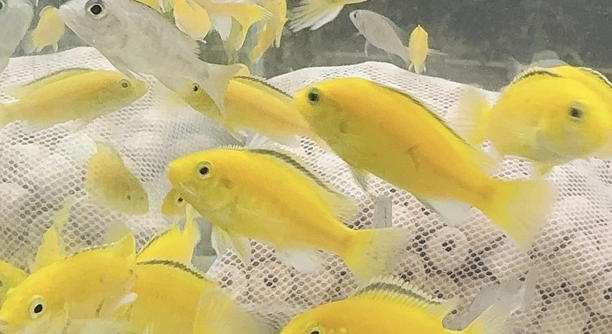
Young Electric Yellow Cichlids are vibrant additions to any freshwater aquarium. Observing their growth can be exciting, as these fish gradually develop distinct behaviors and physical traits that signal their journey into maturity.
Maturity in young Electric Yellow Cichlids is indicated by specific behavioral and physical markers. Key signs include consistent territorial behavior, color intensity, fin development, social interactions, and feeding habits. Recognizing these traits ensures proper care and a balanced aquatic environment.
Tracking these signs early helps maintain their health and social dynamics. Recognizing maturity allows for better planning in tank management and breeding considerations.
Changes in Coloration
Young Electric Yellow Cichlids gradually show deeper yellow tones as they mature. Initially, their color can be pale or slightly muted, but as they grow, the intensity increases. Bright coloration is a clear indicator of age and health. It reflects proper nutrition, minimal stress, and suitable water conditions. Fish that remain dull may require adjustments to their environment or diet. Along with color, subtle markings may appear or become more defined. These patterns help identify individual fish and monitor their development over time. Consistent lighting and tank setup can influence how vivid their coloration appears.
Bright color is a strong sign of maturity and proper care.
Maintaining a balanced diet and stable tank conditions promotes vibrant hues. Providing adequate space, hiding spots, and compatible tank mates reduces stress, supporting full color expression. Observing these changes allows for better management of feeding routines, water parameters, and interactions with other fish, ensuring the cichlids thrive as they grow into adults.
Development of Fins
Fins become fuller and more defined as cichlids mature.
Fin growth is gradual, with dorsal and anal fins elongating. Proper nutrition and clean water accelerate this development.
Healthy fins are crucial for swimming and maintaining balance in the tank. When fins are well-developed, they indicate that the fish is approaching adulthood. Ragged or damaged fins can signal stress or poor water conditions, which need immediate attention. Fin shape and size also play a role in territorial behavior and mating displays, making them an important visual cue for maturity. Tracking fin development alongside coloration and behavior gives a clearer picture of overall growth and health, allowing you to anticipate breeding readiness and social interactions. Consistent observation helps catch issues early, supporting a thriving tank environment for all inhabitants.
Territorial Behavior
Young Electric Yellow Cichlids start showing clear territorial instincts as they mature. They often claim specific areas of the tank, defending them from other fish, which signals their growing confidence and social development.
Territorial behavior includes chasing smaller or similarly sized fish, flaring fins, and patrolling a preferred area. This behavior is natural and helps establish a hierarchy within the tank. Providing enough hiding spots, rocks, and plants allows them to claim spaces without constant conflict. Observing these behaviors gives insight into social dynamics, helping prevent stress-related issues. Regular monitoring ensures territorial disputes remain manageable and the fish coexist peacefully.
As territorial instincts strengthen, it becomes easier to anticipate feeding times and interactions. Recognizing which fish dominate certain areas helps in arranging tank décor, ensuring each cichlid feels secure and minimizing aggressive encounters while supporting healthy development and natural behavior patterns.
Feeding Habits
Mature Electric Yellow Cichlids develop consistent and purposeful feeding routines.
They become more selective and assertive during feeding, showing preferences for specific foods. Predictable feeding times help establish daily patterns.
Changes in feeding habits reflect growth and readiness for reproduction. Mature cichlids eat more efficiently, often prioritizing high-protein foods and foraging actively. They may chase others away from food, demonstrating dominance and confidence. Proper portioning prevents overfeeding and maintains water quality. Observing feeding behavior also provides clues about health, appetite, and stress levels. Fish that lose interest or show irregular patterns may need water parameter checks or diet adjustments. Tracking these habits supports long-term tank management and ensures each cichlid receives adequate nutrition while maintaining a harmonious environment.
Social Interactions
Mature Electric Yellow Cichlids engage more with tank mates, showing clear social behaviors. They establish hierarchies and communicate through movements and displays, reflecting their confidence and maturity.
These fish may form small groups or assert dominance in certain areas. Observing interactions helps manage tank dynamics and reduces unnecessary stress.
Breeding Readiness
As Electric Yellow Cichlids reach maturity, physical and behavioral signs indicate breeding readiness. Males develop brighter colors and larger fins, while females show rounded bellies. Pair bonding becomes apparent, and courtship behaviors, such as cleaning surfaces and displaying, increase. Providing proper breeding conditions, like flat rocks and secluded areas, encourages spawning. Monitoring these signs ensures the tank environment supports natural reproductive behaviors. Awareness of readiness also helps prevent aggression during mating, allowing both fish to thrive. Maintaining optimal water quality, diet, and space ensures successful breeding and healthy fry development.
Response to Environment
Mature cichlids react more noticeably to changes in tank conditions, reflecting their awareness and adaptability.
FAQ
How do I know when my Electric Yellow Cichlid is fully mature?
Full maturity is usually indicated by vibrant coloration, fully developed fins, and consistent territorial or social behavior. Males show brighter yellow and elongated fins, while females display rounder bellies and more subtle color changes. Observing feeding habits and interactions with other fish also provides clear signs of maturity.
At what age do Electric Yellow Cichlids typically reach maturity?
Most Electric Yellow Cichlids reach noticeable maturity around 8 to 12 months of age. Growth can vary depending on diet, tank conditions, and genetics. Proper care, balanced nutrition, and stable water parameters help them develop at a healthy pace. Monitoring their size, color, and behavior over time gives a good indication of maturity.
What are the key signs of behavioral maturity?
Behavioral maturity includes territorial patrolling, courtship displays, and more confident social interactions. Mature fish assert dominance in certain tank areas and interact purposefully with tank mates. Observing consistent feeding routines, chasing smaller fish, or guarding spaces helps identify behavioral growth. These actions demonstrate that your cichlids are settling into adult patterns.
How can I encourage proper fin and color development?
A balanced diet rich in protein and carotenoids supports fin growth and color intensity. Stable water conditions, appropriate tank size, and minimal stress also contribute. Including hiding spots and compatible tank mates reduces conflict and allows fish to display natural behaviors, which further enhances their coloration and fin structure.
Do changes in feeding habits indicate maturity?
Yes, mature cichlids eat more efficiently and often become selective in their food choices. They show assertiveness during feeding and may establish dominance over certain food areas. Tracking these habits ensures they are getting enough nutrition and helps you notice any sudden changes that could indicate stress or health issues.
What environmental factors affect maturation?
Water quality, temperature, tank size, and décor all influence maturation. Consistent water parameters and regular maintenance reduce stress, allowing natural growth. Proper tank setup, with rocks, plants, and hiding spaces, encourages territorial and social behavior, which are critical for healthy development and successful breeding when the fish reach full maturity.
How can I tell if my cichlids are ready to breed?
Signs include brighter colors, enlarged fins, and pair bonding behavior. Females develop rounded bellies, while males display courtship rituals, such as cleaning surfaces or flaring fins. Providing flat rocks or secluded areas allows them to spawn safely. Observing these behaviors helps you support a healthy breeding environment.
What are the common mistakes to avoid during maturation?
Overcrowding, poor water quality, and inconsistent feeding can slow development or stress the fish. Avoid mixing overly aggressive species, and maintain a balanced diet. Regular monitoring and adjustments in tank conditions prevent health problems and ensure that your Electric Yellow Cichlids mature with strong coloration, proper fin growth, and natural behavior.
Can I manage aggressive behavior in maturing cichlids?
Yes, aggression is natural but manageable. Providing enough space, hiding spots, and compatible tank mates helps reduce conflicts. Observing interactions allows timely intervention if dominance disputes become harmful. Rearranging décor occasionally can reset territorial boundaries and help the fish coexist peacefully.
How often should I monitor my cichlids for signs of maturity?
Daily observation is ideal for tracking changes in color, fin development, and behavior. Weekly checks of water parameters and tank conditions support healthy growth. Consistent monitoring ensures early detection of stress, illness, or delayed development, helping your cichlids thrive throughout their growth stages.
What role does diet play in maturation?
A varied diet with high-quality protein, vegetables, and occasional live or frozen foods promotes overall health and physical development. Proper nutrition enhances coloration, fin growth, and energy levels, supporting natural behaviors and successful social interactions. Balanced feeding is essential for reaching full maturity efficiently.
Are there differences in maturation between males and females?
Yes, males often develop brighter colors and larger fins, while females display rounded bellies and more subdued tones. Males may show stronger territorial behavior, whereas females focus on nesting and courtship readiness. Understanding these differences helps in tank management and breeding preparation.
How can I maintain optimal conditions for mature cichlids?
Regular water changes, appropriate filtration, stable temperature, and a balanced diet are crucial. Providing rocks, caves, and plants reduces stress and allows natural behavior. Monitoring fish health and behavior ensures that mature cichlids remain vibrant, active, and socially balanced within the tank.
What should I do if my cichlids show delayed maturation?
Delayed maturation may result from poor water quality, insufficient nutrition, or stress from aggressive tank mates. Correcting these issues with stable conditions, proper feeding, and adequate space promotes growth. Patience is important, as some cichlids naturally mature slower than others.
Can tank size affect maturity?
Yes, smaller tanks can lead to stress, slower growth, and increased aggression, affecting both physical and behavioral maturity. Larger tanks provide space for territorial behavior, proper swimming, and social interactions, supporting healthier and more confident adult fish.
How do I balance social groups as they mature?
Observing interactions allows you to adjust tank composition. Separating overly aggressive individuals and maintaining compatible group sizes prevents stress. Balanced social dynamics encourage natural behavior, reduce injuries, and ensure all fish have space to establish territories and feed properly.
Is it normal for some fish to mature faster than others?
Yes, genetics, diet, and environmental conditions influence individual growth rates. Some cichlids may show vibrant colors or territorial behavior earlier. Regular observation ensures that all fish develop properly and helps identify any that require extra attention.
What health issues are common during maturation?
Stress, fin damage, and minor aggression injuries are common. Poor water quality can lead to disease or stunted growth. Preventing overcrowding, maintaining clean water, and observing behavior help reduce these risks and support smooth development into adulthood.
How do I know if my fish are socially stable?
Social stability is indicated by reduced aggressive encounters, clearly established territories, and consistent feeding patterns. Mature fish interact predictably, with dominance hierarchies respected. Monitoring these behaviors ensures a balanced environment and prevents unnecessary stress or injury among tank mates.
Can I prepare my tank for breeding without stressing mature cichlids?
Yes, provide flat rocks or secluded spaces and maintain stable water parameters. Gradually adjust décor rather than sudden changes, and continue regular feeding and maintenance. This allows mature cichlids to engage in natural courtship behaviors without excessive stress, supporting successful reproduction and healthy adult behavior.
Final Thoughts
Observing young Electric Yellow Cichlids as they grow is a rewarding experience. Their development is gradual, and recognizing the signs of maturity helps ensure they remain healthy and active. Key indicators include changes in coloration, fin growth, territorial behavior, social interactions, and feeding patterns. Each of these traits offers insight into their physical and behavioral development. Paying attention to these details allows for better care, helping the fish adjust comfortably to their environment and thrive. Watching these changes over time can also provide a sense of accomplishment, knowing that your efforts in maintaining proper water quality, diet, and tank conditions are supporting their growth and overall well-being.
Maintaining the right environment is essential for supporting mature cichlids. Consistent water quality, appropriate tank size, and sufficient hiding spaces help reduce stress and encourage natural behaviors. Providing a balanced diet with high-quality protein and occasional live or frozen foods promotes healthy coloration, fin development, and energy levels. Observing feeding habits and social interactions allows you to monitor both individual health and group dynamics. Mature cichlids may exhibit territorial or dominant behavior, which is normal and should be managed with proper tank arrangement and compatible companions. By keeping track of these factors, you can prevent aggression-related injuries and ensure each fish has the space and resources it needs to thrive. Regular monitoring and adjustments help maintain a stable, harmonious environment as the fish continue to mature.
Understanding these aspects also prepares you for future decisions regarding breeding, tank expansion, or adjustments to social groups. Recognizing when a fish is mature allows for proper management of tank dynamics and supports the natural reproductive process if you choose to breed them. Even without breeding, providing a supportive environment for adult cichlids ensures their long-term health and enhances their natural beauty. Observing their behavior, growth, and social interactions gives you confidence in managing your aquarium effectively. By focusing on these key indicators and maintaining a stable, clean, and well-balanced tank, you can enjoy the full vibrancy and activity of Electric Yellow Cichlids as they mature into healthy adults. This attention to detail ensures a thriving aquatic environment for your fish while making the experience of keeping them more engaging and rewarding.

Hello,
If you enjoy the content that we create, please consider saying a "Thank You!" by leaving a tip.
Every little bit helps us continue crafting quality advice that supports the health, happiness, and well-being of pets around the world, for pets of all shapes, sizes, and species.
We really appreciate the kindness and support that you show us!