
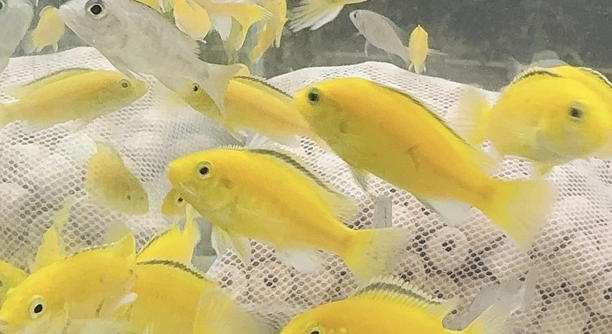
Do you ever notice objects moving in circles near your tank and wonder why they seem to go around endlessly? Observing these motions can be oddly satisfying and sometimes puzzling. It hints at natural behaviors and environmental patterns.
Certain objects, such as floating plants, bubbles, small decorations, snails, and drifting debris, consistently circle in tanks due to water currents, filtration systems, and interactions with aquatic life. These movements create predictable looping patterns in their environment.
Recognizing these behaviors can help you better understand your tank’s ecosystem and maintain a healthier, more balanced environment for its inhabitants.
Floating Plants
Floating plants often move in circles due to the water currents created by filters or air pumps. Their lightweight structure allows them to drift easily, forming gentle loops around the tank. Observing these movements can reveal patterns of water flow that influence other tank inhabitants. They also provide shade and shelter for fish, helping reduce stress and encourage natural behaviors. While they may seem passive, their movement affects how light is distributed in the tank, which can impact plant growth and algae development. Over time, floating plants may form clusters that spin together in a repeated motion. This spinning can change depending on the size of the plant, water flow intensity, and presence of fish or other animals disturbing the water. Even small changes in current can lead to noticeable differences in how these plants circle. Understanding these patterns can help maintain a balanced and visually appealing tank environment for all its residents.
Their circular movement is mainly caused by consistent water flow and interaction with tank inhabitants.
Watching how floating plants move helps identify uneven currents or filter inefficiencies, which can be adjusted to improve the tank’s overall environment.
Snails
Snails often trace circular paths as they explore surfaces or follow water currents. Their slow movement allows them to loop repeatedly, especially around smooth decorations or tank glass.
Snails use these loops to graze effectively on algae, biofilm, and leftover food. By moving in circles, they can cover the same area multiple times, ensuring thorough cleaning of surfaces. In some tanks, snails may follow the same path for days, creating visible trails on glass or leaves. This behavior also helps them navigate obstacles while maintaining contact with familiar surfaces. Some species show stronger looping tendencies depending on shell shape, foot size, and environmental factors such as water flow and substrate texture. The presence of other tank inhabitants can influence their path, either encouraging them to circle more frequently or leading them to change direction. By observing these patterns, tank keepers can better understand snail habits, predict their movements, and ensure they remain active contributors to the ecosystem without overgrazing or causing imbalance. Adjusting water currents or adding gentle obstructions can subtly influence their circular routes.
Bubbles
Bubbles rise in circular patterns when air stones or filters push water in a consistent direction. They often drift in small loops before reaching the surface, influenced by water currents and tank decorations. This creates a steady, repeating motion that adds visual interest to the tank.
As bubbles move upward, they interact with the surrounding water, causing small swirls that can gently move lightweight particles and plants. Their looping paths are more noticeable in tanks with strong filtration or uneven water flow. Observing these movements can help identify areas where currents are too strong or weak, allowing for adjustments. Over time, repeated bubble paths can create patterns on the water surface, which may subtly affect the distribution of light and oxygen. Watching these small motions provides insight into how water dynamics influence the tank’s environment, including plant growth and fish behavior.
Bubbles also affect fish and invertebrates by providing oxygen-rich zones and encouraging gentle swimming patterns. Certain fish enjoy circling these bubbles or resting near the moving water. Their presence can promote activity and curiosity in tank inhabitants. Repeated bubble paths create predictable movement that fish may follow, adding life to the tank. Observing bubble motion can also indicate filter efficiency or potential blockages, making it a practical way to monitor overall tank health.
Drifting Debris
Small bits of debris move in circles due to water currents or interactions with fish and snails. Their light weight allows them to float, drift, and repeat loops across the tank repeatedly.
Debris movement is influenced by filtration, air pumps, and natural water flow. Leaves, uneaten food, and tiny plant fragments often follow curved paths as currents push them against tank walls or decorations. This can create clusters of floating material that spin in small circles for hours or days. Over time, repeated drifting may settle debris in specific areas, affecting water clarity and cleanliness. Careful observation helps determine whether currents are too strong, too weak, or unevenly distributed. Adjusting filters or repositioning decorations can subtly change how debris circulates, preventing buildup in unwanted spots. Recognizing these patterns also provides insight into the activity of tank inhabitants, who can disturb debris and contribute to circular movement.
Drifting debris can also serve as a food source for some fish and invertebrates. Observing its patterns helps maintain balance and cleanliness. Controlling its movement ensures a healthier environment for all tank residents.
Small Fish
Small fish often swim in repeated circles while exploring or following currents. Their size and agility allow them to navigate decorations and plants, creating looping patterns that are easy to notice in the tank.
Circling behavior can also result from social interactions. Fish may follow each other in synchronized loops or chase reflections and shadows. These repeated movements help them establish territory, find food, and interact safely with other tank inhabitants. Watching these loops provides insight into fish health, activity levels, and stress. Adjusting tank layout or adding hiding spots can influence how often and where they circle, creating a more balanced and comfortable environment.
Filtered Water Jets
Filtered water jets produce circular currents that move objects repeatedly. Water pushed from the filter often follows a curved path, causing floating items, plants, and even small fish to drift in predictable loops.
Snail Trails
Snails leave visible trails on glass or decorations as they circle while feeding. These loops are more apparent over time, marking the areas they revisit most often.
Why do objects circle repeatedly in my tank?
Objects circle in tanks mainly because of water currents created by filters, air pumps, or even the movement of fish. Lightweight items like floating plants, bubbles, and small debris are easily influenced by these currents, forming predictable loops. Decorations and tank shape can also guide water flow, reinforcing circular patterns. Additionally, some animals, like snails or small fish, naturally follow repetitive paths when exploring or feeding. These movements are often harmless and indicate normal activity within the tank. Over time, the loops can become more noticeable as items or creatures repeatedly follow the same paths, reflecting both the structure of the tank and the behavior of its inhabitants.
Are circling patterns harmful to my tank?
Most circling movements are harmless and part of the natural dynamics of an aquatic environment. Floating plants, bubbles, and drifting debris can enhance water oxygenation and distribute nutrients. Small fish circling repeatedly often indicate playful or exploratory behavior. Snails following looping paths help clean surfaces and control algae growth. However, if currents are too strong or objects continuously accumulate in one area, it can lead to uneven water distribution, debris buildup, or stress for some fish. Observing patterns allows for adjustments, like repositioning decorations or moderating filter strength, ensuring the tank remains balanced. These small changes can prevent excessive wear on tank inhabitants and maintain a healthier environment.
How can I adjust tank currents to change circling behavior?
Currents are primarily influenced by filters, air stones, and water pumps. Adjusting their position or reducing their strength can change how objects move. Adding obstacles like plants or decorations redirects water flow, breaking repetitive loops. For smaller tanks, lowering pump speed or angling outlets can create more even circulation. Observing how floating plants or bubbles react helps identify areas where flow is too strong. Over time, minor adjustments can distribute currents evenly and reduce overly predictable circling. This not only changes movement patterns but also improves water quality by preventing stagnant zones.
Do certain species circle more than others?
Yes, some species naturally display more repetitive circling. Snails are known to trace loops while feeding on algae or biofilm. Small schooling fish may follow each other in synchronized loops when exploring or chasing shadows. Floating plants and lightweight debris will also move in repeated circles due to water flow. The shape, size, and weight of an object or creature determine how strongly currents affect them. Observing individual behaviors helps understand whether looping is natural or influenced by tank conditions. Adjustments in water flow or tank layout can moderate excessive circling without disrupting natural activity.
Can circling objects indicate a problem?
Sometimes, repeated circling can highlight issues. Strong, narrow currents may cause objects or animals to get trapped in loops. Excessive debris accumulation in one area could reduce water clarity or oxygen levels. Stressed fish might swim in circles excessively due to limited hiding spots or poor water quality. Monitoring these patterns helps identify imbalances in the tank environment. Making small changes, like repositioning filters, adding plants, or cleaning accumulated debris, can resolve issues. In most cases, circling is harmless, but careful observation ensures it doesn’t become a sign of stress or environmental imbalance.
What can I do to maintain a balanced environment with circling objects?
Maintaining balance involves monitoring water flow, tank layout, and animal behavior. Adjust filter strength, reposition air stones, and distribute decorations to guide currents naturally. Regularly remove debris and prune floating plants to prevent overcrowding. Ensure hiding spots for fish and snails to reduce stress and provide variety in movement. Circling objects are part of a dynamic ecosystem, and small adjustments can enhance both appearance and health. Observing patterns over time gives insight into how currents, objects, and animals interact, allowing for gradual improvements. A balanced environment supports activity, growth, and overall tank stability.
Do bubbles and floating plants affect fish behavior?
Bubbles and floating plants create dynamic areas in the tank that encourage movement and exploration. Fish may circle around bubbles, rest beneath floating plants, or follow paths created by currents. These objects influence oxygen distribution, light penetration, and even feeding behavior. By interacting with these moving elements, fish engage naturally, reducing stress and promoting activity. Observing how they respond to bubbles or plants can indicate comfort levels and highlight areas where adjustments are needed. These elements not only enhance aesthetics but also play an important role in maintaining a lively, interactive aquatic environment.
How often should I check for looping behavior?
Checking circling patterns weekly or during routine maintenance is sufficient. Observing floating plants, bubbles, snails, and fish over time helps identify consistent loops or unusual behavior. Note areas where debris accumulates or water flow seems uneven. Minor adjustments in filter strength, decoration placement, or plant trimming can influence movement without disrupting natural behavior. Regular observation ensures both aesthetic appeal and ecological balance. Tracking patterns also helps anticipate potential problems, like stressed fish or stagnant zones, allowing timely interventions that keep the tank healthy and visually engaging.
Is repeated circling more common in certain tank setups?
Yes, tanks with strong filtration, narrow layouts, or many floating objects tend to show more repeated circling. Small tanks amplify currents, causing lightweight items to loop frequently. Open-top tanks with air stones often produce visible bubble spirals, while heavily planted tanks may redirect currents, creating predictable paths. Observing these setups can guide adjustments to reduce excessive circling. Changes such as repositioning filters, adding obstacles, or slightly adjusting water flow can alter movement patterns while preserving the natural behavior of plants and animals. Recognizing how setup influences circling is key to maintaining balance and harmony in the tank.
Can I use circling objects to monitor tank health?
Yes, repeated movements can serve as indicators of water flow, oxygen distribution, and animal behavior. Consistent looping shows predictable currents, while sudden changes may signal issues like clogged filters or stressed inhabitants. Floating plants that stop moving or debris accumulating unexpectedly may indicate poor circulation. Fish circling excessively could reflect stress or lack of stimulation. Monitoring these patterns provides insight into ecosystem stability, allowing proactive adjustments. By observing how objects and animals interact with currents, you can maintain a healthier, more balanced environment that supports both visual appeal and the well-being of all tank residents.
Are snails important for controlling circling debris?
Snails naturally clean surfaces and consume algae, helping manage debris that moves in loops. Their circling behavior ensures thorough coverage of leaves, glass, and decorations. By following predictable paths, they redistribute small particles, preventing buildup in stagnant areas. Observing snail trails helps track their activity and indicates whether adjustments to water flow or decoration placement are needed. Encouraging snail movement in specific areas supports a cleaner, more balanced tank environment. Their consistent looping is beneficial rather than harmful, contributing to both visual patterns and ecological stability.
Do tank decorations influence circling patterns?
Decorations create obstacles and guide water flow, shaping how objects move in loops. Smooth surfaces, curves, or open spaces can enhance circular paths, while irregular layouts disrupt predictable movement. Strategic placement of plants, rocks, or ornaments can control floating debris, bubble trajectories, and fish movement. Observing how objects respond allows fine-tuning of tank layout to reduce excessive circling or create desired visual effects. Adjustments improve both aesthetics and functional flow, ensuring that currents support plant growth, oxygen distribution, and natural behaviors without causing stress or stagnation.
How can I reduce excessive circling of debris or plants?
To reduce repeated loops, adjust filter output or reposition air stones to create a more even current. Adding obstacles like plants or decorations can break predictable paths. Regular maintenance, including trimming floating plants and removing accumulated debris, prevents build-up in high-traffic areas. Observing how objects respond allows small tweaks over time. Slight modifications often change movement without disturbing natural behavior of fish or snails. Ensuring balanced water flow and strategic tank layout helps maintain visual appeal and healthy conditions, reducing continuous circling of lightweight items while keeping the ecosystem functional and lively.
Does circling behavior change with tank size?
Yes, smaller tanks amplify water currents, causing lightweight objects to loop more frequently. In larger tanks, currents spread out, and items may circle less predictably. Tank size also affects fish movement and snail paths. Observing how objects behave in different setups helps identify whether loops are natural or influenced by space constraints. Adjusting filter strength, decoration placement, or plant distribution can moderate circling in any tank size, improving balance and overall visual harmony. Recognizing the relationship between tank size and movement patterns is essential for creating a functional and aesthetically pleasing environment.
Can repeated circling indicate stress in fish?
Excessive looping by fish can sometimes indicate stress, especially when it involves rapid, continuous swimming without apparent purpose. Causes include overcrowding, poor water quality, lack of hiding spots, or strong currents. Observing natural patterns helps differentiate playful or exploratory loops from stress behavior. Providing shelter, moderating flow, and ensuring adequate space can reduce stress-induced circling. Monitoring changes in behavior over time ensures fish remain healthy, active, and comfortable in the tank. Recognizing these signs early allows for interventions that maintain both the well-being of fish and the balance of the tank environment.
Do bubbles affect circling patterns over time?
Yes, bubbles create subtle currents that influence the movement of floating plants, debris, and even small animals. Over time, repeated bubble paths establish predictable loops, guiding lightweight items along the same trajectory. These patterns can change with filter adjustments, air stone placement, or tank layout modifications. Observing how bubbles interact with objects allows fine-tuning of water flow. This ensures a balanced environment while maintaining natural movement patterns and preventing debris from stagnating. Bubbles contribute both aesthetically and functionally, supporting circulation and creating gentle, repeated loops in the tank ecosystem.
How often should I adjust for circling patterns?
Adjusting for circling patterns depends on observation. Weekly checks during routine maintenance are usually sufficient. Minor changes in filter strength, air stone placement, or decoration arrangement can redirect movement. Observing loops over time helps identify whether adjustments are needed for balanced water flow or to prevent excessive debris accumulation. Small, consistent modifications maintain tank health without disturbing natural behaviors. Recording patterns can reveal trends and indicate when more significant changes are necessary, ensuring both visual appeal and a comfortable environment for all tank inhabitants.
Do repeated loops indicate well-functioning filtration?
Yes, consistent circular movement often reflects effective filtration and water circulation. Predictable loops show that currents are strong enough to move lightweight objects without stagnation. Irregular or halted movement may indicate blockages or weak flow, signaling maintenance needs. Monitoring loops provides insight into filter performance and overall tank health, allowing timely adjustments for optimal water distribution.
Can fish or snails influence circling patterns?
Absolutely. Fish chasing each other or interacting with reflections often create loops, while snails grazing on surfaces follow repeated trails. Their movement interacts with water currents, affecting floating plants, bubbles, and debris. Observing these interactions helps understand natural behavior and maintain a balanced tank environment.
Does tank shape affect circling behavior?
Tanks with narrow or irregular shapes tend to produce more predictable loops, as currents are funneled along walls and around obstacles. Open or irregular tanks disperse currents, reducing repeated paths. Adjusting layout or decoration placement can influence circular movement and improve distribution of water flow.
Are repeated loops more noticeable with certain objects?
Yes, lightweight objects like floating plants, bubbles, and small debris show circling patterns more clearly. Snails and small fish also create visible loops on surfaces. Heavier items tend to remain stationary or move less predictably, making loops less obvious. Observing these lighter objects is helpful in monitoring currents and tank dynamics.
Can adjusting lighting affect circling behavior?
Indirectly, yes. Fish and plants respond to light, influencing movement patterns. Shadows, reflections, and bright areas can guide fish or floating plants along certain paths. While lighting won’t directly change currents, it can subtly alter how objects or animals follow loops, making patterns more or less noticeable.
Do repeated circles indicate a balanced tank?
Generally, predictable loops show stable water flow, active inhabitants, and proper distribution of lightweight items. Sudden changes or excessive accumulation may indicate imbalances. Observing circling patterns helps maintain a functional, healthy, and visually appealing tank environment.
Is it necessary to intervene in all circling behavior?
No, most loops are normal and harmless. Intervention is only needed if movement indicates stress, stagnant zones, or excessive debris accumulation. Minor adjustments in flow, decorations, or layout can optimize conditions without disrupting natural activity. Observing patterns over time ensures interventions are effective and purposeful.
Can repeated loops indicate oxygen levels?
Yes, consistent loops caused by bubbles and currents help distribute oxygen. Areas with less movement may have lower oxygen, while active loops indicate good circulation. Observing loops can help monitor oxygen distribution and overall tank health, prompting adjustments if necessary.
How do loops change with different tank inhabitants?
Fish, snails, and invertebrates influence loops differently. Active fish create dynamic paths, while snails leave consistent trails. Floating plants and debris interact with these movements, creating complex patterns. Observing changes helps understand interactions and maintain a balanced environment.
Do decorations or plants ever stop loops?
Yes, obstacles can redirect currents and prevent repetitive loops. Heavier plants or dense decorations slow movement and disperse currents, breaking predictable paths. This helps prevent debris buildup and encourages varied movement among fish and invertebrates.
Can loops indicate feeding habits?
Absolutely. Fish often circle while searching for food, and snails loop to graze surfaces. Floating debris can also follow repeated paths during feeding times. Observing loops helps track feeding activity and ensure all inhabitants are eating properly.
Do loops affect algae growth?
Yes, repeated movement can distribute light and nutrients unevenly, affecting algae growth. Circling plants and debris create zones of higher or lower exposure. Observing patterns helps manage algae and maintain a balanced ecosystem.
Can repeated loops be entertaining to watch?
Yes, watching predictable movement adds a subtle, calming rhythm to the tank. Floating plants, bubbles, fish, and snails create visual patterns that are both relaxing and informative about the tank’s environment.
How can I track loops over time?
Observing at the same time each day or during maintenance helps note patterns. Taking photos or videos allows comparison over days or weeks, helping identify changes in water flow, animal behavior, or debris distribution. Tracking ensures timely adjustments and maintains a balanced tank.
Do loops change with water temperature?
Yes, higher temperatures can increase fish activity and water movement, making loops faster or more frequent. Cooler temperatures may slow movement, reducing visible loops. Temperature stability helps maintain consistent circulation and predictable patterns in the tank.
Can loops indicate animal health?
Sudden changes in circling behavior, like excessive or erratic swimming, may indicate stress or illness. Observing normal patterns provides a baseline to detect health issues early, allowing intervention before problems worsen.
Are loops more common in certain tank materials?
Glass and smooth surfaces make loops more noticeable as objects or snails slide easily. Rough or textured surfaces can disrupt movement, causing less predictable paths. Material choice influences how visible circling patterns are.
Do repeated loops affect plant growth?
Yes, circulating plants or debris influence light penetration and nutrient distribution. Predictable loops can create areas with more or less light, affecting growth rates. Monitoring loops helps position plants for optimal development and balance in the tank.
Can repeated loops be used to improve tank layout?
Yes, observing loops identifies areas of strong currents, stagnant zones, or debris accumulation. Adjusting decorations, plant placement, and filter positions based on these observations improves circulation, aesthetics, and overall tank health.
Are loops influenced by feeding schedules?
Yes, feeding stimulates movement. Fish may circle in anticipation, and debris can shift along loops as uneaten food moves. Predictable feeding patterns can reinforce existing circulation paths.
Do loops change with tank size or shape?
Yes, smaller tanks amplify currents, creating tighter loops, while larger tanks disperse movement. Tank shape, corners, and decoration layout influence how loops form and where they are most visible.
Can loops indicate stress in snails?
Excessive or erratic circling by snails may indicate poor water quality, overcrowding, or inadequate food. Observing snail trails helps maintain balance and detect early signs of stress in the tank.
Do loops affect water clarity?
Yes, moving debris and bubbles can temporarily stir sediment, affecting clarity. Observing loops helps identify areas where debris accumulates and informs cleaning or flow adjustments to maintain clear water.
Can loops be used to train fish behavior?
Yes, predictable paths can guide fish during feeding or exploration. Positioning decorations and currents strategically encourages movement along desired loops, creating stimulation and environmental enrichment.
Are loops influenced by tank cleaning?
Yes, cleaning can disrupt established currents and loops. Objects may move differently until water flow stabilizes. Regular observation after maintenance ensures predictable patterns resume and identifies areas needing adjustment.
Do loops change with water chemistry?
Yes, changes in pH, hardness, or oxygen levels can affect animal activity, influencing circling behavior. Monitoring loops alongside water parameters provides insight into overall tank conditions.
Can loops be used to monitor fish population?
Yes, changes in frequency or distribution of loops can indicate shifts in fish numbers, activity, or behavior. Observing patterns over time provides insight into population health and dynamics.
Do loops affect substrate distribution?
Yes, currents and circling objects can shift light substrate particles, redistributing sand or gravel. Observing loops helps maintain even substrate coverage and prevents accumulation in specific areas.
Are loops consistent across tank types?
No, freshwater, saltwater, and planted tanks show different looping patterns. Water density, inhabitants, and decoration density influence how objects circle. Observation is key for each tank type to maintain balance.
Can loops indicate oxygen distribution?
Yes, areas with strong circulation create oxygen-rich zones, while stagnant loops can indicate low-oxygen pockets. Monitoring loops helps maintain a healthy environment for all tank inhabitants.
Do loops help identify filter performance?
Yes, consistent circular movement indicates proper flow. Changes or irregular loops can signal blockages, insufficient flow, or the need for maintenance, helping ensure optimal filtration and circulation.
Can loops affect fish breeding behavior?
Yes, some fish use circular paths during mating rituals or territory establishment. Observing loops can provide insight into breeding activity and help ensure appropriate tank conditions.
Do loops change with seasonal light variations?
Yes, seasonal light shifts influence plant growth, fish activity, and water temperature, which can alter circling patterns. Monitoring loops helps adjust tank conditions to maintain balance throughout the year.
Can loops indicate energy levels of tank inhabitants?
Yes, active, frequent loops reflect healthy, energetic fish and snails. Reduced or erratic movement may indicate fatigue, stress, or illness. Observing patterns helps track energy levels and overall health.
Are loops useful for aquarium design?
Yes, studying loops helps position plants, decorations, and filters to create balanced water flow, visually pleasing patterns, and functional circulation zones, improving both aesthetics and habitat health.
Do loops interact with feeding devices?
Yes, automatic feeders or floating food create paths for fish and debris. Circling patterns can help distribute food evenly and encourage natural foraging behavior.
Can loops help detect overcrowding?
Yes, excessive or restricted circling by fish
Final Thoughts
Observing repeated circling in a tank can reveal a lot about how the environment functions. Floating plants, bubbles, small debris, snails, and fish all interact with water currents to create loops that are natural and predictable. These movements are not random; they reflect the flow of water, the placement of decorations, and the behavior of the inhabitants. Recognizing these patterns allows you to understand how currents distribute oxygen and nutrients, how objects interact with each other, and how fish and snails navigate their space. Over time, repeated loops can show areas where currents are stronger or weaker, highlighting spots that may need adjustment. Even subtle movements, like a bubble drifting in a small circle or a snail tracing a leaf, can indicate how balanced the tank is. By paying attention to these small behaviors, you gain insight into the health of your tank and the comfort of its inhabitants, which is important for maintaining a stable ecosystem.
Circling objects also serve practical purposes. Snails and small fish often move in loops while searching for food or grazing surfaces, which helps prevent the buildup of algae and debris. Floating plants and bubbles assist in oxygen distribution and can gently move lightweight items to avoid stagnation. Even debris that drifts in predictable paths can be useful, as it allows you to identify high-traffic areas or zones where water flow may be uneven. Adjusting the filter, air stones, or decorations can help modify these loops if needed, but it’s important to recognize that most circling behavior is natural. Interfering too much with these patterns can create unnecessary stress for the animals and disrupt the subtle balance of the tank. Observing, rather than immediately altering, allows you to understand the interaction between currents, decorations, and inhabitants. Minor changes can be made gradually to maintain both aesthetic appeal and ecological balance without causing harm.
Understanding repeated circling also offers a chance to improve overall tank management. Monitoring patterns helps spot potential issues like debris accumulation, low oxygen zones, or stressed fish. Simple adjustments, such as repositioning a decoration, trimming floating plants, or modifying filter flow, can improve water movement and promote healthier behavior in snails and fish. Recognizing how tank size, shape, and layout influence loops allows for better planning when adding new decorations or inhabitants. Circling patterns also provide a subtle way to assess animal activity and energy levels, offering clues about health or stress. By observing these movements, you can make informed decisions that support both the environment and its residents. Maintaining a tank with this awareness ensures a more balanced, comfortable, and visually engaging space where all inhabitants can thrive naturally.

Hello,
If you enjoy the content that we create, please consider saying a "Thank You!" by leaving a tip.
Every little bit helps us continue crafting quality advice that supports the health, happiness, and well-being of pets around the world, for pets of all shapes, sizes, and species.
We really appreciate the kindness and support that you show us!