
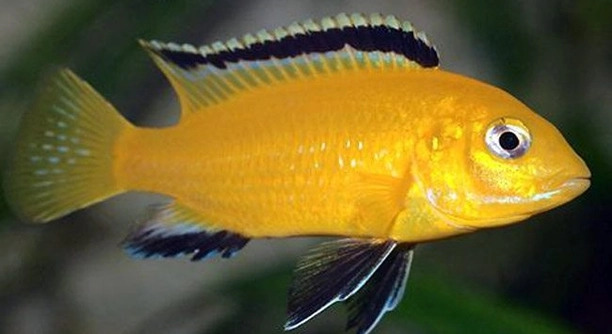
Female cichlids are fascinating creatures that form complex social groups. Observing these groups reveals behaviors that seem purposeful, from hierarchy formation to subtle interactions. Understanding their social patterns gives insight into their natural lives and well-being.
All-female cichlid groups exhibit consistent social structures, including dominance hierarchies, cooperative behaviors, conflict avoidance, and specific mating-related interactions. These patterns help maintain group stability, reduce stress, and promote survival, reflecting both innate instincts and learned behaviors within the aquarium environment.
Learning about these patterns can improve aquarium management and enhance the daily care of your fish. Recognizing subtle social cues supports healthier and more balanced group dynamics.
Dominance Hierarchies
In all-female cichlid groups, a clear ranking system often develops quickly. Dominant fish usually control access to prime territory, food, and resting spots, while subordinate fish adjust their behavior to avoid conflict. Observing these interactions can be fascinating, as subtle gestures, posture changes, and chasing behaviors establish the hierarchy. Even in a small tank, dominance is evident through territorial displays and the order in which fish eat. Subordinate fish learn to yield, and aggression is often minimized once the hierarchy is stable. Over time, this structure reduces constant fighting and stress, allowing the group to function more smoothly. These hierarchies are not fixed forever; shifts may occur when a dominant fish is removed or when younger fish grow. The system is flexible enough to maintain social order while still allowing opportunities for others to rise in rank. Maintaining a stable environment helps support this natural behavior and keeps the fish healthier overall.
Hierarchy provides stability and reduces conflict in all-female cichlid groups, helping the fish live more peacefully together.
Maintaining dominance hierarchies in aquariums requires careful observation and management. Avoid sudden changes in tank population or size, as these can disrupt the established order. Providing enough hiding spots and visual barriers allows subordinate fish to retreat safely, minimizing stress-related illness. Feeding in multiple locations ensures that all fish get adequate nutrition without escalating competition. Watching interactions over time helps identify aggressive patterns and ensures no fish is consistently bullied. When introducing new individuals, a gradual approach with quarantine and observation helps reduce immediate hierarchy disruptions. Tank decoration and territory markers can help replicate natural environments where dominance is expressed through space control rather than constant fighting. Understanding these dynamics makes managing female cichlid groups easier, creating a more balanced and peaceful aquarium where each fish can thrive.
Cooperative Behavior
Female cichlids often engage in cooperative behaviors, such as cleaning, territory defense, and synchronized movement. Cooperation helps maintain group stability and ensures everyone benefits from shared resources.
Cooperation is subtle but important, creating bonds that support group survival.
Observing cooperative behavior in aquariums is rewarding. Fish may work together to guard territory or alert each other to potential threats. Cleaning behaviors, like picking at algae or substrate, can also become group activities. Even activities like foraging may be coordinated, with subordinate fish learning safe ways to access food by following dominant individuals. Cooperation reduces energy wasted on constant conflict and fosters a more stable environment. Over time, these behaviors demonstrate how social structures benefit the group as a whole. Recognizing these patterns can help caretakers provide conditions that support cooperative behavior, such as well-spaced shelters and consistent feeding routines. Creating an environment that allows collaboration rather than competition improves both the physical health and overall well-being of the fish.
Do you want me to continue with the next two social patterns in the same format?
Conflict Avoidance
Conflict avoidance is common in all-female cichlid groups, helping maintain peace and reduce stress. Subordinate fish often retreat or display submissive behaviors to prevent escalation, while dominant fish may signal their authority without physical aggression.
Fish quickly learn the boundaries of others. Submissive gestures, like lowering fins or turning away, signal a willingness to avoid confrontation. Dominant fish often chase briefly but rarely sustain fights. Over time, this behavior reduces injuries and allows the group to coexist in a limited space. Tank layout can influence how effectively conflict is minimized. Hiding spots and visual barriers let fish escape aggressive displays, and providing multiple feeding locations reduces competition. Monitoring these patterns helps ensure a stable, low-stress environment.
Conflict avoidance strengthens group harmony, as fish learn to read social cues and respect established ranks. This behavior keeps stress levels lower and promotes healthier interactions.
Subtle Communication
Subtle communication is essential for coordination and social balance. Body posture, color changes, and small movements convey intentions without overt fighting.
These communications help fish maintain relationships and signal status within the group.
Observing subtle cues can reveal a lot about social dynamics. Dominant fish may flare fins slightly or shift body angles to assert presence, while subordinates respond with retreating or lateral displays. Color intensity often indicates mood or readiness to engage, signaling others to approach or back off. Even small movements, like swimming patterns or fin twitches, carry information that helps maintain order. Recognizing these behaviors can guide aquarium setup, ensuring visual access and space for natural interactions. Supporting these communications enhances group stability and allows the fish to express instincts safely within a controlled environment.
Careful attention to subtle signals can prevent unnecessary aggression and help maintain a peaceful tank atmosphere, ensuring the well-being of all fish.
Territory Management
Territory management is key in female cichlid groups. Each fish often claims a small area for resting, feeding, or hiding. Clear boundaries help reduce conflicts and ensure everyone has access to essential resources without constant fighting.
Providing plenty of hiding spots and visual barriers encourages healthy territory distribution. Fish respect these spaces, which lowers stress and allows subordinate fish to retreat safely. Proper tank decoration can simulate natural habitats, helping fish feel secure.
Social Grooming
Social grooming, such as picking at algae or substrate together, strengthens bonds and reduces tension among females. Cooperative grooming keeps the tank clean while supporting relationships that help maintain group stability and reduce conflict.
Resource Sharing
Resource sharing occurs when multiple fish access food or shelters without constant fighting. Dominant fish may eat first, but others often get adequate portions, maintaining fairness and group cohesion.
Mating-Related Behaviors
Even in all-female groups, mating-related behaviors like courtship displays or color changes can appear. These behaviors are often subtle and help reinforce social hierarchy and interaction patterns within the group.
FAQ
How do I know which female cichlid is dominant?
Dominant females often display confident body language, such as flaring fins, swimming in open areas, or eating first. They rarely hide and may briefly chase subordinate fish. Observing interactions over several days will show a consistent pattern, with certain fish controlling space and access to resources.
Why do subordinate fish stay hidden so much?
Subordinate females hide to avoid conflict and stress. Retreating to shelters or behind plants helps them feel safe and prevents unnecessary aggression from dominant fish. Over time, hiding behavior stabilizes the social group and reduces injuries.
Can all-female cichlid groups live peacefully long-term?
Yes, but it requires careful tank management. Providing enough space, hiding spots, and multiple feeding areas reduces stress and competition. Monitoring interactions and ensuring environmental stability supports long-term harmony. Dominance shifts may occur, but overall, the group can remain stable.
Do female cichlids cooperate in feeding or cleaning?
They do, often in subtle ways. Subordinate fish may follow dominants to safe feeding spots, and multiple fish may pick at algae or substrate together. Cooperation minimizes conflict and encourages group cohesion while keeping the tank clean.
How important is tank decoration for social behavior?
Very important. Rocks, plants, and barriers create territories, allow hiding, and reduce visual stress. Decor simulates natural habitats, supports dominance hierarchies, and gives subordinate fish safe retreat zones, all contributing to a healthier social environment.
Will new females disrupt the social order?
Introducing new fish can temporarily disrupt hierarchy. Gradual introduction with quarantine helps minimize aggression. Newcomers should have hiding spots and enough space to establish their own position without constant confrontations.
Why do I see subtle color changes in females?
Color changes communicate mood, stress, or readiness to interact. Dominant fish may display brighter colors to assert status, while subordinates show paler shades as a submissive signal. Understanding these cues helps prevent conflicts and promotes balanced group dynamics.
Do female cichlids ever fight seriously?
Serious fights are rare in stable groups but can happen during dominance challenges or when space is limited. Ensuring sufficient territory, hiding spots, and consistent feeding reduces the chance of harmful aggression. Minor chasing is normal and part of social structure maintenance.
Can I have only female cichlids without affecting their natural behavior?
Yes. All-female groups maintain natural social structures, including dominance, cooperation, and subtle communication. While mating-related behaviors may appear, they do not require males and do not disrupt group stability when managed properly.
How can I tell if the group is stressed?
Signs of stress include excessive hiding, loss of color, fin clamping, or constant chasing. Monitoring behavior and tank conditions regularly helps address problems quickly. Providing stable water parameters, space, and hiding spots alleviates stress and supports overall health.
What is the best way to feed an all-female cichlid group?
Feed small portions in multiple locations to reduce competition. Observing feeding order helps ensure all fish get enough food, especially subordinate individuals who may wait for dominant fish to finish. Consistent schedules support stable social behavior.
How often should I monitor social interactions?
Daily observation is ideal. Noticing subtle communication, chasing, or cooperation patterns allows early intervention if issues arise. Keeping a routine check helps maintain harmony and ensures the group remains healthy over time.
Do subordinate fish ever become dominant?
Yes, dominance can shift, especially if a dominant fish is removed or weaker fish grow stronger. These changes are natural and part of flexible social structures, reflecting adaptability within the group.
Can stress affect the hierarchy?
Stress can temporarily disrupt ranks. Poor water quality, overcrowding, or sudden changes in the tank can make subordinate fish more defensive or provoke aggression. Maintaining a stable environment helps preserve social order and fish health.
How can I encourage cooperative behavior?
Provide multiple feeding points, enough space, and regular environmental enrichment. Avoid overcrowding and sudden changes. Over time, females learn to interact safely, share resources, and support group stability naturally.
This FAQ addresses the most common concerns in managing all-female cichlid groups, highlighting their natural social patterns and ways to support peaceful, healthy interactions. Proper observation and environmental management allow these fish to thrive in captivity while maintaining their innate behaviors.
Final Thoughts
Female cichlids are fascinating fish with rich social behaviors that are worth observing closely. Even in all-female groups, these fish display complex interactions, from clear dominance hierarchies to cooperative behaviors that help the group function smoothly. Each fish has a role, whether asserting authority, avoiding conflict, or engaging in subtle communication to maintain balance. Understanding these social patterns helps in creating a stable and healthy environment, both for the fish and for the person caring for them. Observing their behavior over time gives insight into their needs and preferences, such as territory, feeding order, and preferred hiding spots. The more familiar you become with these behaviors, the easier it is to support a peaceful and productive aquarium setup. Recognizing the signs of stress, aggression, or cooperation is crucial to ensuring that all fish have the opportunity to thrive and express natural behaviors safely.
Maintaining all-female cichlid groups requires careful management of space, resources, and environmental stability. Proper tank layout is essential, with plenty of hiding places, visual barriers, and multiple feeding spots to reduce conflict and promote harmony. Regular observation of social interactions helps identify changes in hierarchy or unusual behavior early, allowing timely intervention when necessary. Even subtle signals, such as color changes, fin positioning, or body posture, communicate a lot about the social structure and the mood of individual fish. Supporting these natural behaviors creates a more balanced group, where cooperation is possible, and conflicts are minimized. It is also important to remember that changes in the group, like introducing new fish or removing a dominant individual, can shift the hierarchy temporarily. By planning and managing these adjustments carefully, the social structure can remain stable, allowing subordinate fish to find their place without unnecessary stress or injury.
Taking the time to understand female cichlid behavior improves the overall well-being of the group and the satisfaction of managing them. These fish are intelligent and adaptable, responding to both environmental conditions and social cues from others in the tank. When cared for with attention to their natural tendencies, they demonstrate fascinating behaviors that are both educational and rewarding to watch. From dominance and territory management to subtle communication and cooperative interactions, each social pattern plays a part in keeping the group healthy. Providing a stable, enriched, and well-structured environment encourages these behaviors, reduces stress, and allows all fish to thrive together. Observing and supporting these social dynamics creates a more harmonious tank, where each female cichlid can express her natural instincts safely and effectively. In the end, understanding and respecting these patterns not only benefits the fish but also enhances the experience of keeping and appreciating them in captivity.

Hello,
If you enjoy the content that we create, please consider saying a "Thank You!" by leaving a tip.
Every little bit helps us continue crafting quality advice that supports the health, happiness, and well-being of pets around the world, for pets of all shapes, sizes, and species.
We really appreciate the kindness and support that you show us!