
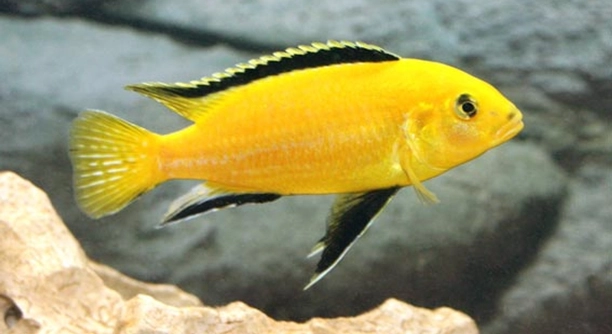
Are your cichlids showing subtle changes that leave you unsure about their well-being, making you wonder if hidden issues are affecting their health beneath the surface of their colorful and active daily behavior at times?
Uncommon cichlid health issues arise from overlooked factors including mineral irregularities, low grade parasites, environmental fluctuations, and nutrient gaps. Addressing these concerns with precise monitoring and corrective interventions supports stronger immune stability, improved physiological resilience, and healthier long term outcomes.
These subtle issues shape overall well-being, and understanding them helps you support healthier habits and stability throughout your cichlids routine.
Mineral Imbalances
Mineral imbalances can affect your cichlids in ways that are easy to miss, especially when the tank appears stable on the surface. These shifts often begin slowly, changing how your fish behave, eat, and interact with their surroundings. When levels drift outside ideal ranges, cichlids may show small signs that seem unrelated, yet these clues usually appear long before bigger issues arise. You may notice fading colors, reduced energy, or mild appetite changes, all of which can signal that something is off. Regular monitoring helps you catch these problems early, allowing you to correct them before they disrupt your aquarium more seriously. Adjusting water hardness, checking carbonate stability, and maintaining consistent conditions support healthier behavior and stronger resilience in your fish. Paying close attention to these details keeps your cichlids more comfortable and helps prevent issues that can develop quietly in the background over time in subtle unexpected and stressful.
Maintaining proper mineral balance supports stable biological processes in cichlids and reduces hidden stress factors that influence long term well-being. Regular testing, thoughtful adjustments, and careful observation allow you to correct irregularities early, keeping your fish healthier and more responsive to routine care within a consistently managed and properly supported.
Addressing mineral issues early helps your cichlids stay stable, active, and comfortable in their environment. Small adjustments can make a noticeable difference in their daily behavior, and observing these shifts helps you respond with confidence. When you keep mineral levels steady, your fish experience fewer disruptions and maintain healthier patterns overall. This approach encourages stronger coloration, better feeding habits, and improved social interactions. By staying consistent with testing and maintenance, you support a healthier tank that promotes long term stability. Subtle improvements add up, creating a more predictable space your fish can thrive in without unexpected stress affecting their routine.
Environmental Stress Factors
Environmental stress can develop quickly when conditions shift, even slightly, and cichlids often react before you notice any major change. Maintaining stable temperature, lighting, and water movement protects their daily rhythm and reduces subtle reactions that may interfere with their normal behavior patterns over time in ways that create unnecessary.
Cichlids respond strongly to environmental shifts, and even minor changes can influence how they act, eat, and interact with one another. Temperature instability, irregular lighting, and sudden movement in the water can create stress that builds quietly over time, affecting their overall well-being. When these conditions persist, cichlids may begin to hide more often, show duller coloration, or become less social, which can be mistaken for normal behavior. Identifying these patterns early allows you to correct the environment before the stress affects your entire tank. Maintaining consistent temperature with a reliable heater, keeping lighting on a steady schedule, and ensuring filtration creates smooth and stable flow all play a role in supporting healthier habits. Each adjustment promotes predictable conditions that help your fish remain calm and active throughout the day. Observing small changes in behavior helps you understand how your tank responds to routine care. Taking time to correct these issues promptly keeps your aquarium more balanced, steady, and supportive of long term stability. When the environment remains consistent, your cichlids adapt more easily to daily activity and maintain better health overall, making your care efforts more rewarding and effective while also reducing unnecessary strain that can quietly undermine progress.
Nutrient Absorption Problems
Nutrient absorption problems can appear slowly, showing up as dull colors, slight weight loss, or reduced activity that seems unrelated at first. These small signs often reflect gaps in the diet or difficulty processing certain nutrients that should support daily health and stable energy levels.
When nutrient issues persist, cichlids may struggle to maintain strong immunity, making them more sensitive to small changes in their environment. Offering a balanced diet with varied proteins, vitamins, and minerals helps support better digestion and consistent nutrient uptake. Watching how your cichlids respond to new foods can guide you toward combinations that work better for their needs. Ensuring food is fresh, properly sized, and easy for them to consume also helps reduce waste and supports cleaner water. These habits encourage steady growth and healthier habits over time while giving your fish the nutrients they require each day.
Correcting nutrient gaps early helps your cichlids maintain bright coloration, smoother swimming patterns, and a more predictable appetite. Consistent feeding routines make it easier to track changes and adjust as needed. Offering occasional supplements can support areas your fish may struggle with, especially during times of stress or seasonal shifts. Gradually introducing higher quality foods improves overall stability without overwhelming their system. These simple changes keep your cichlids more resilient and active, leading to a tank environment that supports long term health and balanced behavior.
Hidden Parasitic Irritations
Hidden parasitic irritations often begin with minor behavior changes like brief scratching, short bursts of sudden movement, or slightly reduced appetite. Even when symptoms seem mild, these early reactions may indicate small parasites affecting skin, gills, or internal systems in subtle ways that develop quietly over time.
Identifying these irritations early supports quicker correction and helps prevent more complicated issues later on. Regular observation, steady water quality, and consistent tank hygiene reduce the chances of parasitic spread. When symptoms appear, using targeted treatments designed for sensitive fish helps protect cichlids without overwhelming their system. Quarantining new arrivals prevents accidental introduction of unwanted organisms. Watching how your cichlids behave during feeding and resting periods provides helpful clues about their comfort levels and overall condition. Careful attention to these details protects your tank from unnecessary stress and keeps your fish healthier and more stable as they continue adapting to their environment.
Bacterial Sensitivities
Bacterial sensitivities often begin with subtle shifts, like slower movement or a mild decline in appetite that feels easy to overlook. These early signs usually reflect irritation from low level bacteria lingering in the water or affecting the skin in a way that disrupts normal comfort.
Addressing these sensitivities early helps your cichlids stay steady and active. Regular water changes, gentle filtration, and avoiding overcrowding reduce the chance of lingering bacteria building up. When symptoms appear, using mild targeted treatments supports recovery without adding stress, helping your fish return to predictable habits and stable daily behavior.
pH-Related Irritations
pH-related irritations influence how cichlids breathe, eat, and interact with their surroundings. Even small fluctuations can create discomfort that changes their patterns throughout the day. Keeping the pH stable through regular testing and steady maintenance prevents sudden shifts that may irritate their skin or gills. Adjusting pH slowly protects them from unnecessary stress and allows them to adapt comfortably. When you maintain consistent levels, your fish stay more active, show better coloration, and respond more naturally during feeding and routine care.
Oxygen Fluctuations
Oxygen fluctuations affect how easily your cichlids breathe and move through the tank, especially during warmer periods or low circulation. Keeping steady aeration prevents dips that interrupt their activity and ensures they remain comfortable and responsive in their environment.
FAQ
What signs suggest my cichlid may be experiencing uncommon health issues?
Uncommon health issues often begin with very subtle changes that feel easy to miss during daily care. You may notice softer coloration, short pauses in activity, slightly unusual swimming, or mild hesitation during feeding. These small differences may appear inconsistent at first, but they often repeat over time. Some fish will isolate themselves, rest more often in hidden spots, or react more strongly to movement around the tank. Even mild scratching, flicking, or quick bursts of motion can point to irritation that is not connected to the usual causes. Paying close attention to these patterns helps you understand when something deeper may be affecting your fish. Early recognition allows you to correct the issue before it affects the rest of the tank.
How can I reduce stress factors that contribute to hidden health problems?
Reducing stress begins with keeping everything stable so your cichlids can follow predictable routines. Consistency in temperature, lighting, feeding, and water movement helps your fish feel secure. Test the water regularly to confirm there are no unexpected shifts in pH, hardness, or mineral content. Avoid sudden changes such as rapid tank rearrangements or adding new fish without proper quarantine. These simple habits give your cichlids a sense of stability that supports stronger overall health. When the environment stays steady, early signs of stress become easier to spot, making correction more effective and less overwhelming for the fish.
What should I do if my cichlid shows repeated scratching or flicking?
Repeated scratching or flicking often suggests irritation that may be linked to parasites, pH imbalance, or mild bacterial activity. Start by checking water quality to confirm nothing has shifted. If parameters look normal, observe when and how often the behavior occurs. Light scratching once in a while can be normal, but repetitive motion usually means the fish is uncomfortable. Use gentle treatments designed for sensitive fish if parasites are suspected, and consider quarantining the affected fish if symptoms continue. Keeping the water clean, stable, and properly oxygenated gives them a better chance to recover without added strain.
How can I improve nutrient absorption in my cichlids?
Improving nutrient absorption begins with offering varied and high quality foods in portions they can finish comfortably. Include protein rich options along with vitamin rich choices that support digestion and immune function. Rotate foods to prevent gaps in their diet and watch how your fish respond. If certain foods cause sluggishness or reduced interest, switch to options that seem easier for them to digest. You can also include occasional supplements when needed, especially during periods of stress or growth. Keeping feeding routines steady helps your fish absorb nutrients more reliably.
Why do oxygen dips affect cichlids so quickly?
Oxygen dips influence how effortlessly your cichlids breathe and move through their environment. These dips often occur during warmer periods or when the tank has low surface movement. Since cichlids rely on steady oxygen levels to maintain energy, even a small decline can cause them to breathe harder or stay near the surface. Adding gentle aeration, improving circulation, and keeping the water clean prevents these dips from interrupting their comfort. When oxygen levels stay consistent, your fish remain more active, stable, and responsive.
How can I prevent hidden issues from spreading to the rest of the tank?
Prevention starts with consistent observation. When you notice unusual behavior, isolate the issue quickly by watching which fish show symptoms. Quarantine new fish before adding them to your main tank to avoid introducing unwanted problems. Keep your maintenance schedule steady to prevent bacteria, parasites, or environmental imbalances from building up quietly. Clean filters regularly, avoid overfeeding, and make sure the tank is not overcrowded. These habits protect your fish from issues that develop slowly and often go unnoticed until they become more serious. By staying attentive and consistent, you create an environment that keeps hidden problems from taking hold and spreading.
Final Thoughts
Caring for cichlids involves more than providing food and clean water. Observing subtle changes in behavior, coloration, and activity can reveal underlying health issues before they become serious. Many uncommon health problems develop gradually, making them easy to miss if you only focus on obvious symptoms. Paying attention to details, like slight changes in appetite, minor scratching, or reduced social interaction, can provide important clues about your fish’s well-being. Consistent observation helps you understand normal behavior patterns, making it easier to notice when something is off. Over time, this awareness becomes second nature, allowing you to respond quickly to small issues and prevent them from escalating. This approach also strengthens your confidence in managing your aquarium and ensures that your cichlids have a healthier and more stable environment in which to thrive.
Maintaining proper water quality is critical to preventing uncommon health issues. Regular testing for pH, mineral levels, and oxygen content ensures that your fish live in conditions that support natural physiological functions. Sudden shifts in temperature, light cycles, or water chemistry can create stress that weakens immune systems, making cichlids more vulnerable to parasites, bacterial infections, or nutrient absorption problems. A steady routine that includes partial water changes, careful feeding, and proper filtration helps maintain balance and reduces the risk of these subtle health challenges. Providing a varied diet with high-quality ingredients ensures that cichlids receive essential nutrients, which strengthens resilience and promotes consistent growth. Being proactive in monitoring both behavior and environment allows you to address potential problems before they affect your fish more seriously, improving their quality of life and creating a more predictable, calm tank atmosphere.
Supporting the long-term health of cichlids requires a combination of observation, maintenance, and thoughtful care. By identifying early signs of stress or illness, you can take corrective action quickly, whether it’s adjusting water chemistry, introducing minor dietary changes, or treating small infections. Understanding how different factors interact—environmental conditions, nutrition, and potential parasites—helps you provide a stable space that encourages natural behavior, active feeding, and social interaction. While some issues may be uncommon, they are manageable when approached with careful attention and consistency. Consistency and attentiveness create a positive feedback loop: healthy fish are more active and colorful, making it easier to spot changes, which in turn allows for timely intervention. Overall, combining routine maintenance, careful observation, and a commitment to balance ensures your cichlids remain healthy, resilient, and thriving in an environment that meets their physical and behavioral needs.

Hello,
If you enjoy the content that we create, please consider saying a "Thank You!" by leaving a tip.
Every little bit helps us continue crafting quality advice that supports the health, happiness, and well-being of pets around the world, for pets of all shapes, sizes, and species.
We really appreciate the kindness and support that you show us!