
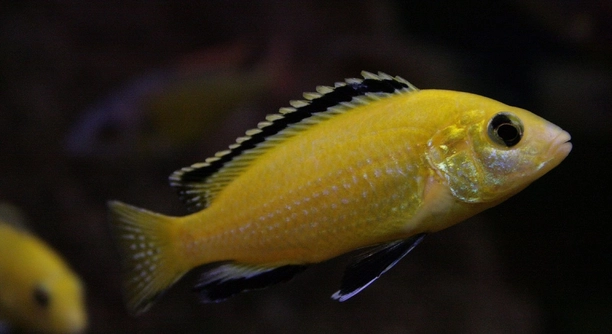
Cichlids are fascinating fish known for their bright colors and active behavior in aquariums. They rely on more than just water currents to navigate, often using their sight to interact with their surroundings and other fish.
Cichlids depend heavily on vision for essential behaviors including foraging, identifying mates, defending territories, recognizing social hierarchies, avoiding predators, caring for eggs or fry, and exploring new environments. Visual cues are central to their survival and social interactions.
Understanding how cichlids use sight can improve aquarium care and help maintain healthier, more active fish in home tanks.
Foraging for Food
Watching my cichlids search for food is always interesting. They rely on their sharp vision to spot even small pieces of food drifting in the water. Bright colors and movement catch their attention, helping them distinguish edible items from debris. In crowded tanks, visual cues allow them to quickly locate what they need without wasting energy. Some cichlids also use patterns and contrasts on surfaces to find hidden insects or pellets. Vision helps them anticipate where food will fall when feeding occurs. Even in low-light conditions, they adjust by focusing on shapes and motion rather than color alone. Over time, cichlids seem to remember where feeding areas are, often returning to familiar spots, showing that their vision works with memory. Observing these behaviors makes it clear that sight is central to their feeding habits. Their ability to detect tiny movements ensures they get enough food to stay healthy and active.
Cichlids use visual cues to efficiently locate food, distinguishing edible items from debris, and adapting to changing light and tank conditions to maximize foraging success.
Their keen eyesight not only aids in spotting food but also in avoiding potential dangers. This sharp vision keeps them alert and responsive in their environment.
Recognizing Mates and Rivals
Cichlids often use visual signals to identify potential mates or rivals. Color patterns, body posture, and fin displays send messages about readiness to breed or defend territory. Bright colors can indicate health, while subtle changes show aggression or submission.
During mating, males display vibrant patterns and exaggerated movements to attract females. Females observe these signals carefully, using vision to choose partners with the strongest traits. Rival males also interpret these visual cues to decide whether to challenge or retreat. Territory defense relies on noticing movement and posture from a distance, often preventing unnecessary fights. Visual recognition extends to remembering previous interactions with other fish. Fish can recall competitors and mates by their appearance, which influences future behavior. This reliance on sight ensures breeding success, reduces conflicts, and maintains social structures within the tank. Clear water and adequate lighting enhance these interactions, allowing cichlids to express their natural behaviors fully. Observing them communicate visually can be surprisingly engaging and informative for anyone keeping them.
Avoiding Predators
Cichlids rely on sharp vision to spot predators early. Quick detection allows them to hide among rocks, plants, or crevices. Movement and shape alert them to potential threats before physical danger arrives.
When a predator enters their territory, cichlids scan the surroundings constantly. They notice subtle shifts in shadows or the faint movement of fins from other fish. This awareness helps them react instantly, darting to cover or freezing to avoid attention. Even in a tank with multiple species, their eyesight helps distinguish between harmless neighbors and potential threats. Vision also plays a role in group dynamics, allowing them to follow the behavior of other fish and respond collectively to danger. Fast reflexes combined with acute visual perception significantly improve survival, especially in open areas with little hiding space. In many cases, the ability to detect threats early outweighs size or strength, showing just how vital sight is for cichlids’ safety.
Sharp eyesight in cichlids enables them to recognize subtle signs of danger, maintain awareness of their surroundings, and respond effectively to threats.
Caring for Eggs and Fry
Cichlids watch over their eggs and fry using vision to ensure they stay safe. They detect movement, spotting any potential danger or intruders that approach the nest.
Parents often hover close to their eggs or young, constantly scanning the area. They use visual cues to guide fry back to shelter when threats appear. Fry movements also signal hunger or distress, prompting immediate attention from adults. Parents can distinguish between their own young and others, preventing accidental neglect or aggression toward unrelated fry. Brightly colored eggs or tiny fry are easier to monitor in well-lit areas, showing that tank lighting impacts care behaviors. Visual vigilance continues until fry are strong enough to explore independently, demonstrating the importance of eyesight in early survival. This careful observation ensures higher survival rates and healthier growth for the next generation.
By relying on visual observation, cichlid parents manage safety, feeding, and movement of their young, increasing chances of survival in dynamic environments.
Exploring New Territories
Cichlids use vision to map their surroundings. Clear sight helps them navigate rocks, plants, and open spaces without bumping into obstacles.
When moving into a new area, they observe landmarks and detect subtle changes in the environment. Vision allows them to remember safe paths and hiding spots for future visits.
Establishing Social Hierarchy
Cichlids rely on visual signals to maintain social order. Body posture, fin displays, and color intensity communicate dominance and submission. Observing others’ behavior helps each fish adjust its actions, avoid unnecessary fights, and secure its place in the group.
Selecting Hiding Spots
Vision guides cichlids in choosing effective hiding places. They evaluate spaces for safety, cover, and escape routes, ensuring protection from threats or aggressive tankmates.
How important is vision for cichlids compared to other senses?
Vision is extremely important for cichlids and often takes priority over other senses like smell or lateral line detection. While their sense of smell helps with food and recognizing chemicals in water, sight allows them to react instantly to movement, identify other fish, and navigate complex environments. They rely on visual cues for social interactions, mating behaviors, and recognizing predators. In many cases, vision determines immediate survival, such as spotting a threat or locating food before competitors. This shows that maintaining good water clarity and proper lighting in the tank is crucial for their wellbeing.
Can poor lighting affect cichlids’ behavior?
Yes, poor lighting can significantly affect how cichlids behave. Without adequate light, they may struggle to find food, recognize mates, or respond to rivals. Fry and eggs are particularly vulnerable, as parents cannot monitor them as effectively. Low light may increase stress, reduce feeding efficiency, and lead to more conflicts because fish cannot clearly interpret signals. Observing cichlids under different lighting shows how their activity and interactions change. Providing balanced lighting that mimics their natural environment helps them maintain normal behavior, ensures proper feeding, and supports breeding efforts.
Do cichlids recognize individual tankmates?
Cichlids do recognize individual tankmates visually. They remember the appearance of other fish, which influences future interactions. Dominant or aggressive fish are quickly identified, and subordinate fish adjust their behavior accordingly. This visual memory prevents repeated conflicts and helps establish stable hierarchies. Recognition also plays a role in breeding, as fish remember previous mates and can differentiate between their own fry and unrelated young. Tanks with similar-looking fish may require careful observation to ensure interactions remain balanced, but cichlids’ ability to distinguish individuals is impressive and shows just how much they rely on sight in daily life.
How do cichlids use vision during feeding?
Cichlids use sight to spot food quickly and determine what is safe to eat. They watch for movement, color, and size to identify edible items. In community tanks, vision helps them compete effectively, noticing when food is dropped and moving swiftly to grab it. Visual acuity also allows them to target prey like insects or smaller fish in species that are more carnivorous. Even in low-light conditions, they detect motion to feed efficiently. Observing cichlids during feeding reveals how precise their eyes are, tracking tiny particles or rapidly moving food in a way that other senses alone could not manage.
Why do cichlids display different colors?
Color changes in cichlids are often visual signals. Bright colors can indicate health, strength, and readiness to mate, while muted or darkened colors can show submission, stress, or illness. Fish observe these visual cues closely to make decisions about mating, territory defense, and social interactions. Dominant males often display the brightest patterns to assert authority and attract females, while less dominant fish use subdued colors to avoid aggression. Lighting affects how colors appear, and clear, stable water helps them communicate accurately. Understanding color behavior can improve care and breeding success in home aquariums.
Can cichlids see well in murky water?
Cichlids can still rely on vision in slightly murky water, but their effectiveness decreases. They may rely more on movement and contrast rather than fine details. In heavily cloudy water, fish may become more cautious, reduce activity, or rely more on other senses. Providing a clean tank with clear water ensures they can use vision effectively for feeding, breeding, and avoiding threats. Observing their behavior in different water conditions shows how sensitive they are to visibility and highlights the importance of regular water maintenance.
How does vision help in breeding and fry care?
Parents closely watch eggs and fry, responding to signs of danger, hunger, or movement. Visual monitoring allows them to guide fry to shelter and protect them from aggressive tankmates. Recognizing their own young ensures care is directed correctly, preventing accidental aggression. In species with mouthbrooding behavior, visual cues help parents judge when fry are ready to leave or return to the mouth. Good lighting and clear water are essential, as these behaviors depend entirely on seeing the eggs and fry. Visual observation is key to survival and growth of the next generation, making vision a central factor in breeding success.
Do cichlids use vision to interact socially?
Yes, cichlids rely on sight to communicate with tankmates. Body posture, fin displays, and color patterns signal dominance, submission, or readiness to breed. Fish observe these cues to decide when to assert themselves or retreat. Visual recognition also allows long-term memory of interactions, reducing repeated conflicts. Tanks with clear visibility encourage normal social behavior, while poor conditions can increase stress and misunderstandings. Watching their interactions demonstrates how much visual cues drive daily life, from territory defense to forming bonds and maintaining order within the group.
How can I improve my cichlids’ visual environment?
Ensuring good water clarity, adequate lighting, and proper tank layout enhances their visual environment. Rocks, plants, and open spaces provide landmarks and hiding spots, allowing fish to navigate confidently. Balanced lighting helps them display colors accurately, communicate visually, and feed efficiently. Avoid overly bright or dim conditions, as extremes can stress fish and disrupt behavior. Regular water changes and filtration support clarity, while decorations provide structure. Observing cichlids in these conditions shows more natural, active behavior and healthier interactions, demonstrating how important the visual environment is to their wellbeing.
This FAQ highlights how deeply cichlids depend on vision for survival, social life, feeding, and reproduction. Proper care ensures they can see clearly and behave naturally in aquariums.
Cichlids are remarkable fish that rely on vision for almost everything they do. From finding food to recognizing mates, their eyesight plays a central role in their daily life. Unlike some fish that depend mostly on smell or vibrations, cichlids use sight to interpret their surroundings and respond to changes. Watching them in an aquarium can be surprisingly informative. You can see how they navigate rocks, plants, and open spaces with ease. Even small movements or changes in color are noticed immediately. Their visual acuity helps them survive, interact with others, and maintain social structures. This reliance on vision shows how essential clear water and proper lighting are in a home tank. Without these conditions, their natural behavior can be disrupted, affecting feeding, breeding, and social interactions.
Cichlids also use sight to communicate and establish order within a group. Visual signals like color changes, fin displays, and body posture send clear messages to other fish. Dominant individuals assert themselves with bright colors and confident movements, while submissive fish use muted patterns to avoid conflicts. These visual cues are not just for aggression—they also help in selecting mates and caring for young. Parents carefully observe eggs and fry, guiding them to safety and ensuring they are fed properly. In many species, mouthbrooding and other breeding behaviors depend entirely on visual observation. The ability to recognize individuals, remember previous interactions, and interpret social signals all come down to their eyesight. This demonstrates that vision is not only about survival but also about maintaining healthy social relationships and successful reproduction.
Taking care of cichlids means paying attention to their visual needs. Clear water, good lighting, and thoughtful tank arrangements make it easier for them to navigate, find food, and communicate. Decorations, plants, and rocks provide landmarks and hiding spots, making the environment safer and more stimulating. Observing cichlids under the right conditions allows them to behave naturally, showing the full range of their activity, color displays, and social interactions. Ensuring they have a proper visual environment improves their health, reduces stress, and encourages normal behavior. In the end, understanding how cichlids rely on vision helps us create better habitats, support their wellbeing, and appreciate their fascinating behavior in more detail.

Hello,
If you enjoy the content that we create, please consider saying a "Thank You!" by leaving a tip.
Every little bit helps us continue crafting quality advice that supports the health, happiness, and well-being of pets around the world, for pets of all shapes, sizes, and species.
We really appreciate the kindness and support that you show us!