
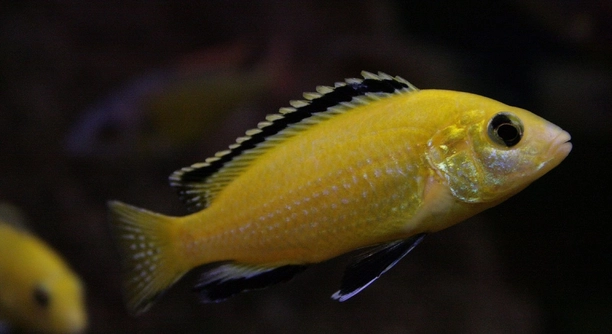
Many aquarium owners notice their electric yellow cichlid often stays near the filter. This behavior can seem puzzling, especially when the fish usually explores other parts of the tank. Observing this pattern can reveal important insights.
Electric yellow cichlids commonly remain near the filter due to water flow, oxygen concentration, territorial instincts, or stress factors. These areas often provide a combination of comfort, stimulation, and safety, making them preferred spots within the aquarium environment.
Understanding these behaviors can help you create a more comfortable habitat for your fish and maintain their health effectively. Observing these patterns closely will provide valuable insights.
Water Flow Preference
Electric yellow cichlids often linger near the filter because they enjoy areas with steady water movement. The current helps them exercise without expending too much energy. It also simulates their natural habitat, where flowing water is common. By staying near the filter, the fish can experience both stimulation and comfort. Some cichlids may even use this space to rest while remaining alert to their surroundings. Observing this behavior over time can help you understand their preferences. Filters also create micro-currents that the fish can explore, offering a small but enriching environment. Even small tanks benefit from this, as the fish finds a zone that combines both relaxation and activity. In some cases, fish spend more time here if other areas feel less secure. Providing additional hiding spots or gentle flow in other parts of the tank can help balance their activity. The filter area becomes a central part of their routine.
Filters attract electric yellow cichlids because of the gentle, consistent current. This flow provides comfort, stimulation, and easy movement.
Watching your fish interact with the filter area reveals much about their behavior and comfort level. Adjusting tank elements can enhance their overall well-being, making them more active and confident in other areas.
Oxygen Levels
Electric yellow cichlids also spend time near filters due to higher oxygen concentrations. Moving water increases surface agitation, which promotes oxygen exchange. This helps the fish breathe more easily, especially in tanks with higher stocking levels. Areas far from the filter may have slightly lower oxygen, making the filter zone more attractive. Fish instinctively seek oxygen-rich spots for long-term health.
Oxygen-rich areas near filters ensure the fish remain healthy, active, and stress-free. These zones can also help reduce aggressive behavior when the tank is crowded.
Higher oxygen availability can influence feeding and social behavior. Fish may spend more time near the filter during feeding if water flow disperses food evenly. When multiple fish compete, oxygen-rich areas reduce stress, promoting smoother interactions. Temperature fluctuations also affect oxygen levels, making the filter region a consistent, reliable space. In tanks with plants, oxygen levels may vary, but the moving water from the filter usually maintains balance. Understanding this behavior helps in planning tank layout and ensuring proper aeration. Providing additional circulation or aeration in other areas can distribute oxygen more evenly. Observing where your cichlid spends its time can guide adjustments, ensuring comfort while encouraging exploration beyond the filter zone. This attention supports both health and natural behaviors in your aquarium.
Territorial Instincts
Electric yellow cichlids often claim areas near the filter as part of their territory. This spot provides visibility and control over their surroundings. They feel secure and can monitor other fish without being directly challenged, making it a preferred location in the tank.
Territorial behavior is strong in electric yellow cichlids. The filter area offers both a vantage point and a defended zone. Fish can observe movements in the tank while remaining in a spot that feels safe. Dominant individuals often patrol near the filter to assert control and prevent intrusions. Even less aggressive cichlids use this area to establish a stable base, reducing stress during interactions. Over time, the filter zone becomes part of their regular routine, integrating both comfort and security. Maintaining consistent water conditions and visual barriers can help reduce conflicts while supporting their natural territorial instincts.
This territorial preference influences feeding, resting, and social behaviors. Fish often return to the filter area after exploring or interacting with others. Even minor tank rearrangements can shift these dynamics, showing how important this space is for maintaining confidence and routine. Recognizing this instinct helps you manage tank layout and monitor interactions effectively, ensuring the cichlid feels secure and less stressed.
Stress Reduction
Electric yellow cichlids often stay near the filter to feel safer. The flowing water masks sudden movements and noises, helping them remain calm. It becomes a retreat when the tank environment feels unpredictable or new.
Stress can reduce appetite, slow growth, and affect coloration in cichlids. The filter area provides a stable environment where they can rest without feeling exposed. By choosing this spot, fish manage stress naturally, creating a balance between exploration and safety. Observing stress-related behavior helps determine if tank conditions need adjustment, such as water parameters or hiding spaces, which support overall health and well-being.
Filters create subtle water movement and visual cover, both of which contribute to stress reduction. Fish often prefer areas near gentle currents because it reduces perceived threats. Stress is heightened in crowded tanks or with sudden changes in lighting, temperature, or water chemistry. By positioning themselves near the filter, cichlids can regulate their exposure and find consistency. Adding additional decorations or hiding places near other areas can encourage exploration while still offering safe zones. Understanding stress-related behaviors allows you to anticipate problems, improve habitat quality, and maintain a calm, healthy fish. Regular observation of how fish use the filter zone reveals their comfort level and can guide adjustments to tank layout or stocking practices.
Feeding Behavior
Electric yellow cichlids often stay near the filter because food particles circulate there. The moving water carries flakes or pellets, making it easier for them to catch and eat. This spot becomes a convenient feeding area in their daily routine.
This behavior ensures they don’t miss any food, especially in tanks with multiple fish. Staying near the filter allows them to access floating and sinking food efficiently, reducing competition and effort during feeding times.
Water Temperature
Electric yellow cichlids may remain near the filter because the water is slightly cooler and well-mixed. The consistent temperature prevents hot or stagnant spots, providing a comfortable environment for resting or swimming. Proper water circulation helps maintain stable conditions throughout the tank.
Social Observation
Fish near the filter can watch others without being directly involved. This allows electric yellow cichlids to monitor tankmates and maintain awareness of potential threats or changes in their environment, giving them a sense of control.
FAQ
Why does my electric yellow cichlid always stay near the filter?
Your cichlid likely prefers the filter area because it provides steady water flow, higher oxygen levels, and a sense of security. This location allows the fish to monitor its surroundings while resting, feeding, or avoiding stress from other tankmates.
Is it normal for them to hang there most of the day?
Yes, it is normal. Electric yellow cichlids often pick a spot in the tank that feels comfortable and safe. Spending most of the day near the filter does not indicate illness unless accompanied by other unusual behaviors, like lethargy, loss of appetite, or discoloration.
Could this behavior mean my tank conditions are wrong?
Sometimes. If a fish only stays near the filter and avoids the rest of the tank, it might be seeking better oxygenation or cooler water. Check water temperature, filtration efficiency, and oxygen levels to ensure other areas are suitable for exploration. Proper tank maintenance usually encourages more balanced movement.
Does being near the filter reduce stress?
Yes. The flowing water provides a constant, gentle current that helps cichlids feel secure. The movement also masks sudden disturbances in the tank, reducing perceived threats. Stress reduction near the filter supports healthy feeding, coloration, and natural behaviors.
Will my cichlid become aggressive if it claims the filter area?
Electric yellow cichlids are territorial by nature. Claiming the filter area may lead to mild aggression toward other fish, especially during feeding or when defending territory. Providing hiding spots and visual barriers can minimize conflicts while allowing the fish to keep its preferred zone.
Can multiple cichlids share the same filter area?
It depends on tank size and fish temperament. In larger tanks, several cichlids might tolerate sharing, but in smaller tanks, territorial disputes are common. Observing interactions helps you manage space and prevent bullying or stress among tankmates.
Should I move the filter if one fish dominates it?
Not necessarily. Moving the filter can disturb water flow and oxygen distribution. Instead, consider adding more hiding spots or creating gentle currents elsewhere in the tank to give other fish safe areas and reduce territorial tension.
Does food distribution affect this behavior?
Yes. Floating or sinking food often accumulates near the filter because the current carries it there. Your cichlid may spend extra time in this area to catch food efficiently, especially in tanks with multiple fish competing for meals. Feeding routines can influence this habit.
Could illness make my cichlid cling to the filter?
Illness can cause fish to isolate, but simply staying near the filter is usually not a sign of disease. Watch for other symptoms such as clamped fins, unusual swimming patterns, or changes in appetite. If these appear, check water parameters and consider veterinary advice.
How can I encourage my cichlid to explore other areas of the tank?
Introduce decorations, rocks, and plants to create attractive zones away from the filter. Ensure even water flow, stable temperature, and proper oxygenation throughout the tank. Gradual changes and additional hiding spots can motivate your cichlid to explore while still maintaining comfort.
Will adding a second filter change my cichlid’s behavior?
Adding another filter can redistribute water flow and oxygen levels. Your cichlid might explore more evenly or continue favoring one area. Observe responses carefully to avoid increasing stress or aggressive behavior, and adjust placement to maintain balance within the tank.
Is it okay if my cichlid rarely leaves the filter area?
Yes, if the fish is eating, swimming normally, and showing vibrant coloration. Some individuals naturally prefer one spot. The key is monitoring overall health and tank conditions to ensure the fish remains comfortable, safe, and active when necessary.
How long can this behavior last?
It can persist indefinitely. As long as tank conditions remain suitable, electric yellow cichlids may continue favoring the filter for months or years. Changes in tank setup, water quality, or companions can influence movement, but their preference for safe zones is often consistent.
Can tank size affect this habit?
Absolutely. Smaller tanks concentrate water flow and oxygen near the filter, making it more attractive. Larger tanks allow more distributed flow and oxygen, giving cichlids multiple areas to explore. Properly sized tanks reduce stress and balance territorial behavior.
Does filter type matter for this behavior?
Yes. Different filters create varying currents and oxygenation levels. Sponge filters, hang-on-back filters, or canisters can all attract cichlids differently. Understanding your filter’s flow pattern helps you anticipate where your fish will spend time and how to maintain comfort throughout the tank.
Can this behavior signal aggression toward other tankmates?
Sometimes. Dominant cichlids may patrol or defend the filter area. Observing interactions during feeding or territorial displays helps manage aggression. Providing extra space, hiding spots, and proper tank layout minimizes conflicts while allowing natural behaviors.
Should I worry if my cichlid ignores decorations and hides mostly at the filter?
Not necessarily. Many cichlids prefer the security of flowing water. Ensuring the tank has suitable hiding spots, consistent temperature, and clean water helps maintain well-being, even if the fish spends little time in other areas.
How can I tell if this is normal behavior?
Monitor appetite, activity, coloration, and interactions. If your cichlid eats well, swims actively, and displays natural colors, staying near the filter is likely normal. Significant changes in these indicators may require closer attention to water quality or health.
Will my cichlid adapt if I rearrange the tank?
Yes, but adaptation may take time. Territorial fish often return to familiar zones, so gradual rearrangements and consistent conditions help them explore safely. Adding new hiding spots or currents encourages activity without causing unnecessary stress.
Does the filter’s location impact breeding behavior?
It can. Electric yellow cichlids often choose secure, flowing areas for laying eggs or guarding fry. Filters may provide gentle current and protection, making them appealing for breeding. Observing behaviors during spawning helps you understand preferences and plan tank layout accordingly.
Are there ways to reduce dominance over the filter area?
Yes. Adding more circulation, decorations, and hiding spots redistributes attention and territory. Careful stocking with compatible tankmates and monitoring interactions prevents excessive aggression while maintaining comfort for all fish.
Can stress from tankmates increase time spent near the filter?
Yes. Aggressive or overly active fish elsewhere can push your cichlid toward the filter for safety. Providing multiple zones, visual barriers, and consistent environmental conditions can reduce stress and encourage more balanced exploration.
Is filter proximity always linked to oxygen levels?
Often, yes. Moving water near the filter improves oxygen exchange, which is particularly important in densely stocked or planted tanks. Fish instinctively seek these zones to maintain health, energy, and comfort. Monitoring oxygen distribution helps ensure the entire tank remains suitable.
How often should I check water conditions if my fish stays near the filter?
Regular checks are important. Even if your cichlid seems comfortable, monitor temperature, pH, ammonia, nitrites, and nitrates weekly. Stable conditions prevent health problems and ensure the fish continues to thrive without relying solely on the filter area.
Can multiple filters cause confusion or stress?
Potentially. If currents conflict, fish may avoid certain zones or show territorial tension. Observing behavior after adding a filter helps ensure water flow is balanced and safe, maintaining comfort and reducing stress.
Is this behavior different in juvenile cichlids?
Juveniles may spend more time exploring but still seek the filter for oxygen, comfort, or safety. As they grow, territorial instincts increase, often making the filter area more consistently favored for resting and observation.
How do I know if my cichlid is comfortable elsewhere in the tank?
Look for swimming, feeding, and interacting outside the filter zone. Occasional exploration, even briefly, indicates the tank is suitable. If the fish only stays at the filter, minor adjustments to flow, hiding spots, or decorations may encourage more balanced activity.
Can changing lighting affect filter preference?
Yes. Bright or uneven lighting may push the fish toward shaded areas near the filter. Adjusting light intensity and placement can make other areas more appealing while maintaining visibility and comfort throughout the tank.
Will seasonal changes affect this behavior?
Possibly. Temperature shifts or changes in natural light may influence movement and resting zones. Maintaining consistent water conditions and flow helps minimize seasonal effects, ensuring the filter area remains a preferred but not exclusive spot.
Does tank decor near the filter influence time spent there?
Yes. Rocks, caves, or plants near the filter create safe hiding spaces and comfortable resting areas. Fish often combine flowing water with visual cover, making decorated filter zones highly attractive. Proper placement encourages natural behaviors and reduces stress.
Can filter noise impact behavior?
Some cichlids are sensitive to vibrations or motor hum. Gentle, consistent filter noise usually goes unnoticed, but loud or irregular sounds may cause stress. Ensuring the filter runs smoothly and quietly supports comfort and consistent use of the area.
How can I balance oxygen, flow, and territory for multiple fish?
Distribute decorations, plants, and circulation evenly. Ensure oxygenation reaches all areas. Monitor territorial interactions and adjust stocking if needed. Proper layout reduces stress, encourages exploration, and ensures each fish has a safe zone while maintaining overall health.
Is spending too much time at the filter ever harmful?
Not usually, if the fish is healthy and active. Problems arise only if stress, poor water quality, or lack of stimulation limits natural behavior. Balanced tank conditions ensure comfort while allowing movement throughout the environment.
Can filter location affect tank cleaning routines?
Yes. Filters near busy fish zones may require careful handling to avoid stressing cichlids. Cleaning or maintenance during low activity periods minimizes disturbance while keeping water conditions optimal.
Do all electric yellow cichlids prefer the filter?
Not all. Preferences vary by individual, tank setup, and companions. While many are drawn to flowing water and oxygen-rich zones, some fish explore evenly or favor shaded, quieter areas. Observation is key to understanding each fish’s habits.
Can this behavior indicate happiness or well-being?
Yes. A fish that is eating, swimming actively, and showing bright coloration while spending time near the filter is generally healthy and comfortable. Consistent behavior near the filter often reflects a balance of security, oxygen access, and environmental satisfaction.
How do I create a tank environment that supports this behavior safely?
Provide even water circulation, adequate oxygenation, hiding spots, and stable water conditions. Balanced tankmates and decorations encourage exploration while preserving a safe filter zone. Observing responses ensures your cichlid remains comfortable and stress-free in its preferred space.
Is it normal for cichlids to patrol the filter area?
Yes. Territorial fish often move back and forth near the filter to assert dominance or monitor the tank. This behavior is natural and helps maintain a sense of control within their environment.
What signs indicate that filter preference is excessive?
Excessive preference may appear if the fish avoids other areas completely, shows aggression, or demonstrates stress-related behavior. Minor adjustments in tank layout, flow, and oxygen distribution usually resolve these issues.
Can adding plants or rocks elsewhere reduce filter dependency?
Yes. Additional hiding spots and shaded zones encourage exploration while still offering safe retreats. Placement away from the filter balances activity and reduces territorial dominance, promoting natural behavior throughout the tank.
How does tank size affect filter preference?
Smaller tanks concentrate flow and oxygen near the filter, making it more attractive. Larger tanks allow for multiple areas with suitable conditions, which can reduce dependency on one location and encourage exploration.
Is it important to monitor social interactions around the filter?
Absolutely. Aggression, bullying, or stress can occur if multiple fish compete for the filter zone. Observing behavior helps manage stocking, layout, and environmental conditions to ensure all fish remain healthy and comfortable.
Can filter placement affect breeding behavior?
Yes. Safe, flowing areas near filters may be chosen for egg-laying or guarding fry. Observing these zones during breeding helps maintain proper conditions and reduces stress for both parents and offspring.
How can I tell if my cichlid is content near the filter?
A content cichlid eats well, swims actively, shows bright coloration, and interacts naturally with tankmates. Consistent comfort near the filter often indicates proper oxygenation, flow, and environmental satisfaction.
Do juvenile cichlids use the filter differently than adults?
Juveniles explore more but still seek oxygen and safety near the filter. Adults show stronger territorial instincts, often making the filter area a preferred resting and observation spot.
What are the most common reasons cichlids favor the filter?
The primary factors include water flow, oxygen concentration, territorial instincts, stress reduction, feeding opportunities, and stable temperature. Together, these create a safe, comfortable zone that meets the fish’s physical and behavioral needs.
Can frequent water changes influence filter preference?
Yes. Fresh water increases oxygen levels, which may make the filter area temporarily more attractive. Consistent maintenance ensures the fish has multiple comfortable zones and reduces excessive dependency on a single area.
Is filter preference permanent or adaptable?
It is adaptable. While cichlids may favor the filter, changes in tank setup, decorations, or water flow can encourage exploration. Gradual adjustments help the fish feel safe while promoting balanced movement throughout the tank.
Can adding gentle current in other parts of the tank reduce filter dominance?
Yes. Additional gentle currents create appealing zones, allowing the fish to move and explore without leaving safety. This approach reduces territorial stress and encourages natural swimming behavior throughout the aquarium.
Does filter preference affect feeding behavior?
Yes. Fish often catch food near the filter because moving water distributes flakes or pellets efficiently. This behavior ensures easy access to nutrition while reducing competition with other tankmates.
How do I know if my cichlid’s filter behavior is healthy?
Healthy behavior includes regular eating, swimming, natural coloration, and occasional exploration beyond the filter. Monitoring these indicators ensures the fish is comfortable, secure, and thriving in its environment.
Are some cichlids more likely to favor the filter than others?
Yes. Individual personality, tankmates, and territorial tendencies influence preference. Some fish explore evenly, while others consistently choose oxygen-rich, flowing water zones near the filter. Observation helps understand each fish’s habits.
Can filter preference interfere with social dynamics?
It can if one fish dominates the area. Aggression or stress may occur with competing tankmates. Providing additional zones, hiding spots, and gentle currents supports a balanced social environment.
Does the type of food affect how often they stay near the filter?
Yes. Floating or slow-sinking food carried by the current attracts cichlids. They may linger longer to catch meals efficiently, especially in tanks with multiple fish or limited feeding areas.
Can temperature fluctuations increase filter preference?
Yes. Fish seek consistent, well-mixed water to avoid hot or stagnant spots. Filters provide gentle circulation that stabilizes temperature, making these areas more attractive during fluctuations.
Is it necessary to provide multiple safe zones besides the filter?
Yes. Additional zones reduce stress, allow exploration, and balance territorial behavior. Rocks, caves, or plants in other areas encourage natural movement and give fish options beyond the filter area.
How often should I observe my cichlid’s filter behavior?
Daily observation is ideal. Tracking patterns helps identify stress, illness, or environmental issues early. Noting time spent near the filter provides insight into comfort, oxygen needs, and social dynamics.
Can filter proximity affect swimming exercise?
Yes. Staying in one spot may limit swimming. Encouraging gentle currents or creating attractive zones elsewhere promotes movement and overall physical health while maintaining a safe filter zone.
Does filter preference change over time?
It can. As fish grow, gain confidence, or experience environmental changes, they may explore more or continue favoring the filter. Observing trends helps ensure proper tank management.
Can multiple fish preferring the filter cause oxygen depletion?
Possibly. Crowding reduces oxygen availability locally. Proper tank size, aeration, and circulation prevent depletion while maintaining comfort for all fish in the shared zone.
Is it normal for cichlids to return to the filter after exploring?
Yes. Returning to a preferred zone provides safety, oxygen, and comfort. Even confident fish often revisit familiar areas for reassurance and rest.
How can I tell if a cichlid’s filter preference is linked to stress?
Watch for signs like hiding, clamped fins, reduced appetite, or erratic swimming. If these appear, assess water quality, tankmates, and environmental conditions to reduce stress and support well-being.
Can filter preference be influenced by tank lighting?
Yes. Bright or uneven lighting may drive fish to shaded filter areas. Adjusting light intensity or placement creates attractive conditions throughout the tank, reducing overreliance on one spot.
Does filter preference affect breeding success?
Potentially. Fish choose safe, flowing areas for eggs or fry. Providing suitable filter zones ensures comfort during breeding and improves offspring survival.
How can I make other areas appealing besides the filter?
Add decorations, caves, and gentle currents to distribute oxygen and stimulation evenly. This encourages exploration while maintaining comfort and safety, reducing territorial stress around the filter.
Are there signs of boredom if the fish stays near the filter too much?
Yes. Limited movement or lack of interaction may indicate insufficient stimulation. Introducing new objects, plants, or gentle currents encourages engagement and natural behavior.
Can filter placement affect water clarity and waste accumulation?
Yes. Filters near high-traffic areas may accumulate debris quickly. Regular maintenance ensures clean water and reduces the risk of stress or disease.
How do I know if my cichlid is comfortable in the filter area?
Signs include relaxed swimming, normal feeding, vibrant colors, and calm interactions with tankmates. Comfort is indicated by consistent, confident behavior without signs of stress or illness.
Is filter preference different between male and female cichlids?
Males often show stronger territorial behavior, defending the filter area more aggressively. Females may prefer the zone for oxygen, safety, or resting but are generally less dominant.
Can water hardness or pH affect filter preference?
Yes. Fish may seek zones where water conditions feel stable. Filters provide consistent mixing, reducing extremes in pH or hardness, making these areas attractive for resting or feeding.
Do older cichlids behave differently near the filter?
Older fish may be less exploratory and favor safe, oxygen-rich zones. Filters provide a reliable environment that meets their comfort and energy needs.
Can filter preference indicate overall tank health?
Partly. Consistent, healthy behavior near the filter suggests good water flow, oxygenation, and safety. Observing habits helps detect early signs of imbalance or stress.
How can I ensure multiple cichlids are happy with the filter placement?
Provide enough space, multiple hiding spots, and even water flow. Monitor interactions to prevent aggression, stress, or over-crowding in the filter zone
Electric yellow cichlids are fascinating fish that often spend a lot of time near the filter. This behavior is natural and can be caused by several factors, including water flow, oxygen levels, and a sense of security. Filters provide gentle currents that allow the fish to swim without using too much energy. The moving water also helps distribute oxygen evenly, making the area more comfortable for the fish to rest and feed. Observing your cichlid’s habits near the filter can give you insight into how it interacts with its environment and how it responds to other fish in the tank. These areas often become familiar spots where the fish feels safe and in control. Understanding this behavior can make it easier to manage your tank and ensure your cichlid stays healthy and calm.
Filters also serve as an important location for stress reduction. Electric yellow cichlids are naturally territorial and sometimes cautious around other fish. By staying near the filter, they can monitor their surroundings while feeling protected. This is particularly helpful in tanks with multiple fish or in environments where changes occur, such as new decorations or water adjustments. The filter zone provides a stable and predictable environment, which helps reduce stress and promotes normal feeding and social behavior. Even small changes in water temperature or oxygen levels can influence where your cichlid chooses to spend its time. Creating additional areas with gentle flow or hiding spots can encourage exploration without removing the security provided by the filter area. This balance helps fish feel safe while still maintaining natural activity levels.
Finally, understanding why your cichlid favors the filter can improve overall tank management. Knowing that water flow, oxygenation, territorial instincts, and stress reduction play a role allows you to adjust tank setup appropriately. Providing multiple safe zones, hiding spots, and well-distributed currents ensures that all fish can find comfort without competing excessively for the filter area. Observing your fish regularly helps identify signs of stress, illness, or changes in behavior, which can be addressed promptly. Over time, your cichlid may explore more areas of the tank if the environment is supportive and stimulating. Ultimately, the filter is an important feature for electric yellow cichlids, offering both safety and comfort. Properly managing the tank with these factors in mind ensures a healthier, calmer, and more active fish while maintaining harmony among all tank inhabitants.

Hello,
If you enjoy the content that we create, please consider saying a "Thank You!" by leaving a tip.
Every little bit helps us continue crafting quality advice that supports the health, happiness, and well-being of pets around the world, for pets of all shapes, sizes, and species.
We really appreciate the kindness and support that you show us!