
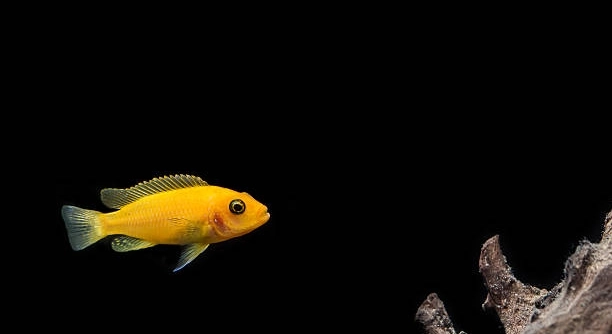
Electric Yellow Cichlids are popular in home aquariums for their bright color and lively behavior. They share many characteristics with their Mbuna relatives, which are known for strong social interactions and territorial instincts. Observing these traits can help hobbyists.
Electric Yellow Cichlids exhibit shared traits with Mbuna, including territorial behavior, vibrant coloration, complex social structures, consistent feeding patterns, aggressive defense of resources, adaptable breeding strategies, and a strong sense of hierarchy within groups, reflecting their evolutionary lineage.
Recognizing these common traits will help aquarium enthusiasts better understand their fish and maintain a balanced, thriving tank environment.
Vibrant Coloration and Patterns
Electric Yellow Cichlids are instantly recognizable for their bright yellow hue, which they share with many Mbuna species. This coloration serves multiple purposes, from attracting mates to establishing dominance within their territory. In aquariums, the intensity of their color can indicate health, diet quality, and overall stress levels. A well-fed, unstressed cichlid often displays brighter colors, while pale or dull shades may signal illness or unsuitable water conditions. Like Mbuna, these fish use their color to communicate with other tank mates, signaling aggression, submission, or readiness to breed. Maintaining stable water parameters, providing a varied diet, and offering adequate hiding spots can help these fish retain their vivid appearance. Watching them interact, it is fascinating to see how color changes play a role in social hierarchies. Over time, observing these visual cues allows for better care and a more harmonious aquarium environment.
Bright coloration also helps distinguish individuals in mixed-species tanks.
Their bright tones are more than aesthetic; they reflect health, diet, and social interaction, helping manage tank harmony and breeding behaviors effectively.
Territorial Behavior
Electric Yellow Cichlids can be very protective of their space, similar to Mbuna.
These fish often stake out specific areas of the tank as their own, defending them against intruders. Territorial behavior is most evident during feeding and breeding, where males show heightened aggression to secure resources. Tank setup greatly influences these dynamics; providing rocks, caves, and visual barriers can reduce conflict. Observing how they patrol and defend territories provides insight into their social structure. Too small a space or overcrowding increases stress, leading to injuries or long-term health issues. A balanced tank allows each fish to maintain its own area while interacting safely with others. Recognizing these patterns early can prevent aggressive outbreaks and promote a calmer, more organized community. This behavior reflects their natural instincts inherited from Mbuna relatives, showing how evolution has shaped their social strategies over time. Proper care and observation make a significant difference in keeping territorial cichlids healthy.
Complex Social Structures
Cichlids, including Electric Yellow and Mbuna, maintain clear social hierarchies within their groups.
Dominance is established through displays, chasing, and occasional nipping. Subordinate fish recognize these boundaries and adjust behavior to avoid conflict. Group size and tank layout influence these social interactions. Observing these behaviors helps identify stress or aggression early, ensuring balanced group dynamics and healthier fish.
Social structures affect feeding, breeding, and territory use. Males often assert dominance through color changes and fin displays, while females form smaller hierarchies to access resources. Recognizing each fish’s rank allows better management of space and interactions, reducing stress-related illness. A structured environment supports natural behaviors.
These hierarchies also influence breeding success and resource access. Fish that understand and respect the social order tend to thrive, while disruption can lead to injury or stunted growth. Tank arrangement and monitoring are key.
Feeding Patterns
Electric Yellow Cichlids follow consistent feeding habits similar to Mbuna species, grazing throughout the day.
They prefer a diet of high-quality flakes, pellets, and occasional live or frozen foods. Feeding in small amounts several times a day prevents overeating and maintains water quality. Observing feeding behavior indicates health, appetite, and potential social stress.
Maintaining regular feeding routines supports natural activity levels and reduces competition. Overfeeding can lead to obesity and algae growth, while inconsistent feeding may cause aggression or stress. Monitoring how each fish approaches food helps identify dominant and shy individuals. Proper feeding practices foster healthier, more active fish.
Aggressive Defense of Resources
Electric Yellow Cichlids protect food, breeding sites, and territory aggressively.
They chase intruders, flare fins, and display vivid colors to warn rivals.
This behavior is more pronounced in males, especially during breeding periods. Providing multiple feeding spots and hiding areas reduces conflict and ensures all fish access resources.
Adaptable Breeding Strategies
These cichlids use flexible breeding strategies depending on tank conditions.
They can lay eggs on rocks, in caves, or flat surfaces, often adjusting to available space. Mouthbrooding ensures higher survival, with females carrying eggs until fry are ready. Observing these patterns helps maintain a successful breeding environment and healthier offspring.
Strong Sense of Hierarchy
Electric Yellow Cichlids quickly establish a clear social order, reducing constant fighting.
FAQ
How can I tell if my Electric Yellow Cichlid is healthy?
Healthy cichlids display bright, even coloration, clear eyes, and active swimming behavior. They should eat regularly and interact normally with tank mates. Pale colors, lethargy, or clamped fins can indicate stress, illness, or poor water conditions, which should be addressed promptly.
Do Electric Yellow Cichlids get along with other species?
They can coexist with other African cichlids of similar size and temperament. Avoid smaller or overly passive fish, as Electric Yellows may show territorial aggression. Providing adequate hiding spots and visual barriers helps reduce conflict and promotes a balanced aquarium.
What is the ideal tank setup for these cichlids?
A tank of at least 55 gallons is recommended for a small group. Include rocks, caves, and hiding spaces to allow territorial boundaries. Use a sand or fine gravel substrate and maintain stable water parameters, keeping pH between 7.8–8.6 and temperature around 74–82°F.
How often should I feed them?
Feed small amounts two to three times daily. Use high-quality flakes or pellets supplemented with occasional live or frozen foods. Avoid overfeeding to maintain water quality and prevent obesity. Observe each fish’s feeding behavior to ensure all receive adequate nutrition.
Can they be bred in home aquariums?
Yes, they are relatively easy to breed. They are maternal mouthbrooders, with females carrying eggs and fry in their mouths for several weeks. Providing flat rocks or small caves encourages spawning. Monitoring aggression during breeding periods helps protect both parents and fry.
What signs indicate territorial aggression?
Chasing, fin flaring, and nipping are common. Aggression is heightened during feeding and breeding. Observing these behaviors allows adjustment of tank layout or separation of overly aggressive individuals to maintain a peaceful environment.
How important is water quality for these cichlids?
Water quality is crucial. Regular testing for ammonia, nitrites, and nitrates ensures a healthy environment. Frequent partial water changes and a strong filtration system help maintain stable conditions, reduce stress, and support vivid coloration.
Do they require any special diet for coloration?
Yes, a balanced diet with high-quality cichlid flakes or pellets enhances color. Occasional supplements like brine shrimp, bloodworms, or spirulina help maintain vibrancy and overall health, reflecting natural dietary habits.
Can I mix Electric Yellow Cichlids with Mbuna species?
They can coexist with certain Mbuna if tank size is adequate and hiding spots are provided. Monitor interactions closely, as aggression may occur, particularly among males or during breeding periods. Proper tank management reduces conflict.
How do I manage breeding aggression?
Separate males from the group if aggression becomes severe. Providing multiple caves and hiding spots allows females to escape dominant males. Observing behavior and maintaining adequate space ensures both successful breeding and reduced stress.
Are there common illnesses to watch for?
Ich, fin rot, and bacterial infections are most common. Maintain clean water, avoid overfeeding, and quarantine new fish. Early detection and treatment prevent the spread of disease and support long-term tank health.
What is the lifespan of Electric Yellow Cichlids?
They typically live 8–10 years with proper care. Stable water conditions, a balanced diet, and a stress-free environment help maximize lifespan and maintain active, healthy behavior.
How many should be kept together?
A small group of 5–7 fish works well, balancing male and female ratios. More males can increase aggression, while too few fish may prevent natural social hierarchies from forming. Proper group size ensures stable dynamics and reduces stress.
Do they require strong lighting?
Moderate lighting is sufficient. Too bright lighting can increase stress, while subdued lighting may dull coloration. Incorporating natural hiding spots and shaded areas allows fish to regulate exposure according to comfort.
Can they adapt to different water conditions?
They tolerate slight fluctuations but thrive in stable, hard, alkaline water. Sudden changes in pH, temperature, or hardness can cause stress, illness, or behavioral issues. Gradual adjustments ensure safer adaptation and healthier fish.
Final Thoughts
Electric Yellow Cichlids are fascinating fish with vibrant color and lively personalities. Their resemblance to Mbuna relatives is clear through their social behaviors, territorial instincts, and adaptable breeding strategies. Observing them in a properly maintained tank can be rewarding because they are active, interactive, and visually striking. Maintaining the right environment is essential. Proper tank size, hiding spaces, and stable water conditions help these cichlids thrive while minimizing stress and aggression. Understanding their needs allows their natural behaviors to emerge, from foraging and grazing to establishing social hierarchies. Their coloration is not just for beauty; it reflects health, diet, and emotional state, which makes monitoring them daily important. Watching the subtle shifts in color or body language provides insight into their well-being and helps address any issues promptly. A well-planned aquarium setup encourages natural interactions and reduces conflict, making care more manageable and enjoyable over time.
Feeding habits and diet play a crucial role in keeping these fish healthy. Regular, small meals using high-quality flakes, pellets, or occasional live foods ensure they receive adequate nutrition while preventing overfeeding. A proper diet supports vibrant coloration, growth, and reproductive success. Providing multiple feeding spots reduces competition and aggression, particularly in a group setting. Social structures are another critical factor. Electric Yellow Cichlids, like Mbuna, have clear hierarchies, and observing these can help manage interactions. Dominant and subordinate fish develop roles that influence access to resources, breeding, and territory. Recognizing these dynamics allows for adjustments in tank design, population size, and feeding routines, creating a more balanced environment for all fish. Behavioral observation is a key part of maintaining their health and ensuring a thriving community.
Breeding and territorial behaviors highlight their evolutionary traits. Females use mouthbrooding to protect eggs and fry, while males defend territories to attract mates and secure resources. Providing adequate space, caves, and flat surfaces encourages natural breeding behavior while minimizing aggression. Regular monitoring of interactions and adjusting tank arrangements as needed ensures both the safety of the fish and the success of breeding attempts. Water quality is essential in supporting all aspects of their life, from growth to coloration and reproductive health. Regular testing and water changes maintain stability and prevent stress or illness. Overall, caring for Electric Yellow Cichlids requires attention to environment, diet, and social structure. With consistent care and observation, these fish can thrive, display their natural behaviors, and provide a dynamic and engaging addition to an aquarium.

Hello,
If you enjoy the content that we create, please consider saying a "Thank You!" by leaving a tip.
Every little bit helps us continue crafting quality advice that supports the health, happiness, and well-being of pets around the world, for pets of all shapes, sizes, and species.
We really appreciate the kindness and support that you show us!