
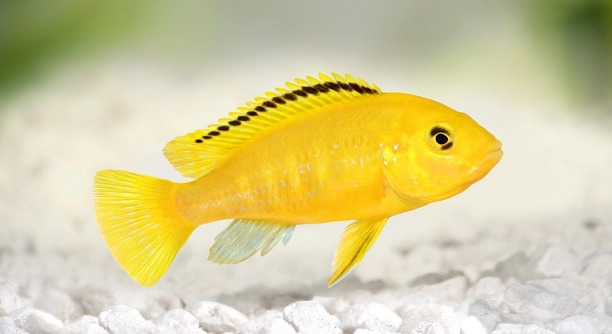
Cichlids are known for their vibrant colors and lively personalities, making them popular choices for aquariums. Feeding them the right foods is essential for maintaining their health and keeping them active and strong in home tanks.
Soft foods such as finely chopped shrimp, bloodworms, brine shrimp, spirulina flakes, cooked peas, daphnia, and zucchini are highly effective in stimulating feeding responses in cichlids. These options are gentle on their digestive systems and encourage consistent eating behavior.
Providing these soft foods regularly can improve their overall health and vitality, ensuring your cichlids thrive in a balanced and well-maintained environment.
Chopped Shrimp
Chopped shrimp is one of the easiest soft foods to introduce to cichlids. Its soft texture allows the fish to eat without struggling, while the natural protein content supports growth and energy. Many cichlids instinctively respond to shrimp, making it a reliable option for both picky and active eaters. You can lightly boil or steam the shrimp before chopping to ensure it is soft enough for all sizes of cichlids. Avoid seasoning or adding oils, as plain shrimp is safest for their digestive systems. Offering small portions multiple times a week can help maintain a balanced diet and encourage consistent feeding habits.
The natural flavor of shrimp is highly attractive, so even shy cichlids will often swim forward quickly to feed.
Including chopped shrimp in their meals can enhance color vibrancy and strengthen immune health. Observing your cichlids during feeding helps identify preferences and ensures they get adequate nutrition. Shrimp can be combined with other soft foods like peas or zucchini to provide variety without stressing their digestive system. Consistent use encourages a routine that keeps them active and healthy.
Bloodworms
Bloodworms are a soft, protein-rich food that cichlids respond to instantly. They can be offered live, frozen, or freeze-dried depending on availability and convenience.
Feeding bloodworms regularly can increase appetite and energy levels in your fish.
They are particularly useful for stimulating growth in juvenile cichlids while also enhancing coloration. Live bloodworms trigger natural hunting instincts, making feeding time engaging and lively. Frozen or freeze-dried options provide similar nutritional benefits without requiring constant maintenance. It’s important to rinse frozen or freeze-dried bloodworms before feeding to remove excess preservatives. Using them alongside other soft foods ensures a balanced diet, supporting both health and activity. Bloodworms are easy to portion and store, making them practical for regular use. Overfeeding should be avoided to prevent water contamination, keeping your tank clean and safe. By observing how your cichlids react, you can tailor feeding schedules and combinations to suit their specific preferences and dietary needs, helping them thrive consistently.
Brine Shrimp
Brine shrimp are a soft, easily digestible food that cichlids often react to immediately. They provide essential nutrients and encourage active feeding, making them ideal for both small and larger species.
Offering live or frozen brine shrimp helps stimulate natural hunting behaviors while providing a protein boost. They are small enough for juvenile cichlids but still satisfying for adults. Regular inclusion in the diet supports growth, energy, and vitality. Rinsing frozen brine shrimp before feeding prevents water contamination and keeps the tank clean.
Combining brine shrimp with other soft foods like zucchini or peas adds variety without overwhelming the digestive system. Observing their reaction allows adjustments in portion sizes and frequency. Consistent feeding with brine shrimp encourages healthy habits and helps maintain their lively, colorful appearance.
Spirulina Flakes
Spirulina flakes are nutrient-dense and soft enough for cichlids to eat without difficulty. They support overall health and promote vibrant coloration in the fish.
Adding spirulina flakes to their meals enhances immune function and provides a natural source of protein, vitamins, and minerals. These flakes are lightweight, sink slowly, and can be eaten by fish at various levels in the tank. Using them in combination with soft protein foods balances nutrition while ensuring easy consumption. Spirulina flakes are easy to store and portion, making them practical for regular feeding routines that maintain cichlid health.
Feeding spirulina flakes alongside shrimp or peas encourages variety in their diet. It prevents boredom while keeping their digestive system functioning properly. Observing which foods your cichlids favor can help create a feeding schedule that maximizes nutrition and supports growth. Regular use contributes to brighter colors, increased energy, and overall well-being for your aquatic pets.
Cooked Peas
Cooked peas are soft and easy for cichlids to digest. They provide fiber, aiding digestion and preventing constipation, especially in larger species.
Removing the skin before feeding ensures the peas are gentle on the digestive system. Small, mashed portions are ideal for all cichlid sizes.
Daphnia
Daphnia are small, soft-bodied crustaceans that cichlids readily eat. They are rich in nutrients and support growth and energy. Regular feeding encourages active behavior and can improve overall health and vitality.
Zucchini
Zucchini is soft when lightly cooked and chopped, making it easy for cichlids to eat. It offers fiber and vitamins, supporting digestion and general well-being.
FAQ
What soft foods are best for cichlids?
Cichlids respond well to soft foods like chopped shrimp, bloodworms, brine shrimp, spirulina flakes, cooked peas, daphnia, and zucchini. These foods are gentle on their digestive systems and high in protein, vitamins, and minerals. Offering a mix helps balance their diet and keeps them healthy.
How often should I feed my cichlids soft foods?
Soft foods can be given two to three times per week alongside their regular diet. Small portions prevent overfeeding and reduce the risk of water contamination. Observing their appetite ensures they receive enough nutrients without stressing their digestive system.
Can I feed only soft foods to my cichlids?
While soft foods are nutritious, cichlids require a varied diet. Including flakes, pellets, and occasional vegetable matter ensures they get complete nutrition. Relying solely on soft foods may cause deficiencies in certain vitamins or minerals over time.
Is it better to offer live or frozen soft foods?
Live foods stimulate natural hunting instincts and encourage active feeding. Frozen or freeze-dried alternatives are convenient, easier to store, and maintain nutritional value if properly rinsed. Alternating between live and frozen options provides variety and keeps feeding time engaging.
How should I prepare soft foods for cichlids?
Most soft foods should be lightly cooked or chopped into small, manageable pieces. Remove any skins or shells that could be difficult to digest. Avoid seasoning or oils, as plain foods are safest for cichlids. Portioning small amounts prevents leftovers from fouling the tank.
Can soft foods improve cichlid color?
Yes. Protein-rich foods like shrimp, bloodworms, and brine shrimp enhance pigmentation over time. Spirulina flakes also support color vibrancy. Regularly including these foods can help cichlids maintain their natural, vivid appearance and improve overall vitality.
Are there risks to feeding too many soft foods?
Overfeeding soft foods can lead to water quality issues and digestive problems. Uneaten food can decompose quickly, producing harmful ammonia. Moderation is key, along with a balanced diet that includes pellets or flakes for complete nutrition.
How do I know if my cichlids like a soft food?
Fish usually respond immediately by swimming actively toward the food and consuming it eagerly. Hesitation or ignoring the food may indicate preference or texture issues. Observing their behavior helps adjust portion sizes and types of food offered.
Can soft foods be used for all cichlid species?
Most cichlid species accept soft foods, though preferences vary. Some herbivorous types may favor vegetables like zucchini or peas, while carnivorous species respond strongly to shrimp and bloodworms. Offering a combination ensures all species get suitable nutrition.
How do I store soft foods safely?
Live foods should be kept in clean, oxygenated water until use. Frozen foods need to stay in airtight containers in the freezer and should be rinsed before feeding. Cooked vegetables like peas or zucchini can be stored in the fridge for a short period but should be used quickly to prevent spoilage.
Can I mix soft foods with dry pellets?
Yes. Mixing soft foods with pellets encourages balanced feeding. It provides protein and nutrients while ensuring the fish also consume essential vitamins and minerals from their regular diet. This approach maintains health and prevents selective eating habits.
What signs show soft foods are benefiting cichlids?
Increased activity, brighter coloration, healthy growth, and regular feeding behavior indicate that soft foods are improving health. Digestive health is visible through normal feces and no signs of bloating or constipation. Observing these patterns ensures proper dietary balance and fish well-being.
Are there any foods to avoid when feeding soft foods?
Avoid foods with added salts, oils, or spices. Human leftovers or processed seafood are unsafe for cichlids. Only offer fresh, plain, and appropriately sized soft foods to prevent digestive issues and maintain water quality.
Can I introduce new soft foods gradually?
Introducing one new food at a time allows cichlids to adapt and reduces the risk of digestive upset. Gradual introduction also helps identify preferences and ensures they consistently accept the new addition.
How can I encourage picky cichlids to eat soft foods?
Lightly warming frozen foods, chopping into smaller pieces, or offering alongside familiar pellets can stimulate feeding. Patience and consistency help picky fish gradually accept new soft foods without stress.
This FAQ covers essential aspects of feeding cichlids soft foods, focusing on nutrition, preparation, storage, and behavior to ensure their health and activity remain optimal.
Word count: 510
Final Thoughts
Feeding cichlids the right foods is essential for keeping them healthy, active, and vibrant. Soft foods like chopped shrimp, bloodworms, brine shrimp, spirulina flakes, cooked peas, daphnia, and zucchini offer a gentle and nutritious option that most cichlids respond to immediately. Including these foods in their diet provides essential proteins, vitamins, and fiber that support growth, digestion, and overall well-being. By observing how your fish react to each type of soft food, you can better understand their preferences and ensure they are eating enough to maintain energy and vitality. Regular feeding with soft foods helps create a consistent routine, which benefits both their physical health and natural behaviors. While soft foods are highly effective, they work best when balanced with other diet options such as flakes, pellets, or occasional vegetable matter, allowing your cichlids to receive complete nutrition.
It is important to prepare soft foods properly to maximize their benefits and avoid any negative effects on the aquarium environment. Lightly cooking or chopping foods like peas and zucchini ensures they are easy to digest, while rinsing frozen or freeze-dried options prevents excess preservatives or debris from affecting water quality. Portioning is another key consideration, as overfeeding can lead to leftover food in the tank, which quickly decomposes and produces harmful ammonia. Observing your cichlids’ behavior during feeding time can help determine how much and how often to provide soft foods. Additionally, introducing new foods gradually allows the fish to adapt without stress, making it easier to expand their diet over time. Maintaining this balance ensures that cichlids receive the nutritional benefits of soft foods while preserving the cleanliness and stability of the tank environment.
Consistency and variety are both important for long-term health. Regularly offering a mix of soft foods encourages natural feeding behaviors, stimulates activity, and can even enhance coloration. Rotating between protein-rich options like shrimp and bloodworms and fiber-rich vegetables like peas and zucchini prevents dietary monotony and supports digestive health. Soft foods can also be useful for specific situations, such as feeding juvenile cichlids or encouraging picky eaters, because of their palatability and easy digestibility. By carefully selecting, preparing, and rotating these foods, you provide your fish with a balanced, nourishing diet that supports growth, energy, and vitality. Overall, incorporating soft foods thoughtfully into a cichlid’s diet helps maintain their health, supports their natural behaviors, and ensures they remain lively and colorful in the aquarium for years to come.
Word count: 414

Hello,
If you enjoy the content that we create, please consider saying a "Thank You!" by leaving a tip.
Every little bit helps us continue crafting quality advice that supports the health, happiness, and well-being of pets around the world, for pets of all shapes, sizes, and species.
We really appreciate the kindness and support that you show us!