
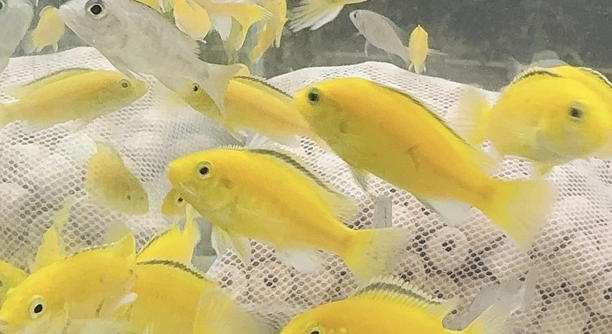
Cichlids are fascinating fish, known for their bright colors and complex behaviors. Even without touching, they have developed ways to assert dominance and protect their space in aquariums or natural habitats.
Cichlids use visual displays, body posture, fin flaring, color changes, and movement patterns to intimidate rivals or intruders without physical contact. These behaviors minimize injury risks while establishing territory and social hierarchy within their environment.
Observing these tactics reveals a surprising level of strategy and communication, showing that intimidation in cichlids is more about presence than aggression.
Fin Displays and Body Posture
Cichlids often raise their fins and broaden their bodies to appear larger and more threatening. This tactic allows them to dominate space without physical confrontation. By spreading their dorsal, anal, and pectoral fins, they create an illusion of size, making rivals hesitate to approach. Aggressive posturing can include slow, deliberate movements and head-on facing to reinforce authority. Observing this behavior in aquariums can be striking, as the fish seem to “inflate” themselves to send a clear warning. This is particularly common during feeding times or when defending nesting areas, as protecting territory is vital for survival. Even slight changes in body angle or fin position communicate intent to others nearby, reducing the likelihood of escalation.
The raised fins act as a visual warning, preventing fights while maintaining control over a specific territory.
Understanding how body posture and fin displays function in intimidation can help manage multiple cichlids in a shared tank. Recognizing these signals ensures peaceful coexistence and reduces unnecessary stress. It highlights how much these fish rely on visual cues, demonstrating their intelligence and adaptability. Tank owners can arrange spaces with hiding spots and clear boundaries to minimize constant confrontations, making the environment more comfortable for every cichlid. Over time, patterns emerge, showing which fish are dominant and how others react, offering insight into natural hierarchies. This knowledge is not just useful for observation—it directly impacts the health and behavior of the fish, making tank management more predictable and controlled. Watching these subtle behaviors allows a deeper appreciation of their complex social interactions.
Color Changes and Skin Patterns
Color shifts in cichlids serve as warnings or signs of stress.
Cichlids can rapidly change the brightness or patterning of their skin to signal aggression, readiness to mate, or territorial claims. Darkening or brightening in certain areas communicates dominance or submission without any physical interaction. These changes are controlled by specialized cells called chromatophores, which adjust pigment distribution in response to environmental cues or the presence of other fish. For instance, a male may display vibrant colors to assert control over a breeding site, while a submissive individual may fade or show muted patterns to avoid confrontation. Observing these color shifts provides insight into the social dynamics of the tank or natural habitat. Tank owners can interpret these signals to understand stress levels and social hierarchies among cichlids. This reduces the chance of fights and promotes healthier, more balanced interactions.
Color signaling is an essential tool for cichlids to communicate intentions without direct conflict, balancing aggression and cooperation in their groups. Consistent observation can reveal which individuals are dominant and how they influence group behavior. By noting changes in color intensity or pattern, owners can anticipate disputes before they escalate. This also provides insight into mating readiness and stress levels, helping to adjust tank conditions to support natural behaviors. Additionally, color changes can indicate overall health, with dull or irregular patterns sometimes pointing to illness or poor water quality. Proper interpretation of these visual cues enhances both the well-being of the fish and the effectiveness of tank management. Recognizing and respecting these subtle forms of communication is key to maintaining a stable and harmonious environment for multiple cichlids.
Gill Flaring
Flaring their gills makes cichlids appear larger and more threatening to rivals. This action emphasizes the head and body, signaling dominance without direct aggression. It is common during confrontations over territory or food, helping avoid physical fights while clearly communicating intent.
Gill flaring is a fast, visible signal of dominance or threat. When a cichlid senses another fish encroaching its space, it spreads its gill covers wide, exposing bright, contrasting colors underneath. This not only exaggerates size but also shows the fish’s readiness to defend itself. Observing this behavior reveals which individuals hold authority within the tank or natural habitat. Submissive fish often retreat in response, reducing stress and preventing injury. The combination of posture, fin display, and gill flaring forms a layered intimidation strategy, allowing cichlids to maintain order and protect resources efficiently.
Repeated gill flaring also reinforces social hierarchy over time. Dominant fish flare more frequently, asserting control over weaker or new tank mates. These displays can be prolonged or combined with slow circling movements to strengthen the threat signal. Subordinate fish recognize these cues and adapt their behavior, often by avoiding direct confrontation or occupying less contested areas. In multi-species or crowded tanks, understanding gill flaring helps predict conflicts and manage space effectively. It also demonstrates how cichlids use non-contact methods to communicate aggression, making their social interactions complex yet observable.
Rapid Movements and Lunges
Quick movements can intimidate rivals by creating sudden bursts of energy. Cichlids use these gestures to startle or warn other fish.
Rapid movements are deliberate actions to display strength and assert control. A sudden dart forward or short lunge toward another fish can establish dominance without physical contact. This tactic often occurs near food or territory, signaling readiness to defend a resource. Fast swimming, combined with body posture and fin spreading, conveys intent clearly. Observing these actions can reveal which fish are assertive and which tend to yield, providing insight into the social structure of the group.
These bursts of energy also reinforce previous signals like fin displays and gill flaring. Cichlids often combine rapid movements with head-on approaches or lateral displays to amplify the intimidation effect. This layered behavior ensures rivals understand boundaries without resulting in injury. Submissive fish react by retreating or avoiding areas occupied by the dominant individual. Over time, consistent patterns of lunges and dashes establish clear social hierarchies and maintain peace within the tank. Watching these behaviors closely allows better management of tank dynamics, ensuring minimal stress while maintaining natural interactions. The effectiveness of rapid movements lies in their unpredictability and visual impact, making them a crucial non-contact tactic.
Lateral Displays
Cichlids often position themselves sideways to appear larger and more threatening. By showing their full body profile, they communicate dominance and readiness to defend territory. This posture is subtle but effective in discouraging rivals without physical contact.
The side display allows cichlids to combine fin spreading and body angle, maximizing intimidation. Rivals can assess size and strength without triggering a fight, which helps maintain a stable social hierarchy. This visual tactic is common near feeding areas or nesting sites, reinforcing dominance efficiently.
Tail Flicks
Tail flicks serve as quick, attention-grabbing signals. Cichlids use short, sharp movements of the tail to warn others of aggression or territorial boundaries.
Subtle Vibrations
Cichlids create small vibrations in the water to signal presence and strength. These cues help maintain territory and warn rivals without direct confrontation. Observing these vibrations can reveal social dynamics and levels of stress within the tank.
Eye Contact
Direct eye contact is a common intimidation tactic among cichlids. By locking eyes with another fish, they assert dominance and communicate confidence, discouraging intrusions into their space.
What is the main purpose of non-contact intimidation in cichlids?
Cichlids use non-contact intimidation primarily to protect territory and resources. By displaying body size, flaring fins, or changing color, they warn rivals without engaging in potentially harmful physical fights. This strategy reduces injury risk while maintaining social order within their habitat or tank.
Non-contact intimidation also helps cichlids establish dominance hierarchies. Dominant individuals can assert control over feeding areas, breeding sites, and preferred hiding spots. Subordinate fish respond by retreating or avoiding confrontation, which maintains stability. These behaviors are deeply instinctive, allowing cichlids to manage social interactions effectively and reduce stress caused by repeated physical conflicts.
How do fin displays work to intimidate other fish?
Fin displays involve spreading dorsal, anal, and pectoral fins to appear larger and more threatening. The fish may also angle its body sideways to maximize the visible size. This visual exaggeration signals strength and dominance to rivals without direct aggression.
Fins may also be combined with slow movements or circling to reinforce the threat. By doing so, the cichlid communicates that it is ready to defend territory, encouraging rivals to back down. These displays are particularly useful in aquariums with limited space, as they reduce the likelihood of injury while maintaining clear social hierarchies among multiple fish.
Why do cichlids change color during confrontations?
Color changes signal aggression, stress, or dominance. Brightening or darkening specific patterns communicates mood and intent. A dominant male may display vivid colors to claim territory, while a subordinate fish may fade to show submission, avoiding conflict.
This mechanism relies on specialized cells called chromatophores, which adjust pigment distribution in response to environmental and social cues. Color signaling is efficient because it provides instant communication without physical interaction. Observing these changes allows owners to understand fish behavior, recognize potential conflicts, and adjust tank conditions to minimize stress, such as providing additional hiding spaces or rearranging territory markers.
What role does gill flaring play in intimidation?
Gill flaring exposes the head and body, making the cichlid appear larger and more threatening. It often occurs when defending territory or resources. Subordinate fish usually retreat in response, reducing the chance of injury and reinforcing dominance.
Repeated gill flaring helps maintain social order over time. Dominant individuals flare more frequently, combining this display with other signals like body posture, tail flicks, and rapid movements. This layered approach ensures rivals understand boundaries clearly and promotes a stable environment within the tank or natural habitat.
How do rapid movements and lunges communicate dominance?
Quick, deliberate movements demonstrate strength and readiness to defend resources. Short lunges toward other fish signal that the cichlid is assertive and capable of defending territory without making physical contact.
These bursts of energy are often combined with fin displays, gill flaring, or lateral postures to amplify intimidation. Observing which fish consistently perform rapid movements helps identify dominant individuals and reveals social hierarchy patterns. This tactic is efficient because it communicates intent while minimizing risk, allowing cichlids to manage conflicts safely in crowded or shared environments.
Can tail flicks or subtle vibrations really influence behavior?
Yes, tail flicks and small vibrations act as warning signals. They communicate presence, readiness, and strength. Rivals detect these cues and often adjust behavior to avoid conflict, allowing cichlids to maintain territory and hierarchy without engaging physically.
Subtle vibrations can be particularly effective in dense tanks or murky water where visual signals are less visible. Tail flicks also serve as attention-getting signals that reinforce other forms of intimidation. Together, these tactics create a multi-layered communication system that ensures cichlids can coexist with minimal injury while clearly establishing social dominance.
Why is eye contact important in cichlid intimidation?
Direct eye contact communicates confidence and dominance. By staring at another fish, a cichlid signals that it is alert, aware, and ready to defend its space. Rivals often perceive this as a strong warning and retreat.
Eye contact complements other intimidation behaviors, including fin displays, color changes, and lateral positioning. It is a subtle but powerful tool in establishing hierarchy and territorial boundaries. In combination with other non-contact tactics, eye contact ensures cichlids can communicate aggression effectively while minimizing the risk of physical confrontations and maintaining stability within the group.
Cichlids are remarkable fish, not just for their colors and patterns but also for their behaviors. Their ability to intimidate without physical contact is a clear example of how complex and strategic their interactions can be. By using body posture, fin displays, gill flaring, and color changes, cichlids communicate dominance, protect territory, and maintain social order in a way that minimizes risk of injury. These tactics are instinctive but highly effective, allowing both dominant and subordinate fish to coexist with reduced conflict. Observing these behaviors in an aquarium or natural habitat can be fascinating, as each fish communicates its intentions clearly through visual and subtle signals.
The different intimidation methods work together to form a layered system of communication. Lateral displays, rapid movements, and tail flicks amplify the signals sent by fin spreading or gill flaring. Color changes and subtle vibrations provide additional information about mood, stress, or territorial claims. Even eye contact plays a role in asserting dominance and discouraging intrusions. Each tactic serves a purpose, and understanding how they interact helps in managing cichlids in shared environments. Knowing which fish are dominant and which are more submissive allows for better tank planning, from arranging hiding spots to managing feeding areas. This knowledge also helps reduce stress among the fish, creating a more stable and healthy environment.
Observing cichlids closely can teach much about their social structure and behavior. Their non-contact intimidation strategies demonstrate intelligence and adaptability, showing that aggression does not always need to result in physical conflict. For fish owners, recognizing these signals is practical and beneficial. By understanding the cues, it becomes easier to anticipate disputes, provide proper tank management, and ensure all fish remain healthy and less stressed. These behaviors also highlight the importance of space, territory, and visual communication in aquatic life. Paying attention to these subtleties not only enriches the experience of keeping cichlids but also provides insight into their natural instincts and survival strategies, making them more than just colorful aquarium residents.

Hello,
If you enjoy the content that we create, please consider saying a "Thank You!" by leaving a tip.
Every little bit helps us continue crafting quality advice that supports the health, happiness, and well-being of pets around the world, for pets of all shapes, sizes, and species.
We really appreciate the kindness and support that you show us!