
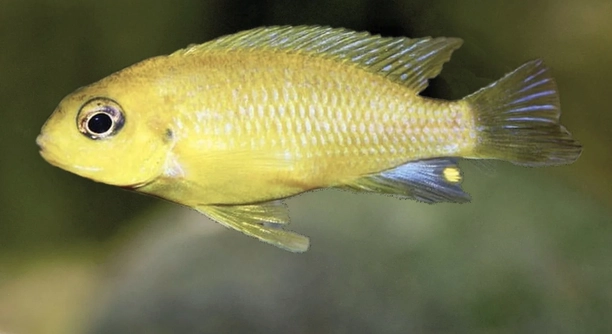
Female cichlids exhibit fascinating care for their young, often performing behaviors that ensure the survival of their fry. Observing these actions provides insight into the protective instincts and strategies of these attentive fish mothers.
Female cichlids display seven key fry protection behaviors, including guarding, herding, mouthbrooding, cleaning, leading, signaling danger, and defending against predators. These behaviors collectively enhance offspring survival, demonstrating complex maternal instincts and adaptive strategies in aquatic environments.
Understanding these behaviors offers a closer look at cichlid parenting and highlights the remarkable lengths mothers go to safeguard their young.
Guarding and Monitoring
Female cichlids spend a significant amount of time guarding their fry, keeping a constant watch over their surroundings. They position themselves strategically near eggs or newly hatched fry to prevent potential threats from approaching. This vigilance is essential, as many small predators can quickly take advantage of unprotected young. Mothers use subtle movements to guide fry toward safer areas, often responding immediately to any perceived danger. By maintaining this protective stance, female cichlids increase the survival rate of their offspring, ensuring that more fry reach maturity. The act of monitoring is continuous, with little rest, showing the intensity of maternal care in these fish. Even small disturbances in the tank or natural habitat can trigger defensive behaviors, highlighting their keen awareness and instinctual drive to protect. This behavior reflects not just instinct but an evolved strategy for ensuring the species’ continuity and maintaining strong offspring health and numbers.
Guarding behaviors are crucial for fry survival, reducing predation and improving growth opportunities.
This constant attention allows the mother to detect subtle threats and react swiftly. The fry learn to stay close, responding to her cues, which strengthens their chances of survival. Guarding is not limited to physical proximity; females often adjust movements and positions based on environmental changes, showing adaptability. Over time, this protection fosters a secure area where fry can feed, explore, and develop without undue stress. Mothers may patrol larger areas or remain stationary near the fry, depending on perceived threats. This dynamic balance between vigilance and allowing exploration demonstrates how female cichlids manage risk while supporting natural development, ensuring that their young grow in a safe environment.
Herding and Guiding
Herding is another essential behavior, where females gently direct fry to specific locations. This helps prevent straying into dangerous areas.
Herding allows mothers to control fry movement, ensuring they stay within safe zones. It reduces exposure to predators and keeps the group cohesive, allowing better feeding and monitoring.
Through herding, female cichlids guide their fry to optimal feeding areas and away from hazards. They use subtle nudges or body movements to encourage movement in a desired direction, sometimes forming a barrier to prevent separation. Herding also teaches fry to respond to maternal cues, creating a sense of security and coordinated behavior. In larger groups, this ensures that even weaker or smaller fry are not left behind, improving overall survival. By leading them to shelter or food-rich areas, mothers balance protection with growth needs. This interaction strengthens the bond between mother and fry while maintaining a structured environment. Herding is a constant, adaptive process that varies with threat level, fry activity, and environmental conditions, demonstrating the mother’s attentiveness and strategic thinking.
Mouthbrooding
Mouthbrooding is a unique behavior where female cichlids carry their fry in their mouths for protection. This shields the young from predators and environmental threats until they are strong enough to survive independently. It is an effective survival strategy seen in several cichlid species.
During mouthbrooding, the mother carefully moves her fry in and out of her mouth, ensuring they are safe while allowing limited exploration. This process can last several days or even weeks, depending on the species. Fry learn to recognize her presence and retreat quickly when threatened. The female often limits feeding during this period, prioritizing protection over her own comfort, showing extreme maternal dedication. Mouthbrooding also allows her to monitor fry health, removing weak or sick individuals when necessary to prevent disease spread. This behavior highlights a sophisticated maternal instinct, balancing risk and care with remarkable precision, reflecting the evolutionary advantage of this protective method.
Fry are gradually released from the mother’s mouth as they gain strength, but she remains nearby. This careful transition ensures they adapt to their environment safely. The process strengthens maternal bonds and teaches fry essential survival responses. Even after release, she continues to supervise their activity, guiding them away from potential threats. Mouthbrooding demonstrates the lengths female cichlids go to ensure the survival of their offspring, combining physical protection with behavioral guidance. Over time, fry develop independence while retaining cues learned from maternal care, creating a foundation for healthy growth and survival.
Cleaning and Maintenance
Cleaning behaviors are vital for keeping fry and their environment safe. Female cichlids remove debris, algae, and dead eggs to reduce infection risks and maintain water quality.
Mothers actively pick at surfaces and nearby areas, removing any substances that may harm the fry. This includes leftover food, detritus, or decaying eggs. By maintaining a clean habitat, the female ensures fry have safe places to rest and feed. Cleaning also prevents the growth of harmful bacteria or fungi, which could threaten weak fry. This attention to environmental hygiene is an extension of maternal care, demonstrating that protection is not only about defense but also about fostering healthy conditions for growth.
Cleaning extends to fry themselves, as mothers may nudge or manipulate them to remove parasites or stuck debris. This hands-on maintenance promotes overall health, reduces stress, and encourages active, strong fry. It also reinforces the bond between mother and young, as fry recognize her care and respond to her guidance. By balancing protection, guidance, and cleanliness, female cichlids create an environment conducive to development. This holistic approach ensures that fry grow safely, avoiding common hazards and infections, and prepares them for survival in a larger aquatic ecosystem.
Leading and Positioning
Female cichlids actively lead their fry to safe areas, guiding them through the habitat. This behavior keeps young fish within protected zones and away from potential predators, ensuring they remain in areas suitable for feeding and growth.
By positioning themselves between threats and fry, mothers create a safe corridor. They adjust movement based on fry behavior, ensuring no one strays too far. This leadership allows fry to explore under supervision, gradually building confidence while staying protected.
Signaling Danger
Cichlid mothers use visual and physical cues to alert fry of danger. Quick movements, body positioning, and changes in swimming patterns communicate potential threats efficiently, prompting fry to respond instinctively.
Defensive Actions
When predators approach, female cichlids become highly aggressive. They chase, nip, and block intruders, prioritizing fry safety over personal risk. This active defense is essential for survival, especially in environments with multiple threats.
How long do female cichlids guard their fry?
Female cichlids guard their fry for several weeks, often depending on species and environmental conditions. During this period, mothers remain vigilant, adjusting their behavior based on perceived threats. Fry gradually become more independent, but the mother continues to monitor them until they can safely navigate the habitat on their own.
Do all cichlid species mouthbrood their young?
Not all cichlid species practice mouthbrooding. Some are substrate spawners, keeping eggs and fry on rocks or in sand while providing protection through guarding and cleaning behaviors. Mouthbrooding is specific to certain species and offers a high level of protection, particularly in areas with many predators.
Can a female cichlid fry be left alone with the male?
In most species, males do not participate in fry care, and leaving fry with them can increase risk. Females are primarily responsible for protection, herding, and cleaning. Males may defend territory, but active maternal care is usually absent, making the female’s presence essential for fry survival.
How do female cichlids signal danger to fry?
Mothers use body movements, rapid swimming, and subtle nudges to alert fry of nearby threats. These signals trigger instinctive responses, such as hiding or clustering together. Fry quickly learn to recognize these cues, which improves survival rates by reducing exposure to predators.
What are common threats to cichlid fry in captivity?
In aquariums, fry face risks from larger tankmates, poor water quality, and overfeeding. Even small fish can harm fry, so separation or careful tank management is crucial. Females often adapt behaviors in captivity, but ensuring a controlled environment helps maximize fry survival.
How does herding benefit fry development?
Herding keeps fry in groups, reducing stress and increasing feeding efficiency. Mothers guide them to safe areas and optimal feeding zones, teaching them to follow cues. This coordinated movement strengthens survival instincts and ensures that even weaker fry are not left behind, balancing protection with growth needs.
Does mouthbrooding affect the female’s health?
Mouthbrooding requires significant energy, often limiting a female’s feeding. She may lose weight and become more vulnerable to stress. However, the behavior is temporary and usually followed by a recovery period. Despite the strain, mouthbrooding increases fry survival and demonstrates the evolutionary benefit of this maternal investment.
Can female cichlids recognize their own fry?
Yes, female cichlids often distinguish their own fry through chemical cues, behavior, and spatial familiarity. Recognition helps them focus protection efforts and avoid wasting energy on unrelated young. This selective care ensures resources are concentrated on offspring with the highest survival potential.
How do cleaning behaviors support fry health?
Cleaning removes debris, decaying eggs, and harmful bacteria from the environment, reducing infection risks. Mothers may also remove parasites or algae from fry directly. This attention maintains a healthy habitat, supports growth, and teaches fry to stay in safe, clean areas.
When do fry become independent from the mother?
Fry gradually gain independence over several weeks, depending on species and environmental conditions. Mothers continue guiding and protecting them until they are strong enough to feed and explore alone. By this point, fry have learned essential survival behaviors, making maternal care a critical factor in early development.
Can stress affect maternal behaviors in female cichlids?
Yes, stress from predators, poor water quality, or overcrowding can reduce maternal effectiveness. Stressed females may guard less, herd less efficiently, or neglect cleaning. Ensuring stable conditions and minimizing disturbances supports optimal maternal behaviors, improving fry survival and overall health.
Do females defend fry from larger predators?
Female cichlids actively defend fry from larger fish and intruders, using chasing, nipping, and blocking behaviors. This aggression protects young from predation, even when the mother faces personal risk. Such defensive actions are critical in environments with high predator presence.
How do fry learn from maternal behaviors?
Fry observe and respond to maternal cues, learning where to hide, how to forage, and how to react to danger. These early lessons shape survival instincts and social behaviors, demonstrating that maternal care combines protection with education.
Is it common for females to abandon fry?
Abandonment is rare but can occur if a female is stressed, ill, or perceives the environment as unsafe. In natural habitats, mothers typically continue protection until fry are independent. Observing consistent maternal care is a sign of healthy, unstressed females.
Can multiple females care for the same group of fry?
Some species may tolerate communal care, but generally, a single female manages her own offspring. Sharing care is limited, as maternal behaviors are highly species-specific and involve selective recognition, ensuring attention is focused on one’s own fry.
Female cichlids display remarkable maternal behaviors that are crucial for the survival of their fry. From guarding and herding to mouthbrooding and cleaning, these actions ensure that the young have the best chance to grow safely. Each behavior is carefully adapted to protect the fry from predators, environmental threats, and even disease. Guarding allows mothers to keep a constant watch, positioning themselves between their young and potential dangers. Herding keeps fry together and within safe areas, reducing the likelihood of straying into unsafe zones. Mouthbrooding provides direct physical protection, shielding the most vulnerable fry until they are strong enough to navigate their surroundings independently. Cleaning behaviors maintain a healthy habitat, preventing the spread of bacteria and parasites. These actions work together to create a controlled and safe environment, showing the depth of maternal investment and instinct in cichlids.
The protective strategies of female cichlids go beyond simple instinct. Mothers actively guide their fry, signaling danger through body movements and defensive behaviors that the young quickly learn to recognize. Fry respond to these cues instinctively, which improves their chances of survival. Even in captivity, these behaviors are noticeable, though the environment may require some adaptation to ensure safety. Mothers balance the need to protect with the need to allow fry to explore and feed. Leading them to optimal feeding areas ensures proper growth while still maintaining protection. Defensive actions against predators demonstrate that female cichlids are willing to take risks to ensure the safety of their young. Through these behaviors, the mother not only safeguards her fry but also teaches them essential survival skills. The combination of protection, guidance, and care reflects a sophisticated approach to raising offspring, highlighting the importance of maternal presence during the early stages of life.
Understanding these behaviors provides a greater appreciation for the complex lives of cichlids and the lengths mothers go to safeguard their young. Maternal care in cichlids is a clear example of how instinct and environmental adaptation work together to improve survival rates. Observing these behaviors can also inform aquarists and researchers about proper tank management and the needs of breeding cichlids. By creating environments that support guarding, herding, cleaning, and mouthbrooding, caretakers can help ensure that fry develop healthily. These behaviors are not only fascinating from a biological perspective but also serve as a reminder of the intricate connections between parents and offspring in the animal kingdom. Female cichlids demonstrate that successful reproduction is about more than laying eggs—it is about sustained attention, protection, and teaching essential survival skills. The effort, energy, and care invested by these mothers highlight the natural drive to ensure the next generation thrives. Observing and understanding these behaviors helps us recognize the sophistication and dedication involved in cichlid parenting.

Hello,
If you enjoy the content that we create, please consider saying a "Thank You!" by leaving a tip.
Every little bit helps us continue crafting quality advice that supports the health, happiness, and well-being of pets around the world, for pets of all shapes, sizes, and species.
We really appreciate the kindness and support that you show us!