
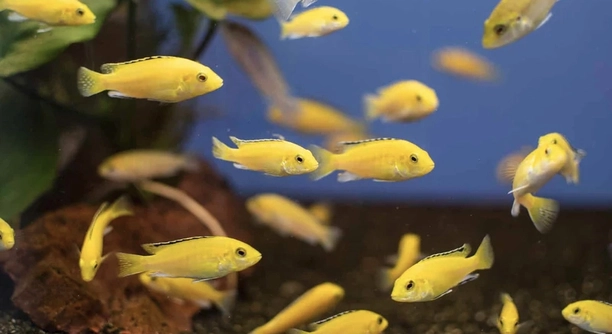
Cichlids are vibrant, intelligent fish that can bring life to any aquarium. Many hobbyists enjoy their colors and behaviors but may not realize small mistakes can significantly affect their health and longevity.
Several common errors can shorten a cichlid’s lifespan, including poor water quality, inadequate tank size, improper diet, overcrowding, lack of hiding spaces, sudden temperature fluctuations, and neglecting regular maintenance. Addressing these factors is essential for supporting their long-term well-being.
Knowing these mistakes allows you to provide a healthier environment for your fish. Implementing proper care practices ensures cichlids can live longer, happier, and more vibrant lives in your aquarium.
Poor Water Quality
Keeping water clean is one of the most important aspects of cichlid care. Dirty water can stress fish and make them vulnerable to disease. High ammonia, nitrite, or nitrate levels can damage gills, weaken the immune system, and reduce lifespan. Regular water testing helps identify problems early. Frequent partial water changes prevent the buildup of toxins, keeping the environment stable and safe. Using a proper filtration system is essential, as it removes waste and maintains water clarity. Avoid overfeeding, as leftover food can quickly pollute the tank. Introducing live plants can help maintain water quality naturally. Observing your fish daily allows you to notice changes in behavior or health. Even small lapses in water maintenance can have long-term effects, so consistency is key. A stable environment reduces stress, promotes proper growth, and supports overall well-being, allowing your cichlids to thrive and live longer.
Maintaining clean water is simple but requires consistency. Testing and changing water regularly ensures healthier, longer-living fish.
Stress from poor water quality can lead to disease outbreaks. Fish may show lethargy, faded colors, or abnormal swimming. Addressing water issues early prevents serious problems, allowing cichlids to recover more quickly. Combining proper filtration, regular maintenance, and careful feeding creates a stable, safe habitat. Over time, this routine strengthens their immune systems and reduces the risk of early death. By prioritizing water quality, you give cichlids the environment they need to grow and flourish. Observing behavior, cleaning filters, and testing parameters should be part of your regular care schedule. Consistent attention to water conditions ensures vibrant, healthy fish and reduces stress-induced complications. Even minor improvements, like adjusting pH or removing waste promptly, can make a significant difference in lifespan. Cichlids respond positively to clean, stable water, showing better activity levels, appetite, and coloration. Investing time in water management is a direct way to support long-term health and happiness in your aquarium.
Improper Diet
Feeding cichlids an unbalanced diet can shorten their lives. Poor nutrition weakens immune systems and slows growth. Many store-bought flakes lack essential vitamins or contain too many fillers. Supplementing with high-quality pellets, frozen foods, or occasional live food ensures proper nutrient intake. Avoid overfeeding, as it leads to obesity and water pollution. Rotate food types to mimic natural diets and provide variety. Observing eating habits helps detect health issues early. Providing a balanced diet promotes vibrant colors, active behavior, and stronger disease resistance. Treats should be limited and nutritious.
A balanced diet is key for longevity, supporting growth, immunity, and overall health in cichlids.
Feeding mistakes often go unnoticed. Overfeeding or giving low-quality food causes fat buildup, poor digestion, and weakened immunity. Some cichlids are picky, so monitoring each fish ensures everyone receives proper nutrition. Frozen or live foods add protein, while pellets supply vitamins and minerals. Rotating foods prevents deficiencies and encourages natural foraging behavior. Avoid feeding too much at once; smaller portions throughout the day reduce waste and maintain water quality. Nutrition affects not only lifespan but also coloration, reproductive health, and energy levels. Observing how fish respond to different foods helps refine feeding practices. A consistent, varied diet is a simple way to improve health and longevity without complicating care routines.
Overcrowding
Too many cichlids in a tank creates stress and aggression. Limited space reduces hiding spots and increases competition for food, which can harm weaker fish. Overcrowding often leads to poor water quality and disease, shortening lifespans.
High population density increases tension among cichlids. Territorial disputes become frequent, leading to injuries and constant stress. Stressed fish have weaker immune systems, making them more susceptible to infections. Overcrowding also affects swimming space and natural behaviors, reducing overall well-being. Maintaining proper stocking levels is essential to prevent these issues and provide a stable, healthy environment for each fish.
Even minor overcrowding can escalate problems quickly. Fish may become lethargic or hide excessively. Monitoring tank population and providing adequate space, decorations, and hiding areas helps maintain balance. Separating aggressive individuals or upgrading to a larger tank reduces stress. Attention to stocking density ensures cichlids thrive, supporting growth, coloration, and lifespan. Proper planning and observation allow fish to coexist peacefully while enjoying a stable, clean environment with fewer conflicts.
Sudden Temperature Changes
Cichlids are sensitive to rapid temperature fluctuations. Sudden changes can cause shock, stress, or disease. Maintaining a stable water temperature is crucial, especially when adding new water or using heaters and filters.
Temperature swings weaken immune responses, making fish more vulnerable to illness. A consistent range suitable for the species prevents stress and supports normal metabolism. Avoid placing tanks near drafts, heaters, or direct sunlight. Gradual adjustments are safer when changing water or moving fish. Using a reliable thermometer and heater ensures water remains stable.
Frequent monitoring is important. Even minor shifts can affect feeding and activity levels. Fish may become sluggish, lose appetite, or show abnormal behavior. Gradual acclimation when introducing new fish or water helps them adjust safely. Avoiding sudden drops or spikes keeps cichlids healthy, reducing disease risk and increasing lifespan. Stable temperature also supports breeding behavior and coloration, providing a comfortable environment for overall well-being.
Lack of Hiding Spaces
Cichlids need places to hide to feel secure. Without adequate shelters, they experience stress, which can lead to illness and shortened lifespan.
Providing rocks, plants, or decorations creates safe zones. Hiding spaces reduce aggression and allow fish to rest, improving overall health and stability in the tank.
Neglecting Regular Maintenance
Regular tank maintenance prevents waste buildup and maintains water quality. Skipping cleanings can cause high ammonia and nitrite levels, stressing fish and promoting disease. Consistent care includes checking filters, cleaning gravel, and monitoring water parameters. Small, routine tasks protect fish health and extend their lifespan.
Overfeeding
Overfeeding produces excess waste that pollutes the tank. It also leads to obesity and digestive issues, weakening fish over time.
How often should I change the water in my cichlid tank?
Regular water changes are essential to keep cichlids healthy. Partial water changes of 20-30% every week are usually sufficient. This removes accumulated toxins, such as ammonia, nitrites, and nitrates, while maintaining beneficial bacteria. Changing too much water at once can shock fish, so gradual, consistent maintenance is better.
What is the best diet for cichlids?
Cichlids need a varied diet to stay healthy. High-quality pellets or flakes provide essential vitamins and minerals. Supplementing with frozen or live foods, such as brine shrimp, bloodworms, or daphnia, adds protein. Rotating food types prevents nutrient deficiencies and encourages natural foraging behavior. Avoid overfeeding, as leftover food can pollute the tank and lead to digestive issues. Watching how fish respond to different foods helps adjust portions and ensure proper nutrition.
How do I prevent aggression in my cichlid tank?
Aggression is common in cichlids, especially if the tank is overcrowded or lacks hiding spaces. Maintain proper stocking levels and provide plenty of rocks, plants, and decorations for territories. Separating aggressive individuals or using dividers can reduce conflicts. Observing behavior daily allows you to address disputes early, reducing stress and injury.
What is the ideal water temperature for cichlids?
Cichlids thrive in a stable temperature, usually between 75-82°F (24-28°C), depending on the species. Avoid sudden changes, which can cause stress or illness. Use a reliable heater and thermometer to monitor conditions. Placing the tank away from drafts, heaters, or direct sunlight helps maintain consistency. Gradual adjustments are safer when introducing new water or fish.
How do I know if my cichlid is stressed?
Signs of stress include lethargy, loss of appetite, faded coloration, erratic swimming, or hiding excessively. Stress can result from poor water quality, overcrowding, or improper diet. Addressing these factors quickly reduces disease risk. Providing a stable environment with clean water, adequate space, hiding areas, and a balanced diet supports healthier behavior and longer lifespan.
How can I maintain good water quality?
Maintaining water quality involves several steps. Test parameters like ammonia, nitrites, nitrates, and pH regularly. Perform consistent partial water changes, clean gravel, and replace filter media as needed. Avoid overfeeding, and remove uneaten food promptly. Adding live plants helps absorb nutrients and reduces toxins naturally. Proper water maintenance keeps fish healthy and prevents diseases.
Can tank decorations affect my cichlid’s health?
Yes, decorations play a significant role. Sharp or rough objects can injure fish, while inadequate hiding spaces increase stress and aggression. Rocks, caves, and plants offer protection and create territories. Properly arranged decorations encourage natural behaviors and reduce conflict, contributing to overall well-being and longevity.
How do I introduce new cichlids to an established tank?
Introducing new fish should be done carefully. Quarantine new cichlids for at least two weeks to prevent disease spread. Gradually acclimate them to the tank’s water conditions. Adding them slowly and observing behavior minimizes stress and reduces aggression. Ensure there are enough hiding spaces and adjust tank setup if needed.
How can I prevent disease in cichlids?
Disease prevention relies on clean water, proper diet, and low stress levels. Avoid overcrowding, maintain stable temperature, and provide balanced nutrition. Quarantine new fish, monitor behavior regularly, and treat any early signs of illness promptly. Healthy fish in a stable environment are less likely to develop infections.
How do I know when my tank is overcrowded?
Overcrowding occurs when the tank has too many fish relative to its size. Signs include frequent aggression, limited swimming space, stress behaviors, and poor water quality. Following recommended stocking guidelines for each species and providing sufficient hiding spaces prevents these issues, ensuring healthier, longer-living cichlids.
How important is regular observation of my fish?
Daily observation allows early detection of stress, illness, or behavioral changes. Noticing subtle signs, such as changes in appetite, color, or swimming patterns, helps address issues before they become serious. Consistent monitoring supports overall health and helps maintain a stable, safe environment.
What role does filtration play in a cichlid tank?
Filtration removes waste and toxins while supporting beneficial bacteria. A proper filter maintains clear water, reduces ammonia buildup, and stabilizes the environment. Regular cleaning and maintenance of the filter are essential to ensure it functions efficiently, directly contributing to fish health and longevity.
Can I use tap water for my cichlids?
Tap water is usable if treated properly. Chlorine and chloramine must be removed using water conditioners. Testing pH, hardness, and other parameters ensures suitability for cichlids. Gradual adjustments help maintain stable conditions. Properly prepared tap water can provide a safe, consistent environment for your fish.
How often should I clean the tank decorations?
Decorations accumulate algae and debris over time. Clean them during regular maintenance but avoid harsh chemicals. Rinse with warm water or use a soft brush to remove buildup. Clean decorations reduce bacteria growth, prevent water pollution, and maintain a healthy, stress-free environment for your cichlids.
Is lighting important for cichlids?
Lighting affects behavior and coloration. Provide a natural day-night cycle to reduce stress. Too much light encourages algae growth, while too little can dull colors. Using timers ensures consistency, supporting fish health and making the tank visually appealing. Proper lighting balances environmental needs with aesthetic benefits.
What should I do if a fish gets sick?
Isolate sick fish immediately to prevent spreading disease. Identify the symptoms and treat appropriately using recommended medications. Maintain clean water, monitor other fish closely, and adjust diet or temperature as needed. Quick action improves recovery chances and protects the rest of the tank.
How do I know if my cichlids are breeding?
Signs include increased territorial behavior, pairing off, or preparing nests. Eggs may be visible on rocks or substrate. Providing proper diet, stable water conditions, and hiding spaces encourages breeding. Observing behavior carefully helps manage fry and prevents adult aggression toward offspring.
Can stress affect my cichlids’ lifespan?
Yes, stress reduces immunity, slows growth, and increases disease risk. Causes include poor water quality, overcrowding, sudden temperature changes, and lack of hiding spaces. Reducing stress through consistent maintenance, proper diet, and environmental enrichment supports longer, healthier lives.
Are there signs of aging in cichlids?
Older cichlids may swim less, lose vibrant coloration, or eat less frequently. Regular care and proper environment help mitigate some age-related decline. Observing changes allows adjustments in diet or habitat to support comfort and well-being, maximizing their remaining lifespan.
How can I maintain a long-lived cichlid tank?
Focus on water quality, balanced diet, proper stocking levels, hiding spaces, temperature stability, and routine maintenance. Monitoring behavior and health ensures early intervention. Providing a stable, enriched environment reduces stress and promotes natural behavior, supporting overall longevity. Consistency is the most effective approach.
Caring for cichlids requires attention to several key factors that directly influence their health and lifespan. Water quality is the foundation of a healthy tank. Regular testing for ammonia, nitrites, and nitrates, combined with consistent partial water changes, prevents the buildup of harmful toxins. Using a reliable filtration system and avoiding overfeeding ensures that water remains clean and safe. Stable temperature and proper aeration also contribute to reducing stress. By maintaining these basic environmental conditions, cichlids can thrive, display natural behaviors, and avoid common health problems that shorten their lives. Even small lapses in care can lead to serious consequences over time, so consistency and routine are essential.
Nutrition is another critical element in cichlid care. A balanced diet that includes high-quality flakes or pellets, supplemented with frozen or live foods, ensures that fish receive the essential nutrients they need. Overfeeding should be avoided, as excess food can pollute the tank and cause digestive issues. Rotating food types adds variety and prevents deficiencies, while observing each fish’s feeding habits helps ensure that all individuals are receiving proper nutrition. Proper diet not only supports growth and immunity but also enhances coloration and energy levels, making the fish more active and visually appealing. Paying attention to diet is one of the simplest ways to improve overall health and extend lifespan.
Behavior and environment also play a significant role in the well-being of cichlids. Providing adequate space, hiding spots, and territorial boundaries reduces stress and aggression, which are common issues in overcrowded tanks. Monitoring fish behavior daily allows early detection of illness or stress, giving the opportunity to make adjustments before problems escalate. Consistent care, including routine maintenance and careful observation, creates a stable and safe environment that supports both physical health and mental well-being. By addressing these factors thoughtfully and proactively, cichlids can live longer, healthier, and more vibrant lives, making the effort of proper care rewarding and fulfilling for both the fish and the keeper.

Hello,
If you enjoy the content that we create, please consider saying a "Thank You!" by leaving a tip.
Every little bit helps us continue crafting quality advice that supports the health, happiness, and well-being of pets around the world, for pets of all shapes, sizes, and species.
We really appreciate the kindness and support that you show us!