
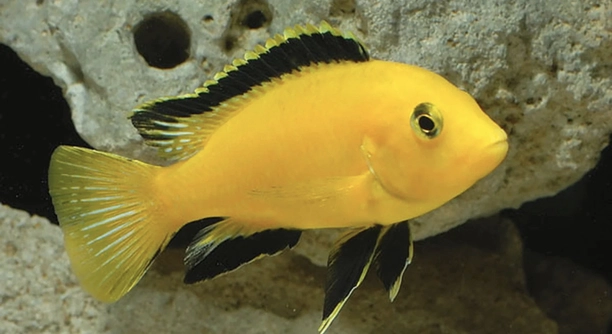
Cichlids are vibrant fish that bring life to any aquarium, but their aggressive behavior can be challenging to manage. Even minor changes in their water environment can influence how they interact with each other. Observing these shifts can help owners maintain harmony.
Water changes, temperature fluctuations, pH adjustments, hardness variations, oxygen levels, salinity shifts, and chemical additions all impact cichlid aggression. Each factor alters their comfort and stress levels, which directly affects territorial and social behaviors in the aquarium environment.
Recognizing these water influences allows hobbyists to create a more peaceful and stable setting for their cichlids to thrive.
Temperature Fluctuations
Cichlids are highly sensitive to changes in water temperature. Even a shift of a few degrees can make them feel uncomfortable or stressed. In warmer water, their metabolism speeds up, increasing activity and aggression. Cooler water can slow them down but may also make them more irritable. Maintaining a consistent temperature helps minimize sudden aggressive encounters. Using a reliable heater and thermometer ensures the tank stays stable. Sudden drops or spikes during water changes or at night can trigger territorial fights or chasing behaviors. Observing their behavior after adjusting temperature is key. Subtle changes in movement, fin flare, or chasing are signs they are stressed. It’s important to make adjustments gradually to avoid shocking them. Keeping the tank at an ideal range for your specific cichlid species reduces stress and helps them feel secure, leading to calmer interactions overall.
Consistent temperature keeps cichlids less stressed and significantly reduces aggressive behaviors in most aquarium setups.
Gradual adjustments are the safest method. Small, steady changes allow cichlids to acclimate without triggering heightened aggression. Avoid placing heaters near hiding spots or filter outputs that create uneven warmth, as this can cause territorial disputes. Using floating thermometers or digital monitors provides accurate readings, ensuring the tank stays within the proper range. Observing their behavior daily helps detect early signs of stress. Aggression often starts subtly, with chasing or fin nipping, but can escalate if temperature swings continue. Tanks with stable temperatures promote healthier interactions, reduce injuries, and allow cichlids to establish territories without constant conflict. Planning water changes and equipment placement carefully ensures stability.
pH Adjustments
Even small changes in pH can influence how cichlids behave.
Cichlids thrive within a specific pH range depending on their natural habitat. Rapid changes in pH can stress them, causing heightened aggression and territorial disputes. For example, a sudden drop in pH may make certain species defensive, while others may become more active and confrontational. Adjustments should be gradual, allowing the fish to adapt over days rather than hours. Testing water regularly ensures levels remain consistent, and using buffers or additives helps maintain balance. Monitoring interactions during pH shifts allows you to notice which fish are more sensitive. Establishing a stable pH promotes calmer social behavior and reduces the risk of injury. Proper pH management is essential for breeding setups as well, as overly aggressive fish may harm mates or fry. Keeping a detailed log of pH levels and corresponding behaviors can help you predict and prevent future aggression incidents. Regular maintenance and careful monitoring make a noticeable difference in tank harmony.
Hardness Variations
Cichlids are affected by changes in water hardness. Soft or hard water outside their preferred range can trigger stress and increase aggressive behaviors.
Water hardness impacts the minerals in the tank, which directly affects cichlid physiology and comfort. Species from hard water environments, like African cichlids, may become defensive if the water softens too much. Conversely, South American cichlids often prefer softer water, and hard water can make them irritable. Adjusting hardness gradually with mineral additives or water mixing allows cichlids to adapt without triggering fights. Monitoring their behavior during these changes helps identify which individuals are more sensitive to stress, allowing for targeted care and reducing aggression over time.
Maintaining consistent water hardness prevents territorial disputes and reduces stress-related behaviors. Sudden shifts can trigger chasing or fin nipping, especially in dominant individuals. Using a reliable test kit ensures the levels remain stable. Mixing source water with RO or tap water carefully allows precise control over mineral content. Hardness stability also supports biological filtration and overall tank health. Gradual adjustments help cichlids acclimate while minimizing disruptions to their hierarchy and interactions, leading to a calmer tank environment overall.
Oxygen Levels
Low oxygen in the tank can make cichlids more aggressive and restless. Keeping proper aeration is essential for calm behavior.
Cichlids rely on sufficient dissolved oxygen for metabolic processes. In poorly aerated water, stress levels rise, often leading to increased chasing, nipping, or territorial fights. High stocking densities, inadequate filtration, or warm water can reduce oxygen levels quickly. Adding air stones, adjusting flow from filters, or increasing surface agitation improves oxygenation. Regular observation is important, as lethargy and gasping at the surface are early warning signs. Maintaining proper oxygen not only supports health but also keeps social interactions less aggressive.
Proper aeration reduces stress-induced aggression and improves overall fish activity. Tanks with consistent oxygen levels see fewer conflicts, and fish maintain normal feeding and breeding behaviors. Air pumps and surface agitation help distribute oxygen evenly, preventing localized low-oxygen zones where aggression can start. Warmer water holds less oxygen, so monitoring during heat spikes is critical. Ensuring adequate oxygen also helps cichlids recover after water changes or medication treatments. Gradual improvements, rather than sudden overflows or large bubbles, provide stability and maintain harmony. Regularly testing dissolved oxygen helps track conditions and avoid aggressive outbreaks caused by hypoxia.
Salinity Shifts
Even slight changes in salinity can affect cichlid behavior. Most freshwater species become stressed if exposed to higher salinity levels.
Maintaining stable salinity prevents aggression caused by discomfort. Sudden increases or decreases can trigger chasing and territorial disputes among tankmates.
Chemical Additions
Adding medications, fertilizers, or other chemicals can influence aggression. Some treatments irritate fish, making them more defensive or active. Gradual dosing and careful observation help prevent heightened conflicts.
Water Changes
Frequent or large water changes can unsettle cichlids. Sudden shifts in water chemistry or temperature can provoke aggressive responses and chasing behaviors.
Tank Maintenance
Poor maintenance increases stress and aggression. Dirty filters, uneaten food, and waste buildup create unstable conditions, triggering territorial disputes and nipping.
How often should I check water parameters to reduce aggression?
Regular monitoring of water parameters is key to managing cichlid aggression. Checking temperature, pH, hardness, oxygen levels, and salinity at least once a week is recommended. Frequent observation allows you to catch small fluctuations before they stress your fish. Recording values in a log helps track patterns and anticipate changes. During periods of water changes, medication, or seasonal temperature shifts, more frequent testing may be necessary. Consistency in monitoring not only keeps fish healthy but also reduces sudden aggressive outbreaks. Stable conditions give cichlids confidence in their environment, lowering stress-induced behaviors.
Can diet influence cichlid aggression?
Yes, diet plays a significant role in behavior. Overfeeding can lead to poor water quality, which increases stress and triggers aggression. Inadequate nutrition may also make fish more irritable or competitive over limited food. Providing a balanced diet appropriate for each species helps maintain calm behavior. Offering food in multiple spots in the tank prevents dominant fish from monopolizing resources. Feeding at consistent times establishes a routine, which reduces sudden bursts of aggression during mealtimes. Incorporating occasional live or frozen foods can stimulate natural foraging without causing fights. Proper feeding practices are a simple but effective way to manage aggression.
Will adding more hiding spots reduce fights?
Adding rocks, plants, or decorations provides territories and visual barriers, which can decrease aggressive encounters. Cichlids naturally defend space, and the availability of shelters allows subordinate fish to retreat safely. Lack of hiding spots forces fish into constant interaction, increasing stress and chasing. Creating multiple small territories reduces dominance disputes, especially in species that are highly territorial. Observing behavior after rearranging décor helps identify which areas are most valued by aggressive individuals. Even small caves or plant clusters can make a noticeable difference. The goal is to offer a balanced environment where each fish has a secure space.
How can I acclimate new cichlids without triggering aggression?
Introducing new fish slowly prevents sudden stress. Float the bag to equalize temperature, then gradually mix tank water over an hour or more. Using a quarantine tank is ideal to monitor behavior before adding new cichlids to the main tank. Rearranging décor before adding fish prevents established territories from giving existing residents an advantage. Observe interactions closely for the first few days. Subtle aggression is normal, but persistent chasing or injuries may require temporary separation. Gradual acclimation gives new cichlids time to adjust while minimizing stress-induced aggression in the established community.
Does lighting affect cichlid behavior?
Yes, lighting can influence stress and aggression. Bright or overly harsh light may make cichlids feel exposed, increasing defensive or aggressive behavior. Providing areas of shade or dim lighting reduces anxiety. Using a consistent day-night cycle supports natural rhythms and stabilizes activity levels. Sudden changes in lighting can trigger chasing or hiding, so gradual adjustments are better. Observing behavior under different lighting conditions helps identify optimal settings for calmer interactions. Proper lighting ensures fish feel secure and confident in their environment, which directly affects aggression levels.
What is the safest way to adjust water chemistry?
Make all adjustments gradually to avoid shocking fish. Small, incremental changes in pH, hardness, or salinity allow cichlids to adapt without stress. Test the water frequently during changes to confirm stability. Using buffers, mineral additives, or mixed water in controlled amounts ensures precision. Rapid shifts can provoke fights or defensive behaviors. Planning adjustments over several hours or days maintains a stable environment and prevents sudden aggression. Patience is key, and careful observation helps detect which fish are most sensitive to the changes. Consistency in water chemistry is essential for a peaceful tank.
How do I know when aggression is a serious problem?
Aggression becomes concerning when it leads to injuries, constant chasing, or stress-related behaviors like hiding or loss of appetite. Some level of territorial display is normal, but repeated attacks indicate imbalance. Observe tank dynamics daily, noting which fish are consistently dominant or targeted. Persistent aggression may require tank rearrangement, additional hiding spots, or temporary separation of aggressive individuals. Addressing these issues early prevents long-term injuries or stress-related illnesses. A healthy tank environment, combined with monitoring behavior and water parameters, keeps aggression at manageable levels and ensures all cichlids thrive.
Can water changes reduce aggression?
Yes, proper water changes help maintain stable conditions, which reduces stress-induced aggression. Removing waste and replenishing clean water keeps parameters like pH, hardness, and oxygen levels steady. Sudden, large changes can backfire, so gradual adjustments are safer. Consistent maintenance fosters a healthier and calmer environment for all fish.
Managing cichlid aggression requires attention to several water-related factors. Temperature, pH, hardness, oxygen levels, and salinity all play a role in how cichlids interact. Sudden shifts in these conditions can increase stress and lead to chasing, fin nipping, or other aggressive behaviors. Even minor changes can make a noticeable difference, especially in tanks with multiple territorial species. Keeping water stable and within the preferred range for your cichlid species helps reduce tension and encourages calmer interactions. Using reliable test kits, heaters, air pumps, and buffers allows for better control over the tank environment. Gradual adjustments are always safer than sudden changes, and consistent monitoring is key to preventing unnecessary conflict among fish.
Providing a suitable tank setup also plays a big part in managing aggression. Hiding spots, caves, rocks, and plants give fish spaces to retreat and establish territories without constant conflict. Rearranging decorations occasionally can prevent dominant fish from holding fixed territories and help subordinate fish find safe areas. Proper tank size and careful consideration of stocking density are equally important. Overcrowding often escalates aggression, while a well-planned environment allows fish to spread out naturally. Observing how your cichlids respond to their surroundings helps you make adjustments that reduce stress. Even small changes, like adding a few more plants or adjusting hiding spots, can have a meaningful impact on overall behavior and peace in the tank.
Diet and routine also influence cichlid interactions. Overfeeding or inconsistent feeding schedules can lead to competition and aggression. A balanced diet, offered in multiple locations, helps ensure all fish get enough nutrition without conflict. Consistent maintenance, including water changes and cleaning, prevents buildup of waste that can cause stress and provoke fights. Gradually acclimating new fish and monitoring their introduction also helps maintain harmony. By paying attention to water quality, tank setup, diet, and routine, it’s possible to create an environment where cichlids can thrive with minimal aggression. A stable, thoughtfully maintained tank supports healthier fish, calmer interactions, and a more enjoyable experience for the caretaker.

Hello,
If you enjoy the content that we create, please consider saying a "Thank You!" by leaving a tip.
Every little bit helps us continue crafting quality advice that supports the health, happiness, and well-being of pets around the world, for pets of all shapes, sizes, and species.
We really appreciate the kindness and support that you show us!