
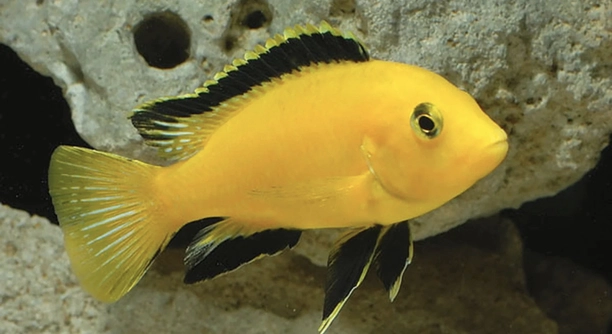
Have you ever watched your cichlid remain calm in the tank, quietly studying its surroundings while staying in plain view, creating a moment that seems more like observation rather than retreat into hidden area space.
Cichlids that observe rather than hide display steady posture, open positioning, and active eye movement toward their surroundings. These behaviors indicate environmental awareness instead of fear response, showing the fish is engaged, alert, and processing stimuli without seeking protective cover.
Exploring these subtle behaviors can help you understand your cichlid and recognize the moments when calm awareness shapes its experience.
Steady Eye Movement and Body Posture
Steady eye movement in a cichlid can reveal how closely it follows activity around the tank, especially when it holds a relaxed posture near open areas. When a cichlid stays fully visible, its fins remain loose, and its colors stay consistent, it often shows interest rather than fear. Many cichlids position themselves where they can observe without pressing against decorations or hovering nervously in corners. You might see gentle scanning motions as the eyes shift from one part of the tank to another. This calm awareness usually means the fish feels safe enough to watch what happens around it. It may track your movement, follow drifting plants, or study other fish without displaying quick retreats or tight body angles. These details help you separate natural curiosity from stress, allowing you to respond to your fish’s needs with confidence and a clear sense of what its behavior represents in daily care.
Recognizing steady eye movement helps you understand when your cichlid feels comfortable. This behavior shows calm engagement with the environment. When your fish maintains open visibility and stable posture, it signals awareness rather than fear, allowing you to support healthy daily interaction within the tank each day in simple ways.
Supporting this observant behavior starts with giving your cichlid a stable environment. A balanced routine helps it feel secure enough to stay in open areas while watching movement around the tank. Gentle lighting, steady water parameters, and well placed structures allow your fish to choose visible spots without feeling pressured to hide. Feeding at consistent times also reassures the fish and reinforces familiarity. When your cichlid recognizes predictable patterns, it becomes more confident and more willing to study everything happening nearby. Over time, this calm awareness creates a clear picture of your fish’s comfort and helps you maintain peaceful care.
Using Open Positioning as a Sign
Open positioning shows your cichlid chooses visibility rather than concealment. When it stays in clear spaces with relaxed fins and steady orientation, it signals comfort. This placement reflects calm monitoring of the environment, helping you understand that your fish is engaged and not responding from a place of stress today.
Observing open positioning in a cichlid can guide you toward understanding its sense of safety within the tank. When a cichlid willingly stays in the center or front areas, it demonstrates trust in its surroundings and confidence in its ability to watch activity without withdrawing. This behavior often appears in stable environments where water quality, structure placement, and lighting remain consistent. Your fish benefits from open swimming lanes that let it monitor tankmates without rapid retreats. Providing broad sightlines helps the cichlid feel informed about everything moving around it. When it senses no immediate threats, it continues holding relaxed posture while tracking small changes near the substrate, plants, or surface. This steady presence shows the fish is comfortable enough to take in each detail at its own pace. In some cases, the cichlid may shift slightly to improve its view, yet it avoids sharp darts into hiding spaces. Consistency reinforces this pattern, allowing the fish to rely on predictable conditions and respond calmly to normal activity. Over time, these open placements reveal your cichlid’s unique habits and help you see how awareness shapes behavior. Understanding this can guide better care and support ongoing stability in your aquarium each day.
Subtle Fin Movement During Observation
Subtle fin movement shows your cichlid is calmly tracking activity. Small, steady shifts in the pectoral or dorsal fins signal awareness without stress. These gentle motions help you see when the fish is focused on its surroundings rather than reacting out of fear or disturbance.
When a cichlid observes, its fins move with quiet consistency that matches the pace of the environment. The pectoral fins may fan slowly as the fish maintains position, while the dorsal fin stays lifted without tightening. These movements help the fish balance as it watches activity near plants, tankmates, or the glass. You might notice brief adjustments that show the fish is processing changes around it. The stillness of the body combined with these controlled motions often reflects comfort. This calm behavior stands out from sharp, rapid fin movements that appear when the fish is startled or uneasy.
These subtle fin motions also show how stable the environment feels to your fish. When water flow, lighting, and surrounding movement remain predictable, the cichlid keeps its fins steady and relaxed. This behavior indicates the fish does not feel pressured to hide or shift quickly across the tank. Instead, it stays in place while following visual cues. Watching these motions over time helps you understand your cichlid’s comfort level and notice changes that may suggest stress. Simple details like relaxed fin rhythm give you insight into how the fish responds to what it sees each day.
Calm Hovering in Open Water
Calm hovering in open water often shows your cichlid feels secure enough to stay visible while monitoring its surroundings. This steady position indicates confidence and lets you recognize when the fish is observing without feeling the need to retreat into hiding areas or protective structures.
Hovering in open water becomes more common when conditions in the tank are stable and predictable. A relaxed cichlid holds a smooth posture, keeps movement minimal, and stays balanced while watching the environment around it. This behavior shows trust in the space and comfort with nearby activity. You may see the fish shift gently to adjust its view or follow slow motions from tankmates. As long as the posture stays loose and the fish remains visible, the hovering reflects calm awareness rather than stress. Recognizing this pattern helps you support consistent care that keeps the fish at ease, allowing it to stay engaged with everything happening in its environment.
Positioning Near Activity Without Retreating
Positioning near activity shows your cichlid feels comfortable watching movements around the tank. When the fish stays close to open areas, it reflects confidence. This steady placement helps you recognize observational behavior that comes from interest rather than stress or avoidance.
A cichlid that remains near activity without pulling back into hiding spots displays calm awareness. It studies tankmates, shifting plants, or your movements with steady posture. This behavior shows it is processing its surroundings while feeling safe enough to stay fully visible and engaged.
Tracking Movement With Controlled Shifts
Tracking movement with controlled shifts helps you identify when your cichlid is observing rather than reacting. Slow, measured repositioning allows the fish to follow activity while keeping a relaxed body shape. These gentle adjustments reveal comfort and steady focus, showing the fish is calmly taking in what happens around it.
Brief Pauses During Exploration
Brief pauses during exploration can show your cichlid is assessing the environment. These still moments often happen in open areas and reflect natural awareness rather than fear, helping you understand how your fish responds to small changes in its surroundings.
FAQ
How can I tell if my cichlid is observing rather than hiding?
When a cichlid observes, it holds a relaxed posture, keeps fins loose, and stays visible in open areas. Its eye movements are steady, and it may follow tank activity without darting away. Subtle fin shifts and gentle body adjustments indicate curiosity and comfort rather than stress or fear.
Why does my cichlid sometimes hover in one spot?
Hovering in a calm manner often shows the fish is assessing its surroundings. The cichlid remains balanced with minimal movement, staying alert without retreating. These pauses are part of natural observation, allowing it to gather information about tankmates, currents, and objects in its environment.
Is it normal for a cichlid to stay near activity without hiding?
Yes. Staying near movement or in open spaces can indicate confidence. A cichlid that doesn’t retreat but keeps a relaxed body is observing rather than reacting out of fear. This shows it feels secure and aware of what is happening around it.
What does subtle fin movement mean?
Subtle movements of the pectoral or dorsal fins show active monitoring. Slow, steady shifts help maintain balance while the fish observes surroundings. These small motions are different from rapid fin flicks, which usually indicate alarm or stress.
How often should I see my cichlid observing?
Observation occurs throughout the day, especially when the tank environment is stable. Calm awareness can appear during feeding, when other fish move, or when you approach the tank. Regular observation suggests the fish feels secure and confident in its space.
Does water quality affect observation behavior?
Absolutely. Poor water conditions can cause stress, making cichlids more likely to hide. Clear, stable water encourages confidence, letting the fish stay visible while monitoring its surroundings. Maintaining proper temperature, pH, and cleanliness supports healthy observational behavior.
Can tank layout impact whether a cichlid observes or hides?
Yes. Open areas with visual access encourage observation. Properly placed decorations, hiding spots, and swimming space allow the cichlid to choose whether to explore or retreat. A well-structured environment reduces stress and promotes relaxed monitoring behavior.
Are all cichlids likely to display observation behavior?
Most species show some level of observation, but temperament varies. Some are naturally bold and more willing to remain visible, while others prefer concealment. Knowing your species helps you interpret whether the fish is calmly observing or feeling threatened.
What signs indicate my cichlid is stressed rather than observing?
Rapid fin flicks, sudden darting into hiding, or pressing against decorations can indicate stress. Color changes, heavy breathing, or lack of appetite may also appear. Observing steady posture and slow, deliberate movements helps distinguish calm awareness from distress.
How can I encourage my cichlid to observe more?
Maintain consistent water conditions, a balanced diet, and a predictable routine. Place open swimming areas and gentle decorations that provide sightlines without pressure. Avoid sudden disturbances, which may trigger hiding. Over time, a comfortable environment encourages relaxed, attentive behavior that shows awareness rather than fear.
Do cichlids observe humans or other animals outside the tank?
Yes. Many cichlids follow movement at the glass with their eyes and may subtly shift position to get a better view. This behavior reflects curiosity and environmental awareness, not stress, as long as body posture remains relaxed and fins are loose.
Can observation behavior indicate overall health?
Observation is often a sign of a confident, healthy fish. Calm monitoring, steady eye movement, and relaxed fins suggest the cichlid is comfortable, well-fed, and free of acute stressors. Changes in behavior can be an early signal of discomfort or illness.
How long do cichlids usually observe before moving?
Observation periods vary, lasting from a few seconds to several minutes. The fish may pause to assess surroundings and then shift position or swim slowly. Extended calm observation generally signals security and interest, while short, jittery pauses can indicate unease.
Does observation behavior change with other fish in the tank?
Yes. A cichlid may watch tankmates closely to understand social interactions or territory. Dominant or aggressive species might limit observation, while peaceful companions encourage confident, visible behavior. Understanding the dynamics helps interpret whether your fish is observing or feeling pressured.
Can feeding times influence observation?
Feeding often draws attention, and cichlids may observe closely before approaching food. Calm, deliberate watching at these times indicates awareness and anticipation rather than fear. Quick, erratic movements usually suggest stress or competition.
Is it normal for younger cichlids to hide more than adults?
Juveniles tend to hide more as they develop confidence and size. Observation behavior increases with age as the fish learns the environment is safe. Gradual exposure to open areas encourages awareness and reduces hiding over time.
How can I distinguish between cautious observation and fear?
Cautious observation features steady eye movement, relaxed fins, and controlled body shifts. Fear triggers darting, pressing against surfaces, rapid fin movement, or sudden color changes. Observing patterns over time helps differentiate calm awareness from stress reactions.
What role does tank lighting play in observation?
Lighting affects visibility and comfort. Soft, consistent light encourages calm monitoring, while harsh or flickering light may cause hiding or stress. Balanced illumination allows the cichlid to feel secure enough to observe surroundings without feeling exposed.
Can observing behavior be trained or encouraged?
Yes. Providing predictable routines, minimal sudden disturbances, and gentle environmental enrichment encourages observation. Over time, cichlids learn that open areas are safe, which increases confident monitoring and reduces unnecessary hiding.
How does observation behavior help me care for my cichlid?
Observing behavior gives insight into comfort, health, and environmental satisfaction. Calm, attentive behavior indicates good tank conditions, proper social interactions, and overall well-being, helping you respond effectively to the fish’s needs.
Final Thoughts
Observing a cichlid carefully can reveal a lot about its comfort and confidence in the tank. When the fish displays steady eye movement, subtle fin shifts, and relaxed body posture, it shows it is aware of its surroundings without feeling threatened. These behaviors often occur in open areas where the fish feels safe enough to remain visible. Recognizing this pattern helps you differentiate between natural observation and hiding caused by stress. Paying attention to small cues, like how it shifts position or holds its fins, allows you to understand what the fish experiences each day. Over time, these details provide insight into its personality, confidence, and how well it responds to the environment you provide. A cichlid that observes calmly is often in a stable, predictable setting that meets its physical and social needs.
Maintaining stable water conditions, consistent feeding routines, and a well-organized tank layout encourages observational behavior. Clean water, proper temperature, and balanced pH are essential for the fish to feel secure and comfortable. Properly placed decorations and hiding spots give the fish options without forcing it to retreat constantly. A consistent routine helps your cichlid predict what will happen throughout the day, reducing unnecessary stress and promoting confidence. Even simple actions, like approaching the tank quietly or avoiding sudden changes, allow the fish to continue observing without feeling threatened. By supporting these conditions, you help your cichlid engage with its environment naturally, increasing the likelihood of calm, attentive behavior. Observation is not just a sign of curiosity—it reflects overall well-being, comfort, and security.
It is important to remember that each cichlid is unique, and behaviors may vary based on species, age, and temperament. Some may be naturally bolder, frequently staying in open areas to observe, while others take longer to feel secure. Paying attention to your fish’s patterns helps you provide care that matches its personality and needs. Observation behavior can also give early clues about health or stress, allowing you to intervene before problems become serious. By noticing subtle signals, you can create a tank environment that balances safety, visibility, and enrichment. Supporting calm, confident observation not only improves your cichlid’s quality of life but also strengthens your understanding of its natural behaviors. Watching a cichlid observe its surroundings offers insight, reassurance, and a clearer connection to how your fish experiences its habitat each day.

Hello,
If you enjoy the content that we create, please consider saying a "Thank You!" by leaving a tip.
Every little bit helps us continue crafting quality advice that supports the health, happiness, and well-being of pets around the world, for pets of all shapes, sizes, and species.
We really appreciate the kindness and support that you show us!