
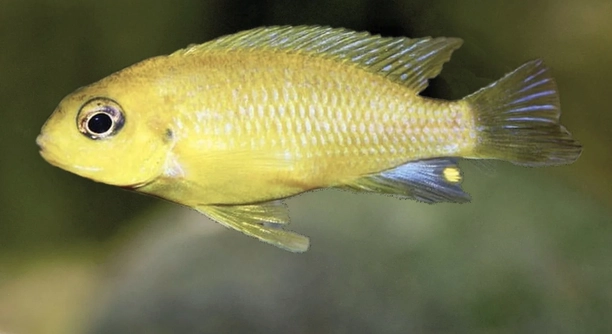
Are your electric yellow cichlids acting restless in their aquarium, making you wonder if they might need a little more room to stay comfortable and healthy in their bright and active aquatic environment at home.
Electric yellow cichlids require additional space when their territorial behavior increases, their growth accelerates, or their social dynamics shift. Limited room restricts natural movement, elevates stress, and disrupts their hierarchy, making a larger environment essential for maintaining health and interactions.
These moments highlight how sensitive electric yellow cichlids are, encouraging you to understand the signals behind their shifting space needs.
When Growing Cichlids Need Additional Room
As electric yellow cichlids grow, their need for extra room becomes more noticeable because their bodies strengthen and their swimming habits expand each month. When they remain in a small tank, they experience unnecessary tension that influences their overall comfort and daily routines. Growing cichlids often try to claim certain areas, and limited space forces these areas to overlap, creating persistent conflict that affects feeding, rest, and social interactions. Overcrowding also reduces the open areas they depend on for calm swimming. More room supports steady growth and calmer behavior.
Giving growing cichlids extra space helps them feel secure and reduces constant tension in the tank, allowing their natural routines to continue smoothly and preventing unnecessary stress that comes from limited movement and overlapping territories during their developmental stages. This added comfort supports healthier habits and improves stability in captivity.
When cichlids begin showing stronger territorial habits, the signs often appear as repeated circling, sudden quick movements, or attempts to hold specific areas for extended periods. These behaviors become more noticeable as their confidence grows, and when the tank lacks appropriate open space, they react with more intensity. Expanding their environment helps distribute these behaviors evenly, reducing the impact on other fish and maintaining calmer interactions throughout the day. This approach supports balanced behavior and steady comfort.
How Social Changes Signal Space Requirements
Social changes in electric yellow cichlids can indicate a need for extra space, especially when their interactions shift from calm behavior to frequent displays of dominance that disrupt the tank’s balance and create tension among fish that prefer predictable spacing within their environment. This adjustment helps maintain stability in group.
When social shifts begin affecting the harmony within a group of electric yellow cichlids, the underlying issue is often lack of space that limits how each fish moves and interacts. These changes appear slowly at first, then grow stronger as crowding becomes more noticeable. Dominant fish start pushing boundaries, while timid ones retreat, creating uneven activity that disrupts the entire tank. Overlapping territories increase tension, and the constant pressure affects feeding patterns, resting habits, and overall energy levels. Offering more room allows each fish to establish comfortable spacing without constant confrontation, helping them maintain predictable routines that support healthy interactions. A larger environment also reduces the risk of chronic stress, which often appears when social tension becomes too strong. By expanding their habitat, you provide a calmer setting that encourages natural behavior and improves overall tank stability for the long term. This adjustment benefits them.
When Territorial Conflicts Increase
Rising territorial tension among electric yellow cichlids becomes clear when they chase more often and guard specific areas with stronger focus. These behaviors show that their environment feels restrictive, and providing more room helps reduce conflicts, supports calmer habits, and allows each cichlid to maintain comfortable spacing inside the tank.
Increasing conflicts often reflect restricted space that prevents electric yellow cichlids from establishing steady boundaries. When these fish cannot separate their preferred areas, they begin displaying stronger physical movements that disrupt peaceful behavior in the tank. This tension places constant pressure on smaller or timid cichlids, influencing their feeding patterns and daily routines. Expanding the available space gives each fish the ability to move without continuous confrontation. It also improves general comfort by reducing frantic swimming that happens when territories overlap. A larger environment supports stable interactions, prevents persistent aggression, and creates calmer conditions that encourage healthier long term behavior.
When territorial stress rises, electric yellow cichlids begin reacting with sharper movements that signal overcrowding. These reactions grow stronger when multiple fish compete for the same spaces, creating a pattern of tension that affects the entire tank. Limited room forces dominant cichlids to push others aside, while timid ones retreat more often than normal. This imbalance disrupts feeding, resting, and natural swimming patterns. Adding more space eases these issues by separating activity areas and preventing constant clashes. A larger environment creates interactions, supports healthier routines, and reduces the pressure that develops when their habitat no longer matches their territorial needs.
When Breeding Activity Intensifies
Breeding activity increases the need for more space because electric yellow cichlids become more protective during this stage. Their movements grow quicker, and they begin guarding selected areas with stronger focus. Limited room forces other fish to enter these guarded spots, causing tension that disrupts normal routines. Giving them additional space prevents unnecessary conflict and allows breeding pairs to maintain calmer behavior during this sensitive process. This adjustment supports healthier activity throughout the tank overall.
When electric yellow cichlids begin preparing for breeding, their need for space becomes more noticeable because they shift their behavior toward focused movements and protective actions. These changes influence the entire tank as breeding pairs attempt to hold specific areas for extended periods. Other fish entering these spaces create immediate tension, which leads to repeated chasing that interrupts feeding, resting, and normal swimming routines. Limited room restricts how each fish moves, increasing stress that affects overall tank stability. A larger environment separates breeding activity from general movement, reducing pressure on nonbreeding fish and helping pairs settle into their roles with less interruption. This supports calmness.
When Activity Levels Become Excessive
Increased activity levels show that electric yellow cichlids need extra room to release energy without disturbing others. Fast swimming, constant movement, and repeated circling indicate restricted space that affects their comfort. Providing a larger environment gives them freedom to move in a calmer, more balanced way.
When their activity becomes intense, it often disrupts other fish that prefer steady movement. Limited room forces these energetic behaviors into tight areas, creating tension across the tank. Expanding their habitat eases this pressure by offering open sections where active cichlids can swim freely without crowding calmer fish.
When Hiding Spots Become Overcrowded
Overcrowded hiding spots signal that your electric yellow cichlids need more space because they rely on secluded areas to rest and feel secure. When too many fish attempt to use the same caves or crevices, tension develops and weaker cichlids lose access to essential shelter. This leads to stress that affects health and daily routines. Expanding their environment offers more resting areas, prevents competition, and supports calmer behavior by giving each fish a proper place to retreat without interruption. More room ensures comfort and stability in their habitat.
When Feeding Time Turns Chaotic
Chaotic feeding behavior often shows that space is limited because movement becomes rushed and fish compete too closely for food. More room helps separate activity, reduces tension, and creates a smoother feeding process for the entire tank.
How do I know if my electric yellow cichlids need more space?
You can tell by observing their behavior closely. Signs include constant chasing, rapid swimming, hiding more than usual, and increased aggression. Fish may guard certain areas aggressively or circle repeatedly, showing stress from lack of room. Overcrowding also affects feeding, as timid fish may be pushed aside. A larger tank often resolves these behaviors, allowing each cichlid to move freely and maintain its natural routines without continuous confrontation or tension.
What size tank is suitable for a growing group of electric yellow cichlids?
For a small group of three to five cichlids, a minimum tank size of 55 gallons is recommended. Larger groups require proportionally bigger tanks to prevent overcrowding and aggressive behavior. A bigger environment supports swimming, territorial boundaries, and calmer interactions. When cichlids grow, their space needs increase significantly. Over time, an adult cichlid can reach over six inches, making proper spacing essential. Providing ample room not only reduces stress but also supports overall health, proper feeding, and resting patterns.
Can overcrowding affect their health?
Yes, overcrowding impacts both physical and mental health. Limited space increases stress levels, which suppresses the immune system, making fish more vulnerable to infections and disease. It also causes injury from repeated chasing or fights, particularly for weaker or smaller fish. Stress may lead to loss of appetite or erratic swimming patterns. Over time, this can slow growth or create long-term behavioral issues. Ensuring a larger environment helps reduce conflict, improves general well-being, and supports normal growth rates and activity patterns.
How do breeding pairs benefit from more space?
Breeding pairs become protective and highly territorial, requiring areas they can claim and defend. A cramped tank increases conflicts as other fish accidentally enter these zones. Providing extra room separates breeding activity from general movement, reducing stress for both the pair and the rest of the group. More space allows fish to establish territories naturally, maintain normal feeding routines, and prevent constant interruptions that can negatively affect reproductive behavior and overall calmness.
Is there a way to manage space without getting a bigger tank?
Partial adjustments are possible but limited. Adding rocks, caves, and plants can create visual barriers that reduce aggression by defining small territories. However, these modifications do not replace the need for actual swimming space. Fish still require room to move freely. Overcrowding remains stressful even with decorations. In the long term, upgrading to a larger tank is the most effective solution to reduce conflict, support health, and maintain stable social dynamics.
Do electric yellow cichlids become more aggressive if they are cramped?
Yes, limited space increases territorial aggression. Fish react to restricted environments by chasing, nipping, and defending small areas more intensely. Aggression is often directed toward weaker or new fish, creating an imbalance in the tank. Expanding the tank helps distribute territories evenly and reduces daily stress, making interactions calmer and feeding times smoother. Observing these behaviors early allows for timely adjustments, preventing injury and ensuring healthier social behavior.
How often should I monitor their behavior for space issues?
Daily observation is recommended. Watch for signs such as constant chasing, frequent hiding, erratic swimming, or uneven access to feeding areas. Early detection allows timely action, whether adding decorations for temporary relief or upgrading the tank. Monitoring behavior consistently ensures that growth, territorial needs, and social dynamics remain balanced, preventing stress-related health problems.
Can multiple groups of cichlids share one large tank?
Yes, larger tanks allow multiple groups to coexist if there is enough space and adequate hiding spots. Territorial conflicts decrease when fish can establish their own zones. Even with a large tank, careful planning of decorations, rocks, and plants is necessary to maintain balance and prevent overlapping territories. Adequate swimming areas and clearly defined boundaries help maintain harmony, reduce stress, and support natural behavior for all fish in the tank.
What is the impact of limited space on feeding habits?
Limited space causes feeding competition. Dominant fish may push others aside, leading to uneven access to food. Timid fish can become malnourished if they cannot compete effectively. Providing more space allows fish to spread out during feeding, ensuring everyone can eat at their own pace. Proper spacing reduces tension, supports natural feeding behavior, and improves overall health by preventing nutritional imbalances.
How can I tell if adding space has helped?
Positive changes include calmer behavior, less chasing, more even distribution during swimming, and regular feeding habits. Hiding spots become less overcrowded, and territorial displays decrease. Fish are more active without constant stress. Monitoring these improvements over several days to weeks shows that the expanded environment supports healthier routines, reduced aggression, and overall well-being.
Final thoughts on caring for electric yellow cichlids focus on the importance of providing enough space to support their health, behavior, and overall comfort. These fish are naturally active and territorial, and a cramped environment can lead to stress, aggression, and disrupted routines. Observing their behavior closely is key. Signs such as constant chasing, frequent hiding, or overly aggressive interactions indicate that the tank is no longer meeting their needs. Ensuring that each cichlid has room to swim freely, establish personal territories, and retreat when needed helps maintain a stable and healthy environment. Proper tank size, along with thoughtful placement of decorations and hiding spots, supports their natural behaviors and reduces conflicts.
Space requirements increase as electric yellow cichlids grow, breed, or interact socially with others in the tank. A small tank can limit their movement, making it harder for dominant and timid fish to coexist peacefully. Overcrowding affects feeding, resting, and even long-term health by increasing stress levels, which can weaken the immune system and lead to disease. Providing a larger tank helps separate territories, reduces competition during feeding, and allows fish to engage in natural swimming and resting patterns. Even temporary measures like adding rocks, caves, or plants can help, but these do not replace the benefits of an appropriately sized environment. Planning ahead for adult size and group dynamics ensures a calmer, healthier, and more balanced aquarium over time.
Caring for electric yellow cichlids is about more than just feeding and cleaning the tank. It involves understanding their behavior and recognizing when they need more space to thrive. Maintaining a spacious environment allows for steady growth, balanced social interactions, and healthier daily routines. Watching for signs of stress or aggression and acting promptly to expand their environment can prevent injuries, improve well-being, and support long-term health. Attention to space ensures that these vibrant fish remain active, confident, and comfortable, creating a more stable and enjoyable aquarium for both the fish and their caretaker. A thoughtful approach to tank size and layout makes a noticeable difference in their behavior and overall quality of life.

Hello,
If you enjoy the content that we create, please consider saying a "Thank You!" by leaving a tip.
Every little bit helps us continue crafting quality advice that supports the health, happiness, and well-being of pets around the world, for pets of all shapes, sizes, and species.
We really appreciate the kindness and support that you show us!