
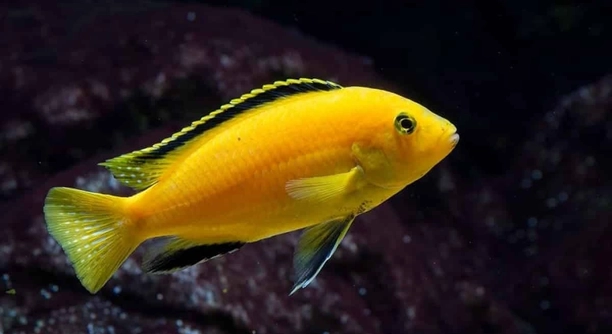
Are your cichlids reacting to constant movement and bright lighting around their tank, creating stress that shifts their behavior as daily stimulation grows beyond what their environment naturally supports and may impact their overall comfort.
Overstimulation in cichlids occurs when environmental inputs exceed their tolerance, leading to heightened stress responses that manifest through erratic swimming, territorial aggression, and rapid color changes, all indicating that sensory overload is disrupting their regulatory mechanisms within the aquarium setting.
These reactions reveal important patterns that help you understand how their senses respond to everyday surroundings and guide tank adjustments.
Excessive Tank Activity
Excessive tank activity can push your cichlids into a state of constant alertness, and I have seen how quickly their moods shift when the environment feels too intense. Fast movements, frequent tapping, and sudden changes around the glass can overwhelm them more than many keepers realize. When stimulation keeps coming from every direction, their energy rises in ways that look lively at first but slowly build into restlessness. You might notice them pacing along the glass, nipping at tank mates, or flaring their fins for longer periods than usual. These behaviors grow stronger when the surrounding room stays busy throughout the day, and the fish never get enough time to settle. Paying attention to these subtle signals helps you understand when the environment becomes too active. Making small changes like reducing foot traffic, lowering brightness, or adding visual barriers can help them relax and regain a calmer rhythm each day.
Short bursts of noise can unsettle them even if the tank seems stable. Sudden loud sounds create quick spikes in stress that linger longer than expected, making them more reactive. Limiting sharp noises around the tank keeps their behavior steadier and supports a more peaceful atmosphere in their daily routine period.
Lighting plays a big role in how your cichlids respond to their surroundings, and too much brightness can build tension quickly. Strong lights keep them highly alert, and I have noticed how they become more defensive when the glare lasts for long periods. Dimming the intensity or providing shaded areas eases their stress and encourages natural behaviors. When the lighting feels balanced, they settle into calmer swimming patterns and interact more gently with tank mates. Creating a softer environment helps them feel secure and prevents overstimulation from turning into ongoing agitation which supports healthier dynamics in their tank daily overall.
Bright Lighting Effects
Bright lights can overstimulate your cichlids faster than many realize, especially when the tank lacks shaded areas. Constant glare increases their alertness and disrupts their comfort. Lowering light intensity helps them stay calm and reduces stress built up from continuous visual pressure within the aquarium during their everyday routine period.
Prolonged exposure to intense lighting affects how cichlids behave throughout the day, and I have seen how quickly their posture shifts when the brightness feels overwhelming. Their eyes are sensitive, and strong illumination pushes them into a heightened state that disrupts their comfort. They may begin pacing near the surface, flaring at reflections, or seeking any shaded corner they can find. These reactions grow stronger when the lighting remains unchanged for many hours, especially in setups without plants or decorations to soften the glare. By adjusting brightness gradually instead of leaving it at full intensity, you give them space to settle into more natural behavior. Adding floating plants, tall structures, or darker backgrounds also helps reduce overstimulation and encourages them to move with ease. Balanced lighting supports healthier interactions among tank mates and keeps tension from building in crowded environments. When light levels remain consistent and gentle, your cichlids show calmer activity patterns and spend more time exploring instead of reacting to constant visual strain. This stability supports better long term wellbeing and prevents stress from becoming a regular part of their environment. These adjustments help them maintain steady behavior and create a setting that keeps their responses relaxed across.
Constant Aggression
Constant aggression appears when your cichlids feel overwhelmed by constant stimulation and cannot settle. I have noticed how quickly tension rises when their environment feels too intense. Their reactions become sharper, and they strike at tank mates more often when the surrounding activity keeps pushing their senses beyond comfortable limits.
Aggression increases as overstimulation disrupts how they read signals in the tank, creating constant pressure that affects each interaction. When they cannot retreat or rest, their bodies stay tense, and their responses turn reactive instead of measured. I have seen cichlids flare repeatedly, chase without pause, and guard areas they normally ignore. These behaviors grow stronger in tanks with heavy movement, loud rooms, or bright lighting that never lets them calm down. Reducing stimulation through stable lighting, quieter surroundings, and added hiding spaces helps ease their tension. Balanced conditions allow them to settle and interact more naturally again each day.
Cichlids under constant stress may also develop long term defensive habits that continue even after conditions improve, and I have watched how these patterns linger when stimulation has been high for too long. They begin approaching every movement as a threat, rushing forward or darting away before assessing the situation. This can disrupt feeding, disrupt group dynamics, and limit their willingness to explore. Strong aggression often masks underlying discomfort that grows from nonstop sensory pressure around the tank. By lowering activity near the aquarium, using softer lighting, and adding structured hiding areas, you help them rebuild stability in their tank.
Erratic Swimming Patterns
Erratic swimming patterns appear when your cichlids reach their limit with continuous stimulation, and I have seen how quickly these shifts develop when their environment stays intense throughout the day. They may dart from side to side, hover in unusual spots, or pace the glass for long stretches. These movements show that their senses are overloaded and struggling to settle under nonstop activity surrounding the tank, especially when lighting and noise remain high each day.
Erratic motion often signals that your cichlids cannot process the constant flow of stimulation around them, and I have observed how this behavior escalates when the tank lacks calm spaces. Their bodies stay tense, and they move rapidly without purpose, reacting to every slight shift outside the glass. This level of sensitivity becomes stronger in busy rooms, bright setups, or tanks with frequent human activity nearby. When they cannot anchor themselves or find shaded areas, their stress builds until it influences feeding, rest, and social interactions. Introducing plants, caves, and tall structures helps block visual overload and gives them secure places to pause. Softening the lighting and reducing sudden movement near the aquarium supports steadier behavior. These changes help them regain calm movement in their.
Faded or Rapid Color Changes
Faded or rapid color changes appear when your cichlids feel overwhelmed for long periods, and I have noticed how quickly these shifts begin when stimulation becomes too intense. Their colors may dull, pulse, or fluctuate as their bodies respond to constant stress around the tank.
These changes often show that your cichlids are struggling to settle under nonstop activity, and the visual stress becomes harder for them to regulate. Bright lighting, heavy movement, and loud surroundings all contribute to these color shifts. Adjusting the environment gently helps them regain steadier coloration with time.
Skittish Reactions and Startle Responses
Skittish reactions emerge when your cichlids can no longer process the amount of stimulation coming from their surroundings. I have watched them jump at small movements, retreat suddenly into corners, or hide for long periods whenever activity stays high. Their senses remain tightly wound, and they react before assessing anything around them. This type of response becomes stronger in tanks placed near busy walkways, televisions, or doors that open frequently. Offering shaded areas, calmer lighting, and reducing sudden movement near the aquarium helps ease their reactions. Over time, a softer environment encourages them to move with steadier patterns again.
Avoiding Feeding Time
Avoiding feeding time shows that your cichlids feel too stressed to focus on eating, and I have seen how easily overstimulation interrupts their appetite. When the room stays loud or bright, they may hesitate to come forward, circle nervously, or retreat instead of grabbing food.
FAQ
Why do my cichlids react strongly to movement around the tank?
Cichlids react strongly to movement because their senses stay alert at all times, and I have seen how external motion quickly unsettles them. When people walk past the tank too often or make sudden movements near the glass, the fish interpret these shifts as potential threats. Their instincts drive them to respond fast, either by darting away or becoming defensive. Continuous movement keeps them from relaxing, and this creates a cycle where they stay tense throughout the day. Reducing foot traffic, placing the tank in a calmer spot, or using visual barriers helps soften these reactions.
How do I know if my lighting is too bright for them?
You can tell the lighting is too bright when your cichlids stay near shaded areas, flare more often, or display rapid shifts in color. I have seen how constant glare makes them restless, especially when the tank lacks plants or decor to block the light. They become more reactive, move quickly across the glass, or attempt to hide behind filters. When strong lighting lasts too long, their stress levels rise and affect how they behave with tank mates. Softening the brightness, adjusting the schedule, or adding floating plants helps create a calmer visual environment.
What sounds stress cichlids the most?
Sudden loud sounds create the strongest stress response in cichlids, and I have noticed how even short bursts of noise can unsettle them for long periods. Sharp bangs, slamming doors, tapping on the glass, or raised voices can all spike their stress. Tanks placed near speakers or televisions often generate ongoing tension that prevents them from settling. Their bodies stay alert, their movement becomes quick, and they react before understanding the source of the sound. Softer surroundings, stable routines, and avoiding sharp noises near the tank help them remain calm.
Why does overstimulation cause aggression?
Overstimulation leads to aggression because it keeps cichlids in a constant state of heightened alertness. When their senses feel overloaded, they begin misreading signals from other fish, and I have seen how this turns simple interactions into tense situations. They chase more often, flare constantly, and guard areas they normally ignore. Their behavior comes from discomfort, not dominance, and it grows stronger when the environment remains busy. Giving them hiding spaces, reducing noise, and maintaining steady lighting allows them to reset and interact more peacefully.
Can overstimulation affect their appetite?
Overstimulation can disrupt appetite by making your cichlids too tense to focus on feeding. When the room stays bright, noisy, or active, they may approach food slowly or avoid coming forward altogether. I have seen them circle nervously or hide until the environment feels safe again. Their bodies stay in a heightened state, and eating becomes difficult. Creating a calm feeding routine, lowering activity in the room, and keeping the lighting soft during meals helps them feel secure enough to eat consistently.
How can I reduce sensory overload in a busy home?
Reducing sensory overload in a busy home starts with small adjustments. Covering part of the tank with background film softens visual movement, and adding dense plants or structures creates shaded spaces. Placing the aquarium away from walkways, televisions, or loud devices helps reduce sudden noise. Consistent lighting schedules also support calmer behavior. I have found that even a few changes can make your cichlids more relaxed. These steps allow them to settle into steady patterns and feel secure even in active households.
What long term effects can overstimulation create?
Long term overstimulation can lead to chronic stress, ongoing aggression, reduced appetite, and weakened immune responses. I have seen how cichlids exposed to constant activity become skittish, reactive, and less willing to explore their environment. Their behavior shifts from natural curiosity to constant vigilance, and this affects their health over time. Persistent tension makes them more prone to illness and disrupts how they interact with tank mates. Providing a stable, calm environment supports not only their behavior but also their overall wellbeing.
Final Thoughts
Caring for cichlids becomes much easier when you understand how their senses respond to everyday activity, and I have learned how small changes create a noticeable difference in their behavior. These fish react strongly to movement, sound, lighting, and shifts around their tank, so keeping their environment calm helps them thrive. When stimulation stacks up, they show their discomfort in subtle and obvious ways, and paying attention to these signals gives you the chance to reset their surroundings before stress becomes overwhelming. Creating a stable space with softer lighting, steady routines, and gentle activity near the aquarium encourages them to move with ease. Their patterns become smoother, their colors stay brighter, and they interact more naturally with tank mates. As you understand the way they respond to the world around them, you gain a clearer picture of what keeps them balanced and comfortable each day.
Supporting their wellbeing begins with consistency, and I have seen how dependable routines make them feel secure. Feeding at regular times, adjusting lights gradually, and minimizing quick movements around the tank all play a role in helping them settle. When the environment stays predictable, they rest more, explore more, and handle changes better. Overstimulation disrupts this balance by pushing their senses too far, and they respond with behaviors that can be confusing at first. Erratic swimming, hiding for long periods, or sudden bursts of aggression are their ways of showing that something feels off. Recognizing these signs early gives you the chance to adjust their surroundings before the stress affects their health. Adding plants, creating shaded areas, and choosing quieter spots for the tank all contribute to a calmer setting. These adjustments work together to create a space where your cichlids feel safe enough to display their natural instincts without constant tension.
Maintaining a supportive environment becomes a steady part of caring for them, and I have learned how rewarding it feels to see them settle and thrive after small changes. When their tank reflects a balanced combination of calmness and structure, their daily behavior becomes more peaceful. They interact more gently, eat more consistently, and show colors that reflect good health. Overstimulation can build quietly, but your awareness helps prevent long term issues that could disrupt their comfort. As you continue observing their habits, you begin noticing patterns that reveal what makes them confident and steady. Building a calm environment not only protects their wellbeing but also strengthens the connection you have with them as they respond to the effort you put into their care.

Hello,
If you enjoy the content that we create, please consider saying a "Thank You!" by leaving a tip.
Every little bit helps us continue crafting quality advice that supports the health, happiness, and well-being of pets around the world, for pets of all shapes, sizes, and species.
We really appreciate the kindness and support that you show us!