
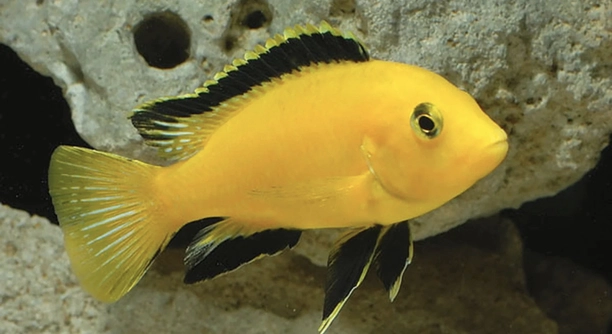
Many animals seem to know exactly where to eat, moving to familiar spots without hesitation. Watching them follow this instinct can be both fascinating and surprisingly precise, as if they remember these places by heart.
Animals often select feeding locations based on instinctive cues like safety, availability of food, and environmental familiarity. These choices are influenced by evolutionary patterns, learned behaviors, and survival needs, ensuring the animal maximizes nutrition while minimizing risk.
These instinctive choices can tell us a lot about animal behavior and survival strategies in everyday environments. Observing them offers a window into natural habits and preferences.
Backyard Corners
Some animals naturally head to quiet corners of a backyard to feed. These spots offer cover from predators and a sense of safety. Birds often choose tree branches near shrubs, while small mammals may prefer dense foliage or underbrush. These areas allow animals to eat without constant disturbance. The presence of familiar smells and prior successful feeding experiences can reinforce these locations as instinctive spots. Over time, they become regular feeding sites, almost like routines embedded in memory. Humans often notice the same birds or squirrels returning to the same corner daily, guided by an unspoken pattern. Even insects like bees or ants select edges of gardens where food is accessible but still protected from larger threats. Watching these behaviors can provide insight into how animals balance hunger and safety. The choice of corner is rarely random, and subtle factors like wind direction, sunlight, and nearby water can play a role in shaping their habits and preferences.
These backyard corners are chosen primarily due to safety, accessibility of food, and consistency in the environment. Animals rely on these factors instinctively.
Quiet corners hold more than just feeding spots. Over time, these areas can reveal preferred patterns, interactions between species, and even how seasonal changes affect animal routines. Observing these behaviors closely allows better understanding of how animals adapt to human-modified spaces, and how simple elements like shrubs, ground cover, or small water sources create reliable feeding zones.
Garden Paths
Garden paths attract certain animals because they offer clear routes with minimal obstruction. These areas often lead to food sources like flower beds or compost piles. Small mammals and birds find these paths convenient for movement while still allowing them to monitor surroundings.
Paths are favored because they combine accessibility, visibility, and repeated successful visits, making them instinctive feeding zones for many species.
Animals are drawn to garden paths due to ease of travel and predictable food locations. Birds often hop along these routes, while rabbits or hedgehogs may move cautiously along the edges. These paths also provide quick escape routes if danger appears, balancing safety and feeding efficiency. By placing feeders or plants strategically along these paths, one can encourage observation of natural behaviors. Paths naturally guide animal movement, and understanding this pattern helps in designing spaces that support both wildlife and human enjoyment. Regular use reinforces memory of the path, turning it into a preferred feeding corridor over time. Even small adjustments, like adding stones, logs, or low plants, can make the path more appealing for certain species. Through careful observation, the repeated selection of garden paths demonstrates how instinct and environment shape feeding habits, offering insights into animal decision-making in familiar spaces.
Tree Branches
Birds often choose specific tree branches for feeding because they provide a clear view of surroundings. Branches near food sources or shelter are preferred, offering safety while allowing easy access to insects, seeds, or fruits.
Branches offer stability and visibility, making them ideal feeding spots. Birds can quickly spot predators or other animals while eating. Some species prefer higher branches for better vantage points, while others stick to lower branches closer to food sources. The choice depends on both safety and convenience. Over time, certain branches become regular feeding sites, remembered instinctively through repeated use. These natural perches also serve as social spots where birds observe each other and learn about available food.
Animals use branches strategically, balancing the need to feed with risk management. Placement of branches, leaf density, and nearby shelter all influence how often a spot is used. Birds adjust their positions daily, selecting branches that offer the best combination of food access and protection. Repeated visits reinforce these choices, showing how instinct and environmental factors work together to shape feeding behavior.
Near Water Sources
Animals gravitate toward feeding spots near water because hydration and food often coexist. Wetlands, ponds, and streams attract a variety of species seeking both food and safety.
Water sources provide reliable feeding conditions. Many birds, amphibians, and mammals rely on them for hydration and finding prey like insects, fish, or aquatic plants. Locations near water often have fewer obstacles, allowing animals to detect threats quickly.
Proximity to water also reduces energy expenditure, as animals do not need to travel far for drinking or feeding. Paths leading to water become well-worn over time, reinforcing these instinctive feeding routes. Some animals select spots based on subtle cues, like current flow, depth, or surrounding vegetation, which offer both nutrition and security. Observing these areas reveals consistent patterns in how animals balance needs, showing the practical combination of instinct, environment, and routine in natural feeding behavior.
Under Bushes
Small animals often feed under bushes because these spots provide cover and protection from predators. Dense leaves and branches create a hidden area where they can eat without being easily seen.
The ground beneath bushes often contains seeds, insects, or fallen fruits. Animals instinctively recognize these areas as safe feeding zones.
Fence Lines
Fence lines attract animals because they offer a combination of support, shelter, and pathways. Birds may perch on the top, while small mammals move along the base searching for food. Repeated visits reinforce these locations as instinctive feeding spots.
Rock Crevices
Rock crevices serve as feeding spots for animals that need both shelter and access to insects or small plants. These spaces provide safety, concealment, and a consistent environment, making them instinctively preferred.
FAQ
Why do animals return to the same feeding spots repeatedly?
Animals often rely on memory and instinct to choose feeding spots. Returning to familiar locations reduces risk, saves energy, and ensures access to known food sources. Over time, repeated visits strengthen this behavior, making these spots habitual and instinctively preferred.
Are feeding spots influenced by safety or availability of food?
Yes, both factors are crucial. Animals instinctively weigh the risk of predators against the benefit of nearby food. Locations offering protection, clear visibility, or quick escape routes are prioritized. Food abundance alone is rarely enough if the spot feels unsafe or exposed.
Do different species prefer different types of feeding spots?
Absolutely. Birds often choose perches, branches, or high vantage points. Small mammals prefer ground cover, bushes, or rock crevices. Each species’ instincts, size, and mobility determine which spots feel safest while offering adequate food. Even within a species, preferences can vary slightly.
Can human activity affect instinctive feeding spots?
Human presence can disrupt these natural choices. Frequent movement, loud noises, or sudden changes may force animals to relocate feeding areas. Some species adapt and continue using modified habitats, while others avoid areas with heavy human activity entirely.
How do seasonal changes impact feeding locations?
Seasons affect both food availability and safety. In colder months, animals may shift to sheltered areas with more consistent food access. During warmer seasons, open spaces may become more viable if cover is nearby. Instinct guides these adjustments to maintain survival and efficiency.
Are feeding spots linked to social behavior?
Yes, some animals choose spots that allow observation of others. Birds often feed where others gather, learning where food is abundant. Small mammals may also watch each other before approaching a feeding site. Social cues reinforce instinctive decisions about where it is safest to eat.
How do animals find new feeding spots?
Exploration and trial-and-error play a role. Young animals may follow parents or observe others. Instinct drives them to evaluate safety, food abundance, and environmental cues. Successful new locations can then become regular feeding spots, expanding their known territory and improving survival chances.
Do predators influence the choice of feeding spots?
Predators are a major factor. Animals instinctively select spots that minimize exposure. Dense cover, elevated perches, or areas with multiple escape routes are often preferred. Even slight disturbances, such as a predator passing nearby, can alter the use of a feeding spot for extended periods.
Can feeding spots indicate animal health or population trends?
Feeding habits reflect both health and population density. Frequent visits to limited spots may indicate scarcity, while multiple animals using the same area can suggest abundance or social tolerance. Observing patterns over time can reveal changes in local wildlife dynamics and ecosystem health.
Is it possible to encourage animals to use certain feeding spots?
Yes, by providing safe conditions, accessible food, and minimal disturbances. Placing food near cover, water, or familiar landmarks encourages animals to use a spot. Consistency is key, as repeated positive experiences reinforce instinctive use and help establish the area as a preferred feeding location.
How long do animals remember their feeding spots?
Memory of feeding spots can last from days to years, depending on the species and frequency of visits. Birds and mammals often remember reliable locations across seasons, while smaller or shorter-lived species may rely more heavily on immediate environmental cues to guide their choices.
Do feeding spots ever change naturally?
Yes, changes in vegetation, water sources, or predator presence can cause animals to adapt. Instinct combined with observation allows them to shift locations while maintaining safety and access to food. Even small alterations in the environment can prompt subtle shifts in feeding behavior patterns.
Can feeding spots overlap between species?
Overlap happens frequently. Different species may share a tree, bush, or water source if food and safety are sufficient. While competition can occur, many species learn to coexist by feeding at different times or in slightly different micro-locations within the same area.
Are feeding spots more important for young or adult animals?
Feeding spots are critical for all ages, but young animals often rely on guidance from parents or group members to find safe, nutritious locations. Adults use instinct and experience to optimize efficiency, balancing food intake with predator avoidance and energy conservation.
What role does instinct play compared to learned behavior?
Instinct provides the foundation for choosing feeding spots, while learning fine-tunes the selection. Animals use prior experiences to improve efficiency, avoid danger, and locate abundant resources. This combination ensures survival and reinforces patterns that appear instinctive over time.
Do animals show preference for certain times at their feeding spots?
Yes, time of day matters. Some species prefer early morning or late afternoon when predators are less active or temperatures are favorable. Instinct guides these timing choices, balancing food acquisition with safety and energy conservation throughout the day.
Can observing feeding spots help humans understand wildlife behavior?
Observing feeding patterns provides insight into diet, social interactions, and habitat preferences. Noting which locations are repeatedly used helps identify safe areas, food sources, and seasonal changes. These observations are valuable for conservation, wildlife management, and creating spaces that support natural behaviors.
How precise is animal instinct in locating feeding spots?
Instinct is remarkably accurate. Animals often return to exact locations within a few meters of previous visits. Environmental cues, scent markers, and memory work together to guide them, demonstrating a strong natural ability to identify areas that meet their feeding and safety needs efficiently.
Do environmental changes force animals to discover new feeding spots quickly?
Yes, sudden alterations like storms, fires, or human development push animals to adapt. Instinct allows them to assess new areas for safety and food. Those that adjust quickly are more likely to survive, showing how flexibility and instinct combine to respond to changing conditions.
Are feeding spots connected to reproductive behavior?
In some species, yes. Safe and resource-rich feeding areas support mating and raising young. Adults often select spots that provide food while minimizing threats, ensuring both survival and reproductive success. These instinctive choices affect the next generation’s ability to thrive in the same environment.
How do animals balance risk and reward at feeding spots?
They assess predator presence, food abundance, and shelter simultaneously. Instinct guides them to maximize intake while minimizing danger. This balance varies by species, size, and environmental conditions. Over time, repeated assessments refine decisions, making feeding behavior efficient and adaptive.
Do animals ever compete for instinctive feeding spots?
Competition occurs when multiple animals recognize the same advantageous location. Dominant individuals may claim the best spots, while others adapt by feeding at different times or nearby areas. This natural balance ensures that instinctive feeding strategies remain effective for multiple members of a population.
Are some feeding spots used only temporarily?
Temporary feeding spots are common, especially when food sources are seasonal or limited. Animals rely on instinct to locate these areas quickly and exploit them before moving on. These spots may be used for a single season or even just a few days, depending on availability and safety.
How do young animals learn to identify feeding spots?
They follow parents or group members, observing where and how they eat. Instinct drives initial exploration, but learning from others teaches safety, efficiency, and preferred locations. Over time, these spots become memorized and reused, blending inherited behavior with personal experience.
Do feeding spots ever influence migration or travel patterns?
Yes, reliable feeding spots can guide movement across landscapes. Animals may adjust routes seasonally or daily based on known resources. Instinct helps maintain familiarity with these areas, ensuring consistent access to food while supporting broader survival strategies during travel or migration.
Can feeding spots affect the local ecosystem?
Frequent use of certain areas can shape vegetation, soil, and small animal populations. Animals disperse seeds, alter plant growth, and influence insect activity through repeated feeding. These instinctive behaviors contribute to ecosystem balance, showing the interconnectedness of feeding habits and environmental health.
Are feeding spots always near the animal’s home range?
Most instinctive feeding spots are within or near a home range, allowing easy access and safe return. Venturing too far increases risk, so animals rely on familiar territories that provide food, shelter, and protection. Knowledge of these areas is often passed across generations.
Do feeding spots change with aging?
Older animals may favor safer, easier-to-access spots. Reduced mobility or heightened caution can shift preferences. Instinct combined with experience guides these adjustments, ensuring continued feeding success while accommodating changes in physical ability and energy needs.
Can humans unintentionally create feeding spots?
Yes, gardens, compost bins, or bird feeders often attract animals instinctively. These areas provide reliable food, cover, and water, making them natural choices. Consistent presence reinforces the spot as a habitual feeding location, demonstrating how human activity can influence wildlife behavior naturally.
Do animals mark or defend their feeding spots?
Some species use scent, visual cues, or vocalizations to mark feeding areas. Dominant individuals may defend prime spots from competitors. These behaviors reflect instinctive strategies to maintain access to vital resources while reducing conflict and ensuring survival.
How do nocturnal animals select feeding spots?
Nocturnal species rely heavily on cover, quiet, and sensory cues like smell or sound. Feeding spots are chosen to minimize risk while maximizing food intake. Darkness enhances stealth, but instinct ensures that safety and accessibility remain priorities.
Do feeding spots overlap with resting or nesting areas?
Sometimes, but not always. Animals often choose feeding spots near shelter for quick escape. However, some species keep feeding and nesting areas separate to reduce exposure to predators. Instinct balances proximity with safety to optimize survival.
Can climate change affect instinctive feeding spots?
Yes, shifts in temperature, precipitation, and vegetation alter food availability. Animals must adapt by locating new spots that meet survival needs. Instinct guides initial exploration, while experience helps them settle into modified or entirely new feeding areas.
Are feeding spots permanent in protected habitats?
Even in protected areas, feeding spots can change due to natural factors like plant growth, seasonal cycles, or animal interactions. While some spots remain reliable for years, flexibility is key, and animals adjust instinctively to maintain access to food and safety.
Do animals prefer feeding spots with certain textures or surfaces?
Yes, some species favor soft ground, firm branches, or dense foliage depending on mobility and comfort. Texture influences balance, safety, and ability to handle food, shaping instinctive preferences over repeated use.
Is observation of feeding spots useful for conservation efforts?
Studying feeding behavior helps identify key habitats, understand population health, and design interventions. Observing where animals instinctively feed provides insight into ecosystem balance, resource availability, and potential threats, supporting more effective wildlife management and protection strategies.
How do weather conditions impact feeding spots?
Weather affects both food availability and safety. Rain, wind, or extreme temperatures may make some areas less accessible or risky. Animals adjust instinctively, selecting spots that provide shelter, food, and ease of movement in changing conditions.
Can feeding spots become overcrowded?
High-quality spots may attract multiple animals simultaneously. While some species tolerate shared use, others compete, leading to temporary displacement or adaptation. Instinct guides decision-making, balancing risk and reward when determining whether to remain, wait, or move to another location.
Do animals remember dangerous feeding spots?
Yes, negative experiences like predator encounters or unstable environments influence future choices. Animals avoid risky locations instinctively, using memory and caution to select safer feeding areas, demonstrating how instinct and learning interact to protect survival.
Are feeding spots used differently during mating season?
Feeding spots may be prioritized or adjusted during mating. Animals balance energy needs, access to potential mates, and safety. High-quality food areas can become more critical, supporting reproductive success and influencing territorial behavior around these spots.
Do animals ever change feeding spots for curiosity?
Exploration and curiosity can lead to temporary use of new areas. Instinct ensures safety while learning about food availability. If successful, these new locations may become regular feeding spots, expanding the animal’s known resources.
How does urbanization affect instinctive feeding spots?
Urban areas introduce new challenges and opportunities. Animals may adapt to feeders, parks, or human activity, balancing food availability with safety. Instinct helps navigate these environments, but adaptation is necessary to maintain access to safe feeding locations.
Do migratory animals rely on instinctive feeding spots along their route?
Yes, instinct guides them to reliable feeding areas that support long-distance travel. Familiar spots provide necessary energy, shelter, and predictability, allowing migratory species to survive and reproduce successfully along their routes.
Can observing feeding spots reveal interspecies relationships?
Patterns of co-feeding, avoidance, or territorial behavior offer insight into species interactions. Observing how different animals use shared or adjacent spots highlights competition, cooperation, and resource partitioning within ecosystems.
Do feeding spots influence learning in young animals?
Young animals learn from repeated observation of adults at feeding spots. These areas teach safety, food handling, and social behavior, forming foundational survival skills that persist into adulthood.
How important is location consistency for feeding spots?
Consistency reinforces memory, reduces risk, and ensures reliable food access. Animals prefer spots they know well, adjusting only when necessary due to environmental changes or threats, showing the balance between instinct and adaptability.
Do nocturnal and diurnal animals use feeding spots differently?
Yes, activity patterns shape selection. Nocturnal species prioritize cover and stealth, while diurnal animals may focus on visibility and food accessibility. Instinct ensures that both types optimize feeding efficiency while minimizing exposure to threats.
Can feeding spots influence animal fitness?
Reliable, safe, and nutrient-rich spots support energy needs, growth, and reproduction. Instinctive selection of these areas directly affects survival, overall health, and the ability to successfully raise young.
How do animals adjust feeding spots during food scarcity?
Scarcity forces exploration and risk assessment. Instinct guides them to new locations, sometimes farther from shelter or in unfamiliar areas. Successful adaptation ensures continued survival and helps maintain population stability despite challenging conditions.
Do feeding spots play a role in territorial behavior?
Yes, prime feeding locations are often defended. Dominant individuals or groups may exclude others, ensuring consistent access to resources. These behaviors reflect the importance of instinctive feeding spots in survival and social structure.
Are feeding spots influenced by light or shade?
Yes, sunlight and shade affect comfort, safety, and food availability. Some animals prefer shaded areas to avoid overheating, while others select sunlit spots for warmth or better visibility. Instinct balances these factors when selecting feeding locations.
Can observing feeding spots help predict animal movements?
Yes, regular feeding areas indicate travel routes, preferred habitats, and activity patterns. Observing these spots provides insight into daily and seasonal movements, supporting better understanding of wildlife behavior and ecosystem dynamics.
Do feeding spots vary with diet type?
Yes, herbivores, carnivores, and omnivores select locations based on available food. Plants, insects, or prey distribution influence spot selection, showing how diet and instinct work together to determine where animals feed.
How quickly do animals adapt to changes in feeding spots?
Adaptation speed depends on species, age, and environmental cues. Some adjust almost immediately, while others require repeated exposure. Instinct ensures cautious exploration, while experience solidifies new spots as reliable feeding locations.
Do feeding spots affect migration timing?
Availability of reliable feeding spots can influence departure and arrival times for migratory animals. Access to consistent food supports energy needs for travel and affects overall survival and reproductive success.
Can seasonal floods or droughts alter feeding spots?
Yes, extreme weather temporarily or permanently changes accessibility. Animals instinctively seek alternative spots with food and shelter, demonstrating flexibility and the critical role of environmental conditions in feeding behavior.
Do feeding spots overlap with play areas for young animals?
Young animals often feed near safe play areas, learning about their environment while accessing food. This proximity supports growth, social interaction, and the development of skills needed for survival in instinctively chosen feeding zones.
Are feeding spots influenced by wind direction?
Yes, wind affects scent, sound, and predator detection. Animals often select locations where wind patterns minimize exposure while allowing them to detect danger, showing how subtle environmental factors influence instinctive feeding behavior.
Can humans unintentionally disrupt feeding spots?
Yes, construction, loud noises, or sudden presence can cause animals to abandon preferred areas. Even minor changes may force temporary relocation, showing how sensitive instinctive feeding patterns are to disturbances.
Do feeding spots affect reproductive success indirectly?
Safe, nutrient-rich feeding areas ensure energy for mating and raising young. Access to these spots directly impacts health, growth, and survival of offspring, linking feeding behavior with reproductive outcomes.
How do animals choose feeding spots during extreme temperatures?
Extreme heat or cold prompts selection of sheltered, shaded, or insulated spots. Instinct guides animals to areas where temperature, safety, and food availability are balanced, allowing survival under challenging conditions.
Do feeding spots affect predator-prey interactions?
Yes, the choice of feeding spot can increase or decrease predation risk. Predators also learn where prey feed regularly, creating a dynamic balance between risk and reward in natural feeding behavior.
Can feeding spots be used to monitor environmental changes?
Regular observation of feeding spots reveals shifts in food availability, species presence, and habitat quality. Changes in usage patterns can indicate ecological stress or recovery, making these spots valuable for monitoring ecosystem health.
Are feeding spots influenced by human-provided food sources?
Yes, feeders, composts, and gardens attract animals instinctively. Consistent access encourages repeated visits, establishing new habitual feeding areas that may alter natural foraging behavior and spatial use of the environment.
Do animals prefer isolated or communal feeding spots?
Preference depends on species. Some seek solitary spots to reduce competition and predation risk, while others use communal areas for safety in numbers or social learning. Instinct balances these needs to optimize feeding efficiency.
How do animals know which spots are safe after a threat?
Instinct and memory guide assessment of previous threats. Animals monitor conditions, scents, and presence of others before resuming feeding, ensuring safety while maintaining access to food.
Can feeding spots influence animal longevity?
Access to reliable, safe feeding areas supports consistent nutrition, energy conservation, and predator avoidance. These factors directly affect survival rates, demonstrating the critical role of instinctively chosen feeding spots in life expectancy.
Do animals communicate about feeding spots?
Some species signal the presence of food through calls, scents, or behavior. Sharing information can enhance survival, teaching others about safe and resource-rich areas without direct observation.
Are feeding spots used differently in urban versus rural areas?
In urban settings, animals may adapt to human structures, feeders, and modified landscapes. Rural animals rely more on natural cover and native food sources. Instinct guides both to select safe and rewarding feeding locations in each environment.
How do animals react if a feeding spot is disturbed?
Disturbances trigger caution, avoidance, or temporary abandonment. Instinct ensures rapid reassessment, allowing animals to either return when safe or locate alternative spots. This adaptability is crucial for survival in changing environments.
Do animals prefer feeding spots near vertical structures?
Yes, vertical elements like trees, walls, or
Animals rely on instinct in remarkable ways, especially when it comes to finding food. The spots they choose to feed are not random but are carefully selected based on safety, availability, and environmental familiarity. From tree branches and fence lines to bushes and rock crevices, each location offers specific benefits that meet their needs. Birds often prefer elevated perches for a clear view, while small mammals look for dense cover to hide from predators. Even insects and amphibians instinctively select areas that maximize feeding efficiency while minimizing risk. Observing these behaviors shows how natural instincts guide animals to balance survival with energy needs, and how consistent patterns form over time.
Feeding spots also reveal how animals interact with their environment and each other. Some locations are shared among multiple species, while others are defended by dominant individuals. Seasonal changes, weather conditions, and human activity can all influence the use of these areas, forcing animals to adapt or find new spots. Over time, repeated use of safe and resource-rich locations strengthens memory and habit, making these feeding areas instinctively preferred. Young animals learn from adults, observing which locations are safe and productive, and these lessons are often carried into adulthood. In urban and rural settings alike, animals adjust instinctively, finding the balance between food access and protection from threats.
Understanding these instinctive feeding behaviors provides insight into the broader patterns of animal life. By recognizing the importance of safety, accessibility, and environmental cues, we can better appreciate the decisions animals make every day. Observing feeding spots helps track habits, assess health, and notice changes in local ecosystems. It also demonstrates how instinct and learning work together, shaping the survival strategies of many species. Whether in a backyard, a park, or a natural habitat, these instinctive feeding locations highlight the careful balance animals maintain between nourishment and safety. Over time, these observations remind us that what may seem simple—a bird on a branch or a squirrel under a bush—is actually the result of complex, instinct-driven decision-making shaped by both experience and environment.

Hello,
If you enjoy the content that we create, please consider saying a "Thank You!" by leaving a tip.
Every little bit helps us continue crafting quality advice that supports the health, happiness, and well-being of pets around the world, for pets of all shapes, sizes, and species.
We really appreciate the kindness and support that you show us!