
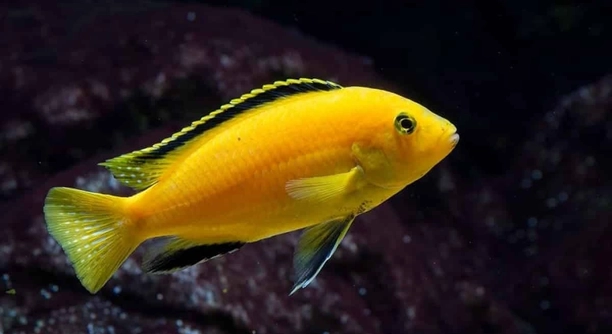
Have you ever watched your electric yellow cichlids shift their behavior when the water current changes, noticing subtle movements that feel both intriguing and gentle as they adjust to their surroundings in their aquarium homes.
Electric yellow cichlids respond to current changes by adjusting swimming patterns, shifting positions in the tank, modifying territorial behavior, and altering feeding activity, demonstrating measurable sensitivity to hydrodynamic variation within managed aquatic environments that influence their daily routines and stability.
Their reactions reveal subtle patterns shaped by shifting flow, offering helpful insight into how these fish adapt within aquatic conditions.
Shifts in Swimming Behavior
Electric yellow cichlids often reveal the first signs of current changes through simple shifts in their swimming behavior that feel easy to notice once you know what to look for. When flow increases, they tend to move closer to calmer sections, using rocks or plants as steadying points that help them stay balanced without spending too much energy. When the flow slows, they confidently explore open areas, gliding with relaxed motions that show they feel secure. These patterns are not dramatic, but they matter because they highlight how sensitive these fish are to changes in their surroundings. Watching them adjust can also give you helpful clues about how comfortable they feel in their tank. If the current shifts often, they may spend extra time choosing the safest path through the water, showing a gentle but steady response shaped by the movement around them in their daily swimming routines and habits.
They react with small directional shifts that match the changing flow, choosing spots that feel stable and comfortable. These reactions help them maintain balance and reduce stress, giving you a clear view of how their behavior adapts whenever the movement of water changes around them within the tank each day.
Observing these movements over time helps you understand how much the current influences their comfort. Strong flow encourages quick, intentional swimming, while soft flow supports slower motions. These subtle changes reveal how closely tied their behavior is to the environment. Paying attention to these patterns lets you adjust the tank setup in ways that support steady movement and calm behavior. You may notice that when flow remains consistent, they settle into familiar routes and rhythms, showing clear confidence. When shifts occur, their movements become more careful, reflecting the influence of even small changes in water movement throughout their daily routine.
Territorial Adjustments
Current changes can influence how electric yellow cichlids claim and defend spaces, leading them to shift their preferred areas based on how the water moves. They often gravitate toward zones that feel safer, allowing them to maintain control of their territory without wasting energy in unstable flow each passing day.
Territorial behavior becomes especially noticeable when current strength changes, shaping how these fish interact with both their environment and one another. When the flow increases, they often secure positions behind rocks or decorations that break the movement of water, giving them calm pockets to hold their ground without strain. Reduced flow encourages them to expand their boundaries, exploring areas they might avoid during stronger movement. These shifts create small but meaningful patterns in how they navigate their surroundings. If the current remains unpredictable, they may rotate through several hiding spots, adjusting their choices as the water shifts. By watching these actions, you can see how sensitive they are to every change in flow. This sensitivity guides their decisions, revealing behaviors that develop from instinct and comfort. Understanding how these patterns form can help you arrange your tank in ways that support natural spacing, reduce conflict, and highlight their strong preference for safe, calm resting areas. Stable flow can encourage more peaceful interactions, while unpredictable movement may lead them to tighten their territory and remain cautious. These responses highlight their careful attention to flow, showing how deeply movement shapes their actions, choices, comfort, and overall stability within the tank each day.
Feeding Pattern Shifts
Electric yellow cichlids often change their feeding patterns when the current shifts, settling into calmer areas where food is easier to reach. They conserve energy by choosing spots with steady flow, making their movements more controlled while they focus on securing each bite without unnecessary effort.
When the current grows stronger, they tend to stay near structures that break the flow, allowing food to settle in manageable pockets. This makes feeding feel more predictable for them. In softer flow, they explore open areas with ease, collecting food without rushing. These changes reflect their need to balance comfort with access to food, showing how closely they adapt to hydrodynamic shifts. By watching these feeding adjustments, you get a clear sense of how even small variations in movement can guide their behavior and help them maintain steady energy levels throughout their daily routine.
As they respond to current changes, their feeding pace often shifts in noticeable ways. Stronger flow can make them more selective, pushing them to focus on areas where food gathers naturally. Softer flow encourages more relaxed foraging, letting them wander without strain. These patterns show how deeply water movement influences their routines. Paying attention to their actions can help you adjust feeding spots to support a calmer environment. When flow remains stable, they settle into familiar feeding zones, making their movements look smooth and confident. These steady habits reflect their comfort and show how important consistent water movement is for maintaining predictable and healthy feeding behavior each day.
Social Interactions
Current changes influence how electric yellow cichlids interact with one another, shaping their closeness, spacing and confidence. Strong flow may encourage them to gather in calmer sections where they feel secure, while softer flow gives them space to spread out naturally and move with more relaxed behavior that feels gentle and steady.
These shifts often guide how they approach group dynamics. When movement increases, they may cluster near rocks or decorations, relying on shared calm spaces for comfort. Softer movement encourages exploration, reducing tension and allowing them to establish natural spacing. These patterns show how sensitive they are to subtle environmental changes. Watching these interactions helps you understand which setups support harmony, especially when multiple fish share the same areas. Stable currents promote predictable behavior, lowering the chance of small conflicts that come from sudden shifts in the environment. Consistent flow supports smoother interactions, letting them form steady routines and maintain calm behavior within their shared space.
Stress Responses
Electric yellow cichlids can show clear signs of stress when the current changes suddenly, often retreating to sheltered spots where the water feels calmer. Their movements may become cautious, and they may pause more often as they try to adjust to the new flow.
Some fish may darken slightly in color or limit their swimming to familiar areas until the flow becomes stable again. These responses usually fade once they sense consistency, but watching for these signs helps you understand when the current may be overwhelming for them.
Breathing Adjustments
When the current strengthens, electric yellow cichlids may increase their breathing rate as they work harder to stabilize themselves. You might notice faster gill movement during these moments. Softer flow usually allows them to settle into slower, more relaxed breathing that shows they feel comfortable.
Resting Behavior
Electric yellow cichlids often shift their resting spots when the current changes, choosing calmer areas that let them conserve energy. These adjustments help them stay relaxed and steady, showing how much they rely on stable flow to maintain a peaceful resting routine.
FAQ
Why do electric yellow cichlids react so strongly to current changes?
Electric yellow cichlids respond strongly because their bodies are built to sense even slight movement in the water. These shifts help them understand safety, energy use, and access to food. When the current changes, they adjust quickly so they can stay balanced and calm. Their reactions are not dramatic, but they reflect natural instincts shaped by their need to conserve energy and remain aware of their surroundings. Even in a home aquarium, these instincts stay active, guiding their movements and helping them stay comfortable as the flow shifts around them.
Is it normal for them to hide more when the flow gets stronger?
Yes, it is completely normal. Strong flow can make them feel exposed, especially if they struggle to stay steady in open areas. Hiding behind rocks, plants or decorations gives them the support they need. These areas reduce the force of the water, allowing them to rest without wasting energy. It is a gentle and instinctive response that helps them cope with conditions that feel less stable. Once the flow settles, they usually return to their normal swimming areas without hesitation.
Do current changes affect their appetite?
Current changes can influence how eager they are to eat. If the flow becomes too strong, food may move quickly through the tank, making it harder for them to catch it without effort. They may stay near calm pockets where food gathers instead. When the flow softens, they usually feed with more relaxed behavior, exploring the tank more freely. Their appetite does not disappear, but the way they approach feeding shifts based on how easy it is to reach and control their food in the moving water around them.
Why do they breathe faster when the current shifts?
A stronger current forces them to work harder to hold their position or move against the flow. This extra effort increases their oxygen demand, which leads to faster breathing. Once the water movement returns to a comfortable level, their breathing naturally slows. Watching their gill movement gives you helpful clues about how they are handling the flow. Slow, steady breathing usually means the environment feels stable and gentle for them. Faster breathing often shows they are adjusting, but it normally settles once they find calmer spots.
How can I tell if the flow is too strong for my electric yellow cichlids?
You may see them pressing themselves against structures, swimming harder than usual or avoiding open spaces they normally use. If they look like they are struggling to maintain balance, the flow may be higher than what they prefer. Consistent hiding, fast breathing or sharp directional changes can also signal discomfort. Adjusting the filter output or adding more decorations for shelter can help them feel more secure. Once they move around with smooth, calm motions, the flow is likely suitable for them.
Do they become territorial when the current shifts?
Yes, changes in the current can influence how they protect or adjust their territories. Stronger flow may push them to smaller, calmer zones where they feel they have better control. Softer flow encourages them to expand their space and explore more freely. These adjustments happen naturally and help them manage their comfort. If the tank has enough hiding spots and stable zones, their territorial reactions usually stay balanced and peaceful, allowing them to interact with each other without unnecessary tension.
Can inconsistent flow cause long term stress?
Yes, inconsistent flow can create ongoing stress if it happens frequently. Their bodies respond best to stable, predictable movement that allows them to maintain routines. Constant changes can make them cautious, interrupt their feeding habits and influence how they rest. Creating a consistent flow pattern helps them settle into daily rhythms that support comfort and health. A stable environment encourages smoother movement, calmer interactions and steady confidence, all of which help maintain their overall well-being.
How can I support them during current changes?
Providing multiple hiding spots, smooth-flow areas and structured sections in the tank helps them adapt without strain. Adjusting filter placement or adding decorations that break the flow can create stable pockets where they can rest. Watching their behavior closely helps you understand what they prefer. Simple changes, like rearranging a rock or plant, can make the tank feel more comfortable during shifting flow. A calm and balanced environment lets them move with confidence and maintain natural behavior every day.
Final Thoughts
Electric yellow cichlids respond to current changes in ways that may seem small at first, but those small shifts reveal a lot about their comfort and stability. Their behavior relies heavily on how steady the water feels around them, and every adjustment they make is tied to balance, safety and energy use. When the current becomes stronger, they do what feels natural by seeking calmer zones where they can move without strain. When it softens, they open up their space again and return to exploring with steady confidence. Watching these patterns over time helps you understand how deeply their instincts guide them. These reactions are not signs of weakness. They are simply natural responses that help them stay comfortable. Keeping an eye on these subtle actions gives you valuable insight into the conditions that help them thrive. With simple observations, you begin to notice how every shift in flow influences where they go, how they swim and how they interact with the spaces around them.
Balancing the current in their tank can make a meaningful difference in their daily life. A stable flow supports smoother movement and keeps them relaxed, while unpredictable shifts can make them cautious or protective. Their swimming routes, feeding behaviors, breathing patterns and resting choices all change in response to water movement, showing how closely they pay attention to the environment. When the tank setup gives them enough structure and calm pockets, they handle changes with ease, adjusting in gentle ways as they find the best places to settle. These small details help you understand what feels comfortable for them, allowing you to make adjustments that improve their experience. Even changes that seem minor to us can feel significant to them. By respecting these signals, you create a space that supports both their health and their natural responses to movement in the water.
Caring for electric yellow cichlids becomes easier when you recognize how much the flow shapes their behavior. Consistency helps them feel secure, but even controlled changes are manageable when the tank offers places to rest and regain balance. Their sensitivity to the current is not a challenge. It is a helpful guide that shows you what they need to feel steady. As you watch them adapt, you start to recognize rhythms in their behavior that match the flow around them. Soft movements show calm, while quick, precise shifts show awareness. These patterns become clearer the longer you observe them. Understanding these reactions helps you create a more supportive environment and strengthens the connection you feel with them as you learn to read their cues with confidence.

Hello,
If you enjoy the content that we create, please consider saying a "Thank You!" by leaving a tip.
Every little bit helps us continue crafting quality advice that supports the health, happiness, and well-being of pets around the world, for pets of all shapes, sizes, and species.
We really appreciate the kindness and support that you show us!