
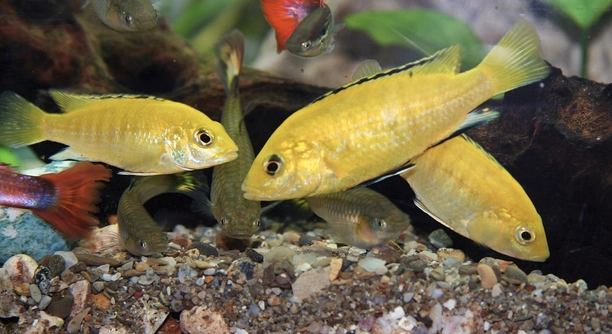
Are your aquariums feeling more chaotic than calming? Maintaining a harmonious tank environment requires attention to design, layout, and species compatibility. Thoughtful planning can help create a peaceful space that benefits both fish and plants alike.
Selecting tank designs that prioritize balance, space utilization, and environmental enrichment promotes long-term harmony. Incorporating natural hiding spaces, structured territories, and proper filtration reduces stress among aquatic species and supports stable, sustainable ecosystems within the aquarium.
Implementing these design principles will help maintain a tranquil, healthy environment for your fish, encouraging their natural behaviors and overall well-being over time.
Open-Top Community Tanks
An open-top tank allows for better air circulation and natural gas exchange, which benefits both fish and plants. I’ve noticed that tanks without lids often feel more spacious and inviting for the aquatic life inside. Open designs reduce humidity buildup and prevent condensation from interfering with lighting systems. This design also makes maintenance easier, as it provides unobstructed access for feeding, water changes, and cleaning. Plants grow more naturally with adequate light and airflow, creating hiding spots and enrichment for fish. Choosing an open-top design encourages natural swimming patterns and reduces stress caused by confinement or overcrowding. Fish that thrive in mid-water or surface levels can explore freely, while bottom dwellers have space to scavenge without interference. Proper placement of equipment like filters, heaters, and lighting is crucial to avoid disrupting the open aesthetic. Regular monitoring of water parameters ensures a stable environment and long-term harmony within the tank.
Open-top tanks improve accessibility, airflow, and fish activity while reducing stress and maintenance difficulties in a simple, effective way.
For long-term success, I place floating plants and driftwood strategically to create safe zones. I space decorations to avoid territorial disputes and ensure fish can retreat when needed. Lighting is adjusted to support both plant photosynthesis and fish comfort, mimicking natural cycles. Using gentle filtration prevents strong currents that stress smaller or weaker fish. Open-top tanks benefit from a carefully planned feeding schedule to reduce waste and maintain water quality. Observing interactions helps identify incompatible species before conflicts escalate. Consistent water changes, paired with monitoring temperature and pH, support healthy growth. Even small adjustments to layout can dramatically reduce aggression and enhance visual appeal. Over time, these elements combine to create a peaceful, thriving tank. The design feels intentional yet natural, offering an enjoyable experience for the caretaker and a stable habitat for the fish.
Partitioned or Zoned Aquariums
Partitioned tanks separate species or individuals, reducing competition and aggression.
Zoning helps maintain long-term harmony by creating defined territories and controlled interaction areas. Using transparent dividers or natural barriers like rocks and plants allows observation without constant intervention. Partitions also assist in breeding setups, quarantine areas, or managing species with different environmental needs. The approach minimizes stress and encourages natural behaviors while maintaining visibility and aesthetic appeal. For larger tanks, multiple zones prevent overcrowding and territorial disputes, allowing shy or smaller species to flourish. Filtration and water flow can be customized per section, optimizing conditions for specific species. I’ve found that alternating open and partitioned areas promotes exploration and keeps fish active. Additionally, partitions simplify maintenance tasks, as certain zones can be isolated during cleaning without disturbing the entire tank. Thoughtful zoning integrates seamlessly with decorations, creating a cohesive look while prioritizing the needs of all inhabitants. This strategy is particularly effective for community tanks with diverse species or fish prone to aggression.
Naturalistic Planted Tanks
Planted tanks create shelter and reduce stress by offering fish hiding spots and swimming paths. I always notice that fish feel calmer in tanks with dense vegetation and varied plant types. Plants also help maintain water quality by absorbing excess nutrients and providing oxygen.
Using live plants supports long-term harmony by stabilizing water chemistry and creating a more natural environment. I carefully choose species that suit the tank’s light and substrate, arranging taller plants at the back and shorter ones in the front to avoid overcrowding. Floating plants offer surface cover, while slow-growing foreground plants reduce maintenance. This layout encourages natural behaviors, such as foraging and exploring, and helps minimize aggression. Regular pruning keeps plants healthy, and combining hardscape elements like rocks or driftwood enhances territorial boundaries. I have found that a well-planted tank reduces algae growth and improves fish coloration.
Plants also act as natural barriers, limiting direct confrontations between territorial fish. By creating distinct zones with plant clusters, I can manage social interactions more effectively. Adding a variety of textures and heights encourages active swimming, while hiding spots reduce stress for shy or smaller species. Thoughtful planting improves water clarity and provides surfaces for beneficial bacteria to thrive. I also incorporate substrate choices that complement plant roots and mimic natural habitats. Over time, these design choices create a balanced ecosystem, where fish and plants coexist with minimal conflict, making the tank visually appealing and biologically stable.
Biotope-Specific Tanks
Matching the tank to a specific biotope reduces stress and supports natural behavior. I often focus on replicating riverbeds, lakes, or specific regions to suit the fish species.
Biotope tanks encourage harmony by recreating the natural habitat of each species. I select appropriate substrate, decorations, and plant life to mirror the conditions of rivers, streams, or lakes. Temperature, pH, and water hardness are adjusted to reflect the natural environment, which enhances fish health and reduces aggression. Using authentic materials like driftwood, rocks, and sand helps maintain natural social structures and provides realistic hiding spots. I carefully research compatible species from the same region to prevent territorial disputes and ensure balanced interactions.
Recreating a biotope allows fish to display their natural behaviors and reduces the likelihood of stress-induced illness. I pay close attention to water flow, simulating currents where necessary for river species. Vegetation is chosen to match both aesthetics and function, offering foraging opportunities and shelter. I also integrate subtle variations in substrate and décor to create microhabitats within the tank, giving fish options for resting and exploration. Observing the fish, I adjust layout and plant density over time to maintain balance and encourage peaceful coexistence. This approach ensures that the tank is not only visually authentic but also biologically supportive.
Open-Flow Layouts
Open-flow designs reduce territorial conflicts by allowing fish to swim freely without obstruction. I’ve found that providing clear swimming paths keeps more active species from stressing out the calmer ones. This layout also makes feeding and maintenance easier.
By minimizing tight corners and overcrowded areas, open-flow layouts encourage natural movement and exploration. Strategic placement of a few decorations still offers shelter without restricting space. Fish can establish territories without constant confrontation, and water circulation remains consistent throughout the tank. Observing my tanks, I notice that fish spend less time hiding and more time engaging in natural behaviors, which promotes long-term harmony.
Multi-Level Terracing
Terraced designs use varied substrate heights or platforms to create vertical zones. I implement this to give smaller fish hiding spaces and to separate dominant species, improving coexistence.
Gentle-Flow Filtration
Gentle-flow filters prevent stress in species sensitive to strong currents. I always use adjustable flow filters to balance water movement for each tank’s inhabitants.
FAQ
How do I choose the right tank design for my fish?
Selecting the right tank design depends on the species you keep, their behavior, and your maintenance preferences. I start by listing the fish’s natural habitat, size, and social tendencies. Community species usually do well in open-flow or planted tanks, while territorial fish benefit from partitioned or biotope-specific setups. I also consider available space, filtration options, and lighting needs. Observing compatibility is crucial, as even a beautifully designed tank can become stressful if species are mismatched. Planning layout, substrate, and decoration according to fish requirements helps maintain harmony and reduces the risk of aggression or disease.
Can planted tanks really reduce stress for fish?
Yes, plants provide hiding spots and visual barriers that help fish feel secure. I’ve seen shy or small species thrive in heavily planted areas because they can retreat when threatened. Plants also improve water quality by absorbing nutrients and producing oxygen, creating a more stable environment. Floating plants reduce bright lighting stress for surface dwellers, while root-heavy plants give bottom dwellers safe zones. The combination of shelter, oxygenation, and natural aesthetics contributes to lower stress levels and more natural behavior patterns. Regular trimming and maintenance ensure plants do not overgrow and continue to support the ecosystem effectively.
Is it necessary to replicate a specific biotope?
Replicating a biotope isn’t always required, but it can be very beneficial. I often use biotope setups for delicate or highly territorial species because matching water parameters, substrate, and décor reduces stress. A biotope provides familiar hiding spots and natural food options, supporting health and long-term stability. It also helps maintain social hierarchies and prevents aggressive interactions. Even partial replication, such as mimicking water flow, plant types, or substrate texture, can create a calmer environment. Observing the fish’s behavior over time helps determine if adjustments are needed to fully support the tank’s harmony.
How important is water flow in maintaining harmony?
Water flow plays a key role in fish comfort and stress reduction. I use gentle-flow filters for smaller or slower-moving species to prevent exhaustion and agitation. Strong currents may favor active swimmers but can intimidate timid fish. Open-flow layouts benefit from balanced circulation, allowing oxygenation and nutrient distribution without disrupting resting areas. I often adjust flow patterns and direction using baffles or filter placement to create calm zones. Proper flow also aids in filtration efficiency, helping maintain water clarity and reducing the likelihood of disease. Consistent observation ensures flow is adequate but not overwhelming for all tank inhabitants.
What maintenance practices support long-term harmony?
Regular maintenance is essential. I perform weekly water changes, test parameters, and remove debris to prevent stress and health issues. Feeding schedules are consistent, avoiding overfeeding, which can lead to aggression and poor water quality. Cleaning decorations, pruning plants, and monitoring filtration systems keep the environment stable. Observing fish interactions daily allows me to intervene before problems escalate. Proper maintenance balances biological and chemical conditions, ensuring all species coexist peacefully. Over time, these routines create predictable conditions that reduce stress, support growth, and enhance the overall well-being of the tank community.
Can partitions or zoning affect fish behavior positively?
Yes, partitions and zoning can reduce conflicts by giving fish defined territories. I use transparent dividers or natural barriers like rocks and plants to separate aggressive or territorial species. Zones also allow shy fish to explore safely and give breeding pairs private space. By limiting direct confrontations, fish experience less stress and show more natural behavior. Even in larger tanks, zoning helps manage social hierarchies and prevent overcrowding. Strategic placement of zones enhances movement, encourages exploration, and maintains visual appeal while supporting long-term harmony. Regular observation helps adjust partitions for optimal interaction and comfort.
Are gentle-flow filters always necessary?
Gentle-flow filters are essential for species sensitive to strong currents. I choose adjustable filters to match water movement to species’ needs. They prevent stress, allow smaller fish to feed efficiently, and maintain oxygenation without creating turbulence. Proper placement ensures all areas receive adequate flow while calm zones remain available for resting. This balance supports peaceful interactions and prevents dominant fish from controlling the tank entirely. Gentle-flow filtration also aids plant growth and reduces debris buildup. Consistent monitoring ensures flow remains appropriate as the tank matures and fish populations change, maintaining harmony over time.
How can I balance aesthetics with functional harmony?
Balancing aesthetics and harmony requires thoughtful design. I combine natural decorations, plants, and substrate to create visually appealing zones while considering fish behavior. Rocks, driftwood, and plants act as barriers and territories without overcrowding. Spacing decorations allows free swimming paths, while variation in height and texture encourages exploration. Proper lighting complements plant growth and fish comfort. I often rearrange elements gradually to avoid stress. A well-planned tank is both attractive and functional, supporting species-specific needs, reducing aggression, and creating a peaceful, long-lasting aquatic environment.
What are the common mistakes to avoid in tank design?
Overcrowding, mismatched species, and inadequate hiding spots are common mistakes I see. Strong currents, poor water quality, and lack of structure can lead to stress and aggression. Ignoring natural behaviors or social hierarchies disrupts harmony. Neglecting regular maintenance or proper filtration also destabilizes the environment. Avoiding these mistakes ensures the tank remains balanced and supports healthy, peaceful interactions among fish. Thoughtful planning and observation prevent long-term problems and maintain a stable, harmonious aquarium.
How often should I adjust the tank layout?
Adjustments should be gradual and based on observation. I usually rearrange plants or decorations if fish show signs of stress or territorial disputes. Minor changes help create more hiding spaces or reduce aggressive interactions. Frequent, sudden alterations can cause stress, so maintaining consistency is key. Over time, small modifications improve comfort and encourage natural behavior, promoting long-term harmony.
Final Thoughts
Creating a harmonious aquarium requires careful planning and thoughtful consideration of your fish, plants, and tank layout. Every design choice has an impact on the overall balance of the environment. I have found that selecting a tank style that suits the species you keep is the first step toward long-term success. Open-top designs, planted tanks, and partitioned setups each offer unique benefits that support both fish behavior and ecosystem stability. Observing how fish interact with each other and their surroundings helps identify potential issues early, allowing adjustments before problems escalate. Even small details, such as substrate selection or plant placement, can influence territorial disputes, stress levels, and overall health. By thinking ahead and planning with purpose, you create a foundation for a thriving, balanced aquarium that promotes natural behavior and reduces the likelihood of aggression or illness.
Maintaining harmony in an aquarium is not only about design but also about consistent care and management. Regular water changes, proper filtration, and monitoring of temperature and pH levels are crucial to sustaining a healthy environment. Feeding schedules should be consistent, and care should be taken to avoid overfeeding, which can deteriorate water quality and upset the balance between species. I have learned that observation is one of the most important tools in maintaining a peaceful tank. Watching how fish respond to changes, interact with one another, and utilize the space you provide can guide further improvements to the layout and care routine. Gentle-flow filtration and careful zoning or partitioning of species create areas for exploration and retreat, allowing fish to feel secure and maintain natural behaviors. A well-maintained tank reduces stress, encourages activity, and supports the long-term health of both fish and plants.
Long-term harmony also relies on adaptability and patience. Aquariums are dynamic systems that require adjustments over time as fish grow, plants spread, or populations change. I often make small changes to plant density, decoration placement, or water flow to improve comfort and reduce conflict. Using naturalistic designs and biotope-specific elements provides familiar cues to fish, helping them thrive in conditions similar to their natural habitats. Balance between aesthetics and function ensures that the tank remains visually appealing while meeting the needs of its inhabitants. By combining thoughtful design, careful observation, and consistent care, it is possible to create an aquarium that remains peaceful and sustainable for years. The result is a tranquil, visually engaging habitat where fish can exhibit natural behaviors, plants flourish, and the environment stays stable, offering satisfaction and enjoyment for both the caretaker and the aquatic community.

Hello,
If you enjoy the content that we create, please consider saying a "Thank You!" by leaving a tip.
Every little bit helps us continue crafting quality advice that supports the health, happiness, and well-being of pets around the world, for pets of all shapes, sizes, and species.
We really appreciate the kindness and support that you show us!