
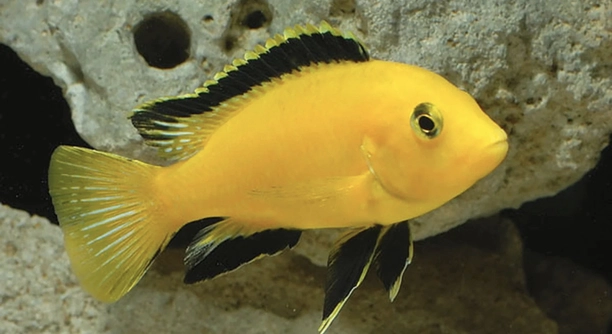
Do you ever notice your electric yellow cichlid swimming calmly in its tank, seeming relaxed and content? Observing its daily behavior can reveal subtle signs that it feels safe and comfortable in its environment.
A cichlid displays feelings of safety through consistent, relaxed swimming patterns, exploring its tank without hesitation, maintaining bright coloration, interacting gently with tank mates, and responding calmly to human presence or changes in its surroundings. These behaviors indicate a secure and stable habitat.
Recognizing these small behaviors can help you better support your fish’s well-being and create a more harmonious aquarium environment for your cichlid.
Calm and Steady Swimming
Watching your electric yellow cichlid glide through the water with ease is one of the clearest signs it feels secure. When the fish moves without sudden bursts or frantic darting, it shows comfort in its surroundings. A confident, smooth swimming pattern often indicates that the tank’s conditions are suitable, including water temperature, pH, and cleanliness. Cichlids that feel threatened tend to hide behind decorations or freeze in one corner. Observing where your fish spends most of its time can tell you a lot about its sense of safety. A cichlid that explores the entire tank, even approaching areas near equipment or filters, is likely feeling stable. Consistency in swimming, paired with gentle turns and slow approaches toward objects or other fish, reflects both physical health and emotional comfort. Regularly noting these patterns can help you detect subtle changes that might indicate stress. Over time, you’ll learn what normal behavior looks like for your individual cichlid.
Electric yellow cichlids that swim confidently tend to be more active and visually vibrant.
Tracking swimming patterns daily not only highlights comfort but also allows early detection of stress, disease, or aggression in the tank, which can save time and prevent long-term issues.
Interaction with Tank Mates
Your cichlid’s behavior toward other fish is a strong indicator of its sense of safety. When it interacts calmly without showing excessive aggression or fear, it demonstrates confidence and comfort.
A safe cichlid maintains clear boundaries but does not attack unnecessarily. In a peaceful community tank, it may swim alongside others, occasionally showing curiosity without chasing or bullying. It can share hiding spots without conflict and tolerate close proximity during feeding times. Social interactions, even subtle ones, like synchronized swimming or gentle nudges, show that the fish trusts its environment. Conversely, excessive hiding, lunging, or constant chasing signals discomfort or insecurity. Observing these interactions consistently helps identify if the tank setup, including decorations and space, is adequate. Balanced water chemistry, proper feeding schedules, and appropriate population density support calm social behavior. Electric yellow cichlids that feel safe often display playful curiosity, exploring alongside tank mates rather than avoiding them. Careful monitoring of these behaviors allows you to make small adjustments that improve tank harmony, resulting in a more vibrant and engaging aquatic community where every fish thrives.
Bright and Consistent Coloration
Electric yellow cichlids that feel safe display strong, vibrant colors without dull patches. Consistent brightness is a sign of health and comfort in their environment, reflecting proper diet and minimal stress.
Healthy coloration depends on stable water parameters, balanced nutrition, and the absence of aggressive stressors. When a cichlid feels secure, its yellow hue appears radiant across the body and fins, while patterns remain sharp and even. Sudden fading or darkening can indicate stress, illness, or territorial disputes. Observing color over time helps identify shifts in well-being. Maintaining regular water changes, providing nutrient-rich food, and keeping compatible tank mates all contribute to sustained vibrancy. A confident, brightly colored fish is likely comfortable exploring the tank and engaging naturally with its surroundings.
Regularly monitoring color allows you to catch early signs of stress or imbalance. This observation, combined with behavior tracking, gives a fuller picture of your cichlid’s safety and health.
Approaching Humans Calmly
Electric yellow cichlids that feel safe often swim toward the tank glass when people are nearby. They show curiosity without panic or sudden movements.
Calm interactions with humans indicate trust and adaptation to routine. A secure cichlid may follow your hand along the tank, inspect feeding areas, or linger near decorations while you’re present. This behavior reflects comfort with both movement and noise outside the tank. Avoid sudden tapping or aggressive feeding patterns, as these can reverse trust. Regular gentle interaction reinforces confidence and reduces stress-related behaviors like hiding or darting. Over time, the fish learns that human presence is predictable and non-threatening, strengthening its sense of security. Creating a stable environment with consistent lighting, temperature, and feeding routines supports these positive interactions, making the cichlid more approachable and relaxed. Consistent, calm responses demonstrate that your fish recognizes its environment as safe, showing both emotional and physical well-being.
Steady Appetite
A cichlid that feels safe eats with calm interest and approaches food without hesitation. It maintains a regular feeding pattern and shows steady enthusiasm during meals, signaling comfort with its surroundings and confidence in its daily routine.
A stable appetite also reflects good health and minimal stress. When the fish eats without retreating or pausing, it shows trust in both the environment and nearby movement. Sudden loss of appetite often points to discomfort, so keeping track of daily feeding behavior helps you spot changes early.
Using Hiding Spots Naturally
A secure electric yellow cichlid uses hiding places without relying on them constantly. It moves in and out with ease, treating them as part of normal exploration rather than signs of fear or avoidance.
Resting in Open Areas
Cichlids that feel safe often rest in open spots instead of staying tucked away. Relaxed hovering or settling near the center of the tank shows comfort with the surroundings and signals a sense of overall security.
FAQ
How can I tell if my electric yellow cichlid is feeling stressed rather than safe?
Stress often shows through hiding for long periods, rapid darting, faded coloration, clamped fins, or loss of appetite. When a cichlid feels safe, its movements stay calm, its colors remain bright, and it participates in normal daily activities without hesitation. Paying attention to changes over several days helps you distinguish a temporary reaction from a deeper issue. A stressed fish may avoid open areas or react strongly to sudden movement near the tank. Creating a stable environment with consistent parameters supports steady behavior and helps prevent prolonged stress responses.
What water conditions help my electric yellow cichlid feel secure?
Consistent water quality plays a major role in how safe your cichlid feels. Keeping the temperature steady, maintaining proper pH, and performing regular water changes all encourage comfort and reduce stress. Stable parameters allow the fish to settle into a predictable environment. Sudden shifts, even small ones, can cause unease, so testing the water often and making changes gradually is key. Clean water also supports better health, which creates more confidence in exploring the tank and interacting normally with tank mates.
Why does my cichlid lose color even though it seems safe?
Color changes sometimes occur even when the fish appears comfortable. Diet, lighting, genetics, and age can influence brightness. If the cichlid still swims calmly and behaves normally, slight color variations may not signal a problem. However, if fading color appears alongside hiding or loss of appetite, it may point to stress or illness. Watching for patterns in both behavior and appearance helps you understand what is normal for your fish.
Is aggression always a sign that my cichlid feels unsafe?
Not always. Electric yellow cichlids can be naturally territorial at times, even when they feel safe. Brief chasing or mild displays are common and not necessarily concerning. What matters is the intensity and frequency of the behavior. Constant attacks, nipping, or bullying show discomfort or overcrowding. The fish may need more space, better hiding spots, or more compatible tank mates. Balanced interactions, where the cichlid knows its boundaries without acting out excessively, indicate a sense of stability.
How often should I observe my cichlid’s behavior to know if it feels safe?
A few minutes each day is enough to understand normal patterns. Casual daily observation helps you notice changes in swimming, appetite, coloration, and social interaction. When you consistently watch how your cichlid behaves during feeding, resting, and exploring, you learn its natural rhythm. This makes it easier to spot early signs of stress before they become serious.
Does the layout of the tank affect how safe my electric yellow cichlid feels?
Yes, the layout has a big influence. A well-structured tank with caves, plants, and open swimming areas gives your cichlid options. Feeling safe often comes from having places to explore and spots to retreat to if needed. When the tank is too open or too crowded, the fish can become uneasy. Creating a balance between cover and open space encourages calm, confident behavior.
Can feeding routines help my cichlid feel safer?
Regular feeding times help build trust. When your cichlid knows when to expect food, it becomes more relaxed around you and the tank environment. Predictable routines reduce anxiety and support healthy eating patterns. Sudden changes in feeding times or overfeeding can lead to stress, so steady habits make a noticeable difference.
What role do tank mates play in helping my cichlid feel secure?
Tank mates greatly influence safety. Peaceful, compatible species help maintain harmony, while aggressive or overly active fish can cause ongoing stress. Electric yellow cichlids thrive when surrounded by fish that respect boundaries. Watching how they interact daily helps you decide whether adjustments are needed. A calm community encourages natural behavior, making your cichlid feel more at ease.
Is it normal for a safe cichlid to rest in different spots each day?
Yes, this is completely normal. Electric yellow cichlids sometimes shift where they rest based on lighting, temperature, or activity in the tank. As long as the fish rests openly and does not hide constantly, this behavior shows comfort rather than insecurity. Variety in resting spots reflects confidence in the entire tank environment.
How can I support my cichlid’s long-term sense of safety?
Providing stability is the best approach. Consistent routines, clean water, safe tank mates, balanced feeding, and a supportive layout all contribute to long-term comfort. Observing behavior often and making small improvements when needed ensures the fish continues to feel secure. Over time, the trust your cichlid builds in its environment becomes clear through calm swimming, steady appetite, and vibrant color.
Final Thoughts
Caring for an electric yellow cichlid becomes easier when you learn to recognize the small signs that show whether it feels safe in its environment. These signs are not always dramatic, and sometimes they shift from day to day, but each one gives you a small piece of information about your fish’s comfort. Observing behavior with calm attention helps you understand what feels normal and what might signal a change. When your cichlid swims smoothly, maintains bright color, eats with interest, and interacts steadily with tank mates, you can feel confident that it is adapting well to its home. These simple moments of normal daily behavior often reveal more than any complicated test or tool. You start to see patterns that reflect the balance in the tank and the health of the fish, and this makes your care feel more connected and thoughtful.
Creating a safe environment for your cichlid is not about perfection. It is about consistency, stability, and a gentle approach to change. Small adjustments, like maintaining clean water, offering a balanced diet, and choosing compatible tank mates, can make a significant difference. A fish that feels secure will explore without fear, rest in open areas, and show curiosity toward you. These signals grow stronger when the tank remains predictable and supportive. When you keep an eye on water quality, provide familiar feeding routines, and watch how your fish responds to its surroundings, you help build a space where it can thrive. Each decision you make, even the simple ones, shapes the daily comfort of your cichlid. With time, you will notice how your efforts create a calmer and healthier living space for your fish, allowing it to behave naturally and confidently.
As you continue caring for your electric yellow cichlid, remember that its sense of safety is influenced by many small factors working together. The tank layout, the lighting, the behavior of other fish, and the way you interact with the aquarium all play a part in shaping how secure it feels. When you stay aware of these pieces and respond gently to changes, your fish benefits from the stability you create. Over the long term, this steady environment helps your cichlid show its best colors, maintain healthy routines, and live more comfortably. Paying attention to subtle cues helps you notice shifts early, letting you act before stress becomes a bigger issue. In the end, understanding these signals not only supports your cichlid’s well-being but also makes your experience as a keeper more rewarding, peaceful, and engaging.

Hello,
If you enjoy the content that we create, please consider saying a "Thank You!" by leaving a tip.
Every little bit helps us continue crafting quality advice that supports the health, happiness, and well-being of pets around the world, for pets of all shapes, sizes, and species.
We really appreciate the kindness and support that you show us!