
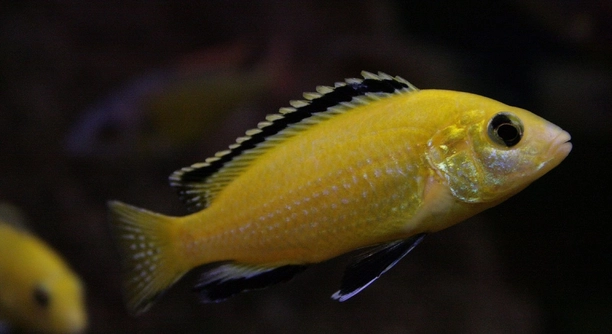
Electric yellow cichlids are popular among aquarium enthusiasts for their bright colors and lively personalities. Over time, these fish develop unique behaviors that reflect their environment, health, and social interactions with other fish in the tank.
Electric yellow cichlids exhibit habits such as territorial guarding, specific feeding routines, interaction with tank mates, exploring their environment, reacting to changes, establishing resting areas, and displaying courtship behavior. These behaviors develop gradually as they adapt to their habitat and social structure.
Observing these patterns can provide insight into their well-being and help maintain a thriving aquarium environment. Each habit tells a story about their growth and adaptation over time.
Territorial Guarding
Electric yellow cichlids are naturally territorial. They often choose a spot in the tank and defend it from other fish, especially during feeding or breeding times. You may notice them chasing or nudging tank mates that come too close. This behavior becomes more pronounced as they grow and settle into their environment. Providing hiding spots and visual boundaries in the tank can help reduce stress. Rocks, plants, and decorations give them areas to claim without constant conflict. Over time, the cichlids learn to recognize other fish and understand which areas they can access safely. Territorial guarding is also a way for these fish to show strength and confidence, signaling to others that they are established in the tank hierarchy. Observing these interactions can be fascinating and gives insight into how they communicate without sound, relying on body language and movement.
Territorial behavior helps electric yellow cichlids establish dominance and maintain order in the tank, ensuring each fish has space to thrive.
Monitoring these behaviors can improve tank management, reduce aggression, and create a healthier environment for all fish. Proper tank layout encourages natural interaction and prevents excessive stress or injury.
Feeding Routines
Electric yellow cichlids develop predictable feeding habits. They often eat at specific times and respond quickly to food being added.
These fish may hover near the surface when food is expected or explore the substrate for dropped flakes. Over time, they recognize feeding patterns, allowing owners to anticipate their needs. Feeding small portions multiple times a day prevents overeating and maintains water quality. A balanced diet, including pellets, vegetables, and occasional live food, supports growth and vibrant coloration. Observing their feeding routine also helps detect health issues early. If a fish stops eating or changes its routine, it may indicate stress, illness, or environmental problems. Maintaining consistent feeding times strengthens trust between the fish and their environment, making the tank more predictable and comfortable. Additionally, watching their feeding behavior can be rewarding, as each fish often shows personality traits in how it approaches food, whether boldly grabbing it or cautiously inspecting it first.
Interaction with Tank Mates
Electric yellow cichlids often show interest in other fish, sometimes swimming alongside or nudging them. These interactions help establish social hierarchy and can prevent boredom.
Their behavior varies depending on the personalities of tank mates. Some cichlids are more dominant and may chase others, while some remain more passive, observing from a distance. Proper spacing and hiding spots can reduce conflicts and give each fish comfort. Over time, these interactions teach them boundaries and allow them to recognize individual fish. They may also form loose groupings for security, especially during feeding or exploring new areas. Watching these behaviors can reveal subtle communication signals, like fin displays or gentle nudges, which indicate intent without aggression. Encouraging positive interactions supports a balanced, stress-free tank environment and helps each fish thrive socially and physically.
Territorial and social behaviors together shape how cichlids coexist, balancing dominance and cooperation.
Recognizing these patterns allows owners to manage aggression, monitor health, and ensure peaceful coexistence, ultimately creating a stable tank community where each fish has space and safety.
Environmental Exploration
Electric yellow cichlids spend time investigating plants, rocks, and decorations in their tank. This behavior helps them feel secure and familiar with their surroundings.
Exploration is crucial for their mental stimulation. They may move objects, dig in substrate, or swim through tight spaces. Over time, they learn which areas are safe, where to hide, and which spots are most comfortable for resting. Adding new objects or rearranging the tank encourages continued activity but should be done gradually to avoid stress. Exploration also allows them to find food particles and maintain natural instincts. Watching them navigate the environment reveals personality differences, from bold explorers to cautious surveyors. Ensuring there are multiple levels, caves, and plants keeps them active and reduces boredom.
Fostering this behavior improves overall health, encourages natural instincts, and helps cichlids adjust to changes in their environment, making the tank more dynamic and engaging.
Reacting to Changes
Electric yellow cichlids notice even small changes in their tank. They may swim cautiously or hide when new decorations or fish are introduced.
They adapt gradually, learning which changes are safe and which require caution. Over time, their responses become predictable, showing they are aware of their surroundings and can adjust to maintain comfort.
Establishing Resting Areas
Cichlids often choose specific spots for resting, usually near rocks or plants that offer shelter. These areas become their safe zones, where they feel secure and can recover from activity or stress.
Resting habits vary among individuals. Some prefer open spaces, while others select hidden areas. These patterns reflect their need for security and comfort in the tank. Consistent resting spots help reduce anxiety and create a routine, contributing to overall health. Observing where they rest also reveals their comfort level with the environment and interactions with other fish.
Displaying Courtship Behavior
During breeding or social interactions, electric yellow cichlids show courtship behaviors like fin flaring, body shaking, and color intensification. These displays signal readiness to mate or establish social bonds.
Recognizing these behaviors helps in managing breeding efforts and maintaining tank harmony.
FAQ
How do I reduce aggression among electric yellow cichlids?
Aggression is common due to their territorial nature. Providing enough space, hiding spots, and visual barriers helps. Rocks, plants, and decorations allow fish to claim separate areas. Avoid overcrowding the tank, and monitor interactions to prevent serious fights. Separating aggressive individuals temporarily can also calm tensions.
What is the best diet for electric yellow cichlids?
A balanced diet is key. Use high-quality cichlid pellets as the main food. Supplement with vegetables like peas or spinach and occasional live or frozen food such as brine shrimp or bloodworms. Feed small portions multiple times daily to prevent overfeeding and maintain water quality.
How can I tell if my cichlid is stressed?
Signs of stress include hiding frequently, loss of appetite, erratic swimming, faded coloration, and rubbing against surfaces. Changes in behavior often indicate environmental issues such as poor water quality, overcrowding, or sudden changes in lighting or temperature. Observing behavior daily helps catch stress early.
Do electric yellow cichlids need a heater?
Yes, they prefer stable temperatures between 75°F and 82°F. A heater maintains warmth, while a thermometer ensures accuracy. Sudden drops in temperature can weaken their immune system, increase stress, and trigger aggressive or unusual behavior. Consistency is more important than exact numbers.
How often should I clean the tank?
Partial water changes of 20–30% weekly help maintain water quality. Clean decorations and substrate carefully to avoid disturbing the established environment. Avoid complete water replacement, which can stress fish and remove beneficial bacteria essential for a healthy tank ecosystem.
Can electric yellow cichlids live with other fish?
They can coexist with similar-sized, robust species. Avoid small or slow-moving fish, as cichlids may see them as targets. Providing hiding spaces and monitoring interactions ensures safety. Introducing tank mates gradually reduces stress and allows them to establish boundaries naturally.
Why is my cichlid digging in the substrate?
Digging is natural. They explore, create resting spots, and search for food. This behavior helps them feel secure and establishes territory. Using a soft substrate prevents injury, and rearranging decorations can satisfy curiosity without causing damage or stress.
How do I encourage breeding?
Provide stable water conditions, a clean tank, and suitable hiding spots like rocks or caves. Feed a nutritious diet and maintain proper temperature and pH. Pair compatible fish and observe courtship behaviors. Minimal disturbance during this time supports successful spawning.
What are common health issues?
Common problems include ich, fin rot, and swim bladder issues. Poor water quality, overfeeding, and stress are primary causes. Quarantine new fish and treat issues promptly. Regular water tests and maintaining proper tank conditions prevent most diseases.
How can I monitor their behavior effectively?
Observe daily for changes in eating, swimming, and social interactions. Noting patterns in resting, feeding, and territory helps detect stress or illness early. Keeping a consistent routine provides insight into their habits and ensures a healthy, thriving tank environment.
Are decorations necessary for their well-being?
Yes, rocks, plants, and caves provide shelter, reduce stress, and encourage natural behaviors. They also help establish territories, limit aggression, and offer stimulation. Changing or adding decorations gradually keeps fish engaged without causing anxiety.
How do I maintain water quality for electric yellow cichlids?
Regular water testing for pH, ammonia, nitrite, and nitrate levels is essential. Partial water changes, proper filtration, and avoiding overfeeding maintain clean water. Removing waste and uneaten food prevents toxins, while stable conditions support health, color, and natural behavior.
Final Thoughts
Electric yellow cichlids are vibrant and active fish that develop unique habits as they grow. Observing their behaviors provides insight into their needs and personalities. From territorial guarding to exploring their environment, each habit reflects how they adapt to life in the tank. Understanding these patterns helps maintain a healthy, stress-free environment for them. By paying attention to their daily actions, owners can see which fish are comfortable and which may need adjustments in space or care. These behaviors are not random; they serve important purposes like communication, establishing hierarchy, and ensuring safety. Over time, recognizing and respecting these habits makes managing a tank much easier. It also allows owners to respond quickly if something seems off, whether it is a change in feeding patterns, aggression, or signs of stress.
Providing a proper habitat is key to supporting these natural habits. A tank with enough space, hiding spots, and consistent water conditions encourages positive behaviors. Decorations, plants, and rocks allow fish to claim territories, explore safely, and rest in preferred areas. Feeding routines should be consistent and balanced to maintain health and color. Observing interactions during feeding also gives clues about social dynamics within the tank. Each fish may behave differently, so it is important to accommodate individual needs while keeping the overall environment stable. These adjustments help reduce conflict and allow fish to express natural behaviors without stress. Over time, this results in a thriving community of cichlids that are active, healthy, and visually striking.
Caring for electric yellow cichlids requires patience and attention, but the rewards are clear. Watching them grow and develop habits is satisfying and educational. By understanding their tendencies—territorial behaviors, social interactions, feeding routines, exploration, resting habits, and courtship displays—owners can create a supportive environment. Proper care, observation, and small adjustments can prevent health issues, reduce aggression, and improve overall tank harmony. These fish are resilient and adaptable, but they respond best to predictable routines and enriched habitats. Recognizing the importance of their habits allows owners to provide not just survival, but quality of life, ensuring that electric yellow cichlids remain vibrant, active, and content in their aquatic home for years.

Hello,
If you enjoy the content that we create, please consider saying a "Thank You!" by leaving a tip.
Every little bit helps us continue crafting quality advice that supports the health, happiness, and well-being of pets around the world, for pets of all shapes, sizes, and species.
We really appreciate the kindness and support that you show us!