
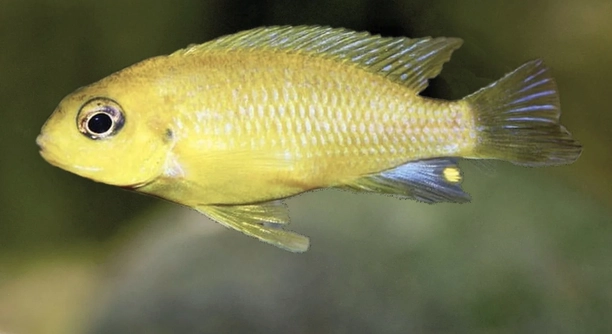
Electric Yellow Cichlids are bright and lively fish that add color to any aquarium. Keeping them healthy requires attention to small details that affect their environment and overall well-being each day. Daily observation can make a big difference.
Maintaining thriving Electric Yellow Cichlids involves consistent daily checks of water temperature, pH, cleanliness, feeding habits, activity levels, tank equipment, and fish behavior. These routine assessments support optimal health and reduce stress, disease risk, and environmental imbalances in the aquarium.
Regular care ensures your fish remain active, vibrant, and healthy. Simple daily steps build a stable habitat that supports their long-term growth and happiness.
Water Temperature
Electric Yellow Cichlids are sensitive to changes in water temperature, making daily monitoring essential. A stable temperature between 75 and 82°F helps maintain their metabolism, immunity, and activity levels. Sudden fluctuations can stress fish, leading to illness or behavioral changes. Using a reliable aquarium thermometer allows you to check the water each morning and evening, ensuring consistency. Adjust heaters or cooling devices gradually if temperatures shift. Even minor differences can affect their appetite, coloration, and energy. Consistency also supports beneficial bacteria that keep the tank ecosystem balanced. Remember to place the thermometer in a central location away from direct heat sources to get an accurate reading.
Keeping the temperature steady promotes healthy growth and reduces stress, ensuring the fish remain active and vibrant.
Daily attention to water temperature creates a stable environment for cichlids. This stability helps maintain proper digestion, encourages regular swimming patterns, and supports overall immune function. A balanced temperature also reduces the risk of fungal or bacterial infections, which thrive in fluctuating conditions. Consistently monitoring and adjusting temperature safeguards the health of the fish while keeping the aquarium ecosystem in equilibrium. Over time, this small daily check significantly improves fish longevity, coloration, and behavior. Careful observation allows you to notice minor changes early, preventing potential problems before they escalate. Maintaining ideal water conditions is a simple, proactive step that benefits both the fish and the tank’s overall balance.
Water Clarity
Clear water is crucial for cichlid health, preventing toxins and promoting visibility. Daily inspection helps spot cloudiness or debris early.
Maintaining water clarity requires regular filtration, vacuuming, and partial water changes to remove waste.
Consistently clean water encourages proper respiration, reduces stress, and supports immune health. Cloudy or dirty water can cause gill irritation and behavioral changes. Observing water clarity daily helps you identify potential issues like overfeeding, algae growth, or filtration inefficiency. By acting promptly, you prevent minor problems from developing into serious health risks. Using a combination of mechanical, chemical, and biological filtration ensures particles and toxins are efficiently removed. Partial water changes of 10–20% per week, coupled with gentle substrate cleaning, maintain clarity without disrupting beneficial bacteria. Daily checks of water clarity also allow you to notice changes in color or odor, indicating chemical imbalances or contamination. Clean, clear water enhances the visual appeal of the aquarium while promoting a healthier environment for Electric Yellow Cichlids.
Feeding Habits
Feeding Electric Yellow Cichlids the right amount daily prevents overfeeding and maintains water quality. Uneaten food can pollute the tank, causing stress and illness. Consistent portions at the same times each day keep their digestion regular and support healthy growth.
Overfeeding can lead to bloating, obesity, and weakened immunity in cichlids. It also increases waste, which can affect water quality and promote algae growth. Observing how much your fish consume allows you to adjust portions and avoid leftovers. Using a variety of high-quality pellets, flakes, and occasional live or frozen foods ensures balanced nutrition. Paying attention to their appetite daily helps detect early signs of illness or stress, as fish often reduce feeding when unwell. Scheduling two to three feedings per day, depending on tank size and fish number, provides energy without overwhelming the filtration system or harming the ecosystem.
Monitoring feeding habits also allows you to notice preferences or changes in behavior. Some cichlids may favor certain foods, while sudden loss of interest can indicate health issues. Keeping a simple feeding log can help track patterns and spot irregularities. Proper feeding not only maintains individual health but also supports a harmonious environment in the aquarium. Regular observation ensures all fish receive adequate nutrition and helps prevent aggression related to competition for food. Adjusting portions carefully helps maintain water clarity while keeping your cichlids active and vibrant, strengthening their overall well-being.
Behavior and Activity
Observing daily behavior ensures cichlids remain healthy and active. Changes in swimming, hiding, or aggression can indicate stress, illness, or environmental problems. Consistent monitoring supports early intervention.
Behavior reflects health, social dynamics, and environmental comfort. Electric Yellow Cichlids are territorial, and daily observation helps manage conflicts and prevent injuries. Watching interactions, energy levels, and feeding responses allows you to detect illness or stress early. Lethargy, rapid gill movement, or unusual hiding patterns may signal water quality issues or disease. By noting activity daily, you can adjust tank setup, decorations, or social arrangements to reduce stress. Behavioral monitoring also strengthens your understanding of each fish’s habits, helping maintain balance in the aquarium. Recording observations over time provides insight into long-term health trends and identifies subtle changes before they become serious problems.
Regular observation of activity helps maintain a stable environment. Recognizing patterns like resting areas, preferred hiding spots, and social hierarchies allows adjustments to improve comfort and reduce stress. By understanding individual personalities, you can prevent aggression and promote harmonious interactions. Early detection of behavioral changes enables timely action, supporting health and longevity. Daily checks also ensure fish are responding well to feeding schedules, water conditions, and tank mates. Consistent attention to behavior fosters a safer and more stimulating environment, reinforcing physical health and overall well-being. Monitoring behavior daily is a simple yet effective way to protect your cichlids and maintain balance in their habitat.
Tank Equipment
Regular checks of heaters, filters, and lights ensure proper functioning. Malfunctioning equipment can stress fish and affect water conditions. Daily observation prevents sudden failures and keeps the tank environment stable.
Cleaning and inspecting equipment helps maintain efficiency. Filters should be free of debris, and heaters should maintain consistent temperatures.
pH and Water Chemistry
Monitoring pH and water chemistry is essential for Electric Yellow Cichlids. Daily checks help detect imbalances in hardness, ammonia, nitrite, and nitrate levels. Maintaining stable parameters prevents stress, supports metabolism, and reduces disease risk. Proper chemical balance ensures optimal growth, coloration, and behavior in the aquarium.
Tank Decorations
Check rocks, plants, and ornaments for stability and cleanliness daily. Sharp edges or loose decorations can injure fish.
FAQ
How often should I check the water temperature for my Electric Yellow Cichlids?
Daily monitoring is ideal. Electric Yellow Cichlids thrive in stable temperatures between 75 and 82°F. Checking morning and evening ensures there are no sudden changes that could stress the fish or affect their metabolism. Using a reliable thermometer helps maintain consistency.
What is the best way to feed my cichlids?
Feed small, consistent portions two to three times a day. Overfeeding can pollute the tank, causing water quality issues and stress. Use high-quality pellets or flakes, and occasionally include frozen or live food. Monitor appetite daily to spot early signs of illness.
How can I keep the water clear?
Regular filtration, vacuuming, and partial water changes maintain clarity. Remove uneaten food and debris to prevent cloudiness. Observing water daily helps detect algae growth or chemical imbalances early. Clean filters and adjust water flow as needed to support a balanced tank environment.
How do I know if my cichlids are healthy?
Check behavior, appetite, and coloration daily. Active swimming, vibrant colors, and normal feeding indicate good health. Lethargy, rapid gill movement, hiding, or color fading can signal stress or disease. Regular observation allows early intervention to prevent problems from worsening.
Can tank decorations affect my cichlids’ well-being?
Yes, sharp or unstable decorations can injure fish. Daily inspection ensures rocks, plants, and ornaments are secure and clean. Decorations also provide hiding spots, helping reduce stress and encourage natural behavior, especially in territorial species like Electric Yellow Cichlids.
How important is monitoring pH and water chemistry?
It is crucial. Electric Yellow Cichlids require stable pH and low levels of ammonia, nitrite, and nitrate. Daily testing allows you to detect imbalances early, preventing stress and supporting immune health. Proper chemical balance enhances growth, coloration, and overall behavior.
What signs indicate stress in my cichlids?
Stress signs include hiding, erratic swimming, loss of appetite, faded coloration, or aggression. Daily behavior checks help identify these changes. Addressing water quality, temperature, tank mates, or feeding issues promptly reduces stress and prevents potential disease.
How can I manage aggression in a community tank?
Observe fish interactions daily. Electric Yellow Cichlids are territorial and may chase or nip tank mates. Adding hiding spots, rearranging decorations, and monitoring the number of fish helps reduce conflicts. Prompt intervention keeps the aquarium balanced and fish healthy.
When should I do water changes?
Partial water changes of 10–20% weekly are recommended. Daily checks help determine if more frequent changes are needed due to waste buildup or uneaten food. Clean water supports stable chemistry, reduces stress, and prevents disease, keeping cichlids thriving.
Is it necessary to maintain a feeding log?
A feeding log helps track portions, preferences, and appetite changes. Noticing irregularities early allows adjustment of food amounts and detection of potential health issues. Daily monitoring combined with logging ensures proper nutrition and maintains water quality.
How do I prevent diseases in my cichlids?
Daily observation of behavior, water quality, and feeding habits is key. Maintaining stable temperature, clean water, proper pH, and balanced nutrition reduces disease risk. Promptly isolating sick fish and treating the tank prevents spread. Prevention is more effective than treatment.
Can I adjust lighting for better cichlid health?
Yes, consistent lighting supports natural behavior and coloration. Avoid sudden changes or overly bright light that can stress fish. Daily checks ensure lights are functioning and timed correctly, maintaining a stable day-night cycle for a healthy environment.
How do I know if my filter is working properly?
Check daily for water flow, noise, and debris buildup. A properly functioning filter removes waste and maintains water clarity. Clean or replace filter media as needed to ensure efficient operation and a healthy tank ecosystem.
What is the easiest way to spot ammonia or nitrite issues?
Daily water tests reveal chemical spikes early. Ammonia or nitrite increases can cause gill irritation, lethargy, or unusual behavior. Detecting these changes quickly allows adjustments like water changes or improved filtration to prevent health problems.
Why should I watch my cichlids’ swimming patterns?
Swimming patterns reflect health and comfort. Erratic or slow movements may indicate stress, disease, or poor water quality. Daily observation helps identify problems early. Noting preferred swimming areas also guides tank layout adjustments for better fish well-being.
How can I tell if my cichlids are eating enough?
Observe feeding closely. Healthy cichlids eat consistently during mealtime. Sudden loss of appetite can signal illness or environmental stress. Recording intake and adjusting portions daily prevents overfeeding and maintains water quality while ensuring proper nutrition.
Are substrate and sand important for daily checks?
Yes, debris can accumulate in substrate, affecting water quality. Daily observation helps detect leftover food, waste, or algae growth. Cleaning the substrate during partial water changes keeps the tank clean and supports a healthy environment.
Do temperature fluctuations affect fish behavior?
Even small shifts can stress cichlids, causing lethargy or hiding. Daily checks ensure heaters are stable. Consistent temperature maintains metabolism, immune function, and natural swimming behavior, reducing the risk of illness and promoting long-term health.
What daily habits help my cichlids thrive long-term?
Regularly checking water temperature, clarity, pH, feeding, behavior, and equipment ensures a stable environment. Consistent observation prevents issues from escalating, maintains health, and supports growth. Small daily efforts create a thriving aquarium for Electric Yellow Cichlids over time.
How do I manage tank overcrowding?
Monitor fish numbers and observe interactions. Overcrowding increases stress, aggression, and waste buildup. Daily observation allows timely adjustments, such as rehoming extra fish or rearranging tank layout to maintain a comfortable, balanced environment for all inhabitants.
Final Thoughts
Maintaining Electric Yellow Cichlids requires daily attention and consistency. Small, simple checks can make a significant difference in their health and happiness. Observing water temperature, pH, and clarity ensures a stable environment, which is essential for these fish. Stable water conditions support metabolism, prevent stress, and reduce the risk of disease. Checking tank equipment daily, including heaters, filters, and lights, prevents sudden malfunctions that could harm the fish or disrupt the aquarium ecosystem. Even minor adjustments, like rearranging decorations or fixing loose ornaments, help avoid injuries and provide hiding spots that reduce stress.
Feeding habits are another crucial aspect of daily care. Providing consistent portions at regular times prevents overfeeding and keeps water quality in check. High-quality pellets or flakes, supplemented occasionally with frozen or live food, supply balanced nutrition that supports growth, coloration, and energy. Watching how your fish eat helps detect early signs of illness, as changes in appetite often indicate stress or health problems. Observing behavior daily is equally important. Active swimming, regular interactions, and normal social patterns show that your fish are comfortable and healthy. Lethargy, hiding, or aggression can signal issues that need attention, such as water imbalance, disease, or tank stress.
Consistency in daily care also helps build a better understanding of your cichlids’ needs and routines. Tracking behavior, feeding patterns, and water parameters allows you to notice changes early, which can prevent minor problems from turning into major health concerns. Small, routine actions like partial water changes, monitoring filtration, and maintaining equipment create a balanced and thriving environment. Over time, these efforts lead to vibrant, active fish that display their best colors and natural behavior. Regular observation, combined with proper feeding and careful maintenance, ensures that Electric Yellow Cichlids remain healthy, happy, and visually stunning, giving you an aquarium that is both stable and enjoyable to watch.

Hello,
If you enjoy the content that we create, please consider saying a "Thank You!" by leaving a tip.
Every little bit helps us continue crafting quality advice that supports the health, happiness, and well-being of pets around the world, for pets of all shapes, sizes, and species.
We really appreciate the kindness and support that you show us!