
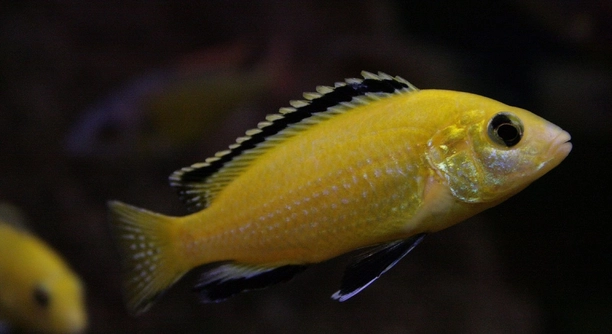
Non-dominant cichlids often live in complex social groups where interactions are subtle yet important. Observing their behavior can reveal patterns of conflict avoidance, cooperation, and ways they maintain balance within their communities. These fish communicate in small, meaningful ways.
Non-dominant cichlids display peacekeeping behaviors such as retreating from aggressive encounters, showing submissive postures, sharing territory, allowing feeding priority, synchronizing movements, engaging in affiliative gestures, and minimizing provocations. These actions reduce conflict and promote stability within the social hierarchy.
Learning about these behaviors can help aquarists foster a calmer aquarium environment. Recognizing and supporting peaceful interactions improves both fish well-being and the overall balance of the tank.
Submissive Postures
Non-dominant cichlids often use body language to avoid conflict. They lower their bodies, tuck their fins, and sometimes flatten against surfaces when a more dominant fish approaches. I’ve noticed in my own tank that these subtle gestures prevent fights before they even start. It’s fascinating to see how small shifts in posture can communicate respect and caution without any noise. These postures are consistent across different species, suggesting that cichlids rely heavily on visual cues. Younger fish often mimic these behaviors, learning from older, more experienced individuals. This practice helps them survive in territories where aggression is common. Even small changes in eye contact or fin orientation can signal submission, and over time, fish learn who to avoid and when to assert themselves. Observing these behaviors has made me more aware of how much communication happens silently in the aquarium. It’s not just about avoiding harm; it’s about maintaining social harmony and reducing stress.
Submissive postures reduce stress and aggression, allowing non-dominant cichlids to remain safe while coexisting with dominant tank mates.
Watching these behaviors closely reveals how cichlids navigate conflicts naturally. Each gesture tells a story of hierarchy and survival, teaching observers about social balance and cooperation within the tank.
Retreating from Aggression
Retreating helps non-dominant cichlids avoid direct confrontations and maintain peace within their groups.
When a non-dominant fish senses aggression, it often moves to a quieter area or behind decorations. I’ve seen my own cichlids quickly swim to corners or plant-covered areas when a larger fish approaches. Retreating isn’t about fear alone; it’s a strategic choice that reduces injuries and allows the fish to monitor the situation safely. Over time, fish learn which zones provide safety and develop routes that minimize risk. This behavior also prevents the escalation of fights, keeping the group’s hierarchy stable. In aquariums with limited space, it’s important to provide hiding spots and visual barriers, as these retreats are crucial for stress management. By observing retreat patterns, I can anticipate potential conflicts and rearrange the tank to allow safer movement. Retreating is a simple, yet effective, way for non-dominant cichlids to coexist peacefully while still accessing resources. Providing space, hiding areas, and careful observation helps reinforce calm social dynamics.
Sharing Territory
Non-dominant cichlids often share spaces without confrontation. They allow dominant fish first access to prime areas while using less contested zones. I’ve noticed this keeps my tank calmer, with fewer fights over hiding spots or feeding areas.
By giving way to dominant fish, non-dominant cichlids reduce tension and avoid injury. In my experience, they choose areas with cover or near the tank edges, which still offer safety and visibility. Sharing territory doesn’t mean they are completely passive; they remain alert and ready to react if necessary. This balance of concession and awareness is key to peaceful coexistence. Watching them negotiate spaces quietly shows how subtle behavior can prevent constant conflict. Their choices often reflect prior interactions, learning which areas are safer and which fish are less likely to tolerate intrusion. These patterns help maintain harmony while ensuring all fish have access to resources.
Sharing territory also involves small movements, like shifting slightly to let others pass or timing feeding visits to avoid clashes. These minor adjustments accumulate, creating a stable and calm environment where non-dominant fish can thrive without constant stress. I’ve seen fish coordinate implicitly, forming an unspoken understanding that reduces tension and supports social balance in the tank.
Synchronizing Movements
Non-dominant cichlids often match the pace and direction of the group. This helps them stay unnoticed and maintain harmony in busy tank environments.
Synchronization allows fish to move safely without drawing attention. In my tank, I’ve seen non-dominant fish swim alongside dominant ones, subtly mirroring their paths. This reduces competition and prevents sudden confrontations. Matching movements also helps in foraging, as they can access food without challenging others directly. Over time, fish learn the timing of group activity, adjusting their behavior to fit the rhythm of dominant individuals. This simple strategy minimizes aggression and enhances overall tank stability.
By syncing movements, non-dominant cichlids can participate in daily activities safely. It allows them to feed, explore, and interact without provoking dominant fish. I’ve noticed that this coordination often strengthens over weeks, as fish become familiar with each other’s patterns. The subtle cues, like small turns or pauses, keep the group functioning smoothly. Synchronization is a quiet, effective way to reduce stress while ensuring all fish can coexist, demonstrating the intelligence and adaptability of these social species.
Allowing Feeding Priority
Non-dominant cichlids often let dominant fish eat first. In my tank, I’ve seen smaller fish hang back during feeding times, waiting until larger fish have finished. This reduces aggression and ensures everyone gets access to food without conflict.
Giving feeding priority is a simple peacekeeping tactic. It prevents fights over food and allows non-dominant fish to feed safely. Observing this behavior, I notice how quickly fish learn to respect the order, creating a calmer feeding environment.
Affiliative Gestures
Non-dominant cichlids sometimes use gentle touches or nudges to signal acceptance or reduce tension. In my experience, these gestures help maintain social bonds. These small, non-threatening interactions often occur near hiding spots or shared spaces, and they reinforce cooperation and peaceful coexistence among tank mates.
Minimizing Provocations
Non-dominant cichlids avoid behaviors that might provoke aggression. I’ve noticed they stay quiet, avoid sudden movements, and steer clear of dominant fish’s territories. This cautious approach helps maintain calm and reduces stressful encounters in the aquarium.
How can I tell if my cichlid is non-dominant?
Non-dominant cichlids usually show submissive behaviors, such as lowering their bodies, tucking fins, or avoiding direct eye contact with larger or more aggressive fish. In my tank, these fish often stay near the edges, behind decorations, or in hiding spots when dominant fish are nearby. They may wait their turn during feeding or allow others to occupy preferred areas first. Observing patterns over several days helps identify who consistently retreats or avoids conflict. Non-dominant fish are alert but rarely initiate aggression, instead using subtle signals to communicate their intentions.
Why do non-dominant cichlids retreat so often?
Retreating is a strategy to avoid injury and reduce stress. I’ve noticed my smaller cichlids quickly move behind plants or rocks when a larger fish approaches. Retreating allows them to assess the situation safely and avoid confrontation. It’s not just fear—it’s about survival and maintaining peace in a group setting. Over time, these retreats become routine, with fish learning which areas are safest. Providing adequate hiding spaces ensures these retreats are effective and that non-dominant fish can navigate the tank without constant stress. Retreating also reduces tension among all fish, supporting social stability.
What are common peacekeeping behaviors in cichlids?
Non-dominant cichlids use several behaviors to maintain calm. They display submissive postures, retreat from aggression, share territory, allow feeding priority, synchronize movements, use affiliative gestures, and minimize provocations. In my experience, these behaviors work together to prevent fights and keep social hierarchies stable. Fish learn who is dominant and adjust their behavior to avoid conflict. Observing these behaviors shows how intelligent and adaptable cichlids are. Even small gestures, like a slight shift in posture or timing of movements, can communicate respect and prevent escalation. Recognizing these behaviors helps maintain a balanced tank environment.
How can I support non-dominant cichlids in my tank?
Providing enough space and hiding spots is essential. I’ve added plants, rocks, and decorations to give smaller fish safe areas to retreat. Feeding in multiple locations also helps, reducing competition and ensuring everyone gets food. Observing interactions allows adjustments to territory arrangements or tank layout. Avoiding sudden changes in lighting, temperature, or decorations helps maintain stability. Over time, non-dominant fish become confident while still respecting hierarchy. Ensuring water quality and proper nutrition also reduces stress, allowing peacekeeping behaviors to be more effective. These simple adjustments make a big difference in maintaining calm social interactions.
Do peacekeeping behaviors affect feeding habits?
Yes, non-dominant fish often wait until dominant fish finish eating. I’ve noticed my smaller cichlids hang back, taking advantage of leftovers while avoiding confrontations. Feeding in groups can be stressful, so spreading food around the tank is helpful. Timing and location matter—fish learn patterns of access and develop routines. Allowing feeding priority prevents injuries and promotes a stable environment. Over time, these behaviors create a predictable pattern that reduces tension during meals. Supporting these habits ensures all fish receive adequate nutrition while maintaining social balance.
Can peacekeeping behaviors prevent injuries in the tank?
Absolutely. Non-dominant behaviors like retreating, submission, and minimizing provocations significantly reduce aggression. In my aquarium, observing these signals helps me anticipate fights and rearrange spaces when needed. When fish respect each other’s boundaries, the frequency of scratches, torn fins, or stress-related illnesses drops. These behaviors create a safer, more predictable environment, promoting overall health. Dominant fish often ignore smaller fish that follow these rules, allowing coexistence without constant conflict. Supporting peacekeeping behaviors through careful tank management helps maintain harmony while reducing injuries and stress for all fish.
How do affiliative gestures improve social harmony?
Affiliative gestures, like gentle nudges or synchronized swimming, reinforce cooperation among cichlids. I’ve noticed that these small interactions reduce tension near shared spaces and hiding spots. By signaling acceptance or non-threat, non-dominant fish maintain peaceful relationships. These gestures also support group cohesion, helping fish move and feed together without triggering aggression. Over time, these subtle behaviors strengthen social bonds and reduce the need for dominance displays. Recognizing and respecting affiliative signals can improve tank dynamics, creating a calm and balanced environment where both dominant and non-dominant fish coexist comfortably.
What mistakes should I avoid with non-dominant cichlids?
Overcrowding, limited hiding spaces, and uneven feeding can disrupt peacekeeping behaviors. In my experience, even small changes, like moving decorations suddenly, can stress non-dominant fish. Ignoring signs of submission or allowing dominant fish to monopolize resources increases aggression. Avoiding these mistakes by monitoring interactions, providing sufficient territory, and feeding in multiple locations helps maintain balance. Regular observation is key—non-dominant fish communicate clearly, and their behavior can indicate when adjustments are needed. Supporting peacekeeping behaviors ensures fish remain healthy, confident, and able to coexist without unnecessary conflict.
How long does it take for peacekeeping behaviors to develop?
Peacekeeping behaviors often appear quickly as fish assess social hierarchies. I’ve seen smaller cichlids start retreating and showing submission within days of introduction. More complex behaviors, like synchronization or affiliative gestures, develop over weeks as fish learn patterns and routines. Observation and consistent tank management help these behaviors solidify, allowing all fish to adapt and maintain social harmony effectively.
Non-dominant cichlids show a remarkable ability to navigate complex social environments using subtle behaviors. Observing these fish over time reveals patterns of retreating, submissive postures, and giving space that help reduce tension and prevent conflict. I’ve noticed in my own tank that even small gestures, like shifting position or pausing near a dominant fish, make a noticeable difference in keeping peace. These behaviors are consistent across different species, suggesting that cichlids rely heavily on visual and behavioral cues to communicate and maintain social order. Watching these interactions has made me appreciate how much intelligence and adaptability these fish demonstrate in everyday life. It’s not just about avoiding fights—it’s about creating a stable and balanced environment where all fish can coexist safely.
Supporting non-dominant cichlids in an aquarium requires careful planning and observation. Providing enough hiding spots, visual barriers, and areas for retreat allows these fish to act naturally without constant stress. Feeding in multiple locations and ensuring each fish gets access to food prevents disputes and reinforces peaceful behaviors. Over time, fish learn the layout of the tank and develop routines that support coexistence. In my experience, making small adjustments, like rearranging decorations or adding plants, can significantly improve social dynamics. Non-dominant fish are often more sensitive to changes, so maintaining a predictable and calm environment is key. Recognizing their peacekeeping behaviors and supporting them through careful tank management encourages confidence, reduces stress, and improves overall well-being. It also allows dominant and non-dominant fish to interact safely without continuous monitoring or intervention.
Understanding these behaviors offers insight into the social complexity of cichlids and highlights the importance of observation and patience. Watching non-dominant fish navigate their hierarchy teaches a lot about subtle communication, cooperation, and the ways animals balance competition with coexistence. Over weeks and months, patterns emerge, and you begin to see how each fish adjusts its behavior to maintain harmony. These insights not only make caring for cichlids more rewarding but also create a calmer and healthier tank environment. Supporting peacekeeping behaviors helps reduce aggression, prevents injuries, and ensures all fish can thrive. It’s fascinating to see how non-dominant cichlids adapt and respond to their peers, and these lessons in subtle communication can apply to understanding many social species, including those we interact with regularly. Observing, supporting, and respecting these behaviors ultimately creates a more peaceful aquarium for everyone involved.

Hello,
If you enjoy the content that we create, please consider saying a "Thank You!" by leaving a tip.
Every little bit helps us continue crafting quality advice that supports the health, happiness, and well-being of pets around the world, for pets of all shapes, sizes, and species.
We really appreciate the kindness and support that you show us!