
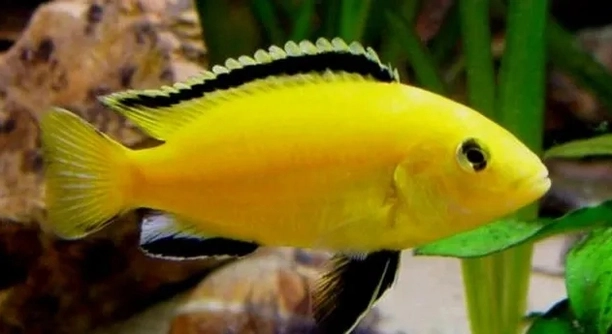
Are your cichlids showing signs of stress or aggression in their tank? Setting up a proper territory can make a big difference in how they interact and feel comfortable in their environment.
Creating an effective cichlid territory involves carefully arranging hiding spots, rocks, plants, and open swimming areas. Proper placement reduces aggression, encourages natural behaviors, and supports fish health, creating a balanced environment that mirrors their natural habitat.
These seven key details will guide you in building a harmonious space, ensuring each fish feels secure and the tank maintains stability over time.
Choosing the Right Tank Size
A spacious tank is essential for cichlids, as they are territorial and need room to establish boundaries. A small tank can increase aggression and stress, leading to illness or injury. Most medium-sized cichlids do well in tanks that are at least 55 gallons, while larger species require 75 gallons or more. A longer tank is often better than a taller one, as it provides more horizontal territory for each fish. Proper space also allows for creative decoration with rocks, caves, and plants without overcrowding. It’s important to consider the adult size of your cichlids, not just their current size, to prevent the tank from becoming too small as they grow. Overcrowding makes monitoring water quality more difficult and reduces hiding spots, which are critical for reducing conflict. By planning for space, you give your cichlids a healthier, calmer environment that supports natural behaviors.
Tank size affects aggression and overall health, making it crucial to select the correct dimensions before adding cichlids.
Providing enough room ensures each fish can claim its territory, explore freely, and maintain a stress-free environment without constant confrontation.
Rock and Cave Placement
Rocks and caves offer essential hiding spots and break lines of sight, reducing aggression.
Placement should allow for both open swimming and sheltered areas. Avoid stacking rocks too high, as unstable structures can injure fish. Spread shelters evenly to give shy fish retreat points. The arrangement should feel natural, simulating the rocky habitats many cichlids come from. Consider leaving some open spaces between caves to allow for swimming and territory boundaries. Different sizes of rocks and caves provide options for fish of various sizes. Avoid sharp edges, as cichlids may scrape against them. Hiding spots also support breeding behavior, giving females safe spaces to lay eggs and males places to guard territory. It’s important to test the stability of every structure before introducing fish. Watching how your cichlids interact with the setup can guide adjustments. Thoughtful rock and cave placement minimizes conflict and creates a more comfortable, visually appealing tank.
A proper arrangement of rocks and caves reduces stress, supports natural behaviors, and prevents unnecessary fights in the tank.
By carefully selecting sizes, spacing, and stability, you can create a structured environment where fish feel secure. This setup encourages exploration, protects shy individuals, and allows dominant cichlids to establish territory without constant conflict. Over time, adjusting decorations based on observation helps maintain balance. Including multiple caves and hiding spots ensures that fish of all sizes and temperaments have areas to claim. Natural-looking formations also enhance the aesthetic of the aquarium while meeting the behavioral needs of cichlids. Strategically placing these elements keeps water flow consistent and avoids dead spots, contributing to better water quality. Overall, thoughtful rock and cave placement is a fundamental step in creating a healthy, stable environment that encourages natural activity and reduces stress for every fish in the tank.
Plant Selection
Choosing the right plants is important because cichlids can be rough with delicate foliage. Hardy plants like Java fern, Anubias, and Vallisneria withstand occasional digging and nibbling. Floating plants can offer shade and reduce stress, while dense clusters provide hiding spots. Placement should consider both aesthetics and function, giving fish areas to claim and retreat.
Plants help break up open space, creating boundaries and reducing aggression. They offer shade, shelter, and breeding areas while maintaining a natural environment. Selecting species that tolerate cichlid behavior ensures plants survive longer, enhancing both fish health and tank appearance. Some plants can even stabilize substrate, preventing excess disturbance during digging. Position taller plants in the back or corners, leaving open swimming lanes. Over time, observing how fish interact with plants may guide rearrangement to improve safety and reduce territorial disputes. Strong-rooted species also reduce substrate disruption and maintain tank stability.
Maintaining plants requires trimming dead leaves and monitoring growth. Healthy plants improve water quality, oxygen levels, and provide continuous shelter. Balancing plant density with open swimming space ensures fish are active, secure, and less aggressive. Using a mix of anchored and floating plants adds variety while meeting the behavioral needs of different cichlid species. Careful plant placement enhances the tank’s look and supports fish well-being, making the aquarium a dynamic, safe environment.
Substrate Choice
Substrate affects digging, breeding, and territorial behavior. Fine sand or smooth gravel is best, as it prevents injuries while supporting plant roots. Avoid sharp or rough materials that can harm fish.
A suitable substrate encourages natural behaviors like digging, foraging, and building territories. Some species sift through sand, so soft textures are critical. The substrate also affects water chemistry; certain cichlids prefer slightly alkaline conditions, which can be supported by aragonite or crushed coral. Depth should allow for digging but not be so deep that it traps debris or makes maintenance difficult. Using a substrate that mimics their natural habitat reduces stress, helps them establish territory, and supports breeding activities. Color can also impact fish visibility and comfort, with neutral tones often preferred. Proper substrate choice balances safety, functionality, and aesthetics.
Substrate maintenance is essential to prevent waste buildup. Regular vacuuming, combined with careful monitoring of plant roots and rocks, keeps the tank clean. Choosing the right texture and depth supports natural behaviors and reduces aggressive digging. It also contributes to the overall stability of the tank environment, helping fish feel secure in their territories. Over time, a well-chosen substrate promotes healthier fish, better plant growth, and a visually appealing aquarium that supports long-term cichlid well-being.
Lighting Considerations
Proper lighting helps cichlids feel secure and supports plant growth. Bright lights can highlight territories, while softer lighting reduces stress.
A consistent day-night cycle is important. Too much light can encourage algae growth and increase aggression. Using timers ensures stability and supports natural behavior patterns.
Water Flow and Filtration
Water movement should be moderate, mimicking natural habitats. Strong currents can stress cichlids, while stagnant water reduces oxygen and increases waste buildup.
A high-quality filtration system maintains water clarity and chemical balance. Positioning filters to create gentle circulation helps distribute nutrients, removes debris, and keeps the tank environment healthy. Regular maintenance prevents harmful buildup and supports overall fish well-being. Proper filtration ensures water parameters stay stable, reducing stress and aggression while promoting natural swimming and territorial behaviors. Observing how fish respond to flow allows adjustments for optimal comfort and tank performance, creating a balanced aquatic environment.
Territorial Markers
Rocks, plants, and decorations act as visual boundaries for cichlids. They help reduce conflicts by giving each fish identifiable areas.
Strategically placing markers allows shy fish to retreat and dominant fish to claim space, keeping interactions calmer and the tank more balanced.
FAQ
How many cichlids should I keep in a tank?
The number of cichlids depends on tank size, species, and temperament. Overcrowding increases stress and aggression, while too few fish can lead to boredom or uneven territory claims. Medium-sized cichlids generally need at least 55 gallons, and larger species require 75 gallons or more. Monitoring interactions is key to preventing conflict.
Can I mix different cichlid species?
Mixing species is possible, but it requires careful planning. Aggression levels, size differences, and natural habitat preferences must be considered. Species with similar territorial behaviors and water requirements are more likely to coexist. Avoid combining highly aggressive or overly timid species in the same tank.
Do cichlids need hiding spots?
Yes, hiding spots are crucial for reducing stress and aggression. Rocks, caves, and dense plants provide retreat areas for shy fish and help break lines of sight for dominant individuals. Hiding places also support breeding behavior, giving females secure locations for eggs.
What substrate is best for cichlids?
Fine sand or smooth gravel works best. Many cichlids dig, so soft substrates prevent injury. Some species prefer slightly alkaline conditions, which can be achieved with aragonite or crushed coral. Substrate depth should allow natural behaviors but not trap excessive debris. Proper substrate helps reduce stress and supports plant growth.
How should I arrange rocks and plants?
Rocks and plants should create territories without overcrowding. Spread hiding spots evenly to allow shy fish areas to retreat. Avoid tall unstable rock stacks that could fall. Plants should be hardy and positioned to provide shade, shelter, and breeding sites while leaving open swimming lanes. Observing fish behavior helps adjust placement.
How often should I clean the tank?
Regular maintenance is important to maintain water quality. Partial water changes every 1–2 weeks, substrate vacuuming, and filter cleaning prevent buildup of harmful waste. Over-cleaning can remove beneficial bacteria, so balance is key. Monitoring water parameters ensures a healthy environment for both fish and plants.
Do cichlids need special water parameters?
Yes, cichlids thrive in stable conditions. Temperature, pH, and hardness depend on species. African cichlids often prefer slightly alkaline water, while South American species may tolerate softer, slightly acidic water. Consistent parameters reduce stress, aggression, and health issues. Test water regularly and make gradual adjustments when needed.
What is the best way to reduce aggression?
Provide enough space, hiding spots, and territorial markers. Avoid overcrowding and carefully select tankmates. Balanced lighting, moderate water flow, and stable water parameters also reduce stress-related aggression. Observation and adjustments to the setup over time ensure a calmer, more stable environment.
Can cichlids live with other fish?
Some can, depending on temperament and size. Peaceful tankmates that occupy different areas of the tank may work. Aggressive or smaller species are often stressed or injured by cichlids. Careful research and monitoring are essential before mixing species.
Do decorations affect territory behavior?
Yes, decorations serve as visual boundaries and hiding spots. They influence how fish claim and defend territories. Strategically placed rocks, caves, and plants reduce conflicts and provide security, helping fish establish natural social structures.
How do I encourage natural behaviors?
Provide a mix of open swimming space, shelters, and substrate for digging. Balanced lighting and water flow mimic natural conditions. A thoughtful arrangement allows exploration, territory establishment, and breeding behaviors while keeping fish active and stress-free.
What should I do if one fish becomes dominant?
Observe interactions and ensure adequate hiding spots. Adjust decorations to create more territory boundaries or consider temporary separation if aggression escalates. Maintaining balance in tank size, substrate, and plant placement can reduce dominance conflicts over time.
How often should I feed cichlids?
Feed small amounts once or twice daily. Avoid overfeeding, as leftover food can pollute the tank. A balanced diet supports growth, color, and health while minimizing water quality issues. Rotate food types for variety and nutrition.
Can cichlids breed in a community tank?
Breeding is possible if conditions are right. Sufficient hiding spots, appropriate substrate, and proper water parameters increase success. Be aware that dominant fish may target eggs or fry, so observation and protection may be necessary.
What are common signs of stress?
Signs include hiding excessively, reduced appetite, aggression, or unusual swimming patterns. Poor water quality, insufficient territory, or improper tank mates often cause stress. Addressing these factors quickly helps maintain fish health and behavior stability.
How do I maintain long-term tank stability?
Consistent water parameters, regular maintenance, and careful observation are key. Adjust decorations, substrate, and plant placement as fish grow. Providing sufficient territory and monitoring behavior ensures a balanced, calm environment over time. Regular feeding, cleaning, and water testing maintain health and reduce stress.
Are lighting and day-night cycles important?
Yes, stable lighting supports natural behavior and plant growth. Timers help maintain a consistent cycle, reducing stress and aggression. Too bright or inconsistent lighting can cause hiding, aggression, or algae overgrowth.
What should I do if aggression increases suddenly?
Check tank size, hiding spots, water parameters, and population balance. Adjust territory markers or separate overly aggressive fish temporarily. Observing fish interactions helps identify and address specific triggers, maintaining a calmer environment.
How do I prevent algae growth?
Maintain water quality, avoid overfeeding, and balance lighting. Adding live plants helps compete for nutrients. Regular cleaning and moderate light cycles prevent excessive algae while keeping fish and plants healthy.
Is it necessary to quarantine new fish?
Yes, quarantining prevents disease from spreading to established fish. Observe newcomers for illness or stress before introducing them to the main tank. This protects both existing and new fish.
Can I change decorations without causing stress?
Minimize disruption by moving items gradually. Avoid sudden rearrangements, especially near established territories. Observing fish after changes helps ensure they adjust comfortably.
How do I choose compatible species?
Research temperament, size, and habitat preferences. Species with similar aggression levels and environmental needs are more likely to coexist. Avoid mixing very aggressive or timid fish with incompatible tankmates.
What are signs of healthy behavior?
Active swimming, exploring territory, foraging, and interacting without excessive aggression indicate healthy cichlids. Bright colors, clear eyes, and regular eating also reflect good health and a balanced environment.
How do I encourage breeding?
Provide hiding spots, appropriate substrate, and stable water conditions. Sufficient space and minimal stress help pair bonding. Observe courtship behaviors and ensure dominant fish do not harass mates.
How important is water testing?
Regular testing ensures proper temperature, pH, hardness, ammonia, nitrite, and nitrate levels. Stable water parameters reduce stress, aggression, and health issues. Frequent checks allow timely adjustments to maintain a safe, balanced tank.
What should I do if a fish is sick?
Isolate the sick fish, test water parameters, and treat appropriately. Check for disease signs, maintain cleanliness, and avoid introducing new stressors. Early intervention increases chances of recovery.
How do I balance hiding spots and open swimming areas?
Provide a mix of shelters and open space. Dense areas reduce aggression and give shy fish retreat options, while open swimming lanes allow exploration and natural activity. Adjust based on observation for optimal comfort.
Can plants survive cichlid digging?
Select hardy species with strong roots. Anchored plants or pots prevent uprooting. Observing behavior helps determine which plants tolerate activity without constant replacement. Proper placement reduces damage and maintains plant survival.
How do I prevent overcrowding?
Plan tank size according to adult fish numbers and species. Monitor growth and behavior, adding space or separating fish if needed. Adequate territory reduces stress and aggression, supporting a healthy environment.
What role do decorations play in breeding?
Rocks, caves, and plants provide secure areas for egg-laying and fry protection. Proper placement ensures dominant fish do not monopolize all space, increasing breeding success.
How do I know if a fish is stressed by territory issues?
Signs include frequent hiding, chasing, or color changes. Adjust decorations, hiding spots, and spacing to reduce conflict. Observing behavior helps maintain balance and reduce tension.
How can I support shy fish?
Provide plenty of hiding spots and visual barriers. Avoid aggressive tankmates and maintain a calm environment. Gradually allow exploration as confidence grows.
Is it necessary to simulate natural habitats?
Yes, mimicking natural conditions with substrate, plants, rocks, and flow reduces stress, encourages natural behaviors, and improves overall health. Natural setups support both social structure and territorial comfort.
How often should decorations be adjusted?
Adjustments should be occasional, based on fish behavior. Avoid frequent rearrangement to prevent stress. Minor changes can improve territory distribution without disrupting established hierarchies.
Can water temperature affect aggression?
Yes, inconsistent or inappropriate temperatures can increase stress and aggressive behavior. Stable conditions reduce conflict and promote healthy activity. Monitor and maintain temperature for optimal fish well-being.
How do I choose the right plants for hiding?
Select sturdy plants with dense foliage. Place them strategically to provide retreat areas, break sightlines, and reduce aggression. Observe fish behavior to adjust placement as needed.
What is the role of substrate color?
Neutral or natural-colored substrate reduces stress and highlights fish coloration. Bright or contrasting colors may increase aggression or stress for some species. Choose colors that promote calm and natural behavior.
How do I maintain long-term harmony?
Balance tank size, hiding spots, substrate, decorations, and water parameters. Observe behavior, adjust territories when necessary, and perform regular maintenance. Long-term harmony depends on consistent care, proper setup, and attentive monitoring.
Can lighting influence breeding behavior?
Yes, consistent lighting supports natural activity and encourages courtship. Timers help maintain stable day-night cycles, reducing stress and improving breeding success.
How do I prevent dominant fish from stressing others?
Provide multiple hiding spots, spread decorations, and avoid overcrowding. Monitor interactions and adjust territory markers or separate fish if necessary. Balanced space reduces tension and supports all fish.
What’s the best way to monitor tank harmony?
Observe daily interactions, note aggression or hiding, and check water quality. Adjust setup, feeding, or territories as needed to maintain a calm and balanced environment. Regular monitoring prevents issues before they escalate.
How important is observing fish behavior?
Observation is critical to understanding stress, aggression, and territory needs. Reacting promptly to behavior changes ensures health, reduces conflict, and maintains a stable tank environment.
Can hiding spots improve breeding success?
Yes, secure areas allow females to lay eggs safely and males to guard territory. Properly placed shelters reduce stress and increase fry survival.
What are signs of an unhealthy territory setup?
Excessive aggression, constant chasing, hiding, poor plant survival, or deteriorating water quality indicate issues. Adjust tank size, decorations, substrate, or plant placement to restore balance.
How do I balance decoration aesthetics and function?
Choose decorations that provide hiding spots, visual boundaries, and open swimming space. Natural-looking arrangements support territorial needs while maintaining a pleasing tank appearance.
Can too many decorations be harmful?
Yes, overcrowding reduces swimming space and increases stress. Ensure balance between shelters and open areas to maintain calm, healthy fish.
How does substrate depth affect behavior?
Depth must allow digging without trapping debris or destabilizing decorations. Proper depth supports natural behaviors while maintaining cleanliness and reducing stress.
How do I know when adjustments are needed?
Frequent aggression, hiding, plant damage, or unbalanced territories indicate changes are required. Observing fish behavior guides effective modifications to maintain harmony.
Is water flow important for territorial behavior?
Moderate flow supports natural swimming and oxygenation. Too strong currents stress fish, while stagnant water encourages conflict. Adjust filtration and circulation for comfort and stability.
What is the best way to support shy individuals?
Provide dense plants, caves, and visual barriers. Avoid aggressive tankmates and give them space to explore gradually, reducing stress and encouraging natural activity.
How do I prevent dominant fish from monopolizing space?
Spread hiding spots, decorations, and territory markers. Monitor behavior and separate fish temporarily if necessary. Proper setup encourages fair territory distribution and reduces aggression.
Can substrate type influence aggression?
Yes, fine sand or smooth gravel allows digging without injury. Hard or sharp substrate can increase stress and lead to territorial disputes.
How do I maintain plant health with active cichlids?
Select hardy species, anchor roots, and position strategically. Trim damaged leaves and monitor growth. Strong plants withstand digging while providing necessary shelter and territory boundaries.
What’s the role of floating plants?
Floating plants reduce light intensity, provide shade, and create hiding areas. They help shy fish feel secure while supporting natural behavior and tank balance.
Can altering light intensity affect behavior?
Yes, bright or inconsistent lighting can stress fish, increase aggression, or cause hiding. Moderate, stable lighting promotes calm and natural activity.
How do I encourage natural digging behavior safely?
Use soft substrates, provide open spaces, and avoid overcrowding. Observing fish ensures they can dig without harming plants or decorations.
Is gradual change better than sudden adjustments?
Yes, sudden changes disrupt established territories and stress fish. Gradual modifications allow adaptation and maintain tank harmony.
How often should I review territory setup?
Review every few weeks or after changes in fish population, size, or behavior. Frequent observation ensures territories remain balanced and stress is minimized.
What role does tank shape play in territories?
Longer tanks provide more horizontal space for boundaries and reduce direct conflicts. Height is less critical than horizontal area for establishing territories.
Can decorations influence feeding behavior?
Yes, hiding spots and open spaces affect foraging. Proper placement allows fish to eat without interference from dominant individuals.
How do I manage aggression during breeding?
Provide extra hiding spots and monitor interactions closely. Separate overly aggressive fish if necessary. Balanced territories reduce stress and protect eggs or fry.
Is consistent care more important than complex setups?
Yes, stable water parameters, regular maintenance, and adequate territory outweigh overly complex decorations. Consistency supports healthy behavior, reduces aggression, and maintains long-term harmony.
How do I balance dominance and social interaction?
Ensure sufficient space, hiding spots, and even distribution of decorations. Observation and minor adjustments allow dominant and shy fish to coexist safely.
What are signs that a territory setup is working?
Fish actively swim, explore, forage, and interact without excessive aggression. Plants thrive, decorations remain stable, and shy individuals have safe retreats.
Can substrate color or type influence stress?
Yes, natural-colored substrates create a calmer environment. Fine sand or smooth gravel reduces injury and supports natural digging, minimizing stress.
How do I prevent tankmate bullying?
Provide hiding spots, evenly spaced territory markers, and avoid overcrowding. Observing behavior allows timely intervention to reduce stress and aggression.
What is the best approach to long-term maintenance?
Regular water testing, partial changes, filter cleaning, and monitoring behavior keep the tank stable. Adjust decorations, substrate, and plant placement as needed to support healthy territories.
Can territorial stress affect fish health?
Yes, excessive aggression or lack of hiding spots can lead to injury, illness, or suppressed immunity. Proper setup reduces stress and promotes longevity.
How important is observation for ongoing success?
Daily observation identifies issues early, guides adjustments, and ensures fish remain healthy, active, and stress-free. Behavioral cues indicate when territory or environment changes are necessary.
What is the role of caves in breeding success?
Caves provide secure egg-laying and fry protection. Proper placement ensures even distribution, reducing conflicts and improving breeding outcomes.
Can multiple hiding spots reduce aggression?
Yes, spreading shelters and decorations allows shy fish to retreat, dominant fish to claim space, and reduces direct confrontation, maintaining tank harmony.
How do I choose the right number of decorations?
Balance open swimming lanes with adequate hiding spots. Too few shelters increase stress, while too many overcrowd space. Observe fish interactions to adjust.
Does water temperature affect breeding behavior?
Yes, stable, species-appropriate temperatures encourage natural courtship, spawning, and fry development. Sudden fluctuations increase stress and reduce breeding success.
How do I manage territorial disputes?
Adjust hiding spots, decorations, and tankmates. Observe interactions and separate fish if necessary. Maintaining balance in space and resources reduces conflict.
Can substrate support plant growth for territories?
Yes, nutrient-rich, fine substrates anchor roots and allow plants to thrive. Healthy plants provide shelter, boundaries, and visual cues for fish territories.
How do I maintain tank harmony as fish grow?
Adjust decorations, hiding spots, and territory markers. Monitor aggression and provide additional space if necessary. Consistent maintenance and observation prevent stress and injury.
What should I do if fish ignore hiding spots?
Check placement, stability, and accessibility. Some fish may prefer specific types of shelters. Observing preferences and adjusting accordingly encourages usage.
How do I balance plant coverage and swimming space?
Dense plant clusters near edges and corners provide retreats, while open areas allow exploration. Gradual adjustments help maintain balance.
Can light duration affect aggression?
Yes, overly long or inconsistent light cycles increase stress and fights. Consistent, moderate lighting reduces conflict and supports natural behavior.
What’s the best way to integrate new fish?
Quarantine first, then introduce slowly. Provide extra hiding spots and observe interactions. Gradual integration reduces stress and territorial disputes.
How do I keep shy fish safe during feeding?
Place food near hiding spots or multiple feeding areas. Avoid dominant fish monopolizing resources. Balanced feeding reduces stress and ensures nutrition for all.
Can substrate changes cause stress?
Yes, sudden substrate changes disrupt established territories and digging behavior. Introduce modifications gradually and observe fish reactions.
How do I prevent dominance hierarchies from harming shy fish?
Provide multiple hiding spots, adequate swimming lanes, and visual barriers. Observe interactions and separate aggressive individuals if needed.
Can territorial imbalance affect breeding?
Yes, if dominant fish monopolize space, shy or subordinate fish may be unable to breed. Balanced territories increase breeding success.
How do I maintain decorations safely with digging cichlids?
Anchor rocks and plants securely, use stable materials, and avoid sharp edges. Observe behavior and adjust placement if disruptions occur.
Is tank depth important for territories?
Horizontal space matters more than depth for establishing boundaries. Ensure enough length for multiple territories and open swimming lanes.
How can I encourage fair territory distribution?
Spread shelters, plants, and decorations evenly. Avoid clustering all resources in one area. Observe behavior and adjust as needed.
What role do visual barriers play?
They reduce direct line-of-sight aggression, allow shy fish to hide, and help dominant fish establish territory without constant conflict.
**How
Creating a balanced and comfortable environment for cichlids is more than just adding water and decorations. Each detail, from tank size to substrate and plants, affects how your fish interact and feel secure in their space. A properly set up tank reduces stress, prevents unnecessary aggression, and supports natural behaviors, which are essential for their health and well-being. Observing your fish regularly helps you notice when something isn’t working, whether it’s a dominant fish taking over a territory or a shy fish struggling to find hiding spots. Adjustments may be small, like moving a rock slightly or adding a plant, but these changes can have a big impact on how the tank functions as a whole. The key is consistency in maintenance and careful planning to make sure each fish has enough room and resources to thrive.
Understanding territory in cichlid aquariums goes hand in hand with creating a visually appealing and functional space. Rocks, caves, and plants act as both boundaries and shelter, helping fish feel secure while allowing natural behaviors like digging, hiding, and exploring. Substrate choice and depth also play a critical role in their daily activity, supporting behaviors like sifting and egg-laying. Even water flow and lighting affect their comfort and activity levels. By thoughtfully combining these elements, you create an environment where each fish can establish its own space without constant conflict. It is also important to balance open swimming areas with hiding spaces so fish have the freedom to explore without feeling exposed. The more natural and stable the environment feels, the healthier and calmer the fish will be.
Long-term success in a cichlid tank depends on careful observation, regular maintenance, and adjustments as needed. Fish behavior, plant health, water quality, and decoration placement all provide clues about the overall balance of the tank. Paying attention to these details ensures that aggression stays under control, shy fish can find refuge, and dominant fish do not monopolize resources. Over time, your tank can develop a stable social structure where each cichlid feels secure, feeding is peaceful, and breeding behavior can occur naturally if desired. Consistency in water parameters, proper territory setup, and thoughtful planning of rocks, plants, and substrate all contribute to a thriving aquarium. Taking the time to understand your fish and their environment will lead to a healthier, calmer, and more enjoyable experience for both you and your cichlids.

Hello,
If you enjoy the content that we create, please consider saying a "Thank You!" by leaving a tip.
Every little bit helps us continue crafting quality advice that supports the health, happiness, and well-being of pets around the world, for pets of all shapes, sizes, and species.
We really appreciate the kindness and support that you show us!