
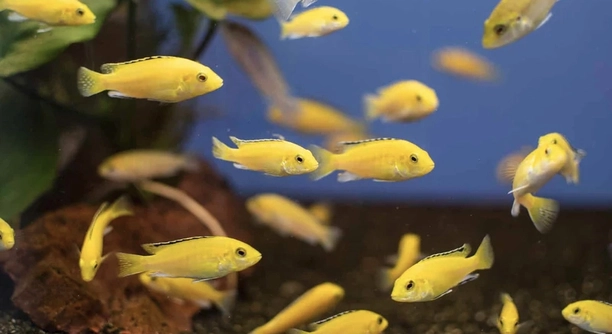
Many cichlid owners notice their fish change behavior as night falls. These fish become calmer and often choose specific spots in the tank to rest, reflecting their natural instincts and need for security in low light conditions.
Cichlids typically prefer areas near rocks, caves, plants, and other shelters at night. They often rest close to the substrate or corners where they feel protected, minimizing exposure while maintaining access to familiar territories and hiding spaces.
Observing their nighttime habits can reveal more about their comfort and territorial preferences, helping you maintain a tank that supports their natural behaviors.
Bottom Corners and Substrate
Many cichlids naturally seek the bottom of the tank at night. These areas provide a sense of security, as the lower regions are less exposed to light and movement. I’ve noticed that my cichlids often settle along the substrate or in corners, curling slightly around decorations or smooth rocks. The substrate also allows them to feel grounded, mimicking riverbeds and lake bottoms in their natural habitats. Watching them nestle into these areas shows how instinct drives their nighttime choices. Providing a mix of fine sand or smooth gravel makes these spots more comfortable. Over time, you can observe patterns, like certain fish favoring one corner while others rest near plant roots. This behavior is consistent across species, especially those that are territorial. Ensuring clean substrate and minimal nighttime disturbance can encourage them to feel safe. Nighttime lighting should be dim or off to avoid stressing them.
These areas help cichlids feel secure, reduce stress, and maintain a stable resting pattern during the night hours.
The corners and substrate not only support rest but also reduce conflict among tank mates. In my tank, separating open areas from corners has helped avoid chasing or accidental stress. Over time, I’ve noticed more consistent feeding behavior in the mornings when nighttime resting spots are respected. Some cichlids prefer sandy patches while others cling to rock edges. By observing and adjusting placement of decorations, you can encourage natural nighttime positions. This simple attention can improve their overall health and comfort without changing diet or water conditions.
Caves and Overhangs
Many cichlids seek enclosed spaces like caves or overhangs for safety at night.
Providing caves gives fish shelter and privacy. These structures mimic natural hiding spots, giving them a secure place to rest while remaining aware of surroundings. Multiple openings reduce competition and territorial disputes.
Caves and overhangs are particularly useful for shy or smaller cichlids. I noticed my more timid fish immediately move into a small cave when lights go off, while larger or more dominant fish may rest near the entrance. Offering several cave types and sizes ensures that all fish have access to a suitable refuge. Natural materials like smooth rocks or ceramic ornaments work well, avoiding sharp edges that can harm fins. Overhangs created by plants or decorations also allow fish to rest partially hidden, providing both comfort and observation opportunities. By arranging these spaces carefully, night stress is minimized, and territorial aggression decreases. Consistently cleaning these structures is important to prevent debris buildup while keeping the areas inviting. Proper placement balances exposure and protection, which helps maintain natural behavior and overall health.
Near Floating Plants
Floating plants create shaded areas that cichlids often favor at night. The leaves provide cover while allowing enough space to move freely. I’ve noticed my fish hover just beneath these plants, staying partially hidden but still able to swim around comfortably.
These shaded zones help reduce stress for cichlids. Floating plants soften the light from overhead lamps, creating a calm environment. Fish tend to linger under clusters, especially if the tank is brightly lit during the day. The gentle movement of leaves mimics natural currents, which many species find comforting. I often arrange plants so there are open gaps between clusters, allowing fish to retreat without feeling trapped. Over time, I’ve observed that fish consistently return to the same floating plant areas at night. This shows that shaded positions are preferred resting spots, supporting natural nighttime behavior. Maintaining these plants healthy ensures continuous cover and minimal water disruption, keeping the environment stable.
In addition to shade, floating plants help define personal space for territorial cichlids. Some fish stake out a section beneath leaves, reducing conflict with tank mates. By strategically placing clusters across the tank, it’s easier to accommodate multiple fish preferences. I usually rotate plants slightly to prevent stagnation and to keep resting areas clean. The balance of cover and open water allows cichlids to move safely while feeling secure. Over time, this arrangement has encouraged calmer nighttime activity, reducing signs of stress and nighttime chasing. Proper trimming and plant care are key to keeping these areas attractive for nighttime resting.
Mid-Water Columns
Cichlids occasionally rest in mid-water zones, especially if they feel safe from predators. These areas provide a balance between visibility and security. Fish can hover without touching the bottom or top, maintaining awareness.
Mid-water positions allow cichlids to monitor their surroundings while avoiding bottom-level stress. In my tank, I’ve observed that more confident fish choose this zone when floating plants or caves are nearby. It gives them a sense of control over the space while keeping them accessible to food in the morning. Mid-water resting also reduces territorial disputes since the fish are not crowding substrate or cave entrances. Proper spacing between mid-water plants and decorations ensures enough room for movement. Watching fish in this area reveals subtle differences in comfort levels between species and individuals. Providing gentle lighting and moderate water flow enhances these zones, creating a stable nighttime environment.
These zones are particularly useful for semi-aggressive cichlids. They prefer to stay away from the bottom or overly exposed surfaces yet do not hide completely. I place tall plants or decorations near mid-water areas to give partial cover without restricting swimming. Fish often move between mid-water and other preferred zones during the night, showing flexibility in resting behavior. Observing these movements can help identify which fish are stressed or dominant. Arranging the tank with varied mid-water structures supports healthy interactions, reducing the chance of conflict. Consistent monitoring ensures these zones remain clean and functional, promoting comfort and natural habits.
Under Plant Roots
Plant roots offer a natural hiding spot that cichlids often use at night. I’ve seen my fish tuck themselves among the roots, feeling secure while still having room to move and breathe. These areas reduce stress and provide a sense of safety.
Roots create low-light zones that cichlids prefer. The tangled structure mimics their natural habitat and helps them feel protected. I often notice my fish lingering here for long periods, returning to the same spots night after night.
Near Tank Decorations
Tank decorations like driftwood or artificial structures give fish additional shelter. Cichlids often rest beside these objects to feel secure, especially when the tank is brighter or open. Positioning decorations strategically can make a big difference in their comfort.
Open Spaces
Some cichlids feel comfortable in open water zones at night. These areas allow them to move freely while maintaining visibility and monitoring other fish, especially when nearby shelters are available.
Between Rocks and Stones
Gaps between rocks and stones serve as resting spots for cichlids. Fish squeeze into these spaces to stay partially hidden while keeping access to their territory. I’ve observed them favoring certain gaps consistently, showing clear preference for secure tight spaces.
FAQ
Why do cichlids prefer hiding spots at night?
Cichlids are naturally cautious fish. At night, they seek places that feel safe from potential threats. Hiding among rocks, plants, or decorations mimics the shelters they would use in rivers or lakes. I’ve noticed that even confident fish will tuck themselves into corners or caves when the lights go off. These hiding spots reduce stress and allow them to rest without feeling exposed. Providing multiple options helps prevent conflict between tank mates and ensures all fish have access to secure areas.
Is it normal for cichlids to move a lot at night?
Some movement is normal. Cichlids may swim slowly between preferred resting spots, especially in tanks with multiple shelters. I’ve observed my fish shifting from mid-water to under plants or from caves to the bottom corners. This movement isn’t usually a sign of stress, but sudden or frantic swimming may indicate environmental issues like poor water quality or overly bright lighting. Keeping a calm, dimly lit environment encourages them to settle more quickly.
Can tank lighting affect where cichlids rest?
Yes, lighting plays a major role. Bright lights can make them feel exposed, pushing them to hide more. I usually reduce overhead lighting in the evening or rely on dim LEDs to simulate natural twilight. Floating plants and overhangs also help diffuse light, creating calmer zones. Consistent light schedules help regulate their natural sleep and resting behavior.
Do all cichlid species prefer the same nighttime spots?
No, preferences vary. Some species favor bottom corners or caves, while others feel comfortable near mid-water plants. In my experience, more territorial species often claim caves or gaps between rocks, whereas calmer or social species may linger under plant roots or floating leaves. Observing individual behavior can help you arrange the tank to meet everyone’s needs.
How important is water quality for nighttime comfort?
Extremely important. Poor water quality can make cichlids restless or force them to avoid preferred spots. I’ve seen fish ignore caves and roots if ammonia or nitrate levels are high. Regular water changes, proper filtration, and stable temperature keep fish healthy and encourage normal resting behavior. Healthy water allows them to fully use hiding spaces and reduce stress at night.
Can overcrowding affect where cichlids sleep?
Overcrowding can cause competition for shelters. I’ve noticed that when there are too many fish in a tank, some cichlids are forced to sleep in open areas, which increases stress. Ensuring enough hiding spots and managing population density is key. Properly spaced decorations, caves, and plants give each fish a chance to rest safely.
Do cichlids need different nighttime spaces as they grow?
Yes, their preferences can change with size and maturity. Juveniles may favor tighter spaces like plant roots or small caves, while adults often claim larger caves or gaps between rocks. In my tank, I adjust decoration placement as fish grow to accommodate changing needs. Observing their behavior helps ensure everyone has access to suitable nighttime positions.
How can I encourage cichlids to use preferred resting spots?
Placement and environment matter. I arrange rocks, plants, and caves with a mix of open and sheltered areas. Consistent low lighting at night and minimal disturbance encourages fish to settle in their favorite spots. Rotating decorations slightly and providing multiple options ensures all fish can find secure places to rest. Watching their habits over time reveals patterns that help maintain a calm, stress-free tank environment.
Are some spots safer for shy cichlids?
Yes, shy or timid cichlids benefit from enclosed spaces like caves, dense plant roots, or areas under floating plants. In my tank, I notice that these fish almost always choose these zones over open water, even if other areas are available. Offering several small shelters helps ensure shy fish are not forced into conflicts or open spaces where they feel vulnerable.
Can observing nighttime positions help identify health issues?
Absolutely. Changes in preferred resting spots or unusual movement patterns can indicate stress or illness. I’ve found that fish avoiding usual caves or hovering erratically in open water may be sick or uncomfortable with water conditions. Tracking nighttime behavior helps detect problems early and allows timely intervention to maintain a healthy tank.
Final Thoughts
Observing cichlids at night gives valuable insight into their natural behavior and comfort. These fish are naturally cautious and seek places that make them feel safe, whether it’s among rocks, under plants, in caves, or near floating leaves. Nighttime is when they are most vulnerable, so having multiple options for resting spots reduces stress and helps them feel secure. I’ve noticed that fish consistently return to the same areas every night, which shows how important it is to provide spaces that meet their instincts. The tank layout, including substrate, decorations, and plants, plays a big role in creating these preferred zones. Even small adjustments, like adding a few more rocks or repositioning a plant, can make a noticeable difference in how calm and comfortable they appear after lights go off.
Water quality and lighting are equally important in supporting nighttime comfort. Fish may avoid areas they would normally rest in if water conditions are poor or if the tank is too bright. Maintaining clean water, stable temperatures, and proper filtration ensures cichlids can use their preferred spots without stress. Dimmed lights or natural shading from plants create an environment closer to their natural habitat, making them more willing to settle in open areas or mid-water positions. Overcrowding can also impact nighttime behavior, as competition for hiding spots forces some fish into exposed zones. Ensuring enough shelters and proper spacing between decorations allows all fish to rest peacefully. Observing where each fish prefers to rest can guide adjustments in tank layout, which improves overall harmony among tank mates.
Providing the right environment for cichlids at night supports both their health and their natural instincts. Their resting patterns reveal comfort levels, social dynamics, and even minor health issues that might otherwise go unnoticed. By paying attention to where they choose to sleep and ensuring a mix of caves, open spaces, plant cover, and mid-water zones, you create a tank that meets their needs. Over time, I’ve found that careful observation, minor adjustments, and consistent maintenance lead to calmer, healthier fish. Nighttime behavior isn’t just a reflection of their safety—it’s also a window into their well-being. Creating a balanced environment that considers both security and mobility allows cichlids to thrive, rest properly, and display natural behaviors consistently.

Hello,
If you enjoy the content that we create, please consider saying a "Thank You!" by leaving a tip.
Every little bit helps us continue crafting quality advice that supports the health, happiness, and well-being of pets around the world, for pets of all shapes, sizes, and species.
We really appreciate the kindness and support that you show us!