
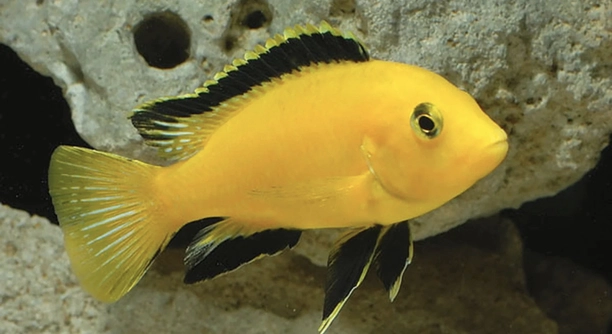
Have you ever looked at your aquarium and wondered why some fish seem more active while others hide in corners? Observing a tank closely can reveal subtle signs that show how balanced the energy truly is inside.
Balanced tank energy is indicated by clear water, healthy plant growth, active fish behavior, proper circulation, consistent temperature, minimal algae buildup, and an overall harmonious environment. These visual cues collectively reflect a stable and thriving aquatic ecosystem.
Noticing these signs can help you maintain a calm and healthy tank environment for both plants and fish.
Clear Water
Clear water is one of the first things I notice when checking my tank. It’s easy to see when everything is balanced. When water is clear, it means the filtration system is working well and waste is being managed efficiently. I’ve found that regular water changes help maintain clarity and prevent buildup. Sometimes, even small changes in diet or fish population can make water cloudy. Watching the water each day allows me to notice subtle shifts before they become bigger problems. Clear water also makes it easier to see fish behavior, plant growth, and any small issues like algae forming. It reflects the overall health of the tank and keeps the environment safe for fish.
Maintaining clear water improves visibility and reduces stress for fish. It signals that your tank is stable and well cared for.
Clear water doesn’t happen by chance. I monitor filtration, avoid overfeeding, and check water parameters consistently. Adding live plants helps absorb excess nutrients, while proper lighting keeps algae in check. Consistent water changes remove debris and prevent toxins from accumulating. I’ve noticed that when the tank stays clear, fish are more active, plants grow stronger, and the environment feels peaceful. Over time, it becomes a simple habit to keep everything balanced, and small adjustments prevent bigger problems. Monitoring these signs keeps the tank healthy for months at a time.
Healthy Plant Growth
Healthy plants are a sign that a tank is thriving. When leaves are vibrant, roots are strong, and new growth appears, it shows that nutrients and light levels are balanced.
Strong plant growth stabilizes water conditions and provides natural shelter for fish.
Plants contribute to oxygen levels, absorb waste, and create natural filtration. I choose species that suit my tank size and lighting, avoiding overcrowding while ensuring variety. Fertilizers and CO₂ supplements sometimes help, but I focus on moderation to prevent algae overgrowth. Healthy plants also support fish behavior, giving them spaces to explore and hide. I’ve noticed that a tank with thriving plants feels alive and calm. Observing plant health regularly allows me to adjust lighting, trimming, and feeding routines. Overall, maintaining plant growth requires attention but rewards the tank with balance and vitality.
Active Fish Behavior
Active fish swimming freely and exploring the tank is a clear sign of balance. Fish that hide constantly or stay at the bottom may indicate stress or an unstable environment.
I watch my fish closely every day. When they interact with each other, chase currents, and explore decorations, I know the tank conditions are right. Feeding times become enjoyable moments, as fish respond quickly and show curiosity rather than fear. Activity also reflects good water quality, proper temperature, and enough space. I’ve noticed that even small adjustments, like rearranging plants or adding gentle water flow, can encourage more movement. Over time, observing behavior helps me detect subtle changes before issues arise.
Consistency in water changes and feeding schedules supports activity. I avoid overstocking the tank and provide hiding spots for comfort. Fish show more natural patterns when the environment is stable. Temperature fluctuations or poor filtration can reduce energy, but attentive care keeps them lively. Seeing active fish is reassuring, as it confirms the tank’s ecosystem is functioning harmoniously.
Proper Circulation
Good circulation keeps water moving evenly, preventing stagnation and distributing nutrients. It also ensures oxygen reaches all areas of the tank, which fish and plants need to thrive.
I adjust pumps and filters to create gentle flow without stressing fish. Watching bubbles and plant movement helps me confirm circulation is sufficient. Proper flow supports waste removal, keeps temperature even, and promotes overall tank health. Poor circulation can cause dead zones, where debris settles, leading to cloudy water and algae growth. I’ve found that positioning equipment carefully makes a big difference. Even small adjustments in current direction or speed can improve conditions noticeably.
Circulation impacts every aspect of the tank. It keeps water clear, helps plants grow evenly, and encourages fish activity. I often observe how plants sway in the current and how fish respond, making tweaks when needed. Regular cleaning of filters and checking pump function ensures continuous flow. Balancing strong enough circulation for debris movement without stressing fish takes attention, but it prevents common problems. I also combine circulation with careful aeration to maintain oxygen levels, creating a stable environment that supports both plant and animal health.
Consistent Temperature
A stable temperature keeps fish comfortable and prevents stress. Sudden fluctuations can weaken immunity and slow growth, affecting the tank’s balance.
I monitor the heater daily and use a reliable thermometer. Even small changes can make a noticeable difference in fish behavior and plant health.
Minimal Algae Buildup
Controlling algae keeps the tank clean and ensures plants and fish get proper light. Excess algae indicates nutrient imbalance or too much light. I remove algae manually and adjust lighting schedules to maintain a healthy environment. Regular maintenance prevents overgrowth and keeps the tank visually balanced.
Harmonious Environment
A harmonious tank shows a balance between fish, plants, and decorations. Fish interact naturally, plants grow steadily, and water conditions remain stable. Observing the tank over time reveals how adjustments impact harmony, making it easier to maintain long-term stability.
Proper Lighting
Lighting influences plant growth and fish activity. Too much light encourages algae, while too little slows plant development. I adjust light duration and intensity to support a balanced ecosystem.
How often should I check my tank for visual signs of balanced energy?
I check my tank daily, even if only for a few minutes. Observing water clarity, fish behavior, and plant growth regularly helps me catch small issues before they become bigger problems. Consistent monitoring makes adjustments easier and keeps the tank stable.
What should I do if I notice cloudy water?
Cloudy water usually points to waste buildup or minor imbalances. I start by checking the filter and cleaning it if needed. A partial water change often restores clarity, and I make sure not to overfeed my fish, which reduces excess nutrients. Keeping the substrate clean also helps prevent recurring cloudiness.
How can I tell if my plants are healthy?
Healthy plants have vibrant leaves, visible new growth, and strong roots. I look for signs of yellowing, holes, or melting leaves, which can indicate nutrient deficiencies or poor lighting. Trimming dead parts and maintaining proper fertilization keeps plants thriving. Observing plant growth weekly gives me a clear picture of overall tank health.
Why is fish activity important for balanced energy?
Active fish indicate a stable and comfortable environment. When fish swim freely, explore, and interact naturally, it shows that water quality, temperature, and oxygen levels are suitable. Reduced activity or hiding may signal stress or poor conditions, prompting me to check filtration, feeding, or water parameters immediately.
What steps help maintain proper circulation?
Proper circulation ensures nutrients and oxygen are evenly distributed throughout the tank. I adjust pump placement and filter output to create gentle, consistent flow. Removing debris from filters and avoiding dead zones prevents stagnation. Observing plant movement and fish behavior helps me confirm that the current is effective without being stressful.
How do I prevent algae buildup effectively?
I control algae by balancing light, nutrients, and plant growth. Reducing light duration, avoiding overfeeding, and adding fast-growing plants all limit excess nutrients. Manual removal during maintenance keeps algae under control. Observing algae growth patterns lets me adjust care routines before it becomes a visual or ecological problem.
What is the ideal temperature range for most freshwater tanks?
For most freshwater fish, I maintain temperatures between 74°F and 78°F. I check the heater and thermometer daily, adjusting slightly if needed. Stable temperature is crucial for fish health, plant growth, and overall energy balance. Sudden changes can stress fish and disrupt the ecosystem.
How do I know if the tank environment is harmonious?
A harmonious tank shows natural fish behavior, steady plant growth, and minimal algae. Fish interact without aggression, plants grow uniformly, and water remains clear. When everything feels balanced, small adjustments in feeding, lighting, or circulation maintain this harmony. I observe the tank daily to keep conditions optimal.
When should I perform water changes?
I usually perform a partial water change weekly, replacing about 20–25% of the water. This removes waste, reduces toxins, and maintains stable water parameters. If the tank shows early signs of imbalance, like cloudy water or stressed fish, I adjust the frequency slightly. Regular changes are essential for long-term stability.
Can tank decorations affect energy balance?
Yes, decorations influence flow, hiding spots, and plant placement. I arrange items to create natural pathways and secure spaces for fish to explore. Proper decoration placement improves circulation, reduces stress, and supports a visually and ecologically balanced tank. I occasionally rearrange decor to maintain variety and interest for the fish.
How does lighting impact overall tank energy?
Lighting affects plant growth, algae control, and fish activity. I use a timer to provide consistent light cycles, ensuring plants get enough light without promoting algae. Adjusting intensity based on plant needs and observing fish behavior helps me keep the ecosystem balanced and healthy.
Are there signs of stress in fish I should watch for?
Yes, signs include hiding excessively, lethargy, loss of appetite, and unusual swimming patterns. I monitor fish daily, and when I notice these behaviors, I check water quality, temperature, and diet. Addressing issues early prevents long-term problems and helps maintain balanced tank energy.
How do I balance plant nutrients effectively?
I provide nutrients through a combination of substrate fertilizers and liquid supplements, keeping doses moderate. Observing plant health helps me avoid overfertilization, which can trigger algae growth. Healthy plant growth improves water quality and supports fish, creating a more balanced environment overall.
What is the role of aeration in tank energy?
Aeration supplies oxygen and encourages circulation. I use air stones or filter outputs to create gentle water movement. Proper oxygen levels support fish health and help plants absorb nutrients efficiently. Monitoring oxygen ensures all parts of the tank are thriving, contributing to overall balance and stability.
How can I maintain long-term balance in my tank?
Consistent observation, regular water changes, proper feeding, controlled lighting, and plant care keep energy balanced. I track water parameters, adjust equipment as needed, and remove debris. Small, steady efforts prevent stress, support fish and plant health, and maintain a peaceful, thriving environment over time.
Maintaining a balanced tank requires attention to detail, but it does not have to feel overwhelming. Observing the visual signs of a healthy tank is the easiest way to understand its overall condition. Clear water, active fish, and healthy plants all indicate that the environment is stable and functioning well. Over time, I have learned to notice small changes that signal when something needs adjustment, like slight cloudiness in the water or a plant that stops growing. By responding early, I can prevent minor issues from turning into bigger problems, keeping the tank healthy without drastic interventions. Regular maintenance, such as cleaning filters, trimming plants, and checking water parameters, becomes part of the routine rather than a stressful task.
Balanced tank energy benefits not just the fish but also the plants and the overall ecosystem. Healthy plants help remove waste, provide oxygen, and offer hiding spots for fish. Proper circulation ensures nutrients and oxygen are distributed evenly, while controlled lighting encourages growth without promoting algae. I have noticed that when all these elements work together, the fish are more active, the plants grow consistently, and the tank appears calm and clean. Even small adjustments, like moving decorations to improve water flow or trimming plants to allow light penetration, can make a noticeable difference. Maintaining balance is about observing patterns, learning how each component interacts, and making steady improvements rather than sudden changes.
Keeping a tank balanced also provides a sense of satisfaction and connection with the environment. Watching fish swim freely, plants grow, and water stay clear creates a calm and pleasant atmosphere. The process teaches patience, observation, and responsiveness to subtle changes. Over time, maintaining these conditions becomes easier as routines are established and patterns become familiar. It is important to remember that every tank is slightly different, and what works for one setup may need adjustments for another. Paying attention to the visual cues, responding thoughtfully, and keeping consistent care ensures the tank remains healthy in the long term. A balanced tank is not just a reflection of proper maintenance; it represents a harmonious environment where fish, plants, and water coexist naturally and thrive together.

Hello,
If you enjoy the content that we create, please consider saying a "Thank You!" by leaving a tip.
Every little bit helps us continue crafting quality advice that supports the health, happiness, and well-being of pets around the world, for pets of all shapes, sizes, and species.
We really appreciate the kindness and support that you show us!