
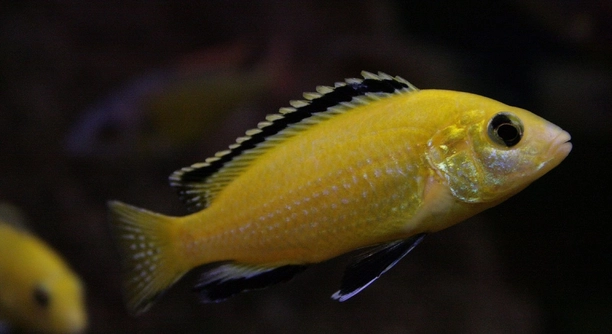
Keeping an aquarium clean is essential for the health of your fish and plants. Regular water changes help maintain balance, prevent buildup of harmful substances, and ensure your aquatic environment stays stable and thriving.
Tracking water changes can be simplified using specific tools designed for accuracy and consistency. Flow meters, water change logs, automated reminders, and digital monitors provide measurable data, helping aquarists maintain optimal water quality while minimizing manual errors and oversight.
These tools offer practical support for maintaining a healthy aquarium and make routine water care more manageable and precise.
Flow Meters for Accurate Measurement
Flow meters are small devices that help track the exact amount of water being added or removed during a water change. They attach to hoses or pipes and provide a visual or digital reading of water flow. Using a flow meter eliminates guesswork and ensures you are maintaining the correct water volume for your aquarium. These devices are especially helpful for larger tanks, where estimating the right amount of water can be challenging. Many models are easy to install and require minimal maintenance. Some even provide alerts if the flow rate is inconsistent. This allows for better consistency in water changes and reduces the risk of stressing your fish or plants. Monitoring flow helps maintain proper water parameters, keeping your aquarium healthier over time. I started using a flow meter last year, and it significantly simplified my routine while improving the overall stability of my tank.
Flow meters save time and provide peace of mind by offering precise water measurement during each change.
Using a flow meter consistently helps prevent overfilling or underfilling, which can impact water chemistry. Accurate measurement supports stable pH, temperature, and nutrient levels. For planted tanks, consistent water volume helps maintain plant growth and prevents sudden shock to the ecosystem. Digital flow meters can integrate with automated systems, allowing for easier scheduling and record keeping. Even simple manual meters are a valuable addition to any aquarium setup, ensuring each water change is controlled and effective. Over time, this precision leads to healthier fish, clearer water, and less effort in monitoring water quality, making tank maintenance less stressful.
Water Change Logs
Keeping a detailed log of water changes provides a clear record of your tank’s maintenance history. Recording the date, volume, and any observations helps identify patterns in water quality over time. Logs can be kept in notebooks, spreadsheets, or digital apps designed for aquarium tracking. Consistency in logging allows you to notice changes in fish behavior, water clarity, or plant health that may indicate underlying issues. Reviewing logs can also help plan future water changes more efficiently. For me, maintaining a log highlighted that certain plants thrived only when water changes were done on a strict schedule. Logging turns routine maintenance into a manageable and predictable task, reducing guesswork.
Water change logs make monitoring easier and support better planning of routine maintenance.
Regularly updating logs ensures nothing is missed, making it easier to detect trends and potential problems. They also help maintain consistency when multiple caretakers are involved. Logs provide a historical reference for water chemistry adjustments, showing how different water volumes or schedules affect tank stability. Digital logs can integrate with notifications, reminding you when it’s time to change water. Over time, these records reduce stress and uncertainty, helping you maintain optimal conditions for fish and plants. Consistent logging also allows tracking of fertilizer use, pH shifts, or temperature fluctuations, making adjustments precise and informed. Well-maintained logs lead to a more stable environment and healthier, more vibrant aquatic life.
Automated Water Changers
Automated water changers simplify the process by controlling water removal and refill without constant supervision. They connect to your tank and manage the flow automatically, making maintenance consistent and less time-consuming.
These systems use pumps, timers, or gravity-fed setups to replace water accurately. Once programmed, they remove a set volume of water and refill it with fresh water, maintaining proper tank levels. Some models include sensors to prevent overfilling or to detect leaks, reducing the risk of accidents. Automated changers are especially useful for larger aquariums, busy schedules, or tanks that require frequent water updates. I started using one for my 75-gallon tank, and it removed the stress of tracking every water change manually. The system allowed me to focus on other aspects of tank care while ensuring stability and consistency.
Automated water changers also support better water quality by keeping chemical levels stable. Consistent removal and refill prevent spikes in nitrates, ammonia, and other parameters.
Digital Water Monitors
Digital water monitors track temperature, pH, and other essential parameters in real time. They provide instant alerts when values fall outside safe ranges, making proactive adjustments easier.
These devices often include LCD screens or smartphone integration, displaying data clearly and allowing remote monitoring. Alerts can notify you of sudden temperature drops or rises, pH swings, or conductivity changes, helping prevent stress on fish and plants. Some models store historical data, giving insight into long-term trends in your aquarium’s environment. By analyzing this information, I was able to identify the best times for water changes and fertilizer adjustments for my plants. Digital monitoring supports a precise, informed approach, reducing guesswork and improving overall tank stability.
Using digital monitors allows precise tracking of water chemistry and environmental changes, supporting healthier fish and plants over time.
Water Change Reminders
Water change reminders help keep your schedule consistent. Apps or timers can alert you when it’s time to replace water, reducing the chance of missed maintenance.
Setting reminders has simplified my routine. I no longer rely on memory, and each tank receives timely attention. Consistency improves water quality and keeps fish healthy.
Measuring Cups and Buckets
Using measuring cups and buckets ensures precise water removal and refill. This method is simple, affordable, and effective for smaller tanks or partial water changes. Accuracy in volume helps maintain stability in water parameters and prevents over- or under-filling.
Aquarium Logs
Keeping an aquarium log is a practical way to track maintenance, water parameters, and observations over time. Regular updates help identify trends and ensure consistent care for your aquatic environment.
FAQ
How often should I change the water in my aquarium?
Water change frequency depends on tank size, stocking levels, and plant or fish types. Smaller tanks often require weekly changes, while larger tanks may need changes every two weeks. Partial water changes of 20–30% help maintain stable water chemistry and prevent buildup of harmful substances. I found that keeping a consistent schedule prevents sudden spikes in ammonia and nitrates.
What is the easiest way to track water changes?
Using a combination of tools makes tracking easier. Flow meters, water change logs, and digital reminders simplify the process. Personally, keeping a log with dates and volumes, combined with smartphone alerts, helps me maintain consistent water quality without forgetting steps. This approach ensures accuracy and prevents over- or under-filling.
Can automated water changers replace manual maintenance completely?
Automated systems handle volume and schedule reliably, but occasional manual checks are still important. Inspecting filters, checking equipment, and observing fish behavior ensures the system works correctly. I rely on automation for routine changes but always perform a hands-on review to catch subtle issues early.
Are digital water monitors necessary for a healthy tank?
Digital monitors are not required, but they provide valuable data on temperature, pH, and other parameters. I use one to track trends and detect sudden changes early. Monitors help prevent stress to fish and maintain stable conditions, making them a useful addition for long-term tank health.
How do I know how much water to change each time?
The ideal volume depends on tank size and water quality goals. A 20–30% change is standard for most aquariums. Using measuring cups, buckets, or flow meters ensures accuracy. I always mark the exact volume I remove and refill, keeping the process consistent and predictable.
What should I record in a water change log?
Logs should include date, volume changed, water parameters, and any observations like fish behavior or plant growth. Over time, this record helps identify trends and optimize care. My logs have helped me notice subtle issues before they became serious problems.
Can frequent water changes harm my aquarium?
Excessive water changes can disrupt beneficial bacteria and stress fish. Sticking to a planned schedule and partial changes keeps the ecosystem stable. I learned that gradual, consistent changes maintain balance better than large, infrequent replacements.
Is it necessary to use special water conditioners every time?
Conditioners help remove chlorine, chloramine, and heavy metals. I always treat tap water before adding it to the tank. Using a conditioner ensures safe water for fish and protects beneficial bacteria in the filter. Regular use prevents sudden chemical shocks.
What is the best way to combine tools for tracking water changes?
Combining reminders, logs, and measuring tools provides the most reliable results. I set alarms, use a log, and measure water accurately each time. This system reduces mistakes, maintains stable water chemistry, and keeps the tank healthy with minimal stress.
How do I adapt water changes for a planted tank?
Planted tanks benefit from consistent, moderate water changes to maintain nutrient balance. I monitor plant growth and adjust the volume slightly if needed. Combining flow meters, logs, and digital monitoring helps me keep both plants and fish thriving without disrupting the ecosystem.
What should I do if I miss a scheduled water change?
If a change is missed, perform it as soon as possible, but avoid making sudden, large changes. I make small adjustments over a few days to stabilize parameters. Using reminders and logs reduces the chance of missed changes in the future.
Can these tools help beginners maintain an aquarium?
Yes, they simplify water changes and provide clear guidance. I found that starting with simple measuring tools and logs builds good habits. Adding digital monitors or automated changers over time improves accuracy and reduces stress, making aquarium care manageable for anyone.
How do I ensure consistency when multiple people care for the tank?
Sharing logs, reminders, and clear instructions ensures everyone follows the same routine. I keep a written record of water volumes and schedules, so others can perform changes correctly. Consistency prevents mistakes and keeps the tank stable regardless of who maintains it.
Are there cost-effective options for tracking water changes?
Yes, simple measuring cups, notebooks, and free reminder apps are effective and inexpensive. I started with these tools and gradually added a flow meter and digital monitor as needed. Cost does not have to be a barrier to accurate water maintenance.
Can tracking tools prevent common aquarium problems?
Yes, accurate tracking reduces stress, chemical imbalances, and poor water clarity. I noticed fewer algae blooms and healthier fish after consistently using flow meters, logs, and reminders. These tools support a stable environment and make maintenance predictable.
How do I choose the right tools for my tank size?
Smaller tanks may only need measuring cups, logs, and reminders. Larger or heavily stocked tanks benefit from flow meters, automated changers, and digital monitors. I matched tools to my tank size, which simplified maintenance and ensured consistent water quality.
What is the most important factor for maintaining a healthy tank?
Consistency in water changes, monitoring, and logging is key. I found that precise measurements, scheduled changes, and accurate records make the biggest difference. Using the right combination of tools ensures fish and plants thrive while minimizing stress and guesswork.
How do I balance manual and automated methods?
Manual checks complement automation by monitoring equipment and observing fish. I rely on automated changers for routine volume but still perform visual inspections, filter checks, and parameter readings. This combination ensures both accuracy and care.
Can water tracking tools help with emergencies?
Yes, alerts from digital monitors or flow meters can detect leaks, pump failures, or chemical spikes. I experienced early warnings that allowed quick intervention, preventing harm to fish and plants. Timely notifications make these tools valuable for maintaining a safe, stable aquarium environment.
What is the easiest way to start using these tools?
Begin with a simple log and reminders, then add measuring cups for accuracy. I gradually incorporated flow meters and digital monitors, which made tracking precise and effortless. Starting small ensures you develop good habits without feeling overwhelmed.
Maintaining an aquarium requires regular attention, and tracking water changes is one of the most important parts of keeping a healthy environment. Water changes help maintain stable chemical levels, remove waste, and provide fresh oxygen for fish and plants. Without proper tracking, it is easy to over- or under-change water, which can cause stress for your aquatic life. I have learned that a consistent routine makes a noticeable difference in tank clarity, fish behavior, and plant growth. Using tools like measuring cups, logs, flow meters, or digital monitors adds structure and reliability to the process. These tools do not replace observation, but they make the technical side of maintenance simpler and more accurate. When I started using logs and reminders, I realized how much I had relied on guesswork, which sometimes led to uneven water quality. By tracking every change, I was able to create a more predictable and stable environment.
Consistency is the key benefit of using tools to track water changes. Regular monitoring ensures that ammonia, nitrates, and other compounds do not build up to harmful levels. Automated changers or reminders can help maintain this schedule, especially for larger tanks or busy routines. Digital monitors provide real-time information about temperature, pH, and other parameters, allowing quick adjustments before small issues become bigger problems. Measuring tools and buckets ensure that the correct volume of water is replaced each time, preventing sudden shifts in water chemistry. Keeping a detailed log adds another layer of control, helping to identify trends and optimize the maintenance schedule. Personally, I found that combining simple tools like logs with more advanced devices like flow meters created a balance between accuracy and ease of use. The tank became healthier, fish more active, and plants more vibrant. These small steps build confidence in aquarium care, making routine maintenance less stressful and more predictable.
Tracking water changes is also about long-term sustainability. A well-maintained schedule protects the aquarium from sudden chemical imbalances, reduces algae growth, and improves the overall health of aquatic life. Each tool has a specific role, whether it is measuring, reminding, or recording, and together they form a system that keeps the aquarium stable. I noticed that even small mistakes became easier to catch when using multiple tracking methods. For example, logs highlighted patterns I had missed, while digital monitors alerted me to sudden temperature changes. Over time, this combination of monitoring, recording, and adjusting not only keeps the water clean but also supports healthy growth of both fish and plants. The process may seem detailed, but once a routine is in place, it becomes second nature. By using available tools consistently, anyone can maintain a thriving aquarium while minimizing stress and effort. Proper tracking transforms water changes from a chore into a reliable and manageable part of tank care.

Hello,
If you enjoy the content that we create, please consider saying a "Thank You!" by leaving a tip.
Every little bit helps us continue crafting quality advice that supports the health, happiness, and well-being of pets around the world, for pets of all shapes, sizes, and species.
We really appreciate the kindness and support that you show us!