
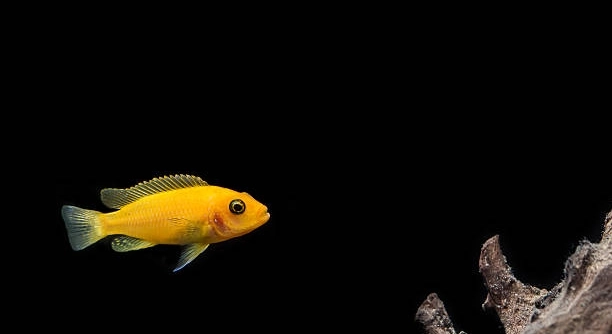
Observing cichlids in their tanks can be both relaxing and educational. Their behaviors change subtly over time, influenced by environment, diet, and interactions with other fish in the aquarium. Tracking these changes can be very rewarding for enthusiasts.
Monitoring cichlid behavior over a month involves consistent observation of feeding habits, social interactions, territory establishment, and responses to environmental changes. Documenting these aspects provides insight into their development, stress levels, and overall health, offering a clear understanding of behavioral patterns.
Following simple observation techniques will reveal shifts in hierarchy, activity levels, and interaction styles, providing a deeper appreciation for these fascinating fish over time.
Setting Up a Comfortable Environment
Creating a stable environment for cichlids is essential to see natural behavior changes. I made sure the tank had enough hiding spaces and open swimming areas. Rocks, plants, and decorations give fish territories and reduce stress. Water temperature, pH, and hardness were carefully monitored, as small fluctuations can affect activity levels. I also ensured proper filtration and regular water changes. Observing my cichlids, I noticed they became more confident when the environment felt secure. Lighting was adjusted to mimic natural day-night cycles, which helped regulate feeding and resting behaviors. Feeding schedules were consistent, with varied food types to encourage healthy interactions. Over the first week, fish began exploring all parts of the tank, establishing territories near rocks and plants. Monitoring these changes required patience, but seeing the subtle shifts in movement and positioning helped me understand each fish’s personality and hierarchy within the tank.
Creating the right environment allows fish to behave naturally and promotes reliable observations of behavioral changes.
Consistency in tank setup, water quality, and lighting encourages predictable interactions. Fish are more likely to display true social behaviors when their surroundings are stable and stress-free.
Observing Feeding Behavior
Feeding is a clear window into cichlid behavior. I noticed who approached first, who waited, and how aggressive interactions occurred around food. Patterns developed over time, showing dominance and submissive fish.
I recorded feeding times and portion sizes daily. Over weeks, I observed that some fish consistently claimed prime spots, while others waited on the edges. Adjusting feeding strategies, like scattering pellets or using feeding rings, revealed additional social dynamics. Some fish became more assertive when new foods were introduced, while others hesitated. Feeding interactions also highlighted pair bonds or temporary alliances between certain individuals. I could see how stress, previous interactions, or territorial disputes influenced their approach to meals. By keeping notes, I tracked changes and shifts in hierarchy. This method provided measurable insight into both competition and cooperation within the tank. Over the month, feeding behavior alone painted a detailed picture of social structures and helped me anticipate future interactions. Documenting every feeding event made subtle trends obvious and helped in understanding each fish’s personality and role in the group.
Tracking Social Interactions
Social interactions revealed clear hierarchies within the tank. Some cichlids asserted dominance, while others avoided conflict. Watching these patterns over time highlighted alliances and rivalries.
Recording daily interactions helped me identify which fish were leaders and which were more submissive. Dominant fish often patrolled territories, chasing others away from preferred spots. Submissive fish would retreat to hiding spaces or swim at the edges, showing caution. Over several weeks, I noticed that certain alliances formed, particularly among smaller or younger fish, allowing them to access food and safe areas more freely. Changes in these relationships sometimes occurred after introductions of new decorations or shifts in feeding routines. Keeping a log of interactions revealed subtle behavioral shifts, such as previously submissive fish gradually gaining confidence and testing boundaries. Observing these patterns consistently allowed me to see how the tank’s social balance adapted to environmental conditions and individual personalities.
Noting these social behaviors daily clarified how dominance, cooperation, and avoidance affected overall tank harmony and individual well-being.
Monitoring Territory and Space Usage
Territory use showed which areas were preferred and which fish controlled specific zones. Tracking this highlighted changes over time.
Certain rocks and corners became highly contested spaces, while open swimming areas were shared more freely. Dominant fish often claimed the most desirable hiding spots, forcing others to adapt. Over time, I noticed shifts in territory ownership, particularly when weaker fish gained confidence or when new decorations altered movement patterns. Some fish expanded their roaming areas gradually, testing boundaries and interacting with different tankmates. Mapping their positions regularly made these trends obvious. Changes in territory often correlated with feeding behavior and social status. By observing consistently, I could see how environmental changes influenced spatial dynamics. The fish adapted, negotiated, and sometimes contested spaces daily, revealing the complex social structure within the tank.
Careful observation of space usage offered clear insight into both individual preferences and overall tank organization, highlighting natural behavior patterns and interactions.
Noting Color and Physical Changes
Color shifts often indicated mood, health, or breeding readiness. Watching daily allowed me to see subtle changes that might otherwise go unnoticed.
Some fish brightened when displaying dominance or during feeding, while others darkened when stressed or retreating. Noting these changes helped me interpret behavior and interactions.
Recording Breeding Behavior
Spawning activities emerged gradually. I observed courtship displays, nest building, and protective behavior around eggs or fry. Documenting the timing and frequency of these behaviors provided insight into reproductive cycles and social dynamics within the tank.
Measuring Activity Levels
Activity levels fluctuated throughout the day. Tracking movement patterns and periods of rest revealed individual tendencies, social status, and reactions to environmental changes, helping me understand the cichlids’ daily routines.
How can I tell if my cichlids are stressed?
Stress in cichlids often shows through changes in color, erratic swimming, or hiding more than usual. I noticed that when my tank had sudden changes in temperature or water quality, some fish became unusually skittish. Submissive fish may stay at the bottom or corners of the tank, avoiding interaction. Monitoring daily behavior made it easier to spot these subtle signs. Adjusting water parameters gradually and ensuring enough hiding spots helped reduce stress. Consistent feeding schedules and minimal disturbances also made the fish calmer and more predictable in their movements.
What’s the best way to track behavioral changes?
I kept a simple daily log, noting feeding order, territory shifts, color changes, and social interactions. Recording the same information each day highlighted patterns that I could otherwise miss. Photos or short videos were helpful to compare over time. Tracking behavior consistently revealed subtle developments, like a previously timid fish gaining confidence or alliances forming between smaller individuals. Notes helped me adjust tank conditions, feeding methods, and decoration placement to encourage natural behavior. Regular observation at consistent times ensured accurate comparisons, and I could detect minor changes before they escalated into problems.
How do I know if the social hierarchy is stable?
A stable hierarchy shows predictable interactions. Dominant fish assert themselves, but conflicts are usually brief, and submissive fish know their place. I noticed my tank’s dominant fish rarely attacked repeatedly, and subordinate fish learned to avoid unnecessary confrontation. Alliances formed naturally without excessive aggression, and feeding sequences remained consistent over several weeks. Observing these patterns over time confirmed stability. Introducing new fish or decorations temporarily disrupted hierarchy, but it settled once the fish adjusted. Recording interactions daily made it easy to spot long-term trends and identify which individuals were challenging or reinforcing the existing social structure.
How often should I observe my cichlids?
Daily observation is most effective. I spent short periods each morning and evening noting behavior, feeding responses, and activity levels. Consistent observation allows trends to emerge, such as shifts in dominance, changes in territory, or the onset of breeding behavior. Weekly comparisons of notes or videos helped me see long-term patterns. Even brief, regular check-ins gave enough information to track behavior reliably. Daily observation also allowed me to catch early signs of illness or stress, which could be addressed before becoming serious issues. A routine made tracking easier and more accurate over the month.
What environmental factors most affect behavior?
Water temperature, pH, hardness, and lighting had the largest impact. I noticed fish became more active in stable, optimal conditions and less active when parameters fluctuated. Decorations and hiding spots influenced territory use and interactions. Adding new plants or rocks changed movement patterns and social dynamics. Feeding schedules and food variety also affected behavior. Sudden environmental changes triggered stress responses, while gradual adjustments helped fish adapt smoothly. Consistent monitoring and maintaining stable conditions ensured that observed behavioral changes reflected natural tendencies rather than reactions to stressors.
Can I encourage natural behavior without disturbing the tank?
Yes, minimal interference is key. I observed from a distance and used timed feeders to reduce human presence. Adjusting decorations or food placement gradually encouraged exploration and interaction without causing stress. Recording videos from outside the tank allowed for detailed review later. Avoiding sudden movements or tapping the glass prevented startling the fish. By keeping the environment stable and introducing changes slowly, I encouraged natural feeding, territorial, and social behaviors. Consistent routines and careful observation helped maintain authentic behaviors while minimizing disruption.
How do feeding patterns reflect social structure?
Dominant fish usually approach first and claim the best spots. Submissive fish wait or feed at the edges. Over time, I observed that alliances sometimes allowed smaller fish to access food more easily. Changes in feeding behavior often mirrored shifts in hierarchy or confidence levels. By recording daily feeding sequences, I could track dominance trends and interactions. Feeding patterns also indicated stress or discomfort, as stressed fish often hesitated or avoided competition. Observing these patterns helped me understand both individual personalities and the overall social organization within the tank.
What signs indicate a cichlid is preparing to breed?
Color intensifies, and behavior becomes more focused. I noticed pair bonding, nest digging, and protective displays near specific areas. Increased territoriality often coincided with courtship, and some fish became more aggressive toward intruders. Monitoring these changes helped me identify potential breeding pairs and ensure the tank environment supported successful reproduction. Recording these behaviors over several weeks provided a clear timeline of reproductive activity and social adjustment before, during, and after breeding events.
Observing cichlid behavior over time can be very rewarding and informative. Keeping track of how fish interact, feed, and establish territories gives a clear picture of their personalities and social dynamics. Over the month, I noticed that small changes in the tank environment, such as rearranging decorations or adjusting water parameters, could influence behavior significantly. Some fish became more confident and assertive, while others preferred to remain cautious and retreat to hiding spaces. These differences in behavior reflected both individual tendencies and responses to external factors. By watching carefully, it became easier to understand each fish’s role within the group and how they adapted to changes in their surroundings. Simple daily observation and careful note-taking were the most effective methods to record these patterns.
Tracking feeding habits and activity levels also revealed important insights about health and well-being. Dominant fish often claimed the best feeding spots, while more submissive individuals waited or explored other areas. Over time, these patterns shifted slightly, showing how hierarchy and confidence could evolve. Recording who approached food first, how aggressive interactions occurred, and how fish responded to new types of food helped me understand both competition and cooperation. Monitoring daily movement and energy levels added another layer of understanding, showing how environmental changes, lighting, or water quality affected the fish. Combining these observations with notes on color changes, territorial behavior, and social interactions created a comprehensive record of how the group adapted and grew over the month.
Observing cichlids consistently also encouraged a more thoughtful approach to aquarium management. Maintaining stable water conditions, providing enough hiding spaces, and ensuring proper feeding schedules all contributed to a healthier, calmer environment. Subtle adjustments, such as adding new plants or changing feeding methods, allowed the fish to express natural behaviors while minimizing stress. Tracking their interactions, courtship, and territory use over time offered a clear sense of how the group organized itself and responded to changes. Overall, careful observation, patience, and consistency are key to understanding cichlid behavior. Taking the time to document these patterns provides not only insight into their social structure but also a more enjoyable and informed approach to keeping them.

Hello,
If you enjoy the content that we create, please consider saying a "Thank You!" by leaving a tip.
Every little bit helps us continue crafting quality advice that supports the health, happiness, and well-being of pets around the world, for pets of all shapes, sizes, and species.
We really appreciate the kindness and support that you show us!