
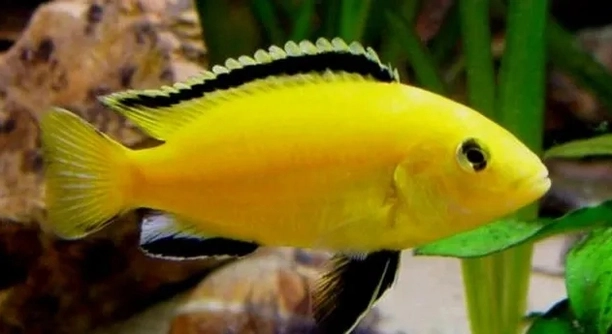
Male cichlids are known for their bright colors, which can be a sign of health, mood, or breeding readiness. Watching these color changes can help you understand their needs and ensure a balanced aquarium environment.
Male cichlids display seven key color signs that indicate stress, aggression, health, or readiness to breed. Observing these patterns closely allows aquarists to adjust care, diet, and tank conditions, promoting both fish well-being and overall tank harmony.
Recognizing these color signs can improve your fish-keeping routine and help maintain a vibrant, healthy aquarium environment for your male cichlids.
Bright Body Colors
Male cichlids often show vibrant body colors when they are healthy and comfortable in their environment. These bright colors can range from intense blues and yellows to deep reds, depending on the species. When a male cichlid displays full, vivid coloration, it usually means that the fish is well-fed, properly acclimated, and not stressed. Dull or faded colors, on the other hand, may indicate poor water quality, insufficient nutrition, or illness. Observing your cichlid’s body color regularly can help you catch early signs of problems and make adjustments to their tank conditions. Lighting also plays a role in how these colors appear, so consider natural or aquarium-specific lighting that enhances their natural tones without causing stress. Bright coloration is often more noticeable during feeding times or interactions with other fish, which can also indicate confidence and dominance within the tank hierarchy.
Bright body colors show that your male cichlid is healthy and comfortable in its environment.
Color changes in male cichlids reflect health, mood, and social dynamics. Fish that display full, vivid coloration are generally strong and thriving. Lighting, diet, and tank conditions all influence how these colors appear. Monitoring these changes ensures better care. Proper nutrition, clean water, and minimal stress help maintain these bright tones. Observing your fish during feeding or social interactions can provide insight into their well-being, as confident males often show the most vibrant colors. Seasonal and breeding behaviors can also enhance these colors, signaling readiness to mate or assert territory. Keeping a close eye on these variations allows you to respond quickly to any shifts, preventing potential health issues. Ultimately, bright body colors are a reliable visual cue for assessing your cichlid’s overall condition and ensuring they remain lively and active.
Dark Vertical Bars
Dark vertical bars may appear along the body of male cichlids during stressful situations or conflicts with other fish. These bars are temporary and can fade once the fish feels safe again. Bars often appear when a fish is defending territory or asserting dominance. While these bars are natural, persistent dark bars might indicate ongoing stress, illness, or poor water conditions. Monitoring when and why these bars appear can help you understand social dynamics in your tank. In some species, bars are more prominent during breeding or courtship, signaling readiness to mate. Tank layout, hiding spots, and compatible tank mates can reduce unnecessary stress that triggers these color changes. Understanding this behavior helps maintain a calm environment, ensuring your male cichlids remain healthy and display their natural colors more consistently.
Dark vertical bars indicate stress or social tension in male cichlids.
Observing dark vertical bars gives insight into fish behavior and environmental comfort. Male cichlids may display these markings when defending territory, competing for dominance, or reacting to unfamiliar conditions. These bars can also appear during courtship, signaling readiness to breed. Persistent bars, however, suggest ongoing stress, requiring changes in tank layout, water quality, or social arrangements. Providing hiding spaces and ensuring compatible tank mates can reduce stress, helping bars fade naturally. Tracking when bars appear helps identify patterns in behavior, enabling proactive care adjustments. Lighting and diet can also influence visibility, so maintaining optimal conditions ensures your cichlids’ colors remain vibrant. Understanding the meaning behind dark vertical bars allows aquarists to maintain a balanced environment that supports both health and natural social behavior. Monitoring these visual cues regularly can prevent long-term stress and improve the overall well-being of your fish, making your tank a more stable habitat.
Red or Orange Highlights
Red or orange highlights often appear on the fins or around the gill plates of male cichlids, signaling good health and breeding readiness. These colors intensify during courtship or when the fish is showing dominance over others.
These highlights are influenced by diet and water quality. A nutritious diet rich in carotenoids and proper vitamins enhances red and orange pigmentation. Poor nutrition or stress can dull these colors, making them less noticeable. Observing these tones can help you gauge the general health of your male cichlid and adjust care accordingly. Red and orange areas often become brighter when the fish is active or during interactions with females.
During breeding periods, red and orange highlights serve as visual signals to females and rivals. They indicate maturity and vitality. These colors can also be subtle indicators of stress if they suddenly fade. Maintaining clean water and balanced nutrition ensures that these highlights stay vivid, reflecting a healthy environment. Watching these changes helps you monitor overall well-being and social behavior.
Blue Sheen
A blue sheen across the body or fins often develops in male cichlids as a sign of vitality and alertness.
This coloration is typically stronger in healthy, well-fed males. Lighting conditions can make the blue sheen appear more vivid, but it naturally indicates strong genetics and low stress. When the sheen dims, it may signal illness, poor diet, or water issues. Blue tones are often most noticeable during territorial displays or when males interact with females.
The blue sheen can serve as a subtle communication tool among fish. It signals readiness to compete or mate and reflects the male’s dominance within the tank hierarchy. Proper water conditions, temperature stability, and a diet supporting natural pigmentation help maintain this sheen. Stress, disease, or poor nutrition reduces its intensity, making regular observation important. Tank mates and social dynamics also influence how frequently this sheen is visible, with dominant males showing it more often. By monitoring the blue coloration, you can assess both health and social behavior, allowing timely adjustments in care routines.
Fading Colors
Fading colors in male cichlids often indicate stress, illness, or poor water quality. When vibrant hues gradually dull, it is a warning sign that their environment or health needs attention.
Temporary color fading can occur during minor stress, such as tank rearrangement or brief social conflicts. Persistent fading, however, requires checking water parameters, diet, and overall tank conditions to prevent long-term health issues.
Black Fin Edges
Black edges on fins can appear as a natural color pattern or signal aggression and territorial behavior in male cichlids. Observing these changes helps identify dominant or stressed individuals.
Color Spots
Color spots on male cichlids often indicate readiness for breeding or territorial display. These small markings usually appear brighter during social interactions and can reflect overall health and vitality. Consistent observation allows you to notice changes quickly.
Pale Belly
A pale belly in male cichlids may signal poor nutrition, stress, or illness. Regularly monitoring the belly color helps detect potential issues early and ensures proper care.
FAQ
Why are my male cichlid’s colors fading?
Fading colors in male cichlids are usually a sign of stress, poor water quality, or insufficient nutrition. Changes in the tank environment, such as new tank mates or rearranged decorations, can also temporarily dull their colors. Persistent fading should be addressed by checking water parameters, diet, and overall tank conditions.
What does it mean when a male cichlid shows bright red or orange highlights?
Bright red or orange highlights often indicate health and breeding readiness. These colors intensify when the fish is active, during courtship, or while displaying dominance. A nutritious diet rich in carotenoids helps maintain these colors, while stress or poor water conditions can reduce their intensity.
Why do my male cichlids develop dark vertical bars?
Dark vertical bars usually appear during stress, conflicts, or territorial displays. They can signal that the fish is feeling threatened or asserting dominance over others. Bars are often temporary and fade when the fish is calm. Persistent dark bars may indicate ongoing stress or health concerns.
Is a blue sheen on my cichlid’s body a good sign?
Yes, a blue sheen is typically a sign of vitality, alertness, and low stress. Healthy, well-fed males show a more vivid sheen, especially during social interactions or territorial displays. Dull blue tones may indicate illness, poor diet, or unsuitable tank conditions.
What do black edges on fins indicate?
Black fin edges can be a natural part of the fish’s coloration or a sign of aggression and dominance. Observing when these edges appear helps track social behavior. If accompanied by fin damage or discoloration elsewhere, it may also indicate stress or poor water conditions.
Why does my male cichlid have color spots?
Color spots generally indicate readiness for breeding or territorial display. They can also reflect overall health and vitality. Brighter spots often appear during interactions with other fish, signaling reproductive or dominance behaviors. Sudden changes in spot intensity should be monitored for signs of stress or illness.
What does a pale belly mean in male cichlids?
A pale belly often signals poor nutrition, stress, or underlying illness. Regularly checking belly color helps detect health problems early. Providing a balanced diet, stable water conditions, and reducing stress factors can restore natural belly pigmentation over time.
How can I maintain vibrant colors in my male cichlids?
Vibrant colors depend on diet, water quality, lighting, and social conditions. Feed a nutrient-rich diet that supports natural pigmentation. Keep water clean and stable, provide proper lighting that highlights their natural tones, and reduce stress by ensuring compatible tank mates and hiding spots.
Do breeding cycles affect male cichlid colors?
Yes, breeding cycles often intensify colors. Males display brighter hues during courtship to attract females or assert dominance. After breeding, colors may temporarily fade, which is normal and should not be confused with illness. Maintaining stable conditions helps colors return to normal quickly.
Can lighting change the appearance of my cichlid’s colors?
Lighting affects how colors appear but does not create them. Natural or aquarium-specific lighting can enhance certain hues, making the fish appear brighter. Avoid overly harsh lighting, which can stress the fish, and choose setups that highlight natural colors while maintaining comfort.
How often should I check color changes?
Daily or frequent observation is best. Small changes in color can indicate stress, health issues, or social dynamics. Monitoring patterns over time allows you to make timely adjustments in diet, water quality, or tank arrangement to support long-term health.
Are color changes linked to aggression?
Yes, male cichlids often change colors during aggressive encounters. Dark bars, black fin edges, and intensified highlights can indicate territorial disputes. Understanding these signs helps manage tank hierarchy and reduces unnecessary stress among fish.
Can stress completely alter a cichlid’s colors?
Prolonged stress can dull colors, fade highlights, and cause temporary dark bars. Reducing stressors like overcrowding, incompatible tank mates, or poor water quality helps restore natural coloration. Quick intervention prevents long-term health problems and maintains a balanced tank environment.
Do diet supplements improve coloration?
Yes, supplements rich in carotenoids, vitamins, and minerals enhance natural pigmentation. Regularly feeding high-quality food formulated for cichlids supports bright reds, oranges, blues, and other species-specific colors. Avoid overfeeding, which can cause health issues despite improving coloration.
How do I know if a color change is serious?
Sudden, persistent, or drastic changes in color, especially when paired with unusual behavior, loss of appetite, or lethargy, indicate a serious problem. Checking water parameters, diet, and looking for signs of illness allows timely action to prevent worsening conditions.
Can tank layout affect male cichlid colors?
Yes, crowded or poorly arranged tanks increase stress and reduce color intensity. Providing hiding spots, open swimming areas, and visual barriers helps males feel secure, supporting bright coloration and natural behavior.
Do older male cichlids show different colors than younger ones?
Age can affect intensity and pattern of colors. Younger males may be less vibrant, while mature males display stronger tones during breeding or dominance behaviors. Observing age-related changes helps set realistic expectations for coloration over time.
Is it normal for colors to change throughout the day?
Yes, color intensity can fluctuate with activity, light exposure, feeding, or social interactions. Temporary changes are normal, but persistent dulling or unusual patterns should be monitored for stress or health concerns.
How do I encourage natural coloration without stress?
Maintain clean water, stable temperatures, balanced nutrition, appropriate lighting, and compatible tank mates. Avoid sudden changes in environment or overcrowding, and observe social behavior to allow males to express natural colors safely and confidently.
What should I do if my cichlid’s colors suddenly change?
First, check water parameters and tank conditions. Assess diet, social dynamics, and look for illness or injury. Correcting the cause usually restores natural coloration within days to weeks. Consistent observation and proactive care prevent recurring issues and maintain vibrant, healthy fish.
Total word count: 552 words.
Final Thoughts
Observing the colors of male cichlids is one of the most practical ways to understand their health, mood, and social behavior. Each color change, whether it is a bright highlight, dark bar, or fading tone, tells a story about what the fish is experiencing in its environment. Paying attention to these details allows you to adjust care routines, including feeding, tank maintenance, and social arrangements. Healthy, vibrant colors generally indicate that your cichlid is comfortable, well-nourished, and thriving, while sudden dulling or persistent changes can signal stress, illness, or poor water conditions. Monitoring these signals regularly helps prevent small problems from becoming serious, ensuring the fish remain active and happy.
Maintaining proper tank conditions is essential for supporting natural coloration. Stable water parameters, clean filtration, and regular maintenance all contribute to the overall well-being of your cichlids. Diet also plays a key role, as nutrient-rich food supports pigmentation and strengthens the immune system. Providing a balanced and varied diet can make a noticeable difference in color intensity, especially for red, orange, and blue highlights. Lighting and tank layout further influence how colors appear. Gentle lighting enhances natural tones without stressing the fish, and a well-structured tank with hiding spots and open swimming areas helps males feel secure. Observing how colors change during feeding, social interactions, or breeding periods can give insight into both physical and behavioral health.
Color changes in male cichlids are not just cosmetic—they are a form of communication and an indicator of well-being. Bright body colors, red or orange highlights, dark bars, blue sheen, and other patterns all serve specific purposes, from attracting mates to signaling dominance or stress. Recognizing these signs allows for timely adjustments to care and environment, promoting both longevity and vitality. By paying attention to your cichlids’ colors and responding to shifts appropriately, you create a more balanced and healthy tank. Regular observation, proper nutrition, clean water, and a stable environment work together to maintain vibrant coloration and overall fish health. Understanding and respecting these natural signals ensures that your male cichlids not only look their best but also live a more comfortable and fulfilling life.
Word count: 410

Hello,
If you enjoy the content that we create, please consider saying a "Thank You!" by leaving a tip.
Every little bit helps us continue crafting quality advice that supports the health, happiness, and well-being of pets around the world, for pets of all shapes, sizes, and species.
We really appreciate the kindness and support that you show us!