
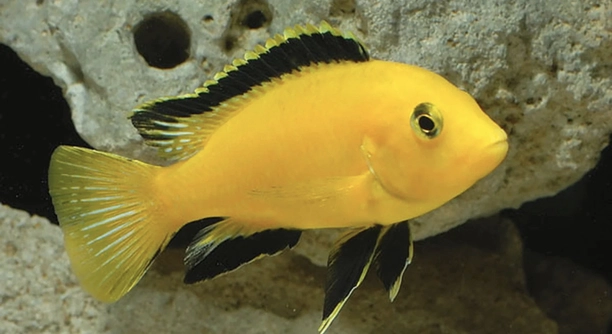
Do you ever notice your cichlids suddenly disappear behind rocks or decorations without warning? These moments can be puzzling, leaving you unsure if something is wrong or if they are simply seeking a quiet space.
Cichlids often hide due to stress, changes in their environment, territorial disputes, illness, breeding behaviors, sudden noises, or shifts in water conditions. Understanding these triggers is essential for maintaining their health and promoting a stable aquarium habitat.
Recognizing these hiding behaviors can help you create a calmer environment and ensure your cichlids feel safe and secure in their tank.
Stress from Changes in the Aquarium
Cichlids are highly sensitive to changes in their environment. Moving decorations, adjusting lighting, or introducing new tank mates can cause them to hide for hours or even days. Even small disturbances like rearranging rocks or changing the filter can create stress. During these times, they seek shelter to feel safe and avoid confrontation. Stress can affect their appetite, coloration, and overall behavior. Keeping a stable environment helps them remain comfortable and reduces hiding episodes. Observing their reactions to changes can guide you in making adjustments gradually. By introducing new elements slowly, you can minimize anxiety. Even minor changes in water temperature or chemistry can trigger hiding. Monitoring these factors closely ensures your cichlids remain healthy. Consistency is key, as abrupt shifts are more likely to provoke stress. Providing multiple hiding spots allows them to retreat without feeling trapped, giving them control over their space. Over time, stress-related hiding can diminish as they adapt to the environment.
Creating a calm tank environment with stable water parameters greatly reduces stress-induced hiding and promotes natural behavior.
Hiding due to stress is often temporary if conditions remain stable. By maintaining consistent water quality, gradual changes, and adequate shelter, cichlids regain confidence. Observing subtle signs of stress, like dull coloring or reduced activity, helps in identifying and addressing issues early. Regular maintenance routines combined with predictable feeding schedules make a significant difference. Stress management not only reduces hiding but also prevents long-term health complications. Ensuring enough space for swimming and retreat allows cichlids to explore without constant fear. Social hierarchies can also influence hiding, so balancing tank mates is important. Overcrowding or overly aggressive companions can trigger frequent retreats. Gentle observation and minimal disturbance during sensitive periods help them feel secure. With time, they learn to trust their environment, and hiding becomes less frequent. Simple changes like adding plants or caves provide security without causing additional stress. Maintaining a quiet, controlled environment is essential to reduce unnecessary hiding behaviors.
Illness or Discomfort
When cichlids feel unwell, hiding is a natural response. They instinctively retreat to protect themselves and conserve energy.
Illness can cause lethargy, loss of appetite, or abnormal swimming patterns. Common issues include parasites, bacterial infections, or poor water conditions. Promptly checking water quality and observing physical signs is essential. Providing clean water and maintaining a stress-free environment supports recovery and reduces hiding behavior.
Cichlids often isolate themselves when sick, making early detection important. Watching for unusual spots, fin damage, or swelling can help identify issues before they worsen. Sick fish may prefer shaded or secluded areas, avoiding open spaces. Immediate steps like testing ammonia, nitrite, and nitrate levels ensure water conditions are not contributing to the problem. Separating severely affected fish can prevent spread to healthy tank mates. Consistent feeding with nutritious food aids recovery and maintains strength. Observing changes in behavior alongside physical symptoms helps in planning treatment. Sometimes subtle shifts, like hiding during the day but swimming at night, indicate discomfort rather than stress. Acting quickly improves recovery chances and keeps the entire aquarium healthier. Regular cleaning, careful monitoring, and timely interventions can minimize hiding due to illness.
Territorial Behavior
Cichlids often hide to protect their territory from intruders. This behavior is natural and helps them establish dominance and maintain personal space within the tank.
Territorial disputes can arise when multiple cichlids occupy the same area or when new fish are introduced. Hiding allows less dominant fish to avoid conflict and reduce stress. Providing enough space and visual barriers like rocks or plants can prevent aggressive interactions. Observing their movements helps identify which fish are dominant and which prefer seclusion. Adjusting tank layout can ease tension.
Even in peaceful tanks, territory plays a role in hiding. Fish will claim certain caves or corners and retreat when others approach. Gradually introducing tank mates and rearranging decor ensures everyone has space. Understanding these social dynamics prevents injuries and reduces stress-related hiding. Multiple hiding spots give all fish security without constant confrontation, allowing them to interact on their own terms.
Breeding and Spawning
During breeding periods, cichlids hide to protect their eggs or fry from potential threats. This behavior is instinctive and ensures survival of the offspring.
Spawning cichlids may retreat to secluded areas, guarding eggs or preparing nesting sites. Males often become more territorial, while females stay hidden to care for the eggs. Providing safe, enclosed spaces encourages natural breeding behaviors. Observing these retreats helps determine when spawning occurs. Adjusting tank conditions, such as water temperature and pH, can support successful breeding.
Cichlids can become extremely secretive during this time. They may spend hours or days in caves or under plants, avoiding even non-aggressive tank mates. Minimizing disturbances, keeping feeding consistent, and providing multiple shelters ensures both adults and fry remain safe. Breeding-related hiding is temporary, but it requires patience and careful observation. Maintaining stable water conditions and avoiding unnecessary rearrangements prevents stress and supports natural reproductive behavior. Recognizing these patterns allows better care and enhances the chance of healthy fry development.
Sudden Noises or Vibrations
Cichlids are highly sensitive to sudden noises or vibrations near the tank. Loud sounds can startle them, causing them to hide until they feel safe again.
Even routine household activities like dropping objects or slamming doors can trigger hiding. They need time to regain confidence and resume normal activity.
Water Quality Fluctuations
Changes in water parameters such as temperature, pH, or ammonia levels can make cichlids retreat. Poor water quality stresses them, leading to hiding behavior. Maintaining stable conditions is essential to prevent unnecessary stress and promote healthy activity in the tank.
Aggressive Tank Mates
Some cichlids hide to avoid confrontation with more aggressive species. Observing interactions and ensuring adequate space can reduce these stressful encounters.
Why do my cichlids hide immediately after I feed them?
Cichlids sometimes hide after feeding because they feel vulnerable while eating. Eating requires focus and slows their reaction time, so they retreat to a safe spot afterward to process their food comfortably. This behavior is more common in shy or easily startled species.
Is it normal for cichlids to hide for days at a time?
Yes, it can be normal, especially if they are stressed, ill, or breeding. Extended hiding often signals that something in the environment is affecting their comfort. Checking water quality, tank mates, and potential stressors can help determine the cause.
Can hiding indicate illness?
Absolutely. Sick cichlids often isolate themselves to conserve energy and avoid threats. Look for additional signs such as loss of appetite, dull coloration, clamped fins, or unusual swimming patterns. Prompt attention can prevent further health decline.
Do cichlids hide more in crowded tanks?
Yes, overcrowding increases stress and encourages hiding. Less dominant fish often retreat to avoid confrontation. Ensuring enough space, providing hiding spots, and monitoring social interactions reduces hiding caused by territorial pressure.
Will adding more hiding spots reduce aggressive behavior?
Yes. Extra caves, rocks, or plants give cichlids personal space. This reduces competition for territory and lowers stress, allowing fish to feel secure and interact on their own terms without constant confrontation.
Do cichlids hide when water conditions change suddenly?
Cichlids are sensitive to abrupt changes in temperature, pH, or chemical levels. Sudden shifts can trigger hiding until they adjust. Gradual changes and stable water maintenance help prevent prolonged retreats and maintain normal behavior.
Is hiding behavior different between male and female cichlids?
Yes. Males often hide to guard territory or nesting sites, while females may hide to care for eggs or fry. Understanding their roles helps in recognizing normal hiding behavior versus signs of stress or illness.
Can sudden noises in the environment make cichlids hide?
Definitely. Loud household sounds or vibrations can startle them. Cichlids may retreat to the nearest shelter to feel secure, especially if the noise is sudden or repeated. A quiet, stable environment reduces unnecessary hiding.
How do I know if my cichlids are hiding due to stress or normal behavior?
Stress-related hiding usually comes with other signs, like changes in appetite, coloring, or swimming patterns. Normal hiding, such as during breeding or territory defense, is temporary and predictable. Observing patterns helps distinguish between the two.
Does hiding affect cichlid health?
Extended hiding itself doesn’t harm them, but the underlying causes, like stress or poor water conditions, can impact health. Addressing environmental factors and providing proper care ensures they remain healthy while maintaining their natural hiding habits.
Can I train cichlids to be less shy?
To some extent, yes. Consistent routines, minimal disturbances, and gradual exposure to humans or tank changes help them feel safer. Over time, they may become more confident and hide less frequently without compromising natural instincts.
Are all cichlid species prone to hiding?
No, some species are naturally bolder, while others are shy or territorial. Researching the specific species helps anticipate hiding tendencies and allows you to provide the appropriate environment for their comfort.
Does hiding indicate poor tank setup?
Not always, but a poorly structured tank with few shelters, high aggression, or inconsistent water conditions can encourage hiding. Evaluating the tank layout, water quality, and social dynamics often resolves excessive hiding issues.
How long should I wait before intervening if a cichlid hides?
It depends on the situation. Short-term hiding after minor disturbances is normal, but prolonged hiding for several days warrants checking water quality, health, and potential stressors. Early intervention prevents long-term issues.
Can hiding affect feeding behavior?
Yes. Fish that hide frequently may eat less or skip meals. Ensuring accessible feeding areas and reducing stress encourages regular feeding while still allowing them to retreat when necessary.
What role does lighting play in hiding behavior?
Bright or fluctuating lighting can make cichlids feel exposed. Providing shaded areas or dimmer zones allows them to regulate exposure and reduces unnecessary retreats, promoting a more comfortable environment.
Do cichlids hide more at night?
Some species prefer darker periods for rest and feel safer in hiding spots. Nighttime hiding is generally normal, as long as daytime activity and feeding remain consistent.
How can I tell if hiding is breeding-related?
Breeding hiding often coincides with other behaviors, like nest building, guarding eggs, or increased territoriality. Providing secluded spaces helps adults and fry stay safe while allowing natural reproductive behaviors.
Will hiding decrease if I maintain a strict feeding schedule?
Yes. Consistent feeding routines create predictability and reduce stress. Fish feel more secure when they can anticipate food, which can lower hiding caused by anxiety or uncertainty.
Is hiding more common in newly introduced cichlids?
Yes, new fish need time to acclimate. Hiding allows them to explore the tank safely while observing existing inhabitants. Gradual introductions and plenty of shelters ease this adjustment period.
Can hiding indicate bullying by other fish?
Often, yes. Aggressive tank mates can force weaker or shy fish to retreat repeatedly. Monitoring social dynamics and separating aggressive individuals reduces hiding caused by intimidation.
Do water temperature changes make cichlids hide?
Even slight shifts in temperature can stress cichlids. They may retreat to cooler or more sheltered areas until conditions stabilize. Maintaining consistent temperature prevents prolonged hiding and promotes overall health.
Does providing plants or decorations help reduce hiding?
Yes, plants and decorations offer security and control over their environment. Well-placed hiding spots allow cichlids to feel safe while exploring, reducing stress-related hiding behaviors.
Can hiding behavior ever become harmful?
Prolonged hiding itself isn’t harmful, but the underlying causes like stress, illness, or poor water conditions can negatively affect health. Addressing these issues ensures the fish remain active and healthy while still allowing natural hiding.
How often should I check on hiding cichlids?
Regular observation is key. Daily monitoring helps detect changes in behavior, health, and social interactions. Noticing subtle shifts early prevents problems from escalating and ensures the tank remains balanced.
Does the size of the tank influence hiding?
Yes. Smaller or overcrowded tanks increase stress and hiding frequency. Providing ample space and visual barriers encourages normal activity while reducing the need for constant retreat.
Are shy cichlids more prone to hiding than aggressive ones?
Typically, yes. Shy species naturally seek shelter more often, while aggressive or dominant cichlids feel confident exploring open areas. Recognizing species-specific tendencies helps plan the tank environment appropriately.
Can hiding interfere with social behavior?
Sometimes. Fish that hide excessively may avoid interacting with others, affecting feeding hierarchy and territorial balance. Adequate shelter and careful monitoring help maintain social harmony without forcing exposure.
Is hiding common during water changes?
Yes, cichlids may retreat during water changes due to movement, noise, or temporary disturbances. Performing changes calmly and gradually minimizes stress and reduces hiding episodes.
How can I reduce hiding caused by stress?
Maintaining stable water conditions, providing multiple hiding spots, controlling aggression, and keeping consistent routines all help lower stress-induced hiding. Patience and observation are key to creating a secure environment.
Does hiding affect cichlid growth?
Indirectly. If hiding reduces feeding opportunities or increases stress, growth may slow. Ensuring accessibility to food, a calm environment, and safe shelters supports healthy development while allowing natural retreat behavior.
Can hiding be completely prevented?
No, hiding is a natural behavior. The goal is to minimize unnecessary stress and ensure the fish have safe spaces. Proper tank setup, stable conditions, and careful observation balance their need for security with normal activity.
How do I know if my cichlids are comfortable in their tank?
Comfortable cichlids explore, feed regularly, and occasionally hide without prolonged retreats. Balanced behavior, vibrant coloration, and active swimming are signs they feel secure while still using hiding spots as needed.
Are hiding patterns different for juvenile cichlids?
Yes, juveniles tend to hide more as they are more vulnerable. Providing plenty of small shelters and quiet areas helps them grow safely while learning the tank’s social dynamics.
Can hiding indicate water contamination?
Yes, poor water quality can stress cichlids and trigger hiding. Regular testing for ammonia, nitrites, nitrates, and pH ensures safe conditions and reduces stress-related retreats.
Do cichlids hide differently in planted versus bare tanks?
Planted tanks offer more natural cover, so hiding appears less stressful and more integrated into normal behavior. Bare tanks may make hiding more obvious and stressful, as fish feel exposed with limited shelter.
Can excessive hiding cause aggression among tank mates?
Indirectly, yes. When dominant fish occupy open spaces, shy fish may retreat frequently, creating tension or imbalance in the tank’s social hierarchy. Proper shelter distribution prevents this issue.
Should I intervene if hiding persists after weeks?
Persistent hiding may indicate stress, illness, or environmental issues. Evaluating water quality, tank mates, and habitat structure is necessary. Timely action helps ensure health and reduces prolonged retreats.
Does tank size influence hiding frequency?
Yes, larger tanks with adequate space and shelters allow fish to feel secure while maintaining freedom to explore. Smaller, overcrowded tanks increase hiding due to stress and territorial disputes.
How can I tell if hiding is seasonal?
Some cichlids respond to seasonal changes in light or temperature by hiding more. Observing patterns over time helps distinguish natural cycles from stress or illness.
Can feeding frequency reduce hiding?
Yes, regular feeding builds predictability, lowering stress and encouraging activity. Ensuring food reaches hidden areas helps shy fish eat without venturing too far from shelters.
Do cichlids hide more with certain tank mates?
Yes, aggressive or dominant species can cause frequent hiding in weaker fish. Choosing compatible tank mates and providing enough hiding spots reduces stress and promotes balanced interactions.
Can hiding affect reproduction?
Hiding is part of breeding behavior, but excessive hiding due to stress or illness can interfere with mating and fry care. Stable conditions and secure spaces encourage healthy reproductive activity.
Are some cichlids naturally more secretive?
Yes, species differences matter. Some are naturally shy or territorial and use hiding as part of normal behavior. Understanding species tendencies helps plan the tank environment appropriately.
Does light intensity influence hiding?
Bright lights can make shy cichlids feel exposed. Providing shaded areas or dimmer zones allows them to regulate exposure while maintaining activity, reducing unnecessary retreats.
Can hiding affect feeding hierarchy?
Yes, fish that hide may eat less or after dominant fish have fed, impacting growth and energy. Multiple feeding areas help ensure all fish access food safely.
Is hiding behavior more common in new tanks?
Yes, newly established tanks can feel unfamiliar and stressful. Cichlids use hiding to explore safely and acclimate to surroundings gradually. Multiple shelters and minimal disturbances ease adaptation.
How do I distinguish hiding from lethargy?
Hiding involves seeking shelter but maintaining normal responsiveness. Lethargy often includes inactivity even in open areas, poor response to stimuli, and reduced feeding, signaling potential illness or poor water conditions.
Can hiding signal overpopulation?
Yes, crowded tanks increase stress and force shy fish to retreat frequently. Providing enough space and hiding spots mitigates excessive hiding and maintains social balance.
Do cichlids hide more during water testing or maintenance?
Yes, sudden movement, noise, or handling can trigger retreats. Performing tasks calmly, in stages, minimizes stress and prevents prolonged hiding.
Can hiding lead to poor social development?
Frequent hiding may limit interaction and learning of social hierarchies. Providing gradual exposure and safe spaces encourages balanced social behavior without forcing constant confrontation.
Does tank layout influence hiding?
Yes, multiple levels, caves, and plants create security, allowing natural retreats while encouraging exploration. Poorly arranged tanks may make fish feel exposed, increasing hiding frequency.
Are hiding patterns the same for all cichlids?
No, behavior varies by species, age, and temperament. Some hide frequently due to shyness or territorial instincts, while others are bold and explore openly. Understanding these tendencies helps in planning tank design.
How can I reduce hiding caused by aggression?
Separate aggressive individuals, provide sufficient shelters, and ensure enough space to establish territories. Careful monitoring and gradual introductions help reduce stress and excessive hiding.
Can hiding behavior change over time?
Yes, as fish adapt to their environment, establish territories, or grow more confident, hiding frequency may decrease. Consistency in care and environment supports positive behavioral changes.
Does water flow affect hiding?
Strong currents can make some cichlids feel exposed, leading to more hiding. Gentle, adjustable flow helps them feel secure while still allowing normal swimming behavior.
How does diet influence hiding?
Proper nutrition maintains energy and resilience. Malnourished fish may hide more due to weakness or stress. Ensuring a balanced diet supports overall activity and confidence in the tank.
Can hiding indicate poor oxygen levels?
Yes, low oxygen can stress cichlids, causing retreats. Proper aeration and circulation ensure sufficient oxygen and reduce hiding caused by environmental discomfort.
Should I worry if hiding happens only during the day?
Daytime hiding is common for shy species or during bright lighting. If fish are active at other times and feeding normally, this behavior is typically harmless and temporary.
Does the type of substrate influence hiding?
Soft sand, gravel, and natural materials provide comfort and cover. Hard or barren substrates may reduce hiding opportunities, making fish feel exposed and increasing stress-related retreats.
Can temperature swings at night cause hiding?
Yes, sudden nighttime drops or increases can stress fish. Maintaining stable day-night temperatures prevents prolonged hiding and supports healthy activity cycles.
Do cichlids hide when introduced to new tank mates?
Yes, initial introductions can trigger hiding. Gradual introductions, multiple shelters, and monitoring interactions reduce stress and help fish adjust confidently to new companions.
Are hiding behaviors influenced by tank decorations?
Yes, well-placed caves, rocks, and plants encourage secure retreats. Poorly arranged or sparse decor can make fish feel exposed, increasing hiding frequency and stress.
Can hiding affect tank aesthetics?
Hiding itself doesn’t harm the tank visually, but frequent retreats may make the aquarium seem empty. Ensuring natural hiding spots balances security with visibility for observation.
Does hiding impact social hierarchies?
Yes, retreating fish may defer to dominant individuals, influencing feeding and territorial dynamics. Adequate shelter and observation maintain balance without forcing exposure.
Can hiding be a sign of overfeeding?
Sometimes. Overfeeding can stress water conditions, indirectly causing hiding. Monitoring portions and maintaining clean water reduces this effect.
How do I prevent stress-induced hiding in cichlids?
Stable water conditions, compatible tank mates, adequate shelters, consistent feeding, and minimal disturbances all reduce stress-related hiding. Observing behavior regularly ensures issues are addressed early.
Is hiding more common in specific tank locations?
Yes, corners, caves, and shaded areas are preferred. Providing multiple secure spots allows fish to choose hiding locations based on comfort and social dynamics.
Can cichlids adapt to fewer hiding spots?
Some may adapt, but lack of security increases stress. Providing adequate shelters ensures confidence and natural behavior while maintaining tank harmony.
Does tank size relative to fish size matter for hiding?
Yes, larger tanks allow fish to explore while still having secure retreats. Small or overcrowded tanks increase stress, making hiding more frequent and prolonged.
How do I balance hiding needs with observation?
Providing multiple hiding spots while keeping open swimming areas ensures fish feel secure yet visible. Observation is possible without forcing them out of comfort zones.
Are hiding patterns influenced by light color or spectrum?
Yes, softer or natural light encourages confidence, while harsh or flickering light may trigger hiding. Adjusting lighting helps reduce stress-induced retreats.
Can hiding indicate fear of specific fish?
Yes, shy or weaker individuals may hide to avoid more aggressive companions. Observing interactions and adjusting tank layout or companions reduces stress-related hiding.
Does hiding increase during tank maintenance?
Yes, activity, noise, and temporary disturbances can cause fish to retreat. Gentle, gradual maintenance minimizes prolonged hiding and keeps stress low.
Can hiding behavior change after tank rearrangement?
Yes, cichlids may hide initially after changes. Gradual adjustments, additional shelters, and minimal disruption help them adapt faster.
How do I tell if hiding is abnormal?
Hiding is abnormal if prolonged, paired with illness signs, or interferes with feeding and normal activity. Prompt evaluation of water, health, and social factors is necessary.
Can hiding behavior be modified with consistent routines?
Yes, predictable feeding, minimal disturbances, and stable environment help fish feel secure, reducing unnecessary hiding while respecting natural instincts.
Do cichlids hide more in planted tanks?
Planted tanks provide natural cover, which may encourage occasional hiding but reduces stress compared to bare tanks. Multiple plants and shelters create safe, comfortable spaces.
Can hiding affect long-term health?
Indirectly, yes. Excessive hiding due to stress or illness can reduce feeding and activity, impacting growth and immune function. Addressing underlying causes ensures overall well-being.
Does hiding behavior vary with age?
Juveniles hide more due to vulnerability, while adults may hide for territory or breeding. Providing appropriate shelters for all ages supports natural behavior and safety.
Are there signs hiding is due to fear rather than comfort?
Yes, frantic darting, rapid color changes, or clamped fins indicate fear. Comfortable hiding is calm, with fish using shelters for security without distress.
Can frequent hiding indicate tank design issues?
Yes, lack of shelters, poor layout, or exposed areas can increase hiding frequency. Adjusting decor, adding plants, and creating visual barriers improve security and reduce retreats.
Does hiding interfere with feeding routines?
Yes, shy fish may eat less or later than dominant individuals. Offering multiple feeding points ensures all fish access food safely.
Can hiding behavior be influenced by social learning?
Yes, observing dominant fish may teach shy fish when to retreat. Balanced social dynamics and adequate shelters help reduce unnecessary hiding.
Is it normal for cichlids to hide when alone?
Yes, even without tank mates, cichlids may retreat to feel secure or rest. Providing multiple shelters supports comfort without forcing exposure.
Do cichlids hide more during the day or night?
Behavior varies by species. Some prefer daytime cover due to light exposure, while others may retreat at night for rest. Observing patterns ensures natural cycles are respected.
**Can hiding be linked to water chemistry
Cichlids hiding in their tanks is a natural behavior that can happen for many reasons. Stress, environmental changes, illness, breeding, and social interactions all influence why a fish may retreat to a secluded spot. While it can be worrying at first, hiding does not automatically indicate something is wrong. Observing their habits over time helps distinguish between normal behavior and potential issues that need attention. Regularly checking water quality, maintaining consistent feeding schedules, and ensuring an adequate number of hiding places can create a stable environment. A tank that meets these needs allows cichlids to feel secure while exploring and interacting with other fish. Understanding the triggers for hiding gives you the ability to manage their environment more effectively and reduce unnecessary stress.
Providing proper shelters is essential for their comfort and well-being. Rocks, caves, plants, and other decor allow cichlids to claim spaces where they can feel safe. These hiding spots are important for shy or less dominant fish, as well as for breeding pairs and juveniles. Even in tanks with peaceful tank mates, some cichlids prefer the security of a retreat to regulate their interactions. A tank with multiple hiding spots distributes comfort evenly, preventing territorial disputes and minimizing aggression. By arranging decor thoughtfully, you can give all fish access to safe areas without disrupting the overall layout. This approach not only reduces stress-induced hiding but also encourages natural behaviors like exploring, defending territory, and caring for eggs or fry. Watching how your cichlids use these spaces provides valuable insight into their social dynamics and comfort levels.
Finally, attention to water conditions and overall tank maintenance is critical. Sudden changes in temperature, pH, or chemical levels can prompt cichlids to hide even if other conditions are ideal. Performing gradual water adjustments, monitoring parameters closely, and keeping a consistent cleaning schedule helps maintain a healthy environment. Likewise, introducing new tank mates or rearranging decorations should be done slowly to reduce stress. Observation is key: noticing changes in activity, feeding, or appearance can signal that a fish is hiding due to a problem rather than instinct. By combining stable water conditions, sufficient hiding spots, and careful monitoring, you can create a tank where cichlids feel secure and confident. Over time, hiding becomes a normal, manageable part of their behavior rather than a cause for concern, allowing you to enjoy a balanced and healthy aquarium.

Hello,
If you enjoy the content that we create, please consider saying a "Thank You!" by leaving a tip.
Every little bit helps us continue crafting quality advice that supports the health, happiness, and well-being of pets around the world, for pets of all shapes, sizes, and species.
We really appreciate the kindness and support that you show us!