
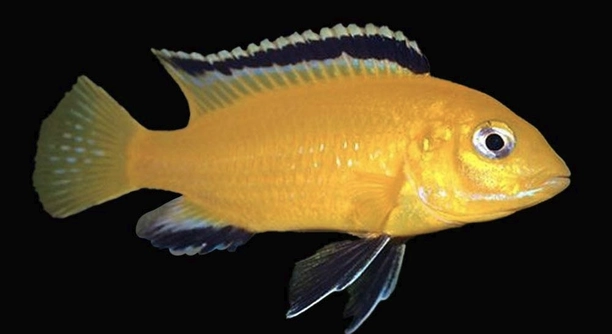
Do you ever wonder how to make your cichlid tank more comfortable and natural? Creating a well-decorated space can help your fish feel secure while also enhancing the overall look of your aquarium.
The best spots to place decorations for cichlids are areas that provide hiding spaces, territorial boundaries, and open swimming zones. Rocks, caves, and plants should be strategically arranged to reduce stress, encourage natural behaviors, and maintain water circulation.
Proper decoration placement can improve your cichlids’ health and behavior, making the aquarium more enjoyable for both you and your fish.
Rocks and Caves
Rocks and caves are essential for creating hiding spots in your cichlid tank. These fish often establish territories, and having solid structures gives them a place to retreat when they feel stressed or threatened. Smooth, natural rocks work best, as sharp edges can injure your fish. Caves can be made from rocks stacked carefully or purchased as pre-made aquarium decorations. Position them along the sides or back of the tank to create shaded areas and private nooks. Some cichlids prefer larger caves, while others like smaller, tighter spaces. Using different sizes helps accommodate multiple fish and reduces aggression. Always ensure rocks are stable to prevent them from falling and harming your fish. Additionally, leave some open swimming areas between the rocks so cichlids can move freely. Overcrowding with decorations can limit swimming space and increase stress levels. Proper placement encourages natural behaviors such as exploring, hiding, and defending territories, which is essential for their well-being.
Rocks and caves provide both shelter and territory markers, helping cichlids feel secure while minimizing conflicts in the tank.
Arranging rocks and caves carefully can also create visually appealing aquascapes. When done right, it balances open areas with hiding spots, allowing fish to swim comfortably and establish territories. This setup helps reduce aggression, encourages natural exploration, and makes your tank look more structured and natural.
Live and Artificial Plants
Plants, whether real or artificial, are excellent additions to a cichlid tank. They create soft hiding spaces and can reduce stress while adding color and texture to the aquarium.
Live plants improve water quality by absorbing nitrates, while artificial plants are low-maintenance and durable. Fast-growing species like Java fern or Anubias are good choices for cichlids, as they are sturdy and can withstand some nibbling. Position taller plants at the back and sides, leaving open swimming areas in the center. Smaller plants or floating varieties can provide additional cover for shy or juvenile fish. Mixing plant types adds variety and helps mimic a natural environment, which keeps fish active and healthy. Grouping plants in clusters also creates visual boundaries, helping reduce territorial disputes. Cleaning and maintaining plants is important, as decaying leaves can affect water quality. By thoughtfully arranging plants, you create a dynamic and balanced habitat that supports the physical and mental well-being of your cichlids.
Driftwood
Driftwood provides natural hiding spaces and creates shaded areas in a cichlid tank. It also adds texture and can influence water chemistry slightly, lowering pH and softening water, which some cichlid species prefer.
Driftwood comes in many shapes and sizes, offering versatile options for aquascaping. Large pieces can act as central features, while smaller pieces fill gaps between rocks or plants. Make sure to clean and soak driftwood before placing it in the tank to remove tannins that may temporarily discolor the water. Position pieces securely to avoid tipping over. Some cichlids enjoy nibbling on driftwood, which can aid in digestion for species that consume plant material. Combining driftwood with rocks or caves can create layered hiding spots that make the tank feel more natural. The wood also provides surfaces for beneficial bacteria to grow, supporting a healthy ecosystem.
Using driftwood strategically can help define territories, reduce aggression, and create a more visually dynamic aquarium. It can also serve as an anchor for plants, giving your tank structure and depth.
Sand and Substrate
A soft substrate is important for cichlids, as many species like to dig or sift through the sand. It also affects the tank’s overall look and fish behavior.
Sand or fine gravel allows cichlids to exhibit natural digging behaviors without injuring themselves. Choosing a light-colored substrate can highlight the fish’s colors, while darker sand can create contrast and reduce stress. Some cichlids, like African species, prefer sandy bottoms to form pits or nests. Layering substrate with varying depths can create visual interest and separate zones for different fish. Avoid sharp or coarse gravel that could damage gills or fins. Mixing sand with small amounts of crushed rock or shells can also help maintain mineral balance for certain species. Regular cleaning is necessary to prevent buildup of waste that could harm water quality. Thoughtful substrate selection supports healthy behavior, visual appeal, and natural instincts of your cichlids.
Floating Decorations
Floating decorations provide cover near the water surface and can reduce light intensity for shy cichlids. They also create a sense of security while allowing free swimming underneath.
These decorations can be artificial plants, floating logs, or foam structures. Position them so they don’t block filtration or disrupt water flow, while still offering shaded areas and shelter for fish to explore safely.
Terracotta Pots
Terracotta pots are simple, durable hiding spots that mimic caves. They are easy to clean and can be arranged in clusters to create territories.
Background Decorations
Background decorations, such as rock panels or printed images, improve the tank’s appearance and give fish a sense of boundary. They reduce reflections and stress, helping cichlids feel secure and comfortable in their space.
Small Ornaments
Small ornaments, like miniature statues or bridges, add visual interest and provide tiny hiding spots for smaller fish. Choose items with smooth edges and stable bases to prevent accidents or injury.
What is the best way to arrange rocks in a cichlid tank?
Rocks should be arranged to create stable hiding spots and territorial boundaries. Start by placing larger rocks at the bottom, ensuring they are secure and cannot tip over. Smaller rocks can be stacked or spread around to form caves, ledges, and shaded areas. Keep open swimming space in the center so cichlids can move freely. Avoid overcrowding the tank, as too many rocks can stress the fish and limit natural behavior. Grouping rocks in clusters also helps reduce aggression by giving each fish its own zone. Experiment with angles and heights, but always test stability before adding fish.
Are live plants necessary for cichlids?
Live plants are not strictly necessary, but they provide many benefits. They improve water quality by absorbing nitrates, create hiding spots, and reduce stress. Certain hardy plants, like Anubias or Java fern, can tolerate cichlid nibbling and low light. Artificial plants are an alternative if you want low maintenance. Using a mix of both live and artificial plants can give the tank variety while still supporting fish well-being. Proper placement—taller plants in the back, smaller ones in front—helps define zones and maintains swimming space.
How often should driftwood be cleaned or replaced?
Driftwood should be rinsed or scrubbed during regular tank maintenance to prevent algae buildup and remove debris. Boiling or soaking new driftwood before introducing it is important to remove tannins that may discolor the water. Replacement is rarely necessary unless the wood begins to decay or affect water quality. Over time, driftwood may soften slightly but can continue to provide hiding spots for several years. Observing the wood for cracks, mold, or soft spots is important for maintaining a safe environment.
Can cichlids be territorial around decorations?
Yes, cichlids are naturally territorial, and decorations help define their boundaries. Rocks, caves, and pots create private spaces, reducing aggression and stress. Properly spaced decorations allow multiple fish to establish their own zones without constant fighting. Overcrowding or poorly arranged structures can lead to frequent skirmishes. Observing interactions and adjusting decoration placement helps maintain harmony. Some species prefer single caves, while others enjoy complex rock formations. Providing multiple hiding spots is key, especially in community tanks, to keep territorial behavior manageable and ensure all fish feel secure.
What type of substrate is best for digging cichlids?
Fine sand or smooth gravel is ideal for digging cichlids. Many species like to sift through substrate to search for food or create pits. Coarse gravel or sharp-edged materials can injure fins and gills. Light-colored sand highlights their colors, while darker sand reduces stress. Layering substrates with varying depths allows for natural behavior and visual interest. Regular cleaning is essential to remove waste and prevent water quality issues. Sand also supports plant roots, helping maintain a balanced ecosystem. Proper substrate choice encourages natural behaviors and enhances overall tank health.
How can I reduce stress in a decorated cichlid tank?
Stress can be reduced by providing hiding spots, open swimming space, and consistent water conditions. Decorations like rocks, caves, plants, and driftwood create zones where fish feel safe. Avoid sudden rearrangements, as cichlids are sensitive to changes. Maintaining water quality, stable temperature, and proper lighting is equally important. Observing fish behavior can indicate stress, such as hiding excessively or aggression. Adding decorations strategically and maintaining a calm environment helps cichlids feel secure, encouraging natural activity and coloration while minimizing health issues.
Are artificial decorations safe for cichlids?
Yes, artificial decorations are safe if they are made from aquarium-safe materials with smooth surfaces. Avoid sharp edges or paints that can leach chemicals. Artificial plants, caves, and ornaments provide hiding spots, territorial markers, and visual interest. They are low maintenance and durable compared to live options. Combining artificial items with live plants can create a balanced tank that supports natural behavior while reducing upkeep. Always rinse new decorations before placing them in the tank to remove dust or residues. Stable placement is crucial to prevent tipping and potential injury.
Can decorations affect water quality?
Decorations can affect water quality if they trap debris or begin to decay. Driftwood may release tannins, and live plants can die and decompose. Regular cleaning, careful observation, and proper maintenance prevent water issues. Smooth, non-toxic rocks and ornaments are low risk, but overcrowding can reduce water circulation and trap waste. Thoughtful arrangement of decorations allows for easy cleaning, ensures filtration efficiency, and maintains healthy conditions for cichlids. Monitoring water parameters after adding new decorations helps avoid unexpected changes and ensures a stable environment for fish to thrive.
How should I combine different types of decorations?
Combining rocks, caves, plants, driftwood, and substrate creates a balanced environment for cichlids. Position rocks and caves first to define territories, then add plants for cover and visual depth. Driftwood can provide shaded areas, while small ornaments add interest without blocking swimming space. Arrange decorations to allow natural behaviors like digging, hiding, and exploring. Avoid overcrowding, and leave open areas in the center of the tank. Regularly assess how fish interact with the setup and adjust placement to reduce stress and aggression. Proper combination creates a functional, attractive habitat that supports both physical and mental health.
Decorating a cichlid tank is about more than just making it look nice. It is about creating a safe and comfortable environment for the fish. Rocks, caves, plants, driftwood, and other decorations give fish places to hide, rest, and establish territories. Cichlids are naturally territorial, and a well-decorated tank helps reduce fighting and stress. Providing a balance of open swimming space and sheltered areas encourages natural behavior and keeps the fish active and healthy. Every piece you place has a purpose, whether it is for hiding, exploring, or just breaking up the visual space in the tank. Taking the time to plan the layout before adding decorations will make it easier to maintain and enjoy over time.
The choice of decorations also affects water quality and the tank ecosystem. Live plants can help absorb excess nutrients, while driftwood can slightly change water chemistry in a way that some cichlids prefer. Substrate choice is equally important because many cichlids like to dig or sift through sand. Using a safe, smooth substrate reduces the risk of injuries and supports natural behaviors. Artificial decorations, if chosen carefully, are durable and easy to maintain while still offering hiding spots and visual interest. Rotating or cleaning decorations periodically prevents debris buildup and keeps the water safe for fish. Even small details, like the placement of a pot or a small ornament, can influence fish behavior, making some areas feel more secure or encouraging exploration.
Maintaining a decorated tank is an ongoing process that requires observation and adjustment. Fish personalities vary, and what works for one group may need slight changes for another. Watching how the fish interact with their environment helps identify if certain spots are too crowded, too exposed, or underutilized. Adjusting decorations based on their behavior ensures a calmer, healthier tank. A well-thought-out decoration plan also makes maintenance easier, as proper spacing allows access for cleaning and water changes. Overall, decorating a cichlid tank is a mix of function and aesthetics. Thoughtful placement, safe materials, and attention to the fish’s needs create an environment that benefits both the cichlids and the owner, making the tank a balanced and enjoyable space.

Hello,
If you enjoy the content that we create, please consider saying a "Thank You!" by leaving a tip.
Every little bit helps us continue crafting quality advice that supports the health, happiness, and well-being of pets around the world, for pets of all shapes, sizes, and species.
We really appreciate the kindness and support that you show us!