
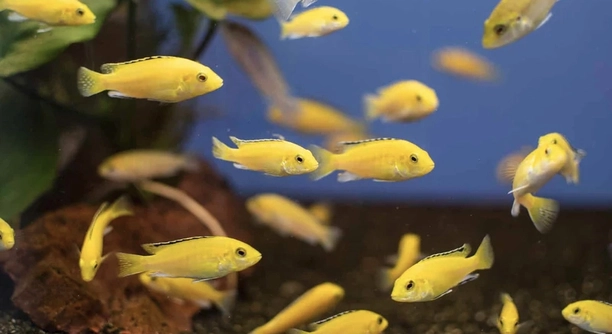
Have you ever noticed your cichlids staying in the same spot for long periods? Observing them hover can be both fascinating and puzzling. Many owners wonder if this behavior signals something about their fish’s health or environment.
Cichlids often hover in the same spot due to factors such as water conditions, territorial behavior, feeding patterns, stress, illness, breeding instincts, or environmental enrichment. Understanding these factors can help maintain their well-being and prevent potential health issues.
Learning about these reasons will help you care for your cichlids better. Each behavior has a purpose, and noticing patterns can improve their overall habitat and comfort.
Water Conditions
Poor water quality can make cichlids hover in one spot. They are sensitive to changes in pH, ammonia, nitrites, or temperature. If water parameters are off, fish may stay still to conserve energy or avoid stress. Regular testing and careful adjustments can prevent this behavior. Many aquarists notice that even slight fluctuations can lead to unusual swimming patterns. Overcrowded tanks can worsen the problem, causing more stress and limiting swimming space. Proper filtration and frequent partial water changes maintain a stable environment, allowing cichlids to explore the tank comfortably. In some cases, fish may hover near filters or aeration zones, seeking areas with better oxygenation. Observing how they react to different spots can help pinpoint if water quality is the reason behind the hovering. Avoid sudden changes, as cichlids respond poorly to shock. Keeping a consistent routine helps them feel secure. Over time, stable water conditions usually reduce stationary behavior and encourage normal swimming habits.
Water quality directly affects their comfort and activity, making regular monitoring essential to prevent hovering and stress in your tank.
By keeping a careful eye on temperature, pH, and ammonia levels, you can ensure the cichlids feel safe and active. Small adjustments, like improving aeration or moving decor to create more open swimming space, can make a noticeable difference. Some cichlids prefer specific zones depending on oxygen levels or hiding spots. Observing these preferences helps you optimize the tank setup. Consistency in feeding, cleaning, and lighting also impacts their behavior. Fish that hover due to poor water conditions may also show signs of lethargy, faded colors, or reduced appetite. These signs indicate that immediate intervention is necessary. Using a reliable water test kit and following a cleaning schedule can prevent most water-related issues. Providing a balanced diet and avoiding overfeeding further supports their health. Over time, healthy water conditions encourage natural activity, playful interactions, and reduced stress behaviors.
Territorial Behavior
Cichlids hover in one spot to defend their territory. They often stay near rocks, plants, or caves they claim as their own.
Territorial instincts vary by species and tank size. Some cichlids are highly aggressive and will patrol their space constantly, while others remain stationary to monitor intruders. Smaller tanks increase conflicts, causing more hovering and displays of dominance. Providing visual barriers, like decorations or plants, can reduce stress and give each fish a safe zone. Recognizing their natural territorial behavior helps owners avoid unnecessary worry and improves tank harmony.
Understanding their need for space and boundaries allows you to create an environment that reduces tension. Arranging rocks and plants strategically can give fish private areas while maintaining open swimming paths. Overcrowding or placing incompatible species together can amplify territorial hovering, leading to stress and aggression. Observing how each cichlid claims space helps in adjusting tank layout. Some fish prefer elevated spots, while others guard bottom areas. By respecting these preferences, you can minimize disputes and ensure each fish feels secure. Consistency in tank maintenance, feeding locations, and daily routines also reinforces their sense of territory. Gradually, this reduces hovering caused by territorial disputes, leading to calmer and more active fish that explore the tank freely.
Feeding Patterns
Cichlids often hover when waiting for food. They remember feeding times and positions, staying still until they sense movement or smell.
Some cichlids learn to expect food in specific areas. Hovering near these spots conserves energy while keeping them ready to feed. Overfeeding can make them sluggish, while irregular schedules may increase stationary behavior. Watching when and where they gather helps adjust feeding routines. Using consistent feeding times and placing food in varied areas encourages movement. Floating, sinking, or slow-release foods also influence how actively they swim. Some species prefer hovering near the surface, while others wait at the bottom.
Adjusting the type and timing of food can reduce hovering. Offering small portions multiple times a day keeps them active without creating stress. Some cichlids respond well to live or frozen foods, stimulating natural hunting instincts. Rotating food types encourages exploration of the tank and discourages stationary behavior. Observing their reactions helps determine preferences and avoid boredom. Over time, consistent feeding routines combined with proper diet increase overall activity, making hovering behavior less frequent. Energy levels improve, and fish become more engaged with their surroundings.
Stress
Cichlids hover when stressed, often due to sudden changes in environment, aggressive tank mates, or poor water quality.
Stress can come from loud noises, frequent handling, or moving decorations. Even minor disruptions in their routine may cause them to remain still, monitoring the area. Signs of stress include rapid gill movement, clamped fins, or hiding. Creating a stable environment with gentle lighting and minimal disturbances can ease tension.
Long-term stress affects health and behavior. Chronic stress can suppress the immune system, making cichlids more prone to disease. Providing hiding spots, maintaining stable water parameters, and avoiding overcrowding reduces stress. Observing social interactions is important, as aggressive species may intimidate others, causing prolonged hovering. Even rearranging the tank carefully prevents shock. Gradually introducing new fish or decorations allows adaptation without excessive stress. Stress management not only encourages natural swimming but also supports appetite, color retention, and overall vitality. Consistent care and attention help cichlids feel secure and reduce repetitive hovering behaviors.
Illness
Cichlids often hover when they are unwell. Lethargy, loss of appetite, or unusual swimming can indicate disease. Immediate attention to symptoms and water quality is essential.
Common illnesses include infections, parasites, or swim bladder issues. Observing changes in behavior helps detect problems early. Prompt treatment can prevent worsening conditions and support recovery.
Breeding Instincts
During breeding, cichlids hover near chosen sites to protect eggs or fry. This behavior is natural and indicates readiness to reproduce.
Hovering helps guard offspring from threats. Both males and females may display stationary behavior around nests or hiding spots to ensure safety and encourage successful hatching.
Environmental Enrichment
Cichlids hover when bored or unstimulated. A sparse tank with few hiding spots can lead to repetitive stationary behavior.
Adding rocks, plants, and decorations creates exploration opportunities. Rotating objects and varying tank layout encourages activity, reduces stress, and promotes natural behavior, keeping cichlids more engaged and lively in their habitat.
FAQ
Why do my cichlids hover in one spot most of the day?
Cichlids often hover due to water conditions, stress, feeding patterns, or territorial behavior. They may stay still to conserve energy, monitor their surroundings, or protect a preferred area. Observing their body language and checking water parameters helps determine the cause. Consistent care usually reduces prolonged stationary behavior.
Is hovering always a sign of illness?
Not always. While illness can cause lethargy, hovering can also be normal behavior. Fish may remain still when guarding territory, waiting for food, or during breeding. Signs of sickness include clamped fins, faded colors, labored breathing, or lack of appetite. Regular monitoring can distinguish normal behavior from health issues.
Can tank size affect hovering behavior?
Yes, small or overcrowded tanks can increase hovering. Limited space makes fish feel stressed and encourages them to claim specific spots as territory. Providing enough room, hiding spots, and proper tank layout reduces tension and encourages swimming and exploration.
How do feeding habits influence hovering?
Cichlids often hover near food areas, anticipating meals. Predictable schedules can lead to stationary waiting behavior. Adjusting feeding times, varying food types, and dispersing food across the tank encourages movement and reduces lingering in one spot. Small, frequent feedings often stimulate more active swimming.
Does stress make cichlids hover more?
Yes, stress is a major factor. Loud noises, aggressive tank mates, sudden changes, or poor water quality can cause hovering. Signs include rapid gill movement, hiding, or erratic swimming. Creating a stable environment, minimizing disturbances, and providing hiding areas reduces stress and encourages normal activity.
Are some species more prone to hovering?
Certain cichlid species naturally display more stationary behavior, especially territorial or slow-moving types. Observing species-specific traits helps set realistic expectations and design the tank to accommodate their preferred behavior patterns.
How does breeding affect hovering?
Breeding cichlids hover to protect eggs or fry. Both males and females may remain stationary near nests, guarding their offspring. This behavior is temporary and part of their natural reproductive cycle. Providing hiding spaces helps reduce stress during this period.
Can environmental enrichment reduce hovering?
Yes, adding rocks, plants, and decorations encourages exploration. Varying layout or rotating objects keeps fish stimulated. Environmental enrichment promotes activity, reduces boredom, and supports natural behaviors. Without it, cichlids may hover out of lack of stimulation or interest in their surroundings.
What should I check first if my cichlids hover excessively?
Start with water quality—check pH, ammonia, nitrites, and temperature. Next, observe tank mates and territorial dynamics. Consider feeding routines and look for signs of stress or illness. Addressing these factors helps reduce excessive stationary behavior and improves overall health.
Can hovering indicate a social issue in the tank?
Yes, hovering may signal bullying or intimidation from other fish. Some cichlids claim territory or dominate slower species, causing others to remain still. Monitoring interactions and adjusting tank mates or layout can improve comfort and reduce stress-induced hovering.
How long should I wait before intervening?
Minor hovering for short periods is often normal. Persistent hovering with signs of stress or illness, such as faded colors or poor appetite, should be addressed immediately. Early intervention prevents health problems and helps maintain a stable, comfortable environment for your fish.
Do changes in light affect hovering?
Sudden or extreme lighting changes can cause cichlids to hover. Gradual adjustments and consistent light schedules help them feel secure. Providing shaded areas or hiding spots allows them to escape bright areas, reducing stress and stationary behavior.
Can diet alone fix hovering behavior?
Diet affects energy levels and activity. Balanced meals and varied foods encourage swimming, but diet alone may not solve hovering caused by stress, territorial disputes, or poor water conditions. Combining proper nutrition with environmental care yields the best results.
Is hovering during the day different from night behavior?
Yes, cichlids are generally more active during the day. Hovering at night is normal as they rest. Excessive daytime hovering may indicate stress, illness, or environmental issues, while stationary night behavior is part of their natural rhythm.
How can I tell if hovering is temporary or a problem?
Monitor frequency, duration, and associated signs. Occasional hovering near food, territory, or breeding areas is normal. Persistent, prolonged hovering with other abnormal behaviors—like loss of appetite, unusual swimming, or color changes—signals an issue requiring attention.
What tools help monitor hovering causes?
A water test kit is essential. Observation logs can track behavior patterns. Thermometers, timers for feeding and lighting, and careful notes on tank dynamics help identify the reasons behind hovering and guide interventions effectively.
Can multiple factors cause hovering at once?
Yes, hovering can result from a combination of stress, territoriality, diet, water quality, and breeding instincts. Addressing all factors simultaneously ensures a healthier, more active tank environment and reduces excessive stationary behavior over time.
How long does it take for cichlids to return to normal swimming?
Recovery depends on the cause. Correcting water quality, reducing stress, or improving tank layout can show improvements within days. More complex issues like illness or social tension may take weeks. Consistent care and observation are key to restoring normal activity levels.
Are there signs that hovering is beneficial?
Hovering can be protective, allowing fish to guard eggs, conserve energy, or monitor territory. Recognizing when it is normal behavior helps distinguish between natural instincts and concerning patterns, ensuring proper responses without unnecessary intervention.
Can I prevent hovering entirely?
No, some hovering is natural. Prevention focuses on minimizing stress, maintaining water quality, proper feeding, providing enrichment, and respecting territorial behavior. These steps reduce unnecessary stationary behavior and encourage healthy, active fish.
Do cichlids hover differently based on age?
Yes, younger cichlids may explore more, while older fish hover to conserve energy or protect territory. Adjusting care to life stage helps meet activity and environmental needs, reducing stress and promoting well-being.
Cichlids hovering in one spot can seem worrying at first, but much of the time it is normal behavior. They may stay still to guard their territory, wait for food, or watch over eggs and fry. Hovering can also be a way to conserve energy, especially if water conditions are not ideal. Observing your fish closely and understanding their usual patterns helps determine whether the behavior is a natural instinct or a sign of a problem. Many cichlids develop habits that reflect their personality, species traits, and environment. Over time, you start to recognize what is typical for each individual fish, which makes it easier to notice when something is off.
Maintaining a stable and clean tank is one of the most important ways to support healthy activity. Checking pH, ammonia, nitrite, and temperature regularly helps avoid stress and illness that can cause excessive hovering. Providing enough space for swimming and establishing safe areas with rocks, plants, or caves reduces tension between tank mates. Feeding routines also play a role—regular schedules, varied foods, and properly sized portions encourage movement and engagement. Some cichlids hover near food sources or favored spots because they anticipate meals, so adjusting feeding practices can influence how often they remain stationary. Paying attention to interactions among fish can prevent bullying or dominance issues that cause others to hover defensively.
Environmental enrichment and careful observation are key to promoting natural behavior. Rearranging decorations, adding new hiding spots, and rotating objects in the tank keeps cichlids curious and active. Stress reduction is equally important, as noise, sudden changes, or overcrowding can make fish hover more than usual. Understanding species-specific tendencies, life stages, and breeding habits allows you to meet the needs of each cichlid. While some hovering is inevitable, combining proper water care, a balanced diet, and a stimulating environment ensures healthier, more confident fish. Over time, these efforts lead to a more dynamic tank where hovering occurs for natural reasons rather than stress or discomfort, creating a stable and balanced home for your cichlids.

Hello,
If you enjoy the content that we create, please consider saying a "Thank You!" by leaving a tip.
Every little bit helps us continue crafting quality advice that supports the health, happiness, and well-being of pets around the world, for pets of all shapes, sizes, and species.
We really appreciate the kindness and support that you show us!