
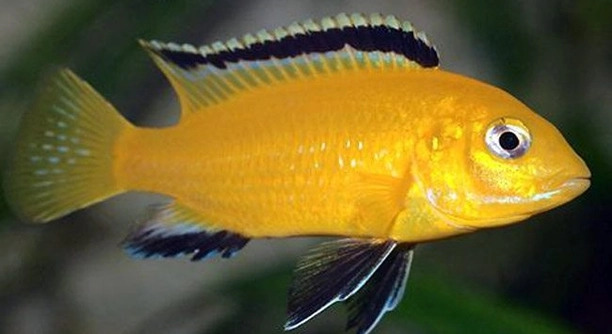
Electric Yellow Cichlids are vibrant and active fish that can brighten any aquarium. Providing them with the right foods ensures they stay healthy, energetic, and maintain their striking colors. Feeding can be simple with a little guidance.
Electric Yellow Cichlids accept a variety of foods instantly, including high-quality flakes, pellets, frozen brine shrimp, bloodworms, daphnia, spirulina-based options, and finely chopped vegetables. Offering these foods regularly supports growth, coloration, and overall fish health effectively.
Knowing which foods are preferred can save time and prevent nutritional issues. Understanding their diet will help you keep your cichlids healthy and lively for years.
High-Quality Flakes
Flakes are one of the easiest foods to feed Electric Yellow Cichlids. They float on the surface and can be eaten slowly, which is ideal for their natural feeding habits. Choosing flakes specifically designed for cichlids ensures a balanced mix of proteins, vitamins, and minerals. Over time, this helps maintain vibrant coloration and supports strong immune systems. It is best to feed small amounts two to three times a day to prevent overfeeding. Observing how much your cichlids consume within a few minutes can help regulate portions. Flakes can be combined with other foods for variety, which prevents your fish from becoming bored with a single type of diet. Storing flakes in a cool, dry place preserves their nutrients and flavor. Some cichlids may prefer certain textures, so trying a few brands might help you identify which your fish accept most readily. Flakes are convenient, affordable, and reliable for daily feeding routines.
Flakes provide essential nutrients and are convenient for daily feeding, promoting both growth and vibrant coloration in Electric Yellow Cichlids.
Introducing flakes can help your cichlids adapt to other foods more easily. With a variety of flakes available, you can mix them with frozen or live options to maintain interest. Consistent feeding patterns create a healthier aquarium environment and reduce waste buildup.
Frozen and Live Foods
Frozen and live foods provide high protein levels that cichlids need for growth.
Feeding options like brine shrimp, bloodworms, and daphnia deliver natural nutrients that flakes or pellets cannot fully replicate. Frozen foods preserve the nutrients while preventing the risk of disease often found in live alternatives. Thawing frozen foods properly before feeding ensures your cichlids can eat them without difficulty. Live foods stimulate natural hunting behaviors, keeping the fish active and engaged. Offering a mix of frozen and live options ensures your cichlids receive a varied diet that supports both physical health and mental activity. It’s important to feed in small portions to avoid water contamination, as uneaten food can degrade water quality. Rotating between frozen and live foods can prevent dietary monotony, which is essential for maintaining interest in meals. Proper handling, storage, and feeding techniques allow your cichlids to thrive while minimizing risk of nutritional imbalance.
Frozen and live foods enhance both nutrition and activity levels, providing essential proteins while keeping your cichlids engaged and healthy.
Pellets
Pellets are a staple for Electric Yellow Cichlids because they sink slowly, allowing all fish to eat evenly. High-quality cichlid pellets offer balanced protein and essential vitamins for growth, coloration, and overall health.
Pellets are convenient and easy to store, making them ideal for daily feeding routines. Choosing a pellet formulated specifically for cichlids ensures that your fish get the correct nutrient profile. Some pellets are enriched with color-enhancing ingredients, which help maintain the Electric Yellow’s vibrant hues. Feeding small amounts multiple times a day prevents overfeeding and reduces waste in the tank. Observing how quickly your cichlids consume pellets can guide portion sizes, ensuring all fish are nourished. Combining pellets with flakes or frozen foods introduces dietary variety, keeping the fish interested and active. Proper pellet feeding supports consistent growth, strong immune function, and long-term vitality.
Rotating pellets with other food types prevents boredom and promotes a balanced diet. It also encourages natural feeding behavior, improving overall activity and well-being in your aquarium.
Vegetables
Vegetables add fiber and vitamins that support digestion and overall health.
Finely chopped vegetables such as spinach, peas, and zucchini can be offered occasionally to Electric Yellow Cichlids. These provide essential nutrients that pellets and flakes may not fully cover. Steaming or blanching tougher vegetables softens them for easier consumption. Introducing vegetables gradually helps the fish adjust and prevents digestive upset. Vegetables can be mixed with other foods, such as pellets or frozen options, ensuring a well-rounded diet. Feeding vegetables two to three times a week is sufficient to supplement primary protein-based foods. Observing how your cichlids respond to each type allows you to adjust portions and frequency according to preference and appetite.
Providing vegetables contributes to healthy digestion and adds variety to the diet. Regular inclusion supports long-term vitality and helps maintain vibrant coloration naturally.
Spirulina-Based Foods
Spirulina-based foods are rich in natural pigments that enhance coloration in Electric Yellow Cichlids. They also provide essential nutrients and antioxidants that support overall health and immune function.
These foods are easy to mix with flakes or pellets. Regular inclusion can improve vibrancy and maintain strong health over time.
Bloodworms
Bloodworms are a protein-rich treat that cichlids usually accept immediately. They can be fed live, frozen, or freeze-dried, offering flexibility in feeding routines. Bloodworms encourage natural hunting instincts, keeping the fish active. Regular but moderate feeding ensures they supplement the diet without overwhelming protein intake.
Daphnia
Daphnia are small, nutrient-dense crustaceans that provide fiber and protein. Feeding daphnia promotes digestion, reduces bloating, and helps maintain healthy metabolic function in Electric Yellow Cichlids.
Chopped Vegetables
Chopped vegetables like spinach, peas, and zucchini provide fiber and essential vitamins. Offering them occasionally supports digestion and overall fish health, adding variety to the diet.
FAQ
What is the best food to start with for Electric Yellow Cichlids?
Starting with high-quality flakes or pellets is recommended. These foods provide a balanced mix of protein, vitamins, and minerals. Flakes float, allowing slow consumption, while pellets sink, giving all fish access. Using these as a base ensures your cichlids receive essential nutrients for growth and color enhancement.
How often should I feed my Electric Yellow Cichlids?
Feeding two to three times a day in small portions is ideal. Overfeeding can lead to water quality issues and obesity. Observing how much your fish consume in a few minutes helps regulate portions. Small, frequent meals mimic natural feeding habits and promote better digestion and energy levels.
Can I mix different types of foods?
Yes, combining flakes, pellets, frozen, and live foods is beneficial. A varied diet keeps fish engaged, reduces the risk of nutritional deficiencies, and supports overall health. For example, flakes or pellets can be mixed with small amounts of frozen brine shrimp or bloodworms a few times per week.
Are vegetables necessary for cichlids?
Vegetables are not strictly required, but they provide fiber and vitamins that improve digestion and support immune function. Finely chopped spinach, peas, or zucchini can be fed two to three times a week. Steaming or blanching harder vegetables makes them easier to eat.
What frozen or live foods are safest?
Frozen brine shrimp, bloodworms, and daphnia are safe and nutrient-rich. Live foods like brine shrimp or daphnia can also be offered but must be sourced from reputable suppliers to avoid introducing parasites or disease. Proper thawing and portion control prevent water contamination.
Will my cichlids eat new foods instantly?
Electric Yellow Cichlids usually accept protein-rich foods like bloodworms and brine shrimp quickly. Flakes and pellets may take a few feedings to be fully accepted. Patience and consistency help the fish adapt to new diet items. Mixing familiar foods with new ones encourages acceptance.
How much protein do they need?
Protein should make up the majority of their diet, about 40-50%. High-quality flakes, pellets, and protein-rich frozen foods meet this requirement. Occasional vegetables provide fiber but should not replace protein sources. Monitoring growth and health indicates whether protein levels are sufficient.
Can overfeeding cause problems?
Yes, overfeeding can lead to obesity, bloating, and poor water quality. Uneaten food decomposes, increasing ammonia and nitrite levels, which are harmful. Feeding small, controlled portions and removing leftover food helps maintain a healthy tank environment.
Do cichlids need supplements?
If you feed a varied, high-quality diet, additional supplements are usually unnecessary. Occasional vitamin or mineral supplements can be considered if fish show signs of deficiency, but most commercial foods provide sufficient nutrients. Monitoring fish color, activity, and growth helps gauge overall health.
How do I introduce a new food?
Introduce one new food at a time. Mix a small amount with a familiar food and observe your fish for a few days. Gradually increase the portion as they accept it. This method reduces stress and ensures the new food is eaten.
Are there foods to avoid?
Avoid fatty human foods, processed snacks, or anything with artificial additives. Some foods can cause bloating or nutritional imbalance. Stick to cichlid-specific flakes, pellets, frozen or live foods, and safe vegetables. Careful selection ensures healthy growth and vibrant coloration.
Can diet affect color?
Yes, foods rich in carotenoids, spirulina, and other pigments enhance yellow and orange hues. Flakes or pellets with added color enhancers, combined with occasional vegetables and protein-rich foods, maintain the Electric Yellow’s vibrant appearance over time.
How do I know if my cichlids are healthy?
Healthy fish are active, eat consistently, and display vibrant coloration. Monitoring behavior and body condition helps identify early signs of stress or illness. Adjusting diet and feeding routines promptly ensures continued health.
What is the easiest food for busy schedules?
Flakes and pellets are convenient for daily feeding. They are easy to store, require no preparation, and provide a complete nutrient profile. Combining them with frozen foods occasionally adds variety without complicating your routine.
How long can cichlids go without food?
Adult cichlids can survive a few days without food, but this is not ideal. Regular feeding supports growth, coloration, and immune function. Skipping meals occasionally is safe, but maintaining a consistent feeding schedule is best for long-term health.
Can I feed them only pellets or flakes?
Feeding only pellets or flakes is possible but not optimal. While they provide basic nutrition, including frozen, live foods, and occasional vegetables improves diet diversity, keeps fish interested, and promotes better health and coloration.
How do I prevent food waste?
Feed small amounts that the fish can consume in a few minutes. Remove uneaten portions promptly, especially with frozen or live foods. Observing feeding behavior and adjusting portion sizes prevents water contamination and maintains a clean tank environment.
Is feeding at the same time every day important?
Consistency helps establish feeding routines and reduces stress. Fish become accustomed to predictable schedules, improving appetite and digestion. Small variations are acceptable, but regular timing ensures healthy growth and energy levels.
Can diet impact aggression?
Yes, well-fed cichlids are generally calmer. Hunger can increase territorial or aggressive behavior. Providing sufficient food in appropriate portions reduces competition and maintains a more peaceful aquarium environment.
Are homemade foods safe?
Homemade foods can be safe if they are well-balanced and free of harmful additives. Blanched vegetables, cooked shrimp, or fish can be offered occasionally. Ensure proper portioning and avoid overfeeding to maintain water quality.
Do juveniles need different foods?
Juveniles require higher protein for growth. Flakes, pellets, and small frozen foods are suitable. Feeding more frequently, in smaller portions, ensures they develop strong bodies and vibrant colors. Gradually introducing vegetables is also beneficial for digestive health.
How can I encourage picky eaters?
Mixing preferred foods with new items gradually encourages acceptance. Offering a variety of textures, colors, and protein sources keeps cichlids interested. Patience and consistent feeding routines are key to overcoming selective eating.
Are freeze-dried foods effective?
Freeze-dried foods are convenient and nutrient-rich. Bloodworms, brine shrimp, or daphnia can be offered as treats or supplements. Soaking them briefly before feeding prevents digestive issues and ensures easier consumption.
Can feeding too much protein be harmful?
Excess protein can cause bloating, fatty deposits, and poor water quality. Maintaining a balanced diet with occasional vegetables helps regulate protein intake. Observing fish growth and behavior indicates whether protein levels are appropriate.
How do I store fish food properly?
Keep flakes and pellets in a cool, dry place. Frozen foods should remain at the proper temperature until use. Avoid exposure to moisture or sunlight, which can degrade nutrients and reduce food quality. Proper storage preserves freshness and effectiveness.
Can diet prevent common diseases?
A balanced, nutrient-rich diet strengthens the immune system and reduces disease risk. Including protein, vegetables, and spirulina-based foods supports overall health. Healthy fish are more resistant to infections and stress, making diet a crucial preventative measure.
Do cichlids require special foods for breeding?
Breeding pairs benefit from high-protein foods like frozen brine shrimp or bloodworms. Supplements that enhance coloration and energy can improve spawning success. Feeding a varied diet ensures both adults and fry receive essential nutrients for healthy development.
How quickly will dietary changes show results?
Changes in coloration or health can be seen within a few weeks. Consistent feeding of nutrient-rich foods gradually improves vibrancy, activity, and overall condition. Monitoring fish regularly helps assess the effectiveness of dietary adjustments.
What signs indicate a dietary deficiency?
Pale coloration, slow growth, reduced activity, and poor appetite may indicate nutrient deficiencies. Adjusting diet to include high-quality flakes, pellets, frozen foods, and vegetables helps correct imbalances and restore vitality.
Can stress affect feeding habits?
Yes, stressed fish may refuse food or eat less. Ensuring a calm environment, proper tank setup, and consistent feeding routines encourages normal appetite. Observing behavior and responding promptly supports overall health.
Are there seasonal feeding adjustments?
During warmer months, fish metabolism increases, so they may eat slightly more. In cooler periods, appetite can decrease. Adjusting portion sizes to match activity and temperature helps maintain a balanced diet and prevents overfeeding.
Do Electric Yellow Cichlids need fiber?
Fiber supports digestion and prevents bloating. Vegetables like peas and spinach are good sources. Incorporating fiber occasionally balances a high-protein diet and maintains healthy metabolic function.
Can over-reliance on one food type cause issues?
Yes, feeding only one food can lead to nutritional gaps and boredom. Rotating flakes, pellets, frozen foods, and vegetables ensures a complete diet and encourages active, healthy fish behavior.
How do I choose the right brand of flakes or pellets?
Select brands specifically formulated for cichlids with a balanced nutrient profile. Check protein content, vitamin inclusion, and whether color enhancers are natural. Experimenting with a few trusted brands helps identify which your fish accept best.
Are all frozen foods equally nutritious?
Nutritional value varies by type and brand. Brine shrimp and bloodworms are high in protein, while daphnia adds fiber. Choose reputable sources and rotate types to provide a balanced diet. Proper handling maintains nutrient integrity.
How do I transition cichlids to new foods?
Introduce gradually by mixing small amounts of new food with familiar items. Increase the new food portion slowly over several days. This reduces stress, prevents waste, and encourages acceptance without compromising health.
Can feeding frequency affect behavior?
Yes, regular feeding maintains energy and reduces aggression. Irregular schedules can cause stress and competition. Small, consistent meals support calmer behavior and promote healthy growth.
Is it necessary to soak freeze-dried foods?
Soaking freeze-dried foods briefly softens them for easier digestion. This prevents bloating and ensures your cichlids can consume the entire portion. It is especially useful for young or picky fish.
Do supplements improve color?
Natural pigment-rich supplements like spirulina enhance coloration when combined with a balanced diet. Overuse is unnecessary, but occasional inclusion supports vibrancy in Electric Yellow Cichlids.
Can diet influence lifespan?
A varied, nutrient-rich diet promotes growth, immune function, and overall health, extending lifespan. Consistency and attention to nutritional balance are key factors in long-term well-being.
How can I tell if my cichlids are overfed?
Signs include leftover food in the tank, bloating, slower swimming, or fat deposits. Adjusting portion sizes and removing uneaten food prevents health issues and maintains water quality.
Are there foods that encourage breeding behavior?
High-protein frozen foods like bloodworms or brine shrimp increase energy and stimulate spawning activity. Feeding a varied diet prepares fish for reproduction and supports fry development.
Can picky cichlids become more accepting?
Yes, patience and gradual introduction of new foods help. Mixing with familiar favorites encourages acceptance. Offering variety and consistency improves diet adherence over time.
How do I prevent nutrient imbalance?
Rotate between flakes, pellets, frozen and live foods, and include vegetables occasionally. Monitoring growth, coloration, and activity ensures the diet meets all nutritional needs and maintains overall health.
What is the safest way to feed live foods?
Source from reputable suppliers, avoid wild-caught specimens, and quarantine if possible. Feed in small portions to prevent leftover waste. Proper handling reduces disease risk and maintains water quality.
Can cichlids refuse certain vegetables?
Yes, some fish may ignore certain vegetables. Trying different types or finely chopping and lightly cooking them can encourage consumption. Mixing with protein-based foods increases acceptance.
Do juvenile and adult cichlids eat the same foods?
Juveniles require higher protein and more frequent feeding for growth. Adults can have a more balanced rotation including vegetables. Adjusting portion sizes and frequency ensures both age groups remain healthy.
Are color-enhancing foods necessary?
Not strictly, but foods with natural pigments help maintain vibrant yellow coloration. Combined with a balanced diet, they support long-term visual appeal and overall health.
How do I minimize uneaten food?
Feed small portions, observe consumption, and remove leftovers promptly. Rotating food types and monitoring appetite reduces waste and preserves water quality.
Can diet reduce aggression among cichlids?
Yes, consistent and sufficient feeding lowers competition. Ensuring all fish receive adequate food reduces territorial disputes and stress, promoting a calmer aquarium environment.
Do all Electric Yellow Cichlids have the same dietary preferences?
Preferences vary slightly between individuals. Some may favor flakes, others frozen foods or pellets. Observing each fish and adjusting feeding routines ensures all receive proper nutrition.
Is variety more important than quantity?
Both are important, but variety ensures complete nutrition, prevents boredom, and encourages natural behaviors. Quantity should match appetite and tank conditions to avoid overfeeding.
How can I monitor my fish’s nutritional status?
Observe growth, activity, coloration, and appetite. Pale colors, slow movement, or refusal to eat may indicate dietary deficiencies. Adjusting food types and portions restores balance and supports health.
Are there foods that promote faster growth?
High-protein flakes, pellets, and frozen foods like bloodworms and brine shrimp encourage growth. Combining them with occasional vegetables ensures balanced nutrition and prevents digestive issues.
Do feeding habits change with water temperature?
Yes, warmer water increases metabolism, requiring slightly more food. Cooler temperatures reduce appetite. Adjust feeding portions accordingly to match activity and prevent overfeeding.
Can diet influence stress levels?
Yes, a consistent, balanced diet supports energy and resilience. Lack of proper nutrients or irregular feeding can increase stress and susceptibility to disease.
How long should I continue feeding high-protein foods to juveniles?
High-protein feeding should continue until they reach near-adult size. Gradually introduce vegetables and balanced pellets to maintain long-term health. Observing growth and body condition helps determine timing.
Can diet affect water clarity?
Yes, overfeeding or poor-quality foods can cloud water. Feeding small, digestible portions and removing uneaten items preserves water clarity and overall tank health.
Are there safe treats for cichlids?
Occasional freeze-dried or frozen foods like bloodworms or brine shrimp make good treats. Feed sparingly to supplement the diet without overwhelming protein intake.
How do I rotate foods effectively?
Plan a schedule alternating flakes, pellets, frozen, live foods, and vegetables. This ensures variety, reduces nutritional gaps, and maintains interest in meals. Observing acceptance and appetite allows fine-tuning.
What is the impact of a monotonous diet?
A single food type can lead to nutritional deficiencies, reduced activity, and color dulling. Variety is essential for health, digestion, and natural behavior.
Can diet prevent bloating?
Yes, incorporating fiber from vegetables and avoiding overfeeding helps prevent digestive issues like bloating. Observing portion size and feeding frequency ensures healthy digestion.
Do cichlids require nighttime feeding?
No, feeding once or twice during the day is sufficient. Nighttime feeding is unnecessary and may increase waste in the tank, affecting water quality.
How do I adjust diet for a mixed-species tank?
Feed foods accepted by all species, ensuring portion sizes prevent dominant fish from monopolizing meals. Offer variety to meet different nutritional needs and reduce competition.
Can dietary changes improve behavior?
Yes, providing sufficient, varied, and protein-rich foods reduces aggression, boredom, and stress. Active, healthy fish exhibit calmer and more predictable behavior patterns.
Are there seasonal dietary adjustments for breeding?
High-protein frozen foods can stimulate breeding activity. Offering occasional color-enhancing and energy-rich foods supports reproductive success and fry development. Monitor appetite and adjust portions accordingly.
Do cichlids benefit from probiotic foods?
Probiotics can improve digestion and immune function, especially when introducing new foods. Occasional supplementation supports gut health and reduces digestive problems.
How long does it take to see results from dietary changes?
Positive effects on color, growth, and behavior can appear within a few weeks. Consistency and monitoring ensure lasting improvements in overall health.
Can stress or illness affect food acceptance?
Yes, stressed or sick cichlids may refuse food. Maintaining proper tank conditions and providing a balanced diet encourages recovery and regular feeding habits.
Do feeding tools or techniques matter?
Yes, using appropriate feeding methods, like distributing food evenly and removing leftovers, reduces waste and ensures all fish receive adequate nutrition.
Is it okay to feed in front of hiding spots?
Yes, placing food near hiding areas allows shy or less dominant fish to access meals safely. This ensures even nutrition for all aquarium inhabitants.
Can feeding schedules influence breeding success?
Consistent feeding with high-quality, protein-rich foods supports energy and reproductive readiness, improving spawning outcomes.
How do I prevent cross-contamination when offering live foods?
Source from trusted suppliers, quarantine when possible, and avoid introducing wild-caught specimens. Proper handling and small portions minimize disease risk.
Are there specific foods for color enhancement?
Spirulina-based flakes and color-enhancing pellets support yellow vibrancy. Combined with protein-rich frozen foods, they help maintain natural coloration without overreliance on supplements.
Do overfed cichlids have shorter lifespans?
Yes, chronic overfeeding can lead to obesity, organ stress, and water quality issues, all of which negatively impact longevity. Maintaining proper portions and variety supports healthy lifespan.
Can diet prevent fin damage or disease?
A balanced diet strengthens immune function, reducing the risk of fin rot or other infections. Adequate protein, vitamins, and fiber contribute to overall resilience.
How do I handle picky eaters in a community tank?
Observe individual preferences and adjust food types accordingly. Mixing small amounts of favored and new foods encourages acceptance without causing conflict among tankmates.
Are homemade food recipes reliable?
Yes, if balanced and free of additives. Cooked shrimp, fish, or blanched vegetables can supplement diet. Ensure proper portions and moderation to maintain health and water quality.
How do I store frozen and live foods safely?
Keep frozen foods at proper temperatures until use. Live foods should be quarantined or sourced safely. Thawing frozen items before feeding prevents digestive issues. Proper storage maintains nutritional value and reduces disease risk.
Can diet help reduce aggression during feeding?
Yes, consistent portions and high-quality foods reduce competition. Offering multiple feeding spots ensures all fish have access, lowering stress and territorial disputes.
Do all cichlids need the same portion sizes?
Portion sizes depend on size, age, and activity level. Juveniles need smaller, more
Electric Yellow Cichlids are vibrant, active fish that benefit greatly from a balanced and varied diet. Providing a combination of high-quality flakes, pellets, frozen or live foods, and occasional vegetables helps ensure they receive all the nutrients they need. Flakes and pellets are convenient and provide a complete base, while frozen and live foods add protein and encourage natural feeding behaviors. Vegetables supply fiber and vitamins that support digestion and overall health. Maintaining a regular feeding schedule and offering small portions several times a day helps prevent overfeeding, which can lead to water quality issues and health problems. Observing how your fish respond to each food type allows you to adjust portions and rotation to meet their specific needs.
Incorporating a variety of foods is also important for maintaining vibrant coloration and overall vitality. Foods rich in natural pigments, such as spirulina-based flakes or color-enhancing pellets, can help keep the Electric Yellow’s bright hues strong. Protein-rich foods like bloodworms, brine shrimp, and daphnia contribute to muscle development and energy levels. Over time, a consistent and balanced diet improves growth, reduces the risk of disease, and supports long-term health. It is also essential to introduce new foods gradually, mixing them with familiar options so the fish accept them more easily. Regular observation of appetite, behavior, and physical condition can provide insight into whether the diet is meeting all nutritional requirements. Adjustments can then be made to optimize health and activity levels.
Caring for Electric Yellow Cichlids involves more than just feeding them; it requires attention to both nutrition and overall aquarium conditions. Clean water, proper tank setup, and stable environmental parameters work together with a good diet to support their well-being. Rotating foods, monitoring feeding behavior, and ensuring all fish get access to meals helps prevent stress and aggressive competition. By maintaining a balanced diet and observing their needs, you can help your cichlids thrive, grow strong, and display their characteristic vibrant colors. A well-planned feeding routine not only enhances their health and longevity but also makes the aquarium more enjoyable to watch, knowing that your fish are receiving proper care and nutrition.

Hello,
If you enjoy the content that we create, please consider saying a "Thank You!" by leaving a tip.
Every little bit helps us continue crafting quality advice that supports the health, happiness, and well-being of pets around the world, for pets of all shapes, sizes, and species.
We really appreciate the kindness and support that you show us!