
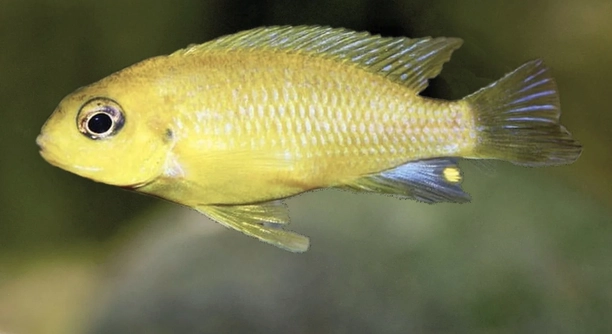
Adjusting your cichlid’s tank décor can change the environment significantly. New rocks, plants, or ornaments may initially unsettle your fish. Observing their behavior during this transition can help you understand how well they are adapting to the changes.
Cichlids exhibit several behavioral and physical signs when adjusting to new décor. Changes in swimming patterns, exploring new hiding spots, altered feeding habits, and modified territorial behavior indicate their adaptation process. Monitoring these behaviors ensures a stable and stress-free environment.
Recognizing these adjustments early can help maintain your cichlid’s health. Observing small signs ensures your fish feels comfortable and secure in its refreshed habitat.
Increased Exploration of the Tank
When new décor is introduced, cichlids often start exploring areas they previously ignored. Rocks, caves, and plants create new spaces that encourage movement. You may notice your fish swimming through tunnels or circling decorations more frequently. This behavior shows curiosity and adjustment to the changed environment. At first, they may appear cautious or hesitant, hovering near familiar areas. Over time, confidence grows as they recognize the safety of these new spaces. Some cichlids will spend hours inspecting the tank layout, pushing objects lightly or nudging them with their mouths. Others may retreat occasionally to familiar hiding spots before venturing back. Observing these subtle changes in swimming routes can help identify their comfort level. A tank with multiple hiding spots can reduce stress during this adjustment. Consistent feeding schedules and gentle lighting also support this adaptation, allowing your fish to feel secure while exploring. Their natural instincts are gradually guiding them to accept the new environment.
Exploration is a positive sign that your cichlid is adapting to the new setup. It shows growing comfort and reduced stress in its habitat.
Careful observation of exploration patterns reveals how your fish responds to each object. Some cichlids may favor certain caves or plants, while others may alternate. Tracking these behaviors helps you fine-tune the tank layout, ensuring all areas are safe and accessible. Over time, exploration leads to regular routines, where your cichlid knows which spaces offer safety and which encourage interaction. Understanding these habits also assists in monitoring health, as sudden changes can indicate stress or illness. Providing a mix of open swimming areas and sheltered zones supports natural behaviors. Adjusting décor gradually and observing interactions ensures your fish adapts smoothly. Recognizing these patterns early helps prevent territorial disputes and encourages a calm, balanced environment. Over weeks, these small signs confirm that your cichlid has integrated the new décor into its daily activities, promoting long-term comfort and well-being.
Changes in Feeding Behavior
Cichlids may alter how and where they eat after new décor is added.
Some fish become more cautious, approaching food more slowly or feeding near familiar areas. This adjustment period is normal and shows their awareness of the changed environment. Gradually, they return to regular feeding routines, demonstrating adaptation.
During this period, feeding habits can provide insight into stress levels. A fish that suddenly avoids food entirely may be unsettled by the décor, while one that explores new feeding areas shows growing confidence. Observation is key; note where and when your cichlid eats, whether it hesitates, and how it interacts with other fish during feeding. Adjusting placement of food to accessible areas can help ease the transition. Maintaining consistent feeding times and ensuring high-quality nutrition supports health and reduces stress. By understanding these feeding changes, you can ensure your cichlid remains well-nourished while adapting, reinforcing positive habits and encouraging overall comfort in the refreshed tank environment.
Hiding More Frequently
In the first days after rearranging décor, cichlids often hide more than usual. They may retreat into caves or behind rocks. This behavior is a natural response to unfamiliar surroundings and helps them feel secure while assessing the changes.
Hiding allows cichlids to manage stress and regain confidence. When they stay behind objects or plants, they are observing their environment and other tank inhabitants. Some cichlids may hide for a few hours, while others remain secluded for days. It is important not to disturb them during this time, as forcing interaction can increase stress. Over time, as the fish becomes familiar with new spaces, hiding decreases. Ensuring there are multiple shelters can help all fish feel safe while adjusting.
Consistent feeding and stable water conditions complement hiding behavior. Fish that hide less after a week are showing comfort with the new décor. Monitoring which hiding spots are favored helps identify preferred areas, making the tank layout more suitable. This information can guide future decoration choices, ensuring your cichlid’s environment remains both stimulating and secure.
Interaction with Tank Mates
Cichlids may show changes in social behavior after new décor is added. Increased or decreased interaction can indicate adaptation levels. Observing these patterns helps understand their comfort and territorial adjustments in the tank.
Some fish become more territorial, defending favorite new spaces, while others may avoid crowded areas. Aggression may rise temporarily as territories are established. Conversely, fish that explore together or maintain proximity show growing confidence. Careful observation ensures that conflicts do not escalate, and adjustments like rearranging décor or adding shelters can reduce tension. This period of social recalibration is natural and usually resolves once the environment feels stable.
Monitoring interaction helps maintain balance among tank mates. Recognizing preferred zones and observing signs of stress or dominance allow proactive management. Over time, a well-adjusted group establishes routines and clear territories, promoting harmony. Proper spacing of hiding spots, open swimming areas, and regular feeding schedules reduce conflicts. These adjustments ensure each fish can coexist comfortably, enhancing their overall health and happiness. By noting how your cichlids respond socially, you can maintain a stable environment that encourages natural behaviors and long-term adaptation.
Color and Pattern Changes
Cichlids may show subtle shifts in color or pattern after décor changes. Brightening or dulling can indicate stress or adaptation. Observing these changes helps gauge their comfort level in the updated environment.
Color changes often stabilize as the fish adjusts. Temporary fading is normal, while persistent dullness may indicate prolonged stress or illness.
Adjusted Swimming Patterns
Swimming routes often shift after adding new décor. Fish explore differently, using tunnels, open spaces, or climbing around decorations. These altered patterns show adaptation and comfort levels.
Interaction with New Objects
Cichlids frequently touch, nudge, or rearrange new décor. This behavior signals exploration and acceptance. Observing interactions can help ensure the objects are safe and suitable for the tank environment.
FAQ
How long does it take for a cichlid to adjust to new décor?
Adjustment time varies depending on the fish and the changes made. Some cichlids adapt within a few days, while others may take weeks to feel fully comfortable. Factors like the size of the tank, number of hiding spots, and the complexity of decorations influence how quickly they settle in. Patience is important, as forcing interaction can increase stress and delay adaptation. Monitoring behavior and feeding habits helps track progress. Gradual changes and consistent tank maintenance make the process smoother, allowing your cichlid to gain confidence and explore freely without prolonged stress.
Why is my cichlid hiding more than usual?
Hiding more frequently is a common response to new décor. Fish retreat to safe areas while evaluating their surroundings and establishing comfort. Temporary increases in hiding are normal, especially with caves, rocks, or plants that create unfamiliar spaces. Over time, hiding usually decreases as your cichlid becomes familiar with the layout. Avoid disturbing them during this period, and provide multiple hiding spots to prevent stress. Persistent or excessive hiding combined with loss of appetite could indicate health concerns, so observing other behaviors and ensuring stable water conditions is essential.
What does it mean if my cichlid changes color?
Color shifts are often a response to stress, adaptation, or excitement. Temporary dulling can occur as the fish adjusts to new surroundings, while brightening may reflect confidence or territorial behavior. Stable color usually returns once the cichlid feels secure. Persistent color changes accompanied by lethargy, loss of appetite, or abnormal swimming could signal illness. Monitoring water quality, diet, and social interactions ensures that color changes are part of natural adjustment rather than a health issue.
How can I tell if my cichlid is stressed by the décor?
Signs of stress include prolonged hiding, refusal to eat, erratic swimming, or aggression toward tank mates. Sudden changes in color or fin clamping are also common indicators. Observing these behaviors early allows you to adjust the tank environment, such as rearranging decorations, providing additional hiding spots, or ensuring sufficient swimming space. Stable water conditions and consistent feeding routines reduce stress and help your cichlid adapt smoothly. Tracking patterns over several days helps differentiate normal adjustment from prolonged stress.
Is it normal for my cichlid to rearrange the decorations?
Yes, cichlids often push, nudge, or move objects in the tank. This behavior reflects exploration, territory establishment, and natural instincts. It is a positive sign of interaction with the environment. Ensure that the décor is stable and safe, with no sharp edges or small parts that could cause injury. Observing which items your fish interacts with most frequently can guide future decoration choices, creating a tank layout that encourages comfort and natural behavior.
Will my cichlid stop exploring eventually?
Exploration tends to stabilize once the fish feels comfortable in the new environment. Initially, movement may be cautious or erratic, but as familiarity grows, your cichlid develops predictable routines. Providing a mix of open swimming areas and hiding spots encourages continued engagement without excessive stress. Observation of preferred areas can help maintain a balanced environment that supports natural behaviors, ensuring long-term comfort and well-being.
Can multiple cichlids adapt at different rates?
Yes, individual cichlids adjust at different speeds. Factors such as personality, size, and dominance influence adaptation. Some may explore quickly, while others hide or remain cautious for longer. Monitoring each fish separately ensures that slower adapters receive adequate hiding spots and are not stressed by more confident tank mates. Adjusting décor placement or providing additional shelters can help balance the social dynamics and support all fish in adjusting comfortably.
What should I do if my cichlid never seems comfortable?
Persistent signs of stress, like constant hiding, refusal to eat, or aggression, may indicate that the environment is unsuitable. Review tank size, décor stability, water quality, and social interactions. Adding more hiding spots, rearranging objects gradually, or separating aggressive individuals can improve comfort. If behavior does not improve, consult an aquatic specialist to rule out health issues or environmental incompatibility. Early intervention ensures the long-term well-being of your cichlid and reduces ongoing stress.
How can I encourage my cichlid to explore safely?
Encouraging exploration involves creating a balanced environment with open swimming areas and multiple shelters. Gradual introduction of décor, stable water conditions, and consistent feeding routines help your fish feel secure. Observing behavior and rewarding natural curiosity with safe spaces supports confidence. Avoid sudden changes or overcrowding, as these can increase stress. Safe exploration enhances physical activity, mental stimulation, and overall adaptation.
Does lighting affect adjustment?
Yes, lighting influences comfort and activity. Bright or harsh lights can make cichlids feel exposed, prompting excessive hiding. Dimmed or evenly distributed lighting supports natural behavior, encourages exploration, and reduces stress. Using gentle adjustments during décor changes helps your fish acclimate without fear, improving adaptation to the new environment.
Final Thoughts
Adjusting to new décor can be a significant change for cichlids. They rely on familiar surroundings to feel secure, and any alteration can trigger a range of behaviors, from hiding to exploring. Observing these behaviors closely is essential. Increased hiding, changes in swimming patterns, or altered interactions with tank mates are all natural responses. These signs help you understand how your cichlid is coping. Patience is key, as some fish may adjust within a few days, while others take several weeks. By giving them time and space, you allow your fish to gradually accept the new environment without unnecessary stress. Consistent tank maintenance, stable water conditions, and careful placement of new décor support a smooth transition. Over time, your cichlid will become comfortable, exploring freely and establishing routines within the updated tank.
Creating a supportive environment is important during this adjustment period. Providing multiple hiding spots, open swimming areas, and safe objects encourages natural behavior. Cichlids are naturally curious and territorial, and a well-balanced layout allows them to explore and establish personal spaces. Feeding routines also play a role in reducing stress. Offering food in familiar areas or near safe zones helps maintain normal behavior. Monitoring color, activity levels, and interactions with other fish provides insight into their well-being. Small observations, like how often they explore or which areas they prefer, inform adjustments to the tank setup. Over time, these careful steps create an environment where cichlids can thrive, reducing stress and promoting long-term health. Ensuring the tank meets both physical and behavioral needs supports confidence, comfort, and natural activity patterns.
Adjustment is a gradual process that reflects the fish’s ability to adapt to change. Noticing subtle signs like color shifts, interactions with new objects, or temporary hiding helps assess comfort levels. Each cichlid has a unique personality and pace of adaptation, and respecting this individuality is important. Over time, exploration increases, feeding routines normalize, and interactions with tank mates stabilize. By observing carefully and responding thoughtfully, you can maintain a balanced, healthy environment. Regular monitoring and minor adjustments to décor, hiding spots, and open swimming areas ensure ongoing comfort. Ultimately, understanding your cichlid’s behavior and providing a stable, enriched environment encourages natural habits, reduces stress, and fosters a safe, enjoyable habitat. A patient and attentive approach leads to confident, active fish that feel secure in their refreshed tank surroundings.

Hello,
If you enjoy the content that we create, please consider saying a "Thank You!" by leaving a tip.
Every little bit helps us continue crafting quality advice that supports the health, happiness, and well-being of pets around the world, for pets of all shapes, sizes, and species.
We really appreciate the kindness and support that you show us!