
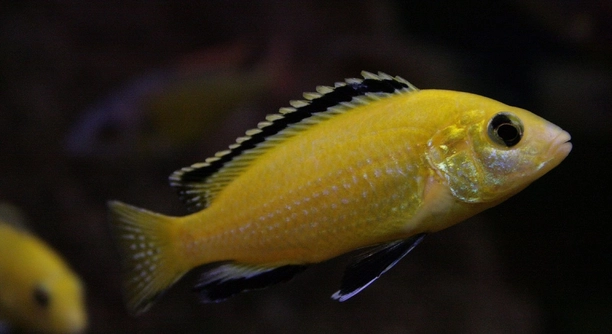
Are you planning to add new cichlids to your aquarium but want to make sure the environment is ready? Introducing new fish without proper preparation can lead to stress, aggression, or health problems for all your aquatic pets.
Before introducing new cichlids, it is essential to make specific changes to the aquarium setup. Adjustments in water parameters, tank layout, hiding spaces, and monitoring compatibility reduce stress, prevent disease, and ensure a smoother integration for the fish.
Preparing your tank with these steps will help create a stable and harmonious environment for your new cichlids to thrive peacefully.
Adjust Water Parameters
Ensuring the water conditions are ideal is the first step before adding new cichlids. The pH, temperature, and hardness should match the needs of all fish in the tank. Sudden changes can stress the existing fish and weaken their immune systems, making them more prone to disease. Test the water regularly and make small adjustments gradually to avoid shocking your fish. Filtration should be efficient and circulation steady to maintain stable conditions. Cleaning routines should be established, including partial water changes, to remove excess waste. Consistency is more important than perfection. If introducing fish from different water conditions, acclimation is necessary. Float the new cichlids in a bag for 15 to 30 minutes and slowly mix tank water in. This prevents osmotic shock and allows the fish to adjust comfortably. A stable, well-maintained environment supports health, reduces aggression, and encourages natural behavior for all cichlids.
Proper water parameters are critical for cichlids’ health. Consistent pH, temperature, and hardness prevent stress, aggression, and disease, ensuring a balanced aquatic environment.
Stable water conditions make the tank safer for new fish and reduce conflicts. Careful monitoring sets the stage for long-term success.
Rearrange Tank Layout
Reorganizing rocks, plants, and decorations helps establish territories and reduces aggression. Cichlids are territorial fish, and familiar layouts can lead to disputes when new members are added. Create multiple hiding spaces and visual barriers to allow fish to retreat if they feel threatened. Distribute shelters evenly so no single fish dominates the area. Live plants can soften the environment and provide cover, but choose hardy species that can withstand digging. Open swimming areas are also important for exercise and natural movement. Avoid overcrowding, as too many fish in a confined space increases tension. Rearranging the tank shortly before adding new cichlids gives existing fish time to adjust. Observe their behavior for signs of stress or bullying, and make further adjustments if necessary. Proper layout planning minimizes conflicts and promotes a calmer, more natural environment where all fish can coexist comfortably.
Rearranging the tank can reduce territorial disputes and make new cichlids feel more secure. Multiple hiding spots are key.
Quarantine New Cichlids
Quarantining new cichlids before adding them to the main tank prevents disease spread. A separate tank for two to four weeks allows observation and treatment of any health issues. This step protects both new and existing fish from potential infections.
During quarantine, monitor fish closely for signs of illness, such as abnormal swimming, loss of appetite, or visible spots. Treat any detected parasites or bacterial infections immediately. Provide proper filtration, heating, and aeration to keep the fish comfortable. Feeding should be consistent, and water changes must maintain cleanliness. Quarantine also helps fish adjust gradually to your water conditions, reducing stress when they move to the main tank.
Quarantine tanks should be isolated from the main aquarium to avoid accidental contamination. Use dedicated equipment and maintain strict hygiene. Observing behavior during this period also helps you understand how the fish might interact once introduced. Healthy, stress-free cichlids are easier to integrate and less likely to cause problems in the community.
Introduce Fish Gradually
Adding new cichlids slowly prevents sudden aggression and stress in the tank. Introduce one or two fish at a time rather than all at once to maintain balance and give existing fish time to adjust.
Start by placing new cichlids in a transparent divider or net inside the main tank. This allows visual contact and reduces initial territorial disputes. Gradually increase interaction time over several days while monitoring behavior. Keep an eye out for chasing, nipping, or hiding. Adjust tank layout or remove overly aggressive fish if necessary. Feeding the fish during introductions can also distract and calm them. Patience is crucial to allow all fish to adapt peacefully.
After a few days of acclimation, release the new cichlids fully into the tank. Maintain careful observation for continued aggression and make adjustments if needed. Proper pacing ensures healthier integration, reduces stress-related illness, and promotes a calmer, more stable environment where all fish can coexist comfortably.
Monitor Behavior Closely
Watch your cichlids carefully after introducing new fish. Early observation helps catch signs of stress or aggression before problems escalate.
Pay attention to chasing, hiding, or changes in eating habits. Immediate action can prevent injuries and maintain a peaceful tank environment. Adjust decorations or separate fish if necessary.
Maintain Proper Filtration
Efficient filtration keeps water clean and oxygen levels stable, which is essential for all cichlids. Overcrowding or added waste from new fish can strain the system. Regularly check filter performance and clean or replace media as needed. This ensures a healthier, balanced environment.
Feed a Balanced Diet
Providing a varied and nutritious diet supports immune health and reduces aggression. High-quality pellets, occasional frozen foods, and fresh vegetables keep cichlids strong and active.
FAQ
How long should I quarantine new cichlids?
Quarantine for at least two to four weeks. This allows enough time to observe any signs of disease and treat them before they reach your main tank. Keeping fish in a separate tank helps prevent the spread of infections to existing cichlids.
What water parameters are best for most cichlids?
Most cichlids thrive in slightly alkaline water with a pH between 7.0 and 8.0. Temperature should range from 24°C to 28°C (75°F to 82°F). Hardness varies depending on the species, but maintaining consistent conditions is more important than exact numbers. Sudden changes can stress the fish.
How many hiding spaces should I provide?
Provide multiple hiding spots for each fish. Rocks, caves, and dense plants give fish places to retreat, reducing aggression and territorial disputes. Even aggressive species benefit from personal spaces. Spread shelters evenly throughout the tank to prevent dominance by a single fish.
Can I add all new cichlids at once?
Introducing all at once is not recommended. Gradual introduction allows fish to adjust to new tankmates. Start with one or two fish, observe interactions, and then add more slowly. This reduces stress and helps prevent injuries or fights in the tank.
What signs of stress should I watch for?
Look for hiding, loss of appetite, rapid gill movement, or unusual swimming patterns. Fading colors or aggression spikes are also warning signs. Stress weakens the immune system, making fish more susceptible to disease, so early intervention is important.
Should I rearrange the tank before adding new cichlids?
Yes, rearranging decorations and plants breaks existing territories and reduces aggression. Multiple hiding spots and open swimming areas help fish establish new territories more peacefully. Avoid overcrowding and allow the tank to settle a few days before introducing new fish.
How often should I monitor water quality?
Check water parameters at least twice a week during introductions. Monitor pH, temperature, ammonia, nitrites, and nitrates. Clean the tank regularly and perform partial water changes to maintain stable conditions. Consistent water quality supports fish health and reduces stress.
Is it necessary to feed differently when new cichlids arrive?
Offer a balanced diet with high-quality pellets and occasional frozen or live food. Feeding during introductions can distract aggressive fish and reduce chasing. Avoid overfeeding, as excess food can foul the water and increase stress levels for all fish.
What should I do if aggression occurs?
If chasing or fighting becomes severe, separate the aggressive fish temporarily. Adjust hiding spaces or rearrange the tank to reduce tension. Observe interactions closely and ensure all fish have access to food and shelter. Proper pacing during introductions minimizes long-term conflicts.
How do I know if the new cichlids are adjusting well?
New cichlids adjusting properly will explore the tank, eat normally, and show minimal signs of stress. Colors should brighten, and interactions with other fish should be calmer over time. Regular monitoring ensures that any issues are addressed quickly, keeping the tank environment healthy.
Can different cichlid species live together?
Compatibility depends on size, temperament, and territorial needs. Aggressive species may not coexist with peaceful ones. Research each species carefully and consider tank size, layout, and hiding spaces. Gradual introductions and proper planning improve the chances of a harmonious community.
How long should I observe the tank after adding new cichlids?
Closely observe for at least two weeks after each addition. Watch for aggression, stress, and eating patterns. Make adjustments to layout or separate fish if needed. Continued monitoring ensures the health of all cichlids and supports a stable, peaceful environment.
Are live plants safe with cichlids?
Some cichlids dig and may uproot plants. Use hardy species like Anubias, Java Fern, or artificial plants if digging is a problem. Plants provide hiding spots and improve water quality, so choosing durable options ensures both aesthetics and functionality in the tank.
How can I reduce stress during the introduction process?
Gradual introduction, stable water conditions, multiple hiding spots, and careful monitoring are key. Keep feeding consistent and observe behavior closely. Patience and preparation make the process smoother, helping both new and existing cichlids adapt comfortably to each other.
Introducing new cichlids to your aquarium requires careful planning and attention to detail. Each step, from checking water parameters to rearranging tank decorations, plays a crucial role in ensuring the health and comfort of all fish. Sudden changes or rushed introductions can cause stress, aggression, and illness, which may affect both new and existing cichlids. By taking the time to properly prepare the tank and observe the fish, you create a safer, more stable environment. Even small adjustments, such as adding extra hiding spots or performing gradual water changes, can make a significant difference in how smoothly the new cichlids adapt to their surroundings. Consistency and patience are key to maintaining balance in a shared aquarium, and these efforts help prevent conflicts and improve overall fish welfare.
Quarantining new fish is one of the most important steps in preventing disease. A separate tank allows for close observation, early treatment of any infections, and gradual acclimation to your water conditions. This period of isolation protects the main tank from parasites or bacteria that may go unnoticed in a store-bought or newly acquired cichlid. Observing behavior during quarantine also gives insight into the personality and temperament of each fish, which can inform decisions about tank placement and integration order. Taking these precautions reduces stress and increases the chances that the new cichlids will thrive alongside existing fish. Following a structured approach ensures that both the fish and the aquarium ecosystem remain healthy and stable, avoiding common problems caused by hasty introductions.
Maintaining proper care and monitoring after the introduction is just as important as preparation. Regular water testing, filtration maintenance, and attentive observation of fish behavior help maintain a healthy environment. Providing a balanced diet and ensuring that each cichlid has access to food and space reduces competition and supports long-term well-being. Tank layout and decorations should be adjusted as needed to minimize aggression and allow fish to establish their own territories. Over time, careful attention to these factors leads to a calmer, more harmonious aquarium where cichlids can display natural behaviors and thrive. Patience and consistency throughout the entire process ultimately create a more enjoyable and successful experience for both the fish and the person caring for them.

Hello,
If you enjoy the content that we create, please consider saying a "Thank You!" by leaving a tip.
Every little bit helps us continue crafting quality advice that supports the health, happiness, and well-being of pets around the world, for pets of all shapes, sizes, and species.
We really appreciate the kindness and support that you show us!