
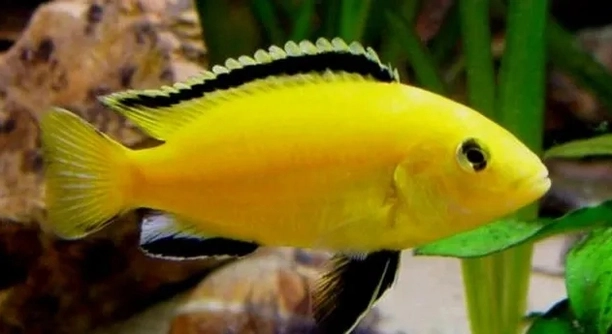
Do you ever find yourself unsure whether your cichlids need feeding every day? Many fish owners worry about overfeeding, but skipping a meal occasionally can be part of maintaining a healthy aquarium routine.
Cichlids should not be fed under specific circumstances, such as during water changes, illness, overfeeding, fasting periods, temperature fluctuations, stress, or when introducing new tankmates. Skipping meals helps prevent health issues and supports their natural behavior and digestion.
Understanding when to pause feeding can improve your cichlids’ well-being. The following guidance will help you maintain a balanced feeding schedule for healthier fish.
During Water Changes
When performing water changes, it is best to skip feeding your cichlids. Fish can become stressed when the water conditions shift suddenly, and adding food can increase waste and cloud the water. Feeding during this time may disrupt the balance of your aquarium and cause digestive issues. The fish are already adjusting to a new environment in the tank, and skipping a meal gives their system time to stabilize. Overfeeding during water changes can also lead to ammonia spikes, which can harm sensitive cichlids. It is more beneficial to feed them before or after the water change when conditions are stable. Observing their behavior during these periods helps ensure they remain healthy. Maintaining clean water and avoiding extra waste is crucial for cichlids’ overall well-being. Giving them a short break from feeding during water changes is a simple preventive measure that protects both their health and your tank’s stability.
Skipping meals during water changes helps reduce stress and keeps water quality stable. This practice supports healthier digestion.
Giving your cichlids a temporary pause from feeding during water changes can prevent unnecessary health problems. It allows their digestive system to function normally and avoids additional stress. Feeding immediately during these times can lead to uneaten food, increased waste, and harmful changes in water chemistry. By planning feeding schedules around maintenance tasks, you ensure the tank environment remains stable. Consistent water quality supports the natural behaviors of cichlids, allowing them to stay active and maintain strong immune systems. Short breaks in feeding also mimic natural conditions, as fish in the wild do not eat constantly. This approach keeps your aquarium cleaner, reduces the risk of disease, and promotes a longer, healthier life for your fish. Simple adjustments like this can make a significant difference in the overall care and longevity of your cichlids.
When Cichlids Are Sick
Feeding sick cichlids can worsen their condition, so it is better to skip meals until they recover.
Illness slows digestion and can prevent fish from processing food efficiently. Offering food when cichlids are unwell increases the risk of bloating and other complications. Withholding meals gives their bodies a chance to focus on healing without extra strain. During this time, monitor water quality closely, as cleanliness helps prevent further infection. Some diseases may require medicated food, but only after consulting proper guidelines. Maintaining stable water temperature and avoiding sudden changes also supports recovery. Fasting during illness is a natural way to reduce stress and support immune function. It may feel counterintuitive, but skipping a meal can help your fish bounce back more quickly. The temporary lack of food does not harm them when done correctly, and careful observation ensures they remain strong throughout recovery. Planning feeding around health needs is essential for responsible cichlid care, protecting both their digestive health and overall resilience.
After Overfeeding
Skipping a meal after overfeeding helps prevent digestive problems and reduces excess waste in the tank. It gives cichlids’ digestive systems time to process the previous meal properly, maintaining their overall health and water quality.
Overfeeding can lead to bloating, constipation, and even swim bladder issues. By skipping the next scheduled meal, you allow your cichlids’ digestive systems to recover naturally. Excess uneaten food can decay quickly, causing ammonia spikes that stress the fish and damage water quality. Regularly monitoring portion sizes helps avoid these problems in the future. A short break from feeding is a simple and effective way to restore balance after overfeeding.
Pausing feeding after an overfeeding incident also encourages natural foraging behavior. Fish can remain active while adjusting to a normal eating schedule. Maintaining proper feeding intervals prevents long-term digestive complications and promotes a healthier tank environment.
During Fasting Periods
Fasting periods are important for cichlids and should be respected to maintain their health and prevent obesity. These breaks help regulate digestion and metabolism.
Cichlids benefit from scheduled fasting one or two days per week. Skipping meals during these periods allows their digestive systems to rest and prevents the buildup of excess fat. Consistent fasting reduces the risk of bloating and constipation, common problems in home aquariums. It also encourages fish to stay active while searching for food, simulating natural behaviors. Feeding during a designated fast disrupts this balance and can have negative effects on their overall well-being. Observing their condition during fasting ensures they remain healthy and strong.
Fasting is also an effective way to maintain water quality. Less food means less waste, reducing the need for frequent cleaning. It encourages healthier feeding habits, ensuring cichlids consume proper portions when meals are provided. Integrating fasting days into a regular feeding schedule supports long-term digestive health, activity levels, and tank cleanliness. Planning meals around fasting periods is a practical strategy for responsible fish care.
Temperature Fluctuations
Skipping feeding during temperature changes helps prevent stress and digestive issues in cichlids. Cold or sudden shifts can slow their metabolism, making it difficult to process food properly.
Feeding during these periods can lead to uneaten food, water contamination, and potential health problems. Waiting until the tank stabilizes ensures cichlids remain healthy.
When Introducing New Tankmates
Introducing new cichlids or other fish can cause stress and territorial behavior. Skipping meals for a short period allows fish to focus on adjusting rather than competing for food.
Careful observation during this adjustment period prevents aggressive interactions and ensures all fish remain healthy. Feeding too soon can trigger fights, uneaten food, and water quality issues. Maintaining patience supports a calmer, more balanced tank environment.
Stressful Events
Cichlids may experience stress from loud noises, frequent tank movement, or sudden changes. Skipping meals during these times helps their systems cope and reduces digestive strain.
Signs of Overfeeding
Pay attention to bloating, slow movement, and leftover food. These indicators suggest skipping a meal is necessary to restore digestive balance.
How often should I skip feeding my cichlids?
Skipping feeding depends on the situation. Occasional fasting, such as one day per week, helps regulate digestion and metabolism. Other times, skipping is necessary due to stress, illness, or water maintenance. Observing your cichlids’ behavior and tank conditions will guide how often it is needed. Regular overfeeding or poor water quality may require more frequent breaks to prevent digestive and health issues.
Is it harmful if my cichlids miss a meal?
Missing a single meal is not harmful. Cichlids can safely go without food for a day or two. Their bodies can rely on stored energy, and short breaks actually benefit their digestive systems. Problems only arise if fasting becomes prolonged unintentionally, or if the fish are already weakened from illness or poor water conditions. Short breaks encourage natural feeding behavior and reduce waste in the tank.
Can skipping meals help with digestive issues?
Yes. Pausing feeding allows the cichlids’ digestive systems to rest. Overfeeding or poor diet can cause bloating, constipation, or swim bladder problems. Temporary fasting gives the intestines a chance to clear, reducing the risk of blockages. Consistent portion control and periodic meal breaks are more effective than constant feeding. Fish remain active, healthy, and less prone to digestive stress when breaks are included in the schedule.
Should I feed during water changes?
No. Feeding during water changes increases waste and can stress cichlids. Skipping meals before or after maintenance ensures their digestive system is not overburdened. It also prevents uneaten food from contaminating newly added water, which helps maintain tank stability. Proper water quality supports overall health and encourages normal feeding behavior once conditions are stable.
What if my cichlids are stressed?
Stress affects digestion and immunity. Skipping meals during stressful events, such as tank rearrangement or loud disturbances, reduces strain on their bodies. Overfeeding in these moments can lead to bloating and leftover food that contaminates water. Allowing the fish time to recover supports their health and helps them return to normal feeding habits more quickly.
How do I know if they are overfed?
Signs include bloating, lethargy, slow swimming, and leftover food at the bottom of the tank. If these appear, skip the next meal or two. This pause helps regulate digestion and prevents further health issues. Maintaining portion control and monitoring feeding frequency prevents repeated overfeeding and keeps water quality balanced.
Can skipping meals improve water quality?
Yes. Less food means less waste, which reduces ammonia and nitrate buildup. Skipping meals strategically helps maintain cleaner water, supports beneficial bacteria, and reduces tank maintenance. Clean water is crucial for cichlids’ health, and occasional fasting is a simple, effective tool for maintaining tank stability.
Do all cichlids respond the same to skipped meals?
Not exactly. Some species tolerate longer periods without food, while others may need more consistent feeding. Observing species-specific behaviors, activity levels, and digestive health ensures skipped meals are safe. Adjust breaks based on the needs of your specific cichlid type to maintain health without causing stress.
Should I adjust fasting during illness?
Yes. Fasting during illness allows the immune system to focus on recovery and reduces the risk of digestive complications. Feeding sick fish can worsen bloating or constipation. Only provide medicated food or small portions if prescribed for treatment. Careful observation during illness ensures they recover safely.
How can I safely reintroduce food after a skipped meal?
Start with small portions to avoid overloading their digestive systems. Gradually return to normal feeding intervals once you observe active, healthy behavior. Offering a variety of quality foods ensures balanced nutrition while preventing digestive stress. Monitoring reactions during the first meals after a fast helps maintain long-term health and tank balance.
Feeding cichlids is more than just a daily routine. It requires attention to their health, behavior, and the environment of the tank. Skipping meals at the right times is an important part of caring for them. It may feel unusual at first, but these breaks actually support their digestion and overall well-being. When cichlids are stressed, sick, or the tank is undergoing changes, withholding food temporarily can prevent complications and maintain a stable habitat. Overfeeding is a common issue in home aquariums, and taking planned breaks from feeding helps counteract this. It allows the fish to process previous meals properly, prevents bloating, and reduces leftover food that can damage water quality. Incorporating these pauses into a feeding schedule is a simple adjustment with significant benefits. Observing their behavior and the conditions of the tank ensures that these meal breaks are safe and effective.
Understanding the right times to skip feeding also helps maintain healthy water conditions. Food left uneaten can decay quickly, leading to ammonia and nitrate buildup, which stresses cichlids and can cause illness. Skipping a meal during water changes or after overfeeding allows you to control waste and keep the tank clean. Fasting during illness gives their bodies a chance to focus on recovery without added digestive strain. Stressful events, such as introducing new tankmates or temperature fluctuations, are also good opportunities to pause feeding. These careful pauses in feeding routines mimic natural conditions, where fish do not eat constantly. Regular observation is key; noticing signs of bloating, lethargy, or leftover food can guide when to skip meals and when to resume normal feeding. By balancing feeding with periods of rest, cichlids remain healthier and more active over time.
Finally, incorporating skipped meals into a regular care routine builds a stronger understanding of your fish. Each cichlid may respond differently, and learning their specific needs helps prevent digestive issues and stress. Fasting days or short breaks do not harm the fish; they support metabolism and natural behavior, while also improving tank conditions. Planning feeding around fasting, water changes, illness, or stressful events ensures that the fish receive proper nutrition without overburdening their systems. Small adjustments, like reducing portions or temporarily withholding food, have a large impact on their long-term health. Consistent care, observation, and timing of feeding contribute to a balanced aquarium ecosystem. Paying attention to these details creates a healthier, more stable environment for cichlids, allowing them to thrive while minimizing preventable health issues. Over time, this thoughtful approach to feeding improves both the fish’s well-being and the overall enjoyment of maintaining the tank.

Hello,
If you enjoy the content that we create, please consider saying a "Thank You!" by leaving a tip.
Every little bit helps us continue crafting quality advice that supports the health, happiness, and well-being of pets around the world, for pets of all shapes, sizes, and species.
We really appreciate the kindness and support that you show us!