
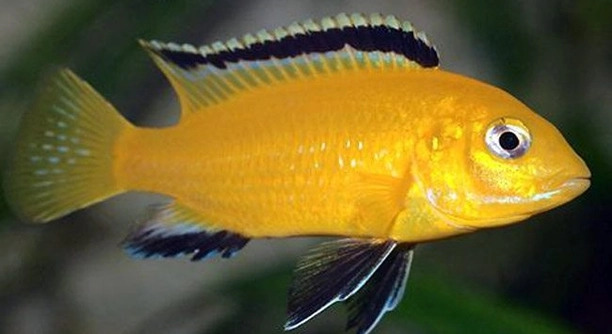
Feeding cichlids can sometimes feel chaotic, especially when multiple fish compete for the same food. Watching them chase each other or guard their territory during meals can be stressful for both the fish and the keeper.
Implementing structured feeding methods can significantly reduce aggression among cichlids. Techniques such as dividing food into multiple locations, timing feedings consistently, and using sinking or slow-dispensing foods help maintain peace and ensure all fish receive adequate nutrition.
Applying these feeding strategies will make meal times calmer and more enjoyable for your cichlids, promoting a healthier and more harmonious aquarium environment.
Spread Food Across Multiple Spots
Distributing food in several areas of the tank helps reduce competition. Instead of all the cichlids rushing to one spot, they can each find a place to eat. This approach works well for aggressive species, as it prevents dominant fish from controlling the meal entirely. I usually place food near hiding spots and open areas to encourage natural foraging behavior. Using small portions rather than dumping a large amount at once allows fish to eat calmly. Over time, they learn to explore the different feeding zones, which keeps mealtime organized. Floating foods can be paired with sinking pellets to engage both surface and bottom dwellers. Watching them spread out and eat without constant chasing is reassuring. Multiple feeding spots also help weaker or smaller fish get their share, which is important for overall health. This method works best when combined with consistent feeding times, so all fish anticipate where to find food.
Feeding in multiple locations ensures that all fish eat safely and reduces stress in aggressive tanks.
Breaking up meals and varying feeding locations keeps the tank calmer, supports equitable nutrition, and encourages natural behavior without constant interference.
Feed Smaller Portions Frequently
Smaller, more frequent feedings prevent overeating and reduce fights over a single batch of food. By giving your cichlids tiny portions several times a day, each fish has a better chance to eat without rushing. This approach also aligns with their natural feeding habits, as cichlids rarely consume large amounts at once. I have noticed that frequent feedings lower aggression significantly, especially among dominant fish. Using a timer or a feeding schedule ensures consistency, so fish recognize that food will appear regularly. Overfeeding in one sitting can lead to leftover food, poor water quality, and territorial disputes. Small portions also make it easier to monitor the health of each fish, noticing any that hesitate to eat. Pairing this method with multiple feeding spots can completely transform mealtime dynamics, making the tank environment calmer and healthier overall.
Regular small feedings improve fish health and reduce tank aggression efficiently.
Adjusting feeding frequency requires attention at first but results in less competition, cleaner water, and more evenly fed cichlids over time. It also allows for better monitoring of each fish’s behavior and appetite.
Use Sinking Pellets
Sinking pellets reach bottom-dwelling cichlids before more aggressive fish can snatch them. This reduces surface fights and allows shy or weaker fish to eat without stress. I prefer pellets that sink slowly, giving all fish time to find their share.
Sinking pellets also encourage natural foraging. Cichlids will explore the tank while eating, which keeps them occupied and less focused on fighting. Using pellets that vary in size helps match the different mouth sizes in your tank, ensuring everyone can eat comfortably. Over time, this reduces aggression, and fish become calmer during feeding times. I often rotate between pellets and flakes to maintain variety and interest.
These pellets are easy to use and improve meal distribution. Bottom feeders stay nourished, and dominant fish are less likely to hoard all the food, creating a more peaceful environment. Watching the slower fish eat without interruption is satisfying.
Separate Aggressive Fish Temporarily
When aggression spikes, isolating the most dominant cichlids during meals can prevent injuries. A temporary divider or separate tank works well for short periods, ensuring all other fish eat safely.
Separating aggressive fish allows weaker individuals to access food without constant harassment. I typically move dominant cichlids for 15–30 minutes while the rest of the group eats. This prevents long-term stress and reduces the risk of injury. Over time, fish learn not to overreact when the dominant fish returns. Using clear dividers also keeps the isolated fish visually engaged, reducing stress and boredom.
This method is particularly effective during feeding times for young or newly introduced fish. It maintains peace and ensures equitable food distribution. By temporarily separating aggressive cichlids, the tank becomes calmer, and weaker fish gain confidence during meals.
Offer Vegetables Alongside Pellets
Adding vegetables like zucchini or peas can distract cichlids from competing over pellets. I slice them thinly and place them in different areas of the tank, giving slower fish a chance to nibble safely.
Vegetables also provide essential nutrients that pellets may lack. By offering a mix of foods, fish stay healthier and more engaged during mealtime, which naturally reduces aggression.
Use a Feeding Ring
A feeding ring helps contain floating food, preventing dominant fish from chasing others away. It keeps meals organized and accessible, giving all fish a fair chance to eat. I place the ring near open swimming areas for calmer feeding sessions.
Feed at Consistent Times
Consistent feeding schedules help cichlids anticipate meals, reducing sudden aggression. Fish learn to expect food at certain times, which lowers stress.
How often should I feed my cichlids?
Most cichlids do best with two to three small feedings per day. I find that splitting meals into smaller portions prevents aggression and overeating. Feeding too much at once can lead to leftover food, which reduces water quality and encourages fighting over remaining scraps. Consistency is key—feeding at the same times each day helps fish learn the routine.
What types of food are best for keeping peace during meals?
A combination of sinking pellets, flakes, and fresh vegetables works well. Sinking pellets reach bottom feeders first, giving shy fish a chance to eat. Vegetables such as zucchini, peas, and spinach provide extra nutrients and distract dominant fish from chasing others. Occasionally mixing in frozen or live foods adds variety without increasing conflict. I alternate foods to maintain interest and ensure all fish get balanced nutrition.
Should aggressive cichlids be separated during feeding?
Yes, temporary separation can be effective. I often use a tank divider or a small isolation tank during mealtime for highly aggressive individuals. This allows weaker fish to eat without stress. Even short periods of separation, around 15–30 minutes, are usually enough. Clear dividers keep isolated fish visible, which reduces boredom and tension while allowing the rest of the tank to feed calmly.
How can I encourage all fish to eat at the same time?
Using multiple feeding spots and a feeding ring helps. I distribute food in several areas and sometimes place a ring in the center to contain floating pellets. This encourages simultaneous feeding while preventing one dominant fish from monopolizing food. Smaller portions also help, giving everyone a chance to eat without chasing or stealing. Repeating this routine consistently trains fish to expect food across the tank.
What should I do if a fish is not eating?
Observe the fish for signs of stress or illness first. If it is shy or bullied, placing food near hiding spots can help. Using sinking pellets ensures that bottom-dwellers or slower eaters have access. Sometimes isolating the fish temporarily during meals encourages it to eat without interference. Regular observation and gradual adjustments to feeding methods prevent long-term nutritional issues.
Can changing feeding times reduce aggression?
Yes, predictable feeding schedules reduce tension. Cichlids quickly learn when food appears, which prevents sudden bursts of fighting. I feed at the same times daily and stick to small, regular portions. Over time, this decreases competition and creates a calmer environment. Maintaining this schedule also allows for easier monitoring of each fish’s eating habits.
Is it helpful to vary food types for calmer meals?
Absolutely. Rotating between sinking pellets, flakes, vegetables, and occasional live or frozen foods keeps fish engaged. Dominant cichlids are less likely to focus aggression on others when they have varied food options. I have noticed calmer tanks and healthier fish when food types are rotated regularly. Providing a mix also meets nutritional needs across species.
How do I prevent leftover food from causing fights?
Feed smaller portions and remove uneaten food promptly. I usually distribute food in multiple areas and monitor the tank for leftovers after a few minutes. This reduces water pollution and prevents dominant fish from hoarding food. Using slow-sinking or slow-dispensing foods also keeps meals controlled and limits unnecessary chasing.
Can hiding spots help during feeding?
Yes, decorations, rocks, and plants offer refuge for weaker fish. I place food near these areas so shy or smaller cichlids can eat safely. Hiding spots reduce stress and create natural feeding zones where dominant fish cannot easily chase others, promoting overall peace in the tank.
Does tank size impact feeding behavior?
Larger tanks reduce competition naturally. I find that spreading food across a bigger space allows all fish to find their share without constant conflict. Smaller tanks may require more careful portioning, feeding spots, and temporary separation to maintain calm during meals. A well-structured environment supports peaceful feeding.
This FAQ covers practical ways to manage aggression, distribute food fairly, and maintain a healthier tank environment for cichlids, ensuring calm and equitable feeding sessions for all fish.
Keeping cichlids peaceful during meals is largely about planning and observation. Aggression is common among these fish, but simple adjustments in feeding practices can make a big difference. By spreading food across multiple locations, using sinking pellets, and offering vegetables alongside regular food, all fish get a fair chance to eat. Smaller, more frequent feedings also prevent dominant individuals from hoarding food while weaker fish go hungry. Over time, these strategies help the entire tank settle into a calmer routine, and the fish become more confident and less stressed during mealtimes. Watching a well-fed, peaceful group of cichlids is satisfying and reinforces that consistent effort is worthwhile.
Temporary separation of aggressive fish can also be useful when needed. Introducing dividers or isolation tanks for short periods during feeding ensures that timid or newly introduced fish can eat safely without being chased. This method does not have to be permanent; even brief separation allows weaker fish to gain access to food and reduces injuries. Consistency in feeding times is another important factor. Cichlids quickly learn when food is available, which lowers sudden bursts of aggression and makes the feeding process predictable. A predictable routine combined with multiple feeding spots and balanced portions encourages calmer behavior and supports the long-term health of the tank’s community.
Maintaining peace during meals is not just about preventing fights, but also about promoting overall fish health. Balanced nutrition, access to food for all fish, and reduced stress contribute to stronger immune systems and more natural behavior. Adding hiding spots and decorations further supports weaker fish and allows for natural foraging behavior, which keeps fish active and engaged. Regular observation is key—monitoring how the fish respond to feeding methods can help identify any issues before they escalate. With thoughtful planning and attention, feeding time can become a calm, orderly part of daily life in the aquarium, allowing all cichlids to thrive in a balanced environment.

Hello,
If you enjoy the content that we create, please consider saying a "Thank You!" by leaving a tip.
Every little bit helps us continue crafting quality advice that supports the health, happiness, and well-being of pets around the world, for pets of all shapes, sizes, and species.
We really appreciate the kindness and support that you show us!