
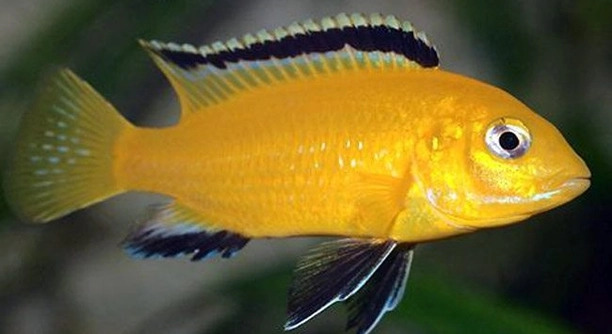
Do your aquariums sometimes feel too still, leaving your electric yellow cichlids restless and bored? These lively fish are natural rearrangers, and their energy can turn a plain tank into a bustling underwater landscape.
Electric yellow cichlids will actively move, sift, and rearrange various substrate types including sand, gravel, fine pebbles, crushed coral, aquatic soil, small rocks, and shells. These behaviors support territory creation, breeding, and environmental enrichment in home aquariums.
Watching these changes can be fascinating, revealing more about your cichlids’ habits and preferences than you might expect. The right substrate can transform their tank significantly.
Sand
Sand is one of the most common substrates for electric yellow cichlids. Its fine texture allows them to sift easily, search for food, and dig shallow pits without hurting themselves. Sand is gentle on their sensitive gills and can create natural-looking territories. Many hobbyists notice that cichlids seem more active when provided with a soft substrate. Sand also encourages natural behaviors such as burrowing and rearranging small areas. Lighter-colored sand highlights the bright yellow of these fish, making them stand out. Over time, sand may compact in certain areas, so occasional stirring or rearranging is necessary. Adding small rocks or plants can provide extra enrichment. It is important to rinse sand thoroughly before placing it in the tank to avoid cloudiness. While sand may need periodic cleaning, it offers an environment that closely mimics the cichlids’ natural habitat, supporting both their physical health and behavioral needs effectively.
Sand is highly recommended for electric yellow cichlids due to its softness, safety, and ability to support natural behaviors like digging and rearranging.
Using sand as a base substrate can make maintenance easier while providing a stimulating environment. Fish often interact more with sand than with gravel, moving it around to create shallow pits or small mounds. Sand also prevents injuries to delicate fins and gills. By selecting the right type and color, the tank remains visually appealing while encouraging natural activity. Regular monitoring and gentle cleaning ensure the substrate remains safe and comfortable. Adding small decorations or plants allows cichlids to explore and rearrange, keeping them mentally and physically engaged.
Gravel
Gravel offers a firmer texture than sand, giving cichlids more resistance when moving it around. Its coarse surface supports digging and rearranging but requires careful selection to avoid sharp edges. Smaller gravel pieces are easier for cichlids to move, while larger stones can create natural barriers or hiding spots. Gravel also helps anchor plants, making it a practical choice for planted tanks. Unlike sand, gravel can trap debris, so regular vacuuming is needed to maintain water quality. Mixing colors and sizes can create visual interest and mimic natural lake or river environments. Some cichlids prefer gravel because it allows for digging without compacting the substrate. Careful observation ensures they are not ingesting pieces too large for their mouths. Overall, gravel supports both behavioral enrichment and functional needs in an electric yellow cichlid tank, providing texture variety while encouraging active engagement with their environment.
Gravel provides a firmer substrate that supports digging, plant anchoring, and natural behaviors while requiring moderate maintenance.
Selecting the right gravel size and color enhances the tank’s appeal while supporting healthy fish behavior. Electric yellow cichlids enjoy moving smaller pieces to form territories and shallow pits. The texture offers resistance that keeps them active, while larger stones create hiding spots and visual variation. Regular cleaning prevents debris buildup and maintains water clarity. Gravel can be combined with other substrates or decorations to create a dynamic environment that encourages natural activity. Observing how cichlids interact with the gravel helps determine adjustments to improve comfort and enrichment. By using gravel strategically, the tank becomes both functional and visually interesting.
Fine Pebbles
Fine pebbles offer a balance between sand and gravel. They are easy for electric yellow cichlids to move, creating small piles and shallow pits while remaining safe for their fins and gills.
These pebbles allow cichlids to dig and rearrange without compacting the substrate too much. Their slightly larger size than sand gives resistance, keeping fish engaged. The smooth texture prevents injuries, while the gaps between pebbles allow water flow and waste to settle, reducing odors and helping maintain a clean tank. Over time, fish may shift pebbles to mark territory or prepare breeding spots, showing natural behaviors. Mixing colors or using uniform tones can enhance the visual appeal. Fine pebbles are versatile, supporting both active movement and decoration.
Observing electric yellow cichlids with fine pebbles highlights their rearranging instincts. Fish may create small mounds or dig shallow pits, demonstrating interaction with the environment. Proper cleaning ensures pebbles remain free from debris, supporting healthy water conditions. The substrate encourages natural digging behavior while adding texture variety. Placement of decorations or small plants works well with pebbles, providing stimulation and hiding spaces. Fine pebbles offer a low-risk, engaging option that suits most cichlid tanks.
Crushed Coral
Crushed coral helps maintain stable water pH and provides a rough texture that cichlids can move around easily. Its alkaline properties are especially beneficial in preventing acidic conditions in the tank.
Electric yellow cichlids interact with crushed coral by pushing pieces aside, creating open spaces or small piles. The texture is ideal for digging, and its calcium content can support fish health. Crushed coral also reflects light, brightening the tank and highlighting the fish’s vivid yellow coloration. Regular cleaning is necessary to prevent debris from accumulating between pieces. The size of coral fragments matters; smaller pieces are easier for cichlids to manipulate. It also allows for subtle landscaping, giving fish control over their environment while enhancing visual appeal.
Placement of crushed coral affects how cichlids interact with it. Fish may shift fragments to create boundaries or breeding areas. Combining crushed coral with other substrates can produce layered effects that encourage natural behaviors. It also supports plant growth by stabilizing roots while maintaining water chemistry. Observing how cichlids rearrange coral reveals patterns in their activity, such as territory marking and digging. Crushed coral provides both functional benefits and environmental enrichment, keeping the tank dynamic.
Small Rocks
Small rocks provide cichlids with a firm surface to move and rearrange. They can be stacked or scattered, giving fish a chance to create territories and hiding spots while exploring their tank actively.
These rocks add texture variety and visual interest. Fish often push or shift them to form small piles, demonstrating natural digging and territorial behavior. Placement of rocks can influence swimming paths and activity zones, keeping cichlids engaged.
Aquatic Soil
Aquatic soil offers nutrients for live plants and a soft, workable surface for cichlids to dig. Its texture supports natural behavior, allowing fish to move, sift, and create small pits while enriching the tank environment.
The soil stabilizes plants and encourages root growth, making it ideal for planted tanks. Electric yellow cichlids interact with the substrate without damaging it, promoting healthy behaviors. Regular monitoring prevents compaction or cloudiness.
Shells
Shells provide both shelter and digging opportunities. Fish can move them around to create territories, breeding spots, or shaded areas, adding complexity to their environment.
What substrate is best for electric yellow cichlids?
The best substrate depends on your tank setup and the behaviors you want to encourage. Sand is soft, safe, and easy for cichlids to dig and sift through. Fine pebbles provide a balance between digging and resistance, while gravel gives a firmer surface for moving and stacking. Crushed coral adds texture and helps maintain pH, and aquatic soil supports plant growth. Small rocks and shells create hiding spots and territories. Many hobbyists combine substrates to provide variety, allowing cichlids to interact naturally while maintaining a visually appealing tank.
Can electric yellow cichlids harm their substrate?
Yes, these fish are active rearrangers and will move almost any loose substrate. They dig pits, shift rocks, and push sand or pebbles to mark territory or prepare breeding sites. While this behavior is natural, some substrates like delicate plants or soft decorations may be disturbed. Harder substrates such as gravel, crushed coral, or larger rocks are more durable, but fish will still move smaller pieces. Monitoring how your cichlids interact with their tank helps prevent excessive disruption or damage, and providing multiple substrate types can reduce wear on a single material.
Do I need to clean substrates regularly?
Cleaning is essential for maintaining water quality and fish health. Sand and fine pebbles can trap debris and food particles, which should be removed with gentle vacuuming. Gravel may require more frequent siphoning due to trapped waste. Crushed coral and shells also need occasional rinsing to prevent buildup. Aquatic soil should be monitored for compaction or cloudiness. Avoid overcleaning, as this can remove beneficial bacteria that support the nitrogen cycle. Regular inspection and maintenance keep the tank safe, the substrate functional, and the cichlids engaged with a healthy environment.
How does substrate affect breeding behavior?
Substrate plays a significant role in breeding electric yellow cichlids. Sand, fine pebbles, or small rocks allow females to create shallow pits, which are often used to lay eggs. Male cichlids may move materials to mark territory and attract mates. Crushed coral or shells can provide firm surfaces for spawning and hiding fry. Aquatic soil can support plant-covered areas that add security. Choosing the right substrate encourages natural breeding behaviors and helps reduce stress, providing a safe environment where eggs and fry have a better chance of survival.
Can I mix different substrates in one tank?
Yes, mixing substrates can create both functional and visually appealing environments. Combining sand with small rocks or fine pebbles allows cichlids to choose their preferred digging surface. Crushed coral or shells can be added to support pH balance and provide territories. Aquatic soil works well in planted zones, while gravel can anchor decorations or heavier plants. Mixing substrates also prevents boredom, giving cichlids options for rearranging and exploring. Observing their behavior helps determine the best combination to maintain safety, encourage natural activity, and create a dynamic tank that meets both fish and aesthetic needs.
Will substrate color affect my electric yellow cichlids?
Color does not affect fish health but can influence their behavior and appearance. Light-colored sand or gravel highlights the fish’s bright yellow tones, making them visually striking. Darker substrates may make cichlids feel more secure, encouraging shy or territorial individuals to be more active. Some hobbyists combine light and dark substrates to create contrast, which also helps define territories. The key is choosing a color that balances aesthetics with the fish’s comfort, allowing natural behaviors while maintaining a tank that is both engaging and visually pleasing.
How do I prevent substrate from compacting?
Substrate compaction can restrict water flow and reduce the effectiveness of natural behaviors like digging. Sand and fine pebbles should be occasionally stirred or rearranged by hand or by observing cichlid activity. Gravel and crushed coral naturally allow water circulation but may need periodic rearranging if fish push pieces together. Aquatic soil should be monitored to avoid overly dense areas that hinder plant roots or fish movement. Providing a mix of particle sizes and types can reduce compaction, ensuring fish can dig freely and the tank maintains healthy water quality.
Are there safety concerns with certain substrates?
Yes, sharp or large rocks, glass beads, or poorly rinsed crushed coral can injure fish. Avoid substrates with jagged edges that may damage fins or gills. Aquatic soil should not be overly dusty to prevent clouding and respiratory stress. Sand, fine pebbles, and smooth rocks are generally safest. Monitoring fish behavior and adjusting substrate placement prevents injury and ensures a safe, stimulating environment. Proper selection, preparation, and observation help maintain both the health and happiness of electric yellow cichlids in any tank setup.
Electric yellow cichlids are naturally active and curious fish, and the substrate you choose plays a major role in their daily behaviors. These fish enjoy digging, moving materials, and creating small territories, so providing a substrate that is safe, versatile, and engaging is essential. Sand, fine pebbles, gravel, crushed coral, aquatic soil, small rocks, and shells all offer unique advantages. Each type allows cichlids to interact with their environment in different ways, whether by sifting through soft sand, pushing small rocks, or arranging shells into breeding areas. Observing how your cichlids interact with the tank can give insight into their preferences and help you make adjustments to improve their habitat. The right substrate not only supports physical health but also encourages natural activity, reducing stress and promoting overall well-being.
Maintaining a clean and suitable substrate is as important as choosing the right type. Debris, uneaten food, and waste can accumulate in sand, gravel, and pebbles, affecting water quality if left unattended. Crushed coral and shells require occasional rinsing to prevent buildup, while aquatic soil may need monitoring to avoid compaction or cloudiness. Regular observation allows you to notice changes in behavior, such as excessive digging in one area or preference for certain materials. Combining substrates can provide variety and stimulate activity, giving cichlids options for rearranging and creating territories. By paying attention to both the type and maintenance of the substrate, you ensure that your tank remains healthy, functional, and visually appealing, allowing fish to thrive in a natural-feeling environment.
Choosing and caring for the right substrate also impacts breeding and territorial behavior. Substrates like sand, fine pebbles, and small rocks give cichlids surfaces for laying eggs and preparing breeding pits. Crushed coral and shells provide firm areas for territorial markers and protection for fry. Providing an environment that meets these behavioral needs encourages natural interactions between males and females while minimizing stress. It also supports mental stimulation, as fish can explore, dig, and rearrange materials freely. Overall, the substrate is more than just decoration—it shapes the way electric yellow cichlids live, play, and reproduce. Thoughtful selection and ongoing care create a balanced and engaging tank where these fish can express their natural behaviors and remain healthy for years.

Hello,
If you enjoy the content that we create, please consider saying a "Thank You!" by leaving a tip.
Every little bit helps us continue crafting quality advice that supports the health, happiness, and well-being of pets around the world, for pets of all shapes, sizes, and species.
We really appreciate the kindness and support that you show us!