
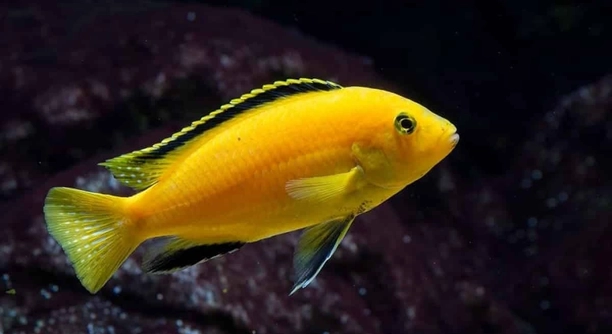
Do you ever notice your cichlid darting behind rocks or staying in one corner of the tank for long periods? These small actions may seem normal, but they often indicate underlying stress that needs attention.
Cichlids exhibit hiding behaviors when they experience stress due to poor water conditions, aggressive tankmates, insufficient shelter, or sudden environmental changes. Recognizing these behaviors is essential for maintaining their health and preventing long-term physiological and psychological harm.
Understanding why your fish hide and identifying the causes can help improve their environment, behavior, and overall well-being in a meaningful way.
Sudden Retreats Behind Decorations
When a cichlid suddenly retreats behind rocks or ornaments, it is often a sign of stress rather than mere curiosity. These hiding spots provide a sense of security, especially when the fish feels threatened by aggressive tankmates or rapid changes in lighting and movement. Frequent sudden retreats can indicate that the environment is overwhelming. It is essential to observe the tank closely to determine triggers, such as overcrowding or incompatible species. Adjusting the layout to include more natural shelters and ensuring a calm environment can help reduce these behaviors. Stress in cichlids is often subtle at first, but repeated hiding can lead to decreased feeding, slower growth, and weakened immune responses. Proper monitoring and small, gradual changes in the tank environment often result in noticeable improvements in behavior and overall health, allowing the fish to regain confidence in exploring open areas.
Frequent retreats behind decorations indicate discomfort and can signal environmental or social stressors needing adjustment for better health.
Creating a stress-free space involves rearranging hiding spots, providing adequate cover, and ensuring compatible tankmates. Avoid sudden lighting changes and maintain stable water conditions. Observing behavior after these changes helps confirm improvement. Gradual acclimation to new decorations or tankmates reduces anxiety and encourages exploration. Offering multiple safe zones prevents territorial conflicts, while monitoring feeding ensures stress has not suppressed appetite. Consistent care, patience, and a calm environment allow cichlids to exhibit natural behaviors without constant hiding. Over time, stress-related hiding should decrease, indicating a healthier, more comfortable habitat where the fish can thrive.
Staying in the Same Corner
Cichlids that remain in the same corner for long periods often feel unsafe or uncertain about their environment. This repetitive hiding can result from poor water quality, insufficient oxygenation, or aggressive companions.
Persistent corner dwelling may indicate long-term stress, requiring careful observation and intervention to restore comfort and normal behavior.
To address this behavior, start by testing water parameters for ammonia, nitrite, and pH levels. Correcting imbalances reduces physiological stress that drives hiding. Ensure proper filtration and aeration to maintain oxygen levels. Observing interactions with other fish can reveal sources of intimidation or territorial disputes, which may require separating aggressive individuals. Introduce gentle changes, like adding plants or visual barriers, to increase security without overwhelming the fish. Feeding schedules should be consistent and encourage movement towards the center of the tank. Over time, cichlids that once stayed confined to corners will gradually explore more freely, demonstrating improved well-being and reduced stress levels in a stable, supportive environment.
Avoiding the Middle of the Tank
Cichlids that avoid open spaces in the middle of the tank are likely stressed. Staying near the edges or behind objects reduces exposure to potential threats and creates a feeling of safety.
Stress from open areas often comes from aggressive tankmates or lack of hiding spots. Adding plants or rocks along the center can provide cover and help the fish feel more comfortable exploring. Gradually, as the environment becomes less threatening, cichlids will venture further into the tank. Careful observation of movement patterns and interactions with other fish is key to understanding their comfort level and making necessary adjustments to encourage natural swimming behavior and reduce anxiety.
Repeated avoidance of open water indicates persistent discomfort, which can affect feeding, growth, and social behavior. Consistent tank monitoring and environmental adjustments help cichlids regain confidence and reduce stress.
Hiding After Feeding
Some cichlids retreat immediately after eating, which can signal stress or insecurity. Even when food is available, hiding may reflect fear or over-caution.
This behavior often occurs in tanks with strong currents or dominant, aggressive fish nearby. When a cichlid feels threatened, it may eat quickly and seek safety rather than staying exposed. Ensuring multiple hiding spots near feeding areas allows fish to eat comfortably without feeling vulnerable. Observing feeding patterns alongside social interactions helps identify triggers, allowing for strategic placement of shelters and separation of overly aggressive tankmates. Over time, consistent, safe feeding routines can reduce post-feeding hiding, promoting healthier digestion and more relaxed behavior in the aquarium.
Remaining Close to the Substrate
Cichlids that stay near the tank bottom often do so to feel secure. This behavior usually signals discomfort with their surroundings or a desire to avoid aggressive tankmates.
Frequent substrate dwelling can indicate stress from poor water quality, overcrowding, or sudden changes.
Rapid Darting into Hiding
Rapid movements followed by immediate hiding are a clear stress indicator. These sudden bursts usually happen when a fish feels threatened or startled.
Observing these reactions helps identify sources of stress, such as aggressive companions or abrupt environmental changes. Providing more shelters and reducing disturbances can lessen these episodes. Regular monitoring and gentle adjustments ensure that cichlids can swim more confidently without constant fear of attack or disruption. Over time, consistent care and a stable environment allow the fish to explore more naturally and reduce panic-driven hiding, promoting overall well-being and calmer behavior.
Hiding During Nighttime
Cichlids may hide more at night if the tank is too bright or lacks safe resting areas. This behavior signals the need for proper lighting and shelter.
Why does my cichlid hide so often?
Cichlids hide frequently when they feel threatened or uncomfortable. Common reasons include aggressive tankmates, sudden changes in water conditions, overcrowding, or lack of hiding spaces. Even subtle changes, like moving decorations or adjusting lighting, can make them retreat. Stress reduces their activity and appetite, so frequent hiding is an early warning sign that adjustments are needed. Ensuring stable water parameters, compatible tankmates, and sufficient shelters encourages natural behavior and reduces stress-driven hiding.
Is hiding always a sign of illness?
Not every hiding behavior indicates illness. Often, it is a response to environmental stress or social tension. However, prolonged hiding accompanied by reduced feeding, faded color, or lethargy may suggest disease. Observing other symptoms like unusual swimming, spots, or fin damage helps distinguish stress from illness. Providing a stable, calm environment and regular water testing can prevent stress-related issues from escalating into health problems.
How can I make my cichlid feel safer?
Providing multiple hiding spots throughout the tank is essential. Rocks, caves, and plants give the fish places to retreat and feel secure. Avoid sudden movements around the tank and maintain stable lighting to reduce anxiety. Separating aggressive fish or reducing crowding helps cichlids feel safer. Gradual environmental changes rather than sudden rearrangements prevent panic and build confidence over time. Consistent feeding routines also create a sense of security and familiarity.
Does tank size affect hiding behavior?
Yes, small or overcrowded tanks can increase stress and hiding behavior. Limited space forces fish into close proximity with each other, intensifying territorial disputes and fear. A larger tank with enough room for each cichlid to establish territory helps reduce anxiety. Adequate space combined with environmental enrichment, such as rocks and plants, encourages natural exploration and decreases excessive hiding.
Can hiding behavior affect my cichlid’s health?
Extended hiding can negatively impact health. Fish that spend too much time in shelters may eat less, leading to weight loss and weakened immunity. Lack of activity can also slow growth and reduce overall vitality. Regular monitoring of behavior, ensuring proper diet, and creating a safe yet stimulating environment helps maintain physical and mental well-being. Stress reduction through consistent care is key to preventing long-term health issues.
What are the signs that hiding is due to stress rather than normal behavior?
Stress-related hiding is usually frequent and persistent, often paired with other behaviors like rapid darting, color changes, or refusal to eat. Normal hiding is occasional, such as resting or exploring a cave. Observing patterns over several days helps distinguish between temporary behavior and chronic stress, allowing timely intervention.
How can I reduce hiding caused by aggressive tankmates?
Separating aggressive fish or creating visual barriers with plants and decorations can reduce tension. Rearranging territories and providing multiple hiding spots ensures all fish have safe areas. Gradual introductions of new tankmates and monitoring interactions help prevent bullying. By reducing social stress, cichlids feel secure and spend more time swimming openly, showing natural behavior.
Will my cichlid eventually stop hiding?
With proper care, adjustments, and a stable environment, many cichlids reduce excessive hiding over time. Patience is crucial, as trust and confidence develop gradually. Monitoring water quality, maintaining compatible tankmates, and providing sufficient shelters ensures that the fish feel secure and explore more naturally. Behavioral improvement is a sign of reduced stress and a healthier habitat.
Are there signs that hiding indicates a serious problem?
If hiding is accompanied by physical symptoms like clamped fins, rapid breathing, weight loss, or discoloration, it may indicate a serious issue. Persistent avoidance of feeding or lethargy requires immediate attention. Diagnosing environmental causes first, followed by observation for disease symptoms, ensures timely care. Early intervention improves outcomes and prevents long-term harm.
Can diet influence hiding behavior?
Poor nutrition or irregular feeding schedules can increase stress and hiding. Fish that feel weak or undernourished are more likely to stay in shelters for safety. Consistent, balanced feeding supports energy levels and confidence, encouraging cichlids to explore and engage in normal behavior. High-quality food and regular portions reduce anxiety and promote overall well-being.
How do I know if hiding is temporary or long-term stress?
Temporary hiding occurs during minor environmental changes, such as new decorations or brief disturbances. Long-term stress is evident when hiding persists despite stable conditions, coupled with reduced activity, appetite loss, or aggression. Consistent observation, gradual adjustments, and improved tank conditions help distinguish between short-term reactions and ongoing stress.
Final thoughts on cichlid hiding behavior highlight the importance of observation and proactive care. Cichlids are naturally cautious fish, and hiding is often part of their instinct. However, frequent or prolonged hiding usually signals stress that needs attention. Factors such as aggressive tankmates, overcrowding, sudden environmental changes, and poor water quality can all contribute. By carefully monitoring your tank and noting patterns in your fish’s behavior, you can better understand what triggers stress. Small adjustments, like adding more shelters or rearranging decorations, can make a noticeable difference in their comfort level and reduce anxiety.
Creating a stable environment is key to minimizing hiding behaviors. Maintaining consistent water parameters, such as temperature, pH, and cleanliness, ensures the fish feel secure. Sudden changes can create fear and increase hiding, even in otherwise healthy cichlids. Tank layout also plays a role. Providing multiple hiding spots, plants, and rocks allows each fish to establish a territory without constant confrontation. Observing social interactions helps identify aggressive or dominant fish, which may need separation. Feeding routines are equally important. Offering consistent, high-quality food in safe areas encourages normal activity and reduces the need for fish to retreat immediately after eating. Over time, these measures help cichlids feel more confident and explore more freely.
Understanding hiding behaviors also supports overall health and longevity. Chronic stress from frequent hiding can reduce appetite, slow growth, and weaken immune systems, making cichlids more vulnerable to disease. Addressing stress early prevents long-term physical and behavioral problems. Gradual, careful adjustments are more effective than sudden changes, allowing fish to adapt without panic. Regular observation and intervention foster a calmer, healthier aquarium. By combining environmental management, social monitoring, and attentive care, you can create a balanced habitat where cichlids feel secure. Reducing hiding not only improves behavior but also enhances overall well-being, allowing your fish to thrive in a stable, supportive tank environment.

Hello,
If you enjoy the content that we create, please consider saying a "Thank You!" by leaving a tip.
Every little bit helps us continue crafting quality advice that supports the health, happiness, and well-being of pets around the world, for pets of all shapes, sizes, and species.
We really appreciate the kindness and support that you show us!