
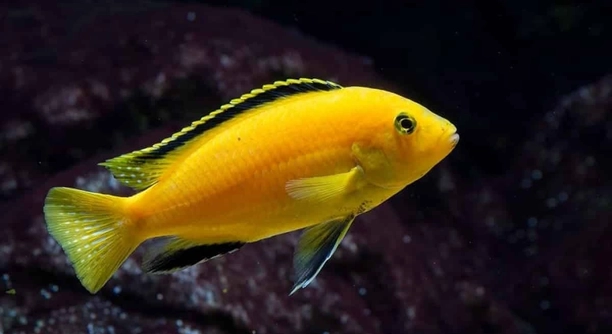
Cichlids are fascinating freshwater fish that show subtle changes in behavior after feeding. Observing them closely can reveal patterns that often go unnoticed. These small shifts can indicate mood, health, and even social interactions within the tank.
After feeding, cichlids often display increased activity around the food area, followed by periods of rest or hiding. Some fish may exhibit territorial behavior, while others engage in social interactions or grooming, reflecting natural post-feeding rhythms and energy distribution.
These behavioral patterns can provide insight into the health and well-being of your fish. Learning to recognize them allows for better care and understanding of cichlid habits.
Increased Activity Near Feeding Area
After feeding, cichlids often gather around the area where food was placed. They swim more actively, chasing any leftover flakes or pellets. Some may dart quickly from one spot to another, showing heightened alertness. This behavior is natural as they check for missed food particles. Observing these movements can help identify dominant individuals in the tank, as they often assert control over the feeding spot. Others hang back, waiting for a chance to approach once the dominant fish lose interest. Over time, these patterns can reveal the hierarchy within the group. Watching the different swimming speeds and interactions allows you to notice which fish are more confident or timid. This information can be helpful for tank management, ensuring all fish get their share of food. Increased activity may also indicate that the fish are healthy and responding well to their environment.
This behavior is normal and indicates that the fish are engaging with their surroundings and each other.
Tracking these interactions consistently can help you adjust feeding times or amounts. Some fish may need extra attention, while others maintain natural social balance without intervention. By paying attention to subtle movements, you gain a clearer picture of your cichlids’ dynamics and overall tank health.
Resting and Hiding After Feeding
Many cichlids retreat to hiding spots or rest quietly after a meal. This is a way to digest food safely.
Post-feeding resting behavior is a standard response in cichlids and is often observed within 20 to 30 minutes after eating. Some fish will settle at the bottom of the tank, while others prefer rock crevices or plant-covered areas. This period of inactivity allows their digestive systems to process the meal efficiently. It also reduces exposure to potential stress from other tank mates. Fish that are new to the tank or more timid may stay hidden longer, while dominant fish may resume patrolling their territories sooner. Understanding these differences can guide feeding strategies, such as providing multiple feeding points or ensuring ample hiding spaces. Monitoring these patterns can also help identify if a fish is experiencing health issues, as prolonged inactivity or unusual hiding may signal stress or illness. Maintaining a balanced tank environment supports natural post-feeding behavior and promotes overall well-being.
Social Interaction Increases
Cichlids often engage with each other more after feeding. This can include gentle nudges, following, or circling other fish. These actions strengthen social bonds and help establish or maintain hierarchy within the tank.
Post-feeding social activity is a natural behavior among cichlids. Fish may swim close to each other, sometimes touching or swimming side by side. This interaction can be a form of communication, signaling dominance, submission, or readiness to explore territory. Observing these moments gives insight into relationships within the tank and can indicate which fish are more confident or more submissive. Social interaction also helps reduce aggression by allowing fish to settle into their pecking order. By recognizing these patterns, adjustments can be made to feeding locations or tank layout to accommodate all fish and reduce stress.
Increased interaction after feeding can also include playful chasing or coordinated swimming. Some fish mimic others’ movements or mirror behaviors, which may help maintain group cohesion. Dominant fish may assert control by guiding weaker ones or blocking access to preferred areas, while less dominant fish learn to navigate these social cues. These subtle behaviors show a complex network of communication. Watching these dynamics over time helps ensure the tank environment supports healthy social behavior. Changes in activity or aggression levels can indicate stress, overfeeding, or environmental adjustments needed, providing actionable insight for proper care.
Grooming and Cleaning Behavior
Cichlids often spend time cleaning themselves or each other after feeding. This includes rubbing against surfaces or nibbling gently at scales.
Grooming behavior is essential for cichlid health. After a meal, fish may remove leftover food particles or parasites from their bodies. This can include using rocks, plants, or decorations to scrape off debris. Some cichlids engage in mutual grooming, which strengthens social bonds while maintaining hygiene. Observing these routines can indicate fish are healthy and comfortable in their environment. If grooming decreases or becomes excessive, it may suggest stress or illness. By ensuring a clean tank and proper feeding, natural grooming patterns are encouraged. Proper observation also allows for early detection of potential health issues.
Territorial Behavior
After feeding, some cichlids become more territorial. They may guard certain areas or chase others away from food spots to protect their resources.
Territorial behavior is a normal response in cichlids. Dominant fish often patrol their section of the tank and assert control, while submissive fish avoid conflict. This helps maintain order within the group.
Energy Redistribution
Post-feeding, cichlids often adjust their energy use. Some slow down and rest, while others swim actively around the tank, balancing digestion with movement. This shift helps them maintain stamina and supports healthy metabolism.
Alertness Changes
Cichlids display increased alertness immediately after eating. They watch their surroundings carefully, reacting to movements and potential disturbances. This heightened awareness helps them stay safe while digesting food.
FAQ
Why do some cichlids hide immediately after feeding?
Hiding after feeding is a natural behavior for many cichlids. This allows them to digest food safely and reduces exposure to more dominant fish. Timid or newly introduced fish often hide longer, while established or confident individuals resume normal swimming sooner. Providing plenty of hiding spots ensures all fish feel secure.
Is it normal for cichlids to fight after feeding?
Yes, post-feeding skirmishes are common. Dominant fish may assert control over feeding areas, chasing or nudging others. These brief conflicts are part of establishing hierarchy and rarely result in injury if the tank is large enough and provides hiding spaces. Observing patterns can help manage aggression.
Why do cichlids swim in circles or follow each other after eating?
This behavior is often a form of social interaction or play. Following and circling can reinforce social bonds, establish pecking order, or simply allow fish to expend excess energy after feeding. Coordinated movement also shows that the group is healthy and attentive to each other.
Do all cichlids become more active after eating?
Not always. Activity levels vary depending on species, age, and temperament. Some cichlids rest immediately, while others swim energetically. Monitoring individual patterns helps identify normal behavior versus stress or illness. Energy shifts post-feeding are part of their natural routine.
Why do cichlids groom themselves or each other after feeding?
Grooming helps remove leftover food and maintain hygiene. Some cichlids engage in mutual grooming, which strengthens social bonds. Regular observation ensures that grooming is balanced; excessive or absent grooming may signal stress or health issues. Clean tank conditions support healthy behavior.
Can feeding times influence territorial behavior?
Yes, the timing and method of feeding can impact how territorial fish behave. Sudden or uneven feeding may increase aggressive displays, while distributing food evenly across the tank can reduce conflicts. Observing patterns helps optimize feeding strategy for a balanced environment.
Why do some cichlids seem more alert after meals?
Heightened alertness after eating is a survival mechanism. Fish remain aware of their surroundings while digesting, protecting themselves from potential threats. Dominant fish may patrol more, while submissive fish stay cautious. Awareness levels provide insight into comfort and stress within the tank.
Do cichlids need extra space after feeding?
Extra space can reduce conflicts and support digestion. Providing open swimming areas along with hiding spots allows both dominant and timid fish to move freely without stress. Proper tank design helps maintain calm and healthy post-feeding behavior.
How can I tell if my cichlids are stressed after feeding?
Signs include excessive hiding, erratic swimming, loss of appetite, or aggressive chasing that escalates beyond brief interactions. Tracking normal patterns allows early detection of stress. Adjusting feeding routines, tank layout, or tank mates can reduce tension.
Is it important to observe subtle post-feeding behaviors?
Yes, small shifts in swimming, social interaction, or resting provide insight into fish health and tank dynamics. Understanding these behaviors helps maintain a balanced environment, ensures proper nutrition, and allows early intervention if issues arise.
Can changes in behavior indicate illness?
Behavioral changes like reduced movement, lack of grooming, or persistent hiding may signal health problems. Observing normal post-feeding patterns helps distinguish between typical behavior and potential illness. Prompt attention to unusual activity supports long-term fish health.
Do younger cichlids behave differently than older ones after feeding?
Yes, younger fish tend to be more active and curious, often exploring and following others. Older fish may focus on resting or grooming. These differences reflect energy levels and social hierarchy, providing clues to each fish’s needs and comfort.
Should I adjust feeding based on behavior?
Adjusting feeding times, quantity, or distribution can reduce stress and aggression. Watching fish post-feeding helps identify which individuals need extra food or space, ensuring all fish remain healthy and active. Proper feeding strategies encourage natural behavior while minimizing conflicts.
How long do post-feeding behaviors typically last?
Post-feeding activity varies by species and individual fish. Most changes, such as heightened alertness, social interaction, or resting, last between 15 and 45 minutes. Extended inactivity or persistent aggression may indicate other factors, including health issues or environmental stress.
What role does the tank environment play in post-feeding behavior?
Tank size, decoration, hiding spots, and water quality all influence how cichlids behave after feeding. A well-structured environment supports natural activity, reduces stress, and encourages healthy social interaction. Observing behavior helps identify if the setup meets their needs.
Can feeding frequency impact behavior patterns?
Yes, frequent or irregular feeding can change energy levels, territorial displays, and social interactions. Consistent feeding routines help maintain predictable behavior and overall tank harmony, making it easier to monitor fish health and social dynamics.
Why do some cichlids nibble on decorations or substrate after feeding?
Nibbling or scraping surfaces helps remove food particles and may mimic natural foraging behavior. This activity contributes to digestion and hygiene while allowing fish to engage with their environment. Monitoring frequency ensures it remains normal rather than stress-driven.
How can I encourage positive post-feeding behavior?
Providing evenly distributed food, ample space, and hiding spots promotes calm, healthy interactions. Observing normal patterns allows adjustments to tank setup or feeding techniques to ensure all fish thrive. Consistent care encourages natural behaviors without unnecessary stress.
Do all cichlid species show the same post-feeding behavior?
No, species differences are significant. Some are more aggressive, active, or social, while others focus on hiding or resting. Knowing species-specific tendencies helps interpret behavior correctly and manage the tank effectively.
Can observing post-feeding behavior improve overall care?
Yes, tracking these subtle shifts offers insight into health, social hierarchy, and environmental needs. Recognizing normal versus unusual behavior allows proactive care, creating a balanced and thriving tank ecosystem.
Final Thoughts
Observing cichlids after feeding can reveal many details about their health, behavior, and social structure. These fish display subtle shifts that are often easy to miss if you only watch them during active swimming. Some fish may become more alert, patrolling the tank or investigating their surroundings, while others take time to rest or hide. Noticing these differences helps you understand which fish are dominant and which are more timid. Over time, tracking these patterns can give you a clear picture of how each individual behaves, which can be very useful for managing tank dynamics. Being aware of these small changes can also help prevent problems like overfeeding, aggression, or stress in the tank.
Post-feeding behaviors like grooming, territorial displays, or social interaction are all part of a cichlid’s natural routine. Grooming is important to remove leftover food and maintain healthy scales, while social interactions help reinforce group hierarchy. Some fish will circle or follow each other, which may look like playful activity but serves a purpose in communication and coordination. Territorial displays are normal and usually short, but they are important for keeping order in the tank. Even resting and hiding are meaningful behaviors, allowing fish to digest food safely and avoid conflict. Recognizing these patterns allows you to provide a balanced environment, with enough space, hiding spots, and food distribution to meet the needs of all fish.
Understanding these subtle behaviors ultimately improves your ability to care for cichlids effectively. When you can recognize normal post-feeding patterns, you can quickly identify unusual behavior that might indicate illness, stress, or environmental issues. Providing a stable feeding schedule, clean tank conditions, and adequate space supports healthy behavior and reduces unnecessary aggression. Observing your fish closely also creates a stronger connection with them, making it easier to notice changes in health or mood. Paying attention to these details allows for proactive care and ensures that your cichlids remain healthy, active, and well-adjusted in their environment. It also encourages a calm, balanced tank where all fish can thrive.

Hello,
If you enjoy the content that we create, please consider saying a "Thank You!" by leaving a tip.
Every little bit helps us continue crafting quality advice that supports the health, happiness, and well-being of pets around the world, for pets of all shapes, sizes, and species.
We really appreciate the kindness and support that you show us!