
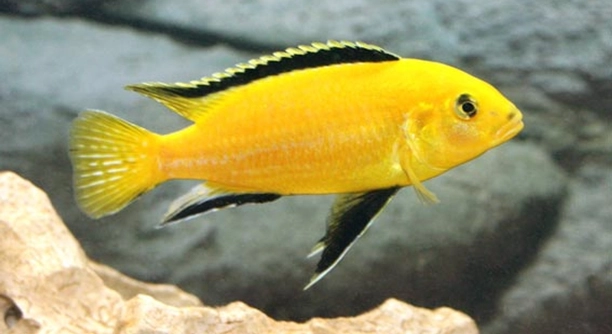
Cichlids are fascinating fish that often show strong personalities. Observing their behavior can help you understand how they interact with their environment and with other tank mates. Some cichlids need more space than others.
Cichlids may claim more space by displaying territorial behaviors, such as chasing tank mates, rearranging decorations, or asserting dominance over feeding areas. Recognizing these signs early can prevent stress and maintain a balanced aquarium environment.
Noticing these behaviors helps ensure a peaceful tank. Learning how cichlids claim territory can improve their overall well-being and your enjoyment as an owner.
Chasing and Nipping at Tank Mates
Some cichlids show their need for more space by chasing or nipping at other fish. This behavior can start subtly, with short bursts of movement toward a tank mate. Over time, it can become more frequent and aggressive. Watching for repeated chasing patterns helps identify which fish may feel crowded. Territorial displays often intensify during feeding or when new decorations are added. Fish that were calm before may suddenly show dominance when their perceived space is threatened. In some cases, even fish of similar size can become targets. Keeping track of interactions during different times of the day provides insight. Observation helps determine if a tank rearrangement or additional hiding spots might reduce tension. A proactive approach prevents stress and injury among fish. Understanding the social hierarchy in the tank is key to managing behavior effectively.
Aggressive chasing usually signals a need for more space. Early intervention can reduce stress and maintain harmony in your aquarium.
Addressing chasing behavior often requires small adjustments in tank layout and stocking. Adding rocks, plants, or partitions creates boundaries and visual breaks. Rearranging decorations periodically can help reduce fixed territories. If aggression continues, separating the most aggressive individuals temporarily may be necessary. Monitoring water quality and feeding schedules also reduces competition, as hungry or stressed fish tend to show more territorial behavior. Consistent observation and subtle interventions are effective ways to maintain peace, while supporting natural cichlid behaviors.
Guarding Specific Areas
Cichlids often claim specific zones like caves or corners of the tank. These areas become centers of activity where they spend most of their time, defending aggressively.
When a fish guards a particular spot, it may refuse to leave for feeding or social interaction. Such behavior is more pronounced in breeding pairs.
Guarding specific areas is a clear sign of territorial behavior. It helps the fish feel secure, but it can affect the rest of the tank’s balance. Observing which areas are consistently guarded can guide adjustments. Moving decor or adding more hiding spaces may redistribute attention and reduce stress. Territorial marking includes digging or moving substrate to reinforce control over the area. Maintaining a comfortable and varied environment minimizes conflicts and ensures every fish has space to thrive. Over time, small changes can result in calmer interactions, allowing multiple cichlids to coexist without constant confrontation. Watching patterns over weeks gives a clearer understanding of natural territorial boundaries.
Rearranging Decorations
Cichlids often move rocks, plants, or other decorations to mark their territory. This behavior signals their need for more space and control over the tank environment.
Rearranging decorations can start with small shifts, like nudging a plant or moving a rock slightly. Over time, it may escalate to clearing areas entirely, creating open zones that feel “owned” by the fish. This is common in tanks with limited hiding spots or high competition. Monitoring which items are frequently moved can reveal the fish’s preferred boundaries. Adjusting the tank layout to provide multiple areas for hiding and resting helps reduce stress. By creating a more structured environment, cichlids feel secure and less likely to disrupt each other. Observation and patience are essential to manage this behavior effectively.
Fish may also dig into substrate to reinforce their territory. Watching for repeated digging or decoration shifts shows where they feel most comfortable.
Dominance During Feeding
Cichlids can assert dominance by controlling access to food. Some fish may chase others away or guard feeding zones aggressively.
Dominance during feeding often results in uneven food distribution, where more timid fish struggle to eat. Establishing multiple feeding points or scattering food across the tank encourages all fish to access meals without confrontation. Aggressive individuals may still claim the best spots, but providing alternatives reduces stress and competition. Consistency in feeding schedules also helps fish understand routines, minimizing surprise conflicts. Watching interactions carefully allows small adjustments before problems escalate. Recognizing dominant behavior early ensures a balanced environment for all fish, preventing long-term health and behavioral issues.
During feeding times, the assertive fish often positions itself near the center of activity. Smaller or less confident fish may retreat, highlighting social hierarchies within the tank. Providing hiding spots and distributing food evenly can mitigate constant disputes.
Digging and Moving Substrate
Cichlids often dig in the substrate to create a personal space. This behavior marks their territory and shows their desire for more control over the tank environment.
Substrate digging can disturb plants or decorations, but it is a natural way for cichlids to feel secure.
Hiding in Specific Spots
Some cichlids spend most of their time in a particular cave or under a rock. They use these spots as safe zones and defend them against others.
By choosing a favorite hiding spot, the fish establishes a clear territory. Providing multiple hiding places can reduce tension and allow other fish to share the tank without conflict. Observing which spots are most guarded helps understand the fish’s spatial preferences. Consistent patterns indicate strong territorial behavior, which may require rearranging the environment to maintain balance.
Raised Fins and Displays
Cichlids often flare their fins or display bright colors to assert dominance. This signaling helps communicate ownership of space to others.
Chasing Shadows and Reflections
Some cichlids react aggressively to their own reflection or moving shadows. This behavior is another way they claim territory and show dominance.
How can I tell if my cichlid is too territorial?
A cichlid that frequently chases other fish, guards specific areas, or rearranges decorations is showing territorial behavior. Subtle signs include flaring fins, digging in the substrate, or controlling feeding spots. Watching daily interactions helps identify patterns. Consistent dominance or stress in other fish indicates your cichlid may need more space.
What changes can I make in the tank to reduce territorial behavior?
Adding more hiding spots like rocks, caves, or plants helps distribute fish and reduce conflicts. Rearranging decorations periodically prevents fixed territories. Increasing tank size, if possible, gives all fish more room to coexist. Multiple feeding points also reduce competition and aggression during mealtime.
Is this behavior normal for all cichlids?
Most cichlids are naturally territorial, especially during breeding or when they feel stressed. Some species are more aggressive than others, but all benefit from having clearly defined spaces. Recognizing species-specific behavior helps manage the tank better and prevents injury or stress.
Should I separate aggressive cichlids from others?
Separation can be necessary if aggression is severe and other interventions don’t work. Using a divider temporarily or moving the most aggressive fish to a different tank can prevent injuries. Monitoring interactions before and after separation helps gauge whether the solution is effective.
Can rearranging decorations really reduce fights?
Yes, rearranging decorations can break up established territories. It forces fish to adapt to new boundaries and reduces the likelihood of repeated aggression. Subtle changes in plant placement, rocks, or substrate layout create new zones for hiding and resting, helping to restore balance.
How do feeding habits affect territorial behavior?
Feeding can trigger aggression if one fish dominates food areas. Providing multiple feeding points and scattering food ensures all fish have access. Consistent feeding times also reduce stress. Over time, less dominant fish become more confident, and dominant fish are less likely to guard aggressively.
Do reflections or shadows cause aggression?
Cichlids may react to their reflection or moving shadows as if another fish is invading their space. Covering reflective surfaces or adjusting lighting can minimize these false triggers. Observing patterns helps determine if the behavior is environmental rather than social.
How do I know if a cichlid’s territory is harming others?
Signs include injured or stressed fish, uneven growth, or hiding constantly. Monitoring interactions during feeding and rest periods shows which fish are affected. If aggression persists despite environmental changes, intervention is necessary to maintain a healthy and balanced tank.
Are territorial behaviors temporary or permanent?
Territorial behavior can be situational, often increasing during breeding or stress. However, consistent patterns usually indicate a long-term hierarchy. Understanding when aggression peaks and providing resources or space helps manage behavior without constant intervention.
Can I prevent territorial behavior from developing?
While natural instincts cannot be fully removed, proper tank setup, adequate space, and multiple hiding spots reduce extreme behaviors. Choosing compatible species and monitoring early interactions allows you to address issues before they escalate, keeping the tank peaceful and safe for all inhabitants.
How can I safely observe territorial behavior?
Observe at different times of day, during feeding, and after rearranging the tank. Note which fish dominate certain areas or consistently chase others. Documenting behavior over time helps identify patterns, making it easier to implement solutions that maintain balance and reduce stress.
What role does tank size play in territorial behavior?
A larger tank allows fish to establish territories without constantly encountering one another. Limited space intensifies competition for hiding spots, food, and prime swimming areas. Increasing tank size or adding partitions can significantly reduce aggression and improve social harmony among cichlids.
Are there signs that a cichlid is stressed from territory disputes?
Stress signs include hiding excessively, loss of appetite, faded colors, or lethargy. If these signs appear alongside frequent chasing or guarding, the tank may need adjustments. Providing more space, hiding spots, or separating aggressive fish reduces stress and promotes healthier behavior.
Can breeding increase territorial behavior?
Yes, breeding pairs become highly protective of their chosen area. They guard nests, chase intruders, and rearrange their surroundings to create safe zones. Providing additional space and visual barriers reduces conflicts and ensures that other fish can coexist safely during this period.
Is it normal for cichlids to rearrange the substrate repeatedly?
Yes, substrate rearranging is a natural way to mark territory. It may include digging, moving gravel, or creating pits. While it can be disruptive to plants or decorations, it indicates that the fish is establishing control over its environment. Providing multiple areas for digging reduces tension.
How long does it take for territorial behavior to stabilize?
Stabilization depends on species, tank size, and environment. Some fish establish territories within days, while others may take weeks. Consistent observation, tank adjustments, and providing adequate hiding spots help accelerate balance and reduce ongoing aggression.
Can multiple aggressive cichlids coexist?
Yes, with proper planning. Ensuring sufficient space, multiple hiding areas, and evenly distributed food helps maintain harmony. Careful monitoring and intervention when conflicts arise are essential. Mixing species with compatible temperaments also improves coexistence without constant dominance disputes.
Do water conditions affect territorial behavior?
Poor water quality increases stress, which can heighten aggression. Maintaining stable temperature, pH, and clean water reduces tension. Stress-free fish are less likely to guard aggressively and more likely to interact calmly with tank mates.
Understanding cichlid behavior is important for keeping a peaceful and healthy aquarium. These fish naturally show territorial tendencies, and recognizing the signs early can prevent stress and injury. Aggressive chasing, guarding specific areas, rearranging decorations, and controlling feeding spots are all common behaviors that indicate a cichlid may be claiming more space. Paying attention to these patterns allows owners to make changes in the tank that can reduce conflict. Observation is key. Noticing when and where behaviors occur, which fish are affected, and how severe the aggression is helps guide adjustments. These changes do not have to be drastic. Small modifications in tank layout, hiding spots, or feeding routines can make a significant difference in maintaining harmony among fish. Understanding your fish’s natural instincts also helps set realistic expectations about their behavior.
Providing adequate space is one of the most effective ways to reduce territorial behavior. A larger tank gives each cichlid room to establish a personal area without constantly encountering other fish. When tank size is limited, conflicts are more likely, and even small decorations or hiding spots can become points of tension. Adding multiple caves, plants, or visual barriers helps divide the environment into zones, allowing fish to feel secure without dominating one another. Changing the layout periodically can prevent fixed territories from forming and encourages fish to explore different areas. Multiple feeding points also reduce competition during mealtime, helping timid fish get food without being chased. Even temporary separation of aggressive individuals can be effective in extreme cases, allowing calmer interactions to resume once space or environmental changes have been made.
Cichlids are intelligent and responsive creatures, and with careful attention, their environment can be adapted to minimize stress and aggression. Creating a balanced tank benefits all inhabitants, ensuring that every fish has access to space, food, and hiding spots. Monitoring behavior consistently is essential, as changes can occur gradually, and early interventions prevent small issues from becoming larger problems. It is important to remember that territorial behavior is natural and not necessarily a sign of poor care. By providing structure, space, and enrichment, owners can support cichlids’ instincts while maintaining a peaceful tank. Over time, these adjustments create a more harmonious environment, making the aquarium enjoyable for both the fish and the owner. Being patient and observant allows you to respond to changes as they arise, and understanding cichlid behavior helps maintain long-term health and well-being for all tank inhabitants.

Hello,
If you enjoy the content that we create, please consider saying a "Thank You!" by leaving a tip.
Every little bit helps us continue crafting quality advice that supports the health, happiness, and well-being of pets around the world, for pets of all shapes, sizes, and species.
We really appreciate the kindness and support that you show us!