
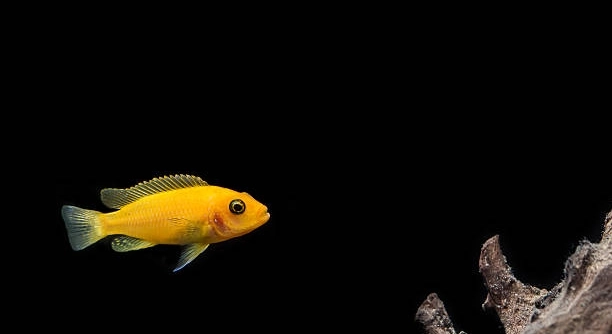
Many aquarists enjoy observing social dynamics in their fish tanks, noticing how different species interact. Some fish naturally reduce tension and maintain harmony among their group, quietly keeping conflicts from escalating and helping the community thrive.
Peacekeeper fish can be identified by their consistent calm behavior, avoidance of aggressive encounters, and tendency to mediate conflicts between more dominant individuals. They often swim near the center of the group, acting as stabilizers within the aquatic environment.
Recognizing these subtle behaviors can improve your understanding of tank harmony and help maintain a balanced, peaceful aquatic community.
Observing Swimming Patterns
Watching how fish move within the tank can reveal a lot about their behavior. Peacekeeper fish often maintain a steady pace, avoiding sudden bursts of speed or chasing others. They usually stay in the middle of the group, rather than hiding in corners or darting to the surface. Their movements are predictable, calm, and measured, which naturally helps reduce stress for other fish. You may notice they swim alongside more aggressive species without reacting to provocation. Even when conflicts arise, these fish position themselves between opponents, subtly interrupting tension without direct confrontation. They are rarely involved in feeding skirmishes, instead allowing dominant fish to take the lead while they maintain a supportive presence. Over time, observing these patterns will make it easier to identify which fish are contributing to a peaceful environment, helping you manage the tank more effectively and ensuring harmony remains consistent across the group.
Peacekeeper fish often swim steadily, keeping the group together and avoiding sudden, aggressive movements.
Consistency in swimming patterns signals a stabilizing presence, helping other fish feel secure while conflicts are naturally minimized and group cohesion improves.
Monitoring Feeding Behavior
During feeding times, peacekeeper fish rarely compete aggressively for food.
They often hang back, letting more dominant fish eat first while calmly taking smaller portions. This behavior reduces tension during a high-stakes moment in the tank. Watching how fish respond to food provides insight into social hierarchy and stress levels. Fish that consistently avoid confrontations, circle calmly, and maintain their distance are likely peacekeepers. Their approach ensures that all fish get access to food without escalating aggression. Over several feedings, this behavior becomes noticeable as a pattern. It is subtle but reliable for identifying fish that contribute to the stability of the group. Peacekeepers may also act as intermediaries when disputes arise around food, moving gently between competing fish and defusing potential skirmishes. By paying attention to these moments, you can better understand which individuals naturally encourage calm and reduce stress in the tank, which is crucial for maintaining a balanced and healthy aquatic environment over time.
Interaction With Other Fish
Peacekeeper fish rarely provoke others and tend to stay neutral during disputes. They interact calmly, often swimming alongside multiple species without triggering aggression or stress.
They serve as subtle mediators, moving gently between more aggressive fish and helping to reduce tension. Their calm demeanor encourages harmony, and they rarely take sides during conflicts. Observing these interactions over time makes it clear which fish consistently contribute to group stability. Peacekeepers may also respond to signals from stressed fish, adjusting their position or movement to ease agitation. This behavior strengthens group cohesion, ensuring that dominant and subordinate fish can coexist without constant conflict, which benefits the overall tank environment.
These fish often provide reassurance through presence rather than action. By maintaining close proximity to different species, they create a sense of security, promoting a more balanced and peaceful tank environment. Their influence is subtle but crucial.
Response to Environmental Changes
Peacekeeper fish adjust calmly to new decorations, temperature shifts, or other changes in their habitat, avoiding panic or aggressive reactions.
Their ability to adapt quickly without stress helps maintain overall stability in the tank. While some fish may hide, chase, or become irritable when conditions change, peacekeepers remain composed, continuing normal swimming and feeding patterns. This consistent behavior provides a model for other fish, reducing anxiety throughout the group. Over time, these fish demonstrate resilience, showing that a calm response to environmental changes can prevent conflicts. Observing their reactions to minor disturbances makes it easier to identify which individuals contribute to long-term harmony and helps in making adjustments to maintain a healthy, stable aquatic environment.
Position in the Tank
Peacekeeper fish usually occupy the center of the group, avoiding corners or isolated areas. Their central position allows them to observe and gently influence interactions without becoming a target.
By staying in the middle, they can monitor aggressive behavior and respond quickly to rising tension. This positioning helps maintain balance, as their presence naturally calms surrounding fish and prevents conflicts from escalating.
Reaction to Aggression
Peacekeepers rarely retaliate when confronted by aggressive fish. Their responses are measured and non-threatening, which often diffuses potential fights.
They may subtly position themselves between opponents or swim away calmly, preventing escalation. This behavior reduces stress across the tank, ensuring other fish feel safer. Their consistent restraint highlights their role as stabilizers in group dynamics.
Consistency in Daily Behavior
Peacekeeper fish exhibit predictable daily routines, swimming, feeding, and resting at regular intervals. Their stable behavior contrasts with more reactive fish, creating a calming influence on the group. This consistency allows the tank environment to remain orderly. Fish that are reliable in their actions contribute indirectly to reduced stress levels and improved social cohesion. By maintaining routine activities without sudden bursts of movement or aggression, these fish help set a rhythm for the group. Observing these patterns over time can clearly identify which individuals act as natural moderators, supporting harmony and stability across the aquatic community.
Subtle Communication
Peacekeepers often use body language or gentle movements to signal calm. Their quiet communication encourages peaceful interactions and prevents escalation.
FAQ
What makes a fish a peacekeeper in a group?
A peacekeeper fish demonstrates calm, consistent behavior that helps reduce tension among other fish. They avoid aggressive interactions, mediate conflicts subtly, and maintain a balanced presence in the group. Their behavior is predictable, and they rarely compete aggressively for food or territory. By staying neutral and observant, these fish create a more harmonious environment for everyone in the tank.
How can I identify peacekeeper fish during feeding?
Peacekeeper fish often hang back while more dominant fish eat first. They take smaller portions calmly, avoiding confrontations. Their restraint ensures feeding time does not escalate into conflict, and their consistent calmness during these moments signals their stabilizing role within the group. Over time, these behaviors become easier to notice.
Do peacekeeper fish interact differently with aggressive species?
Yes. Peacekeepers generally maintain a calm distance from aggressive fish and rarely retaliate when provoked. They may position themselves between quarreling individuals to diffuse tension or swim away calmly if needed. This measured response prevents escalation and promotes a sense of safety throughout the tank.
Can a peacekeeper fish influence the behavior of others?
Absolutely. Their calm presence can encourage other fish to reduce aggressive tendencies. By consistently modeling non-aggressive behavior, they help establish a more relaxed social hierarchy. Other fish often adjust their actions in response, creating a more balanced and peaceful community overall.
Do peacekeepers change behavior with environmental stress?
Peacekeeper fish tend to adapt calmly to changes such as new decorations, shifts in temperature, or minor disturbances. They rarely panic or become aggressive, which helps maintain stability in the tank. Observing these responses over time is a reliable way to identify which fish naturally contribute to group harmony.
Are peacekeeper traits consistent across different species?
While behavior varies by species, the core traits—calmness, neutrality, and conflict mediation—remain consistent. Fish with these traits, regardless of species, help maintain balance within mixed-species tanks. Understanding these behaviors allows aquarists to predict which fish will act as stabilizers.
How important are peacekeeper fish for a healthy tank?
They play a critical role. By reducing stress and preventing frequent fights, peacekeepers contribute to overall fish health. Less stress leads to fewer injuries, lower disease risk, and improved feeding dynamics. Tanks with peacekeepers are often more visually balanced and easier to manage for long-term care.
Can a fish lose its peacekeeper status?
Yes. Stress, illness, or changes in social hierarchy can alter behavior. A normally calm fish may become more aggressive or withdrawn under certain conditions. Continuous observation is necessary to ensure that fish maintaining peacekeeping roles are still contributing effectively to tank harmony.
How do peacekeepers respond to new tank mates?
Peacekeeper fish generally introduce themselves calmly, avoiding direct confrontations. They monitor interactions between new and existing fish, subtly guiding behavior if tensions rise. Their non-threatening presence helps newcomers adjust without triggering aggression from established fish.
Are there specific species known for peacekeeping?
Some species, like certain tetras, gouramis, and corydoras, often exhibit peacekeeping traits. However, behavior can vary among individuals, so it’s important to observe each fish. Identifying peacekeepers requires attention to consistent calmness, mediating behavior, and avoidance of unnecessary conflict.
How can I encourage peacekeeping behavior in my tank?
Maintaining a stable environment with regular feeding schedules, proper tank size, and minimal disturbances encourages peacekeeping behavior. Providing hiding spaces and visual barriers also reduces stress, allowing calm fish to maintain their stabilizing role. Consistency and observation are key to supporting these behaviors effectively.
What signs indicate a fish is not a peacekeeper?
Aggression, frequent chasing, territorial disputes, or constant competition for food are signs a fish is not acting as a peacekeeper. These behaviors increase tension and disrupt harmony, making it easier to identify which fish do not contribute to a balanced tank environment.
Can peacekeepers coexist with aggressive species long-term?
Yes, as long as the tank is properly managed. Peacekeepers can adapt to aggressive neighbors, helping prevent escalation. Monitoring interactions, providing sufficient space, and maintaining feeding routines are essential to ensure that peacekeepers can continue their stabilizing role without being stressed or harmed.
Do peacekeepers require special care?
Not specifically. Their main needs are the same as other fish: proper diet, clean water, and a stable environment. Supporting their natural behavior by minimizing tank stress allows them to maintain their important role in promoting group harmony.
Is it possible to have multiple peacekeepers in one tank?
Absolutely. Multiple peacekeepers can complement each other, further reducing conflicts and promoting calm group behavior. However, balance is important; too many dominant or overly calm fish can shift dynamics. Observation and adjustments ensure that peacekeepers continue to support a harmonious environment effectively.
Peacekeeper fish play an essential role in maintaining calm within a group. They are not the loudest or most noticeable fish, but their subtle behaviors significantly impact the overall harmony of a tank. By avoiding aggression, mediating disputes, and staying neutral, they help create a stable environment where all fish can coexist peacefully. Observing their actions closely allows aquarists to identify which individuals contribute to balance and which may need attention. These fish demonstrate that sometimes influence comes not from dominance but from calm, consistent behavior, showing the value of subtlety in group dynamics. Over time, their presence reduces stress levels across the tank and prevents frequent fights, which benefits both the physical and mental well-being of all fish.
Peacekeepers also serve as models for other fish, guiding interactions through example rather than force. Their predictable routines, steady swimming patterns, and non-competitive feeding habits provide a framework for others to follow. Fish that might otherwise be more aggressive or anxious often mirror the calm behavior of peacekeepers, creating a more cohesive social structure. Additionally, peacekeepers are adaptable, responding to environmental changes without panic. Whether new decorations are added, water conditions shift, or new fish are introduced, these individuals maintain composure and help the rest of the group adjust smoothly. Their consistent, stable behavior reinforces safety in the tank, showing that balance and patience often outweigh aggression or dominance in establishing group stability.
Understanding and supporting peacekeeper fish can improve both the management and enjoyment of a tank. By providing a stable environment, proper feeding schedules, and sufficient space, aquarists allow these fish to fulfill their role effectively. Recognizing their contributions also highlights the importance of observation and awareness in fishkeeping, as their behaviors may be subtle but are crucial to harmony. Encouraging peacekeeping behaviors benefits all fish, reduces stress, and creates a healthier, more enjoyable aquatic environment. These fish demonstrate that even quiet, unobtrusive individuals can have a major influence on group dynamics, reminding us that stability often comes from calm, consistent actions rather than overt dominance or conflict.

Hello,
If you enjoy the content that we create, please consider saying a "Thank You!" by leaving a tip.
Every little bit helps us continue crafting quality advice that supports the health, happiness, and well-being of pets around the world, for pets of all shapes, sizes, and species.
We really appreciate the kindness and support that you show us!