
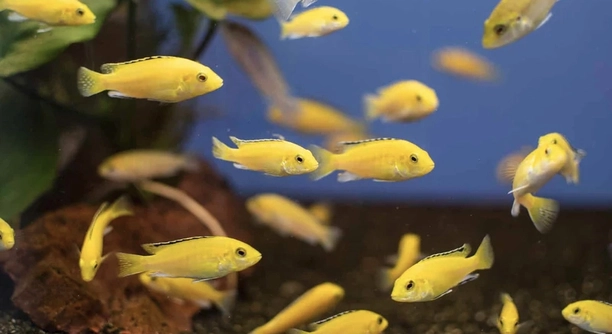
Cichlids are colorful and lively fish that many people keep in home aquariums. Their movements are often graceful, but subtle changes in swimming style can reflect their moods or reactions to the environment.
Cichlids display a variety of emotions through specific swimming patterns. Rapid darting can indicate stress, while slow, deliberate movements often reflect calmness or curiosity. Territorial or aggressive behavior is marked by sudden lunges or circular swimming around objects.
Recognizing these swimming cues can improve how you care for your fish. Observing these patterns helps you understand their emotional state and create a more comfortable environment for them.
Calm and Relaxed Swimming
When cichlids swim slowly near the bottom or mid-level of the tank, it usually indicates they are calm and comfortable. Their fins move gently, and their movements are steady without sudden bursts. You may notice them gliding past decorations or hovering around familiar areas, showing they feel safe in their environment. Calm swimming often happens after feeding or when the tank conditions are stable, including water temperature, pH, and cleanliness. This relaxed behavior allows them to conserve energy while remaining alert to minor changes in the tank. Observing this type of movement over several days can help you identify when a fish feels secure versus when it might be stressed. Changes in swimming style can serve as early warnings to adjust care routines. Providing hiding spots, maintaining proper water parameters, and avoiding sudden disturbances all contribute to promoting calm behavior. This type of swimming is a positive sign of well-being.
Calm swimming indicates the fish feels safe and content. Gentle, steady movements without abrupt changes show comfort and low stress levels in their environment.
Watching your cichlids move slowly can make caring for them more rewarding. Recognizing their calm patterns helps you maintain a peaceful tank and respond appropriately if behavior changes, ensuring their health and comfort are supported consistently.
Aggressive and Territorial Swimming
Aggressive swimming often appears as rapid darting or chasing other fish around the tank.
Cichlids can be highly territorial, especially in confined spaces or during breeding periods. They may circle objects or other fish repeatedly, flare their fins, and make quick lunges. This behavior is a way of establishing dominance and protecting resources such as food, breeding areas, or hiding spots. Tank size and layout can influence how frequently this occurs. Overcrowding or lack of decorations can heighten aggression because fish have fewer places to retreat. Observing these patterns helps you manage tank dynamics, separating overly aggressive individuals if necessary. Feeding schedules can also impact behavior; well-fed cichlids tend to display less intense aggression compared to hungry fish. Understanding and recognizing these swimming styles ensures that you can maintain harmony, reduce stress, and create an environment where each fish has enough space and resources. Proper observation and intervention prevent injuries and long-term stress for your fish.
Nervous and Hesitant Swimming
Nervous swimming often appears as frequent stops and starts. Cichlids may hover in one spot, dart quickly, then pause again. This indicates uncertainty or mild stress in their environment.
Fish exhibiting nervous behavior may be adjusting to new tank conditions or unfamiliar tank mates. Sudden movements, loud noises, or rapid changes in light can trigger these responses. You may notice them hiding behind rocks or decorations and swimming in short bursts rather than smoothly across open areas. Water quality also plays a role; poor conditions often make fish uneasy. Observing these cues helps you identify environmental stressors and take action to reduce anxiety. Adjusting water temperature, ensuring proper filtration, and providing sufficient hiding spots can alleviate nervous behavior and encourage steadier swimming patterns.
Persistent nervous swimming can impact feeding and health. Providing stability in their tank environment, minimizing disturbances, and monitoring water conditions supports calmer behavior. Over time, cichlids tend to regain confidence and resume natural swimming patterns when conditions are favorable.
Excited and Playful Swimming
Excited swimming usually involves sudden bursts of speed and frequent changes in direction, often around other fish or objects.
Cichlids show playful behavior when exploring new items in the tank, interacting with tank mates, or reacting to feeding time. Rapid circling, short sprints, and tail flicks are common signs of excitement. This behavior is not aggressive but indicates high energy and engagement with the surroundings. Playful swimming is often seen in young or healthy fish with plenty of space to explore. Providing enrichment, such as floating objects or new hiding spots, encourages this type of activity. Watching these moments can be entertaining and reveals the fish’s curiosity and alertness. Maintaining a balanced diet and clean water supports their energy levels and overall well-being.
Encouraging playful swimming helps cichlids remain active and mentally stimulated. Observing patterns of bursts and sudden movements allows you to gauge their energy and overall comfort. Proper tank setup and enrichment prevent boredom, reduce stress, and enhance natural behaviors. Ensuring safe, adequate space is essential for their movement, letting them enjoy a lively, engaging environment without risk of injury or conflict.
Stressed and Frantic Swimming
Stressed cichlids often swim erratically, with rapid changes in direction. They may bump into tank decorations or walls, indicating discomfort or fear.
This frantic behavior can result from sudden changes in water temperature, poor water quality, overcrowding, or aggressive tank mates. Continuous stress can affect appetite and overall health.
Curious and Investigative Swimming
Cichlids display curiosity by slowly approaching new objects or areas in the tank. They may circle items, hover close, and use small, deliberate movements to inspect. This behavior is a sign of healthy mental engagement and adaptability.
Shy and Retreating Swimming
Shy cichlids tend to stay near hiding spots and avoid open areas. Their movements are cautious and limited, reflecting insecurity or discomfort in the tank environment.
What does it mean when my cichlid swims quickly back and forth?
Rapid, back-and-forth swimming usually indicates stress or excitement. Stress can result from sudden changes in water temperature, poor water quality, or the presence of aggressive tank mates. Excitement often appears around feeding time or when a new object is introduced into the tank. Observing how long the behavior lasts and any accompanying signs, such as flared fins or hiding, helps identify whether it’s temporary or a concern that needs attention. Maintaining stable tank conditions and providing enough space can reduce this type of frantic swimming.
Why does my cichlid stay near the bottom of the tank?
When a cichlid spends most of its time at the bottom, it can signal calmness or mild stress. Calm fish often hover near the bottom when resting, exploring slowly or seeking safety among decorations. If accompanied by lethargy, loss of appetite, or color changes, it may indicate poor water quality, illness, or low oxygen levels. Ensuring proper filtration, aeration, and regular water changes supports healthy behavior and encourages the fish to swim at different levels in the tank.
How can I tell if my cichlid is aggressive?
Aggressive cichlids display chasing, lunging, or flaring fins toward tank mates. They may repeatedly circle objects or defend specific areas, such as hiding spots or feeding zones. Territorial aggression is more common during breeding or in overcrowded tanks. Monitoring their interactions, providing enough space, and separating overly aggressive fish if necessary helps maintain harmony. Adjusting tank layout with rocks, caves, and plants can reduce direct confrontations while giving each fish its own area.
What does hovering near an object mean?
Hovering around a decoration or plant usually signals curiosity or cautious investigation. Cichlids may circle, sniff, or lightly tap objects to explore their environment. This behavior is healthy and shows engagement with their surroundings. Encouraging such activity with safe objects or occasional changes in tank layout provides mental stimulation and reduces boredom.
Why does my cichlid suddenly dart and then freeze?
Sudden darting followed by freezing is a common sign of nervousness. Cichlids may react to noises, shadows, or sudden movements outside the tank. Freezing allows them to assess threats while darting helps escape potential danger. Providing stable lighting, avoiding abrupt movements near the tank, and offering hiding spots help minimize this behavior.
Is it normal for cichlids to swim in circles?
Swimming in circles often indicates territorial or excited behavior. Males may circle to assert dominance, or fish may do it around objects while exploring. While occasional circling is normal, constant spinning without interaction or eating may suggest stress or illness. Monitoring their health, adjusting tank conditions, and providing adequate space ensures this behavior remains harmless.
How do I encourage my cichlid to explore more?
Adding new decorations, hiding spots, or rearranging existing objects encourages exploration. Feeding in different areas or introducing safe enrichment items can also stimulate curiosity. Maintaining good water quality, stable temperatures, and proper lighting makes fish feel secure, which encourages active and investigative swimming. Regular observation helps you notice which changes positively influence behavior.
What should I do if my cichlid hides too much?
Excessive hiding often indicates fear, stress, or discomfort. Check water parameters, ensure tank mates are compatible, and provide safe hiding spots without overcrowding the tank. Gradually introduce changes and monitor behavior to build confidence. Over time, fish usually explore more once they feel safe and secure.
Can swimming style indicate illness?
Yes, abnormal swimming patterns can signal illness. Erratic swimming, floating on one side, or excessive lethargy may indicate swim bladder issues, parasites, or bacterial infections. Observing changes in appetite, color, and interaction with other fish alongside swimming behavior allows early detection and treatment of health problems, improving recovery chances.
How often should I observe my cichlid’s behavior?
Daily observation helps detect subtle changes in swimming patterns, mood, or health. Short, consistent checks during feeding and active periods provide insight into well-being. Noting any unusual behavior early allows prompt adjustments to water quality, tank setup, or care routines, ensuring a healthier, more comfortable environment.
This FAQ highlights key aspects of cichlid swimming behavior, offering practical guidance for identifying emotions and responding appropriately to maintain a balanced, healthy tank environment.
Observing cichlids closely can give you a better understanding of their emotions and overall well-being. Their swimming patterns are one of the clearest indicators of how they feel in their environment. Calm, slow movements usually reflect comfort and safety, while rapid, erratic swimming can signal stress or excitement. By paying attention to these behaviors, you can identify potential problems early, such as poor water conditions, overcrowding, or incompatible tank mates. Simple adjustments, like improving water quality, providing hiding spots, or rearranging tank decorations, can make a significant difference in their behavior and reduce stress. Over time, consistent observation will help you recognize individual differences among your fish, as each cichlid may display emotions slightly differently.
Understanding swimming styles also allows you to create a more engaging and supportive environment for your fish. Curious and playful swimming indicates that the fish feels confident and comfortable, and adding objects or enrichment to the tank can encourage this behavior. Similarly, recognizing signs of aggression or territorial behavior can prevent conflicts by giving each fish sufficient space or separating aggressive individuals. Noticing nervous or shy movements can also guide you in making small changes that improve comfort, such as adjusting lighting or providing more plants for cover. These adjustments may seem minor, but they can significantly impact your fish’s emotional state and long-term health. Paying attention to these details helps you respond appropriately to your cichlids’ needs and ensures that they thrive in a safe and stimulating environment.
Keeping track of these behavioral patterns is a practical way to maintain both fish health and tank harmony. By observing calm, stressed, curious, or playful swimming, you gain insight into what your cichlids need at any given time. Regular monitoring and thoughtful adjustments help prevent illness, reduce stress, and encourage natural behaviors. Over time, you may even begin to notice subtle emotional cues, such as signs of contentment or mild agitation, which can be just as important as physical health indicators. Understanding your cichlids’ emotions through swimming patterns not only enhances their quality of life but also strengthens your connection with them as a caretaker. By providing a stable, enriched, and carefully managed tank environment, you ensure that your cichlids remain healthy, active, and emotionally balanced, making the aquarium experience rewarding for both you and your fish.

Hello,
If you enjoy the content that we create, please consider saying a "Thank You!" by leaving a tip.
Every little bit helps us continue crafting quality advice that supports the health, happiness, and well-being of pets around the world, for pets of all shapes, sizes, and species.
We really appreciate the kindness and support that you show us!