
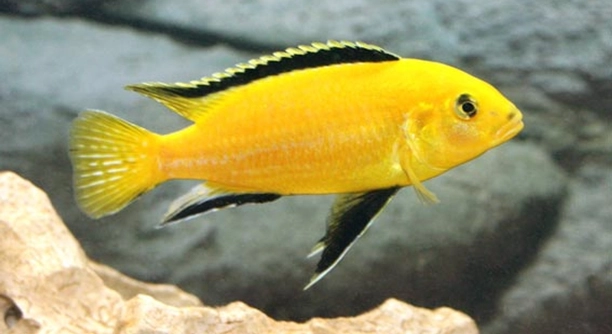
Are your cichlids struggling to adjust after being introduced to a new tank? Poor acclimation can stress them out, affecting their behavior and overall well-being. Many hobbyists overlook the importance of a careful introduction process.
Improper acclimation of cichlids can lead to multiple health and behavioral issues. Stress, weakened immune response, disease susceptibility, aggression, and even death are common consequences. Ensuring gradual adaptation to water conditions and environment is essential for their survival and stability.
Understanding these risks will help you prevent common mistakes and maintain a healthier aquarium environment for your cichlids. Proper acclimation sets the stage for long-term success.
Stress and Shock from Sudden Changes
When cichlids are moved into a new tank without proper acclimation, they can experience severe stress and shock. Sudden changes in water temperature, pH, or hardness overwhelm their systems, leading to erratic swimming, hiding, or loss of appetite. Stress weakens their immune system, making them more prone to infections and disease. Some fish may even become aggressive toward tank mates as a result of heightened stress levels. Observing your cichlids closely during the first hours and days is crucial to notice any unusual behavior. Proper acclimation, such as floating the bag and gradually adding tank water, allows the fish to adjust safely. This process reduces the risk of immediate shock and promotes better long-term adaptation. Taking the time to acclimate fish correctly is a small effort with significant benefits. Healthy fish are more active, display natural behavior, and have a better chance of thriving in their new environment.
Stress in cichlids can be minimized by slow water mixing and monitoring their behavior closely during introduction.
Gradual acclimation techniques are key. Floating the bag for 15–20 minutes stabilizes temperature. Adding small amounts of tank water every 5–10 minutes helps fish adjust to pH and chemical differences. Avoid pouring fish directly from the transport water into the tank. Using drip acclimation with a siphon provides even more control for sensitive species. Observing the fish throughout this period ensures that they are responding well and not showing signs of extreme stress. Once the water in the bag matches the tank, the fish can be gently released. These steps may seem simple, but skipping them can have serious consequences. Consistency, patience, and attention to detail during acclimation lead to healthier, calmer fish that are less likely to fall ill or become aggressive.
Disease Susceptibility
Poor acclimation weakens a cichlid’s immune system, making them vulnerable to infections and parasites. Even minor stress can trigger outbreaks.
When fish are stressed, their bodies produce cortisol, which suppresses immune responses. Pathogens present in the tank can take advantage of this weakened state, leading to fin rot, ich, or bacterial infections. Proper acclimation minimizes stress and reduces these risks. Observing water quality and maintaining consistent conditions further supports immune health. Quarantining new fish before introducing them also helps prevent disease spread and protects existing tank inhabitants.
Monitoring your cichlids for early signs of disease is important. Early treatment is more effective and prevents larger outbreaks. Keeping water stable, feeding a balanced diet, and maintaining tank cleanliness all support immunity. Proper acclimation combined with ongoing care ensures fish remain healthy and vibrant, reducing the chance of serious illness. Establishing these habits from the start makes the aquarium safer for all inhabitants.
Loss of Appetite
Stress from poor acclimation often causes cichlids to stop eating. They may hide for hours or days, refusing food even when it’s offered. Appetite loss can weaken them quickly if not addressed.
Loss of appetite affects overall health and slows recovery from stress. Fish that refuse to eat may become lethargic and lose weight, making them more vulnerable to disease. Gradual feeding and ensuring they feel secure in their new environment can encourage them to eat again. Sometimes offering live or frozen foods helps stimulate interest, especially for stressed or timid fish. Consistency and patience are key during this period to restore normal feeding habits and prevent long-term health problems.
Observing your cichlids’ feeding behavior gives insight into their stress levels. Offering small, frequent meals instead of large portions can encourage reluctant eaters to resume normal eating. Avoid overfeeding, as uneaten food can affect water quality. Providing hiding spots and gentle water flow helps reduce anxiety, making fish more likely to explore and accept food. In some cases, temporarily isolating particularly stressed fish can improve their appetite and overall recovery, ensuring they regain strength and maintain immune function.
Aggression and Territorial Behavior
Poor acclimation can trigger sudden aggression in cichlids. Stress heightens territorial instincts, causing conflicts between tank mates and injuries.
Aggressive behavior often appears shortly after introduction to a new tank. Fish may chase or nip at others, claiming territory that seems unfamiliar or unsafe. Stress from rapid environmental changes amplifies these reactions, especially in species naturally inclined to defend space. Observing and managing tank layout with hiding spots and visual barriers can reduce confrontations. Separating overly aggressive individuals temporarily may be necessary. Gradual acclimation helps fish feel secure, reducing the likelihood of escalated aggression.
Preventing aggression involves both environmental management and monitoring social dynamics. Providing ample space, structured territories, and visual breaks lowers tension. Ensuring all fish are healthy and less stressed reduces triggers for conflict. Maintaining stable water conditions during and after acclimation helps cichlids adjust naturally without heightened defensiveness. If aggression persists, consider re-evaluating tank population or species compatibility to protect all fish. With careful attention, cichlids can establish stable hierarchies and coexist peacefully, avoiding injuries and long-term stress.
Temperature Shock
Sudden changes in water temperature can shock cichlids, causing stress and disorientation. Their metabolism may slow, and they can become more vulnerable to illness.
Even a few degrees difference can trigger stress responses. Gradual temperature adjustment during acclimation helps fish adapt safely and maintain normal activity levels.
Color Fading
Stress from poor acclimation often leads to dull or faded colors in cichlids. Vibrant patterns can temporarily disappear as a sign of discomfort or illness. Proper acclimation and stable water conditions help fish regain their natural coloration.
Respiratory Distress
Rapid introduction to new water conditions can affect gill function, causing heavy breathing or gasping at the surface. Poor oxygen levels or abrupt chemical changes increase the risk of respiratory issues, stressing cichlids and reducing overall health.
Weakened Immunity
Stress from poor acclimation lowers a cichlid’s immune response, making them prone to infections. Consistent care, water quality, and gradual adjustment help maintain health and prevent common illnesses.
FAQ
What is the best method for acclimating cichlids?
The safest method is a gradual acclimation process. Start by floating the sealed bag in the tank for 15–20 minutes to match the temperature. Then, slowly add small amounts of tank water into the bag every 5–10 minutes. After the water volume in the bag is close to that of the tank, gently release the fish. Drip acclimation is another effective option, especially for sensitive species. This method uses a siphon to slowly mix tank water with the transport water, ensuring a controlled adjustment to chemical differences. Patience and careful observation are essential throughout the process.
How long should cichlids be acclimated?
Acclimation should take at least one hour for most species. Sensitive or delicate fish may require two hours or more. Rushing the process increases the risk of stress, disease, and death. It’s better to take extra time than risk introducing fish too quickly.
Why do cichlids refuse to eat after moving?
Loss of appetite is a common response to stress. Sudden environmental changes or poor acclimation can cause cichlids to hide and avoid food. Providing a quiet, stable environment, offering small amounts of high-quality food, and using live or frozen options can help stimulate feeding. Over time, as they adjust, appetite usually returns.
Can poor acclimation cause aggression?
Yes, stress from abrupt changes can trigger territorial behavior. Fish may chase or nip at tank mates when they feel insecure or stressed. Providing hiding spaces, visual barriers, and proper tank structure helps reduce tension. Temporarily isolating aggressive individuals may also prevent injuries while they adjust.
How does acclimation affect fish health?
Proper acclimation reduces stress, which directly impacts immune function. Stress weakens defenses, making cichlids more susceptible to disease. Gradual introduction to temperature, pH, and hardness changes helps maintain strong immunity and prevents outbreaks of infections like ich, fin rot, or bacterial illnesses.
What are signs of poor acclimation?
Look for unusual hiding, erratic swimming, rapid breathing, color fading, or aggression. Loss of appetite and lethargy are also common indicators. Observing behavior during the first few hours and days can help identify whether fish are adjusting properly or need intervention.
Is quarantine necessary for new cichlids?
Yes, quarantining new fish is highly recommended. It allows you to monitor for disease before introducing them to the main tank. Quarantine also reduces the risk of spreading infections and gives you time to acclimate fish carefully. Using a separate tank with controlled water conditions is ideal.
How can I prevent temperature shock?
Temperature shock occurs when water differences are too extreme. Floating the transport bag and gradually adjusting tank water prevents sudden drops or rises. Avoid pouring fish directly into the tank. Using a thermometer to monitor both environments ensures a safe transition.
What role does water chemistry play in acclimation?
Water parameters such as pH, hardness, and chemical composition differ between tanks. Sudden changes can stress cichlids. Gradually mixing tank water into transport water allows fish to adapt slowly to new chemistry, reducing stress and preventing health problems.
Can improper acclimation kill cichlids?
Yes, poor acclimation can be fatal. Shock, stress, disease susceptibility, and respiratory issues are all potential outcomes. Taking the time to acclimate fish properly ensures they survive and thrive, avoiding unnecessary loss and supporting long-term health.
How often should I check new cichlids after introduction?
Monitor closely for the first 24–48 hours. Check for normal swimming, feeding, breathing, and coloration. Early detection of stress or illness allows for quick intervention. Continuous observation helps ensure fish are adapting well and prevents serious problems from developing.
Are some cichlids more sensitive to acclimation than others?
Yes, certain species are more delicate and require slower, more careful acclimation. Tropical cichlids or newly bred specimens often need longer adjustment periods. Researching the specific needs of your species before introduction improves survival and reduces stress.
What can I do if a cichlid is stressed despite acclimation?
Provide hiding spots, maintain stable water conditions, and reduce disturbances. Offering familiar foods and minimizing tank traffic can help fish recover. If stress persists, consider temporarily isolating the individual in a safe environment to allow adjustment without competition or harassment.
How do I know acclimation was successful?
Fish swimming normally, eating regularly, showing vibrant colors, and interacting calmly with tank mates are all positive signs. Proper acclimation results in healthy, active, and well-adjusted cichlids that are less prone to disease or aggression. Observing behavior over several days confirms success.
Proper acclimation is one of the most important steps when introducing cichlids to a new tank. Rushing this process or ignoring the fish’s needs can lead to serious health and behavioral problems. Cichlids are sensitive to sudden changes in temperature, water chemistry, and environment. These changes can cause stress, loss of appetite, aggression, and even death. Taking the time to acclimate them gradually ensures that they adjust safely to their new home. Floating the bag, slowly adding tank water, or using drip acclimation are simple methods that protect fish during the transition. Paying attention to these details helps reduce stress and supports long-term health. It also allows you to observe their behavior and detect any early signs of problems before they become serious.
Acclimation affects more than just immediate survival. Fish that adjust slowly tend to maintain stronger immune systems and vibrant colors. Poor acclimation can lead to weakened immunity, making them more susceptible to disease and parasites. Stress also increases aggression and territorial conflicts, which can injure other fish or damage tank decorations. Observing your cichlids during and after acclimation is key. Signs like hiding, rapid breathing, or faded coloration indicate that adjustments are needed. Providing hiding spaces, gentle water flow, and proper feeding routines can make the transition easier. Taking these steps may seem time-consuming, but it prevents larger problems later. In many cases, a calm and stable environment allows cichlids to recover quickly and thrive in their new tank.
Successful acclimation sets the foundation for a healthy aquarium. Fish that adjust well are more likely to eat normally, interact calmly with other tank mates, and display natural behavior. It also makes caring for them easier, as healthy fish are less prone to disease and stress-related issues. Regular observation, maintaining water quality, and offering appropriate food help cichlids stay strong and active. Acclimation is not just a one-time process; it sets the tone for how your fish respond to future changes and care routines. By giving them time and attention during this critical period, you increase their chances of thriving and create a more balanced, peaceful aquarium environment for all inhabitants. Overall, patience and careful attention during acclimation benefit both the fish and the aquarium as a whole.

Hello,
If you enjoy the content that we create, please consider saying a "Thank You!" by leaving a tip.
Every little bit helps us continue crafting quality advice that supports the health, happiness, and well-being of pets around the world, for pets of all shapes, sizes, and species.
We really appreciate the kindness and support that you show us!