
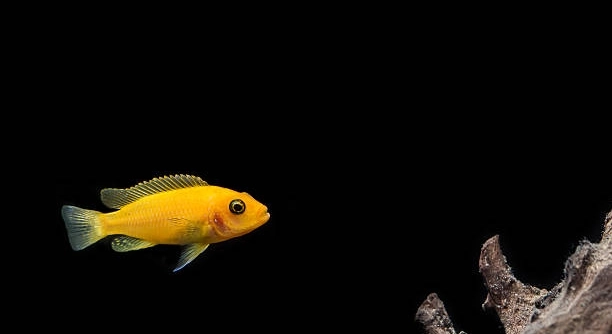
Are your fish tank setups lacking excitement and stimulation for your aquatic pets? Many aquarists focus on water quality but forget that proper enrichment is essential for promoting natural behaviors and overall well-being in fish.
Incorporating tank accessories such as hiding spots, plants, and substrate variations encourages natural exploration, foraging, and social interactions. These enhancements replicate elements of a fish’s natural environment, supporting mental stimulation, physical activity, and healthy behavioral patterns in captivity.
Exploring these accessories will help create a more engaging and fulfilling habitat for your fish, ensuring they thrive and exhibit natural behaviors regularly.
Hiding Spots and Caves
Fish feel safer when they have places to hide. Adding small caves, rock formations, or PVC tubes can reduce stress and create natural territories. These hiding spots allow shy fish to rest while more active fish explore, helping maintain a balanced tank environment. Fish will use these areas to retreat when feeling threatened or during rest periods. Providing variety in shapes and sizes ensures all fish have a comfortable space. Hiding spots also encourage natural behaviors like territorial defense and exploration. In community tanks, they prevent aggression by giving fish options to escape or claim areas. Materials like ceramic, resin, or smooth rocks are safe and durable for long-term use. Avoid sharp edges that may injure delicate fins. Strategically placing these spots near plants or along the substrate creates a layered, engaging environment. Overcrowding can reduce the effectiveness of these shelters, so consider the tank size when adding them. Observing your fish will show which spots they prefer and how they interact with the tank layout.
Hiding spots help fish feel secure and encourage natural exploration, reducing stress and improving overall tank harmony.
Using caves and shelters can lead to more active, confident fish. They provide retreat areas, support territorial behavior, and make the tank feel more dynamic and natural.
Live and Artificial Plants
Plants offer more than decoration. Live or artificial plants provide cover, create territories, and encourage foraging. Fish often interact with plants, swimming through leaves or nibbling on softer foliage. They mimic natural habitats where plants are part of daily survival. Adding a mix of tall, short, and floating plants creates vertical layers for exploration. Some fish prefer dense foliage for hiding, while others like open swimming spaces. Plants also improve water quality; live plants absorb nutrients and help reduce algae growth. Choosing the right plants for your fish species ensures safety and compatibility. Avoid toxic or sharp-leaved plants that may harm delicate fins. Regular maintenance keeps plants healthy and prevents decay. For artificial plants, choose flexible, non-abrasive materials that resemble natural textures. Positioning plants near hiding spots or along the substrate enhances the tank’s complexity. Observing fish behavior will show which areas they favor and how plants influence activity. Over time, plants encourage natural grazing, breeding behaviors, and social interactions among tank mates.
Plants create natural interactions and improve the tank environment, benefiting fish activity, foraging, and territorial behaviors.
Substrate Variations
Different substrates encourage natural digging and foraging behaviors. Sand, gravel, and fine pebbles give fish options to explore while searching for food or building nests. A varied substrate mimics natural habitats and keeps fish active.
Substrate type influences fish behavior significantly. Bottom-dwelling species like catfish or loaches sift through sand or fine gravel, uncovering hidden food particles. Planting rooted plants in soft substrate allows natural interaction, while harder gravel supports fish that prefer to pick at the surface. Mixing textures creates zones for different species, helping maintain harmony in community tanks. Substrate depth also matters; deeper layers encourage burrowing or digging. By observing fish interactions with the substrate, you can adjust arrangements to suit their natural instincts and activity patterns, ensuring they remain engaged and healthy.
Layering substrate with different textures enhances both aesthetics and function. Fish can forage, dig, and build small territories naturally. This promotes activity, reduces stress, and makes the tank feel more dynamic and realistic.
Driftwood and Rocks
Driftwood and rocks offer surfaces for grazing and hiding. They create territories and encourage exploration while enhancing the tank’s natural appearance.
Driftwood slowly releases tannins, which can slightly lower pH and soften water, replicating conditions found in natural habitats. Fish interact with driftwood by grazing on biofilm or using it as a resting spot. Rocks provide stable hiding spots and climbing surfaces for certain species. Arranging these elements thoughtfully prevents overcrowding and allows fish to establish territories without conflict. Combining smooth and textured surfaces offers variety, encouraging more natural movement patterns. Over time, algae and biofilm growth on these surfaces further stimulate grazing behaviors and help maintain a balanced ecosystem. Observing how fish use these structures can guide future placement for optimal enrichment.
Using driftwood and rocks supports natural behaviors such as grazing, hiding, and territorial exploration. These elements make the tank feel more dynamic while providing environmental enrichment.
Floating Logs and Platforms
Floating logs and platforms give fish areas to rest near the surface and explore vertically. They provide shade, reduce stress, and create a naturalistic environment that encourages climbing or hovering behaviors.
These elements also act as social markers for fish. Some species use platforms to establish territories or resting spots. Floating logs add dimension to the tank, making it feel more dynamic. Fish often investigate these structures, swimming under or around them, which stimulates natural curiosity. Using lightweight, non-toxic materials ensures safety while allowing easy repositioning for variety. Regular cleaning prevents buildup of algae or debris, keeping the surfaces inviting. Over time, fish may develop favorite spots, reflecting their interaction with a more enriched habitat.
Feeding Toys and Foraging Devices
Feeding toys encourage active hunting and foraging. They prevent boredom and help fish exercise while searching for food, mimicking natural feeding behaviors.
Foraging devices distribute food gradually, promoting problem-solving and engagement. Fish learn to nibble, pull, or chase pellets, which keeps them active and mentally stimulated. These tools reduce aggression by limiting competition at feeding time. They also prevent overeating, as fish must work for each portion, supporting healthier digestion. Using a variety of devices, such as floating rings or sinking puzzle feeders, adds challenge and interest. Rotating toys prevents habituation, maintaining curiosity and consistent interaction. Observation shows which devices best match species preferences, helping create a dynamic feeding routine.
Bubble Walls
Bubble walls provide gentle currents and visual stimulation. Fish interact with bubbles while swimming, exploring, or resting along the airflow.
FAQ
How do I choose the right accessories for my fish tank?
Start by considering the species you keep. Different fish have different behaviors and habitat needs. Shy or territorial fish benefit from caves, plants, and hiding spots, while active swimmers enjoy open spaces with floating logs or bubble walls. Observe how your fish interact with their environment and choose accessories that encourage natural behaviors. Consider the tank size and avoid overcrowding, as too many items can stress fish. Durable, non-toxic materials are essential for safety, and easy-to-clean items help maintain water quality. Rotate or rearrange accessories occasionally to keep the environment engaging and stimulating.
Can accessories affect fish health?
Yes, they can. Proper accessories reduce stress, provide shelter, and encourage activity, all of which support physical and mental health. Hiding spots prevent aggression, plants improve water quality, and foraging devices encourage natural feeding behaviors. Avoid sharp edges or toxic materials, as these can injure fish or release harmful chemicals. Driftwood and live plants can also alter water chemistry, so monitor parameters like pH and hardness when adding new elements. Observing your fish daily ensures they are interacting safely and thriving. Well-chosen accessories can lead to healthier, more confident, and naturally active fish.
How do I maintain these accessories?
Regular cleaning is key. Remove algae, debris, and waste buildup from caves, logs, and foraging devices. Live plants require trimming and occasional fertilization, while artificial plants and decorations should be rinsed or scrubbed with safe tools. Substrate may need vacuuming to prevent detritus accumulation. Check for wear and tear, especially on lightweight or movable items, to avoid injuries. Bubble walls and filters should be inspected for clogs to maintain proper water flow. Maintaining accessories keeps the tank clean and safe while ensuring fish continue to interact with them naturally and remain engaged in their environment.
Will adding more accessories overcrowd my tank?
Yes, overcrowding can occur if you add too many items. Each accessory should provide a purpose, such as hiding, foraging, or vertical exploration, without restricting swimming space. Fish need open areas to move freely and establish territories. A balanced setup encourages natural behaviors without causing stress or aggression. Measure tank dimensions and consider species size before adding new elements. Prioritize functional enrichment over decorative clutter. Rearranging accessories periodically can create variety while maintaining sufficient open space. Observing fish behavior will indicate whether the tank feels cramped or if all inhabitants are comfortable.
Are artificial plants as effective as live plants?
Artificial plants can mimic the function of live plants by providing shelter, hiding spots, and visual complexity. While they don’t improve water quality or absorb nutrients, they are low maintenance and safe if made from smooth, non-toxic materials. Some fish interact equally with artificial and live plants, using them for resting, hiding, or grazing on biofilm. A mix of both types often works best, combining the benefits of live plant growth with the durability of artificial elements. Proper placement and variety help maintain natural behaviors, regardless of the plant type.
How can I encourage shy fish to explore accessories?
Place hiding spots near the tank edges and gradually open swimming areas toward the center. Shy fish often start by exploring close to shelters before venturing into open spaces. Adding gentle water flow or current with bubble walls or filters can stimulate curiosity. Use live or floating plants to create safe zones that encourage movement. Feeding near these areas also motivates exploration, as fish associate the accessory with food. Avoid sudden changes or overcrowding, as this can increase stress. Over time, shy fish learn to interact with their environment and use accessories naturally for comfort and activity.
Do all fish need the same types of accessories?
No, accessory needs vary widely by species. Bottom dwellers benefit from soft substrate, caves, and foraging devices. Mid-level swimmers enjoy plants and driftwood for grazing and exploring, while surface dwellers like floating logs or platforms for resting and interaction. Territorial species require multiple hiding spots to prevent conflicts. Active schooling fish need open swimming areas alongside enrichment items to keep them engaged. Observing natural behaviors helps determine the right combination of accessories for each species. Tailoring the tank environment to the specific needs of your fish ensures a healthier, more active, and balanced aquatic community.
How often should I change or rearrange accessories?
Periodic rearrangement keeps the environment stimulating and encourages exploration. Change layouts every few weeks or when you notice fish losing interest. Rotate foraging devices or adjust plant placement to create new territories and challenges. Avoid drastic changes, as sudden disruptions can stress fish. Incremental adjustments allow them to adapt while maintaining a sense of security. Observing behavior after changes ensures the new setup supports natural activity, reduces aggression, and enhances interaction. Consistent but subtle updates make the tank more engaging without overwhelming the fish, promoting long-term enrichment and well-being.
Can accessories help reduce aggression among fish?
Yes, strategically placed accessories reduce aggression. Hiding spots, plants, and driftwood create territories and escape routes, allowing subordinate fish to avoid dominant individuals. Vertical and horizontal variations in layout prevent overcrowding and conflict by giving fish personal space. Foraging devices distribute food evenly, reducing competition and stress. Observing interactions helps determine whether the arrangement supports peaceful coexistence. Accessories also encourage natural behaviors that keep fish occupied, reducing the likelihood of aggression due to boredom or limited space. A well-planned environment supports social hierarchy while promoting mental and physical stimulation for all tank inhabitants.
Are there accessories suitable for all tank sizes?
Most accessory types can be adapted to fit different tank sizes. Small tanks benefit from compact caves, short plants, and lightweight driftwood, while larger tanks allow for taller plants, multiple hiding spots, and more complex substrate layers. Scale, density, and placement should match tank dimensions to avoid overcrowding. Even simple items like bubble walls or floating platforms enhance activity in smaller tanks. Observing fish behavior ensures accessories are effective regardless of size. Proper selection and placement make any tank feel enriched, dynamic, and supportive of natural behaviors, whether it is a nano tank or a large community setup.
Total word count: 507
Final Thoughts
Creating a tank that encourages natural behaviors takes careful planning and observation. Fish are more than decorative pets, and their well-being depends on an environment that allows them to explore, hide, forage, and rest. Accessories like caves, driftwood, plants, and bubble walls provide more than just visual appeal. They serve practical purposes by reducing stress, promoting activity, and supporting social interactions among tank inhabitants. Each element added to the tank should have a role, whether it is for shelter, grazing, or vertical exploration. Watching how fish respond to these items helps you understand their preferences and adjust the setup to better meet their needs. Over time, a well-planned tank becomes a dynamic, interactive habitat rather than a static display, allowing fish to express their natural instincts freely.
Maintenance is also a key part of ensuring accessories continue to serve their purpose. Regular cleaning of caves, foraging devices, and driftwood prevents buildup of algae and detritus, keeping the tank safe and healthy. Substrates should be vacuumed and plants pruned or repositioned to maintain structure and accessibility. Even artificial elements require periodic inspection for wear and safety. By maintaining the tank properly, you ensure that the fish continue to benefit from the enrichment provided by each accessory. Observing fish daily allows for adjustments in layout, feeding routines, or accessory types to keep the environment engaging. Small changes over time can improve both the physical and mental well-being of fish, allowing them to thrive naturally in a captive setting.
The long-term impact of well-chosen tank accessories goes beyond temporary activity. Fish that are mentally and physically stimulated are less likely to exhibit stress-related behaviors or illness. Naturalistic environments can encourage breeding behaviors, reduce aggression, and promote social cohesion in community tanks. Accessories that mimic natural habitats help fish feel secure, confident, and active, creating a more balanced ecosystem. By focusing on both functionality and safety, aquarists can craft a tank that supports the full range of natural behaviors for their fish. Over time, the tank becomes a lively and engaging space, where each fish can interact with its environment meaningfully. Thoughtful planning, regular maintenance, and observation ensure that the tank remains a place where fish can thrive, demonstrating natural behaviors that are rewarding to watch and satisfying to support.
Word count: 416

Hello,
If you enjoy the content that we create, please consider saying a "Thank You!" by leaving a tip.
Every little bit helps us continue crafting quality advice that supports the health, happiness, and well-being of pets around the world, for pets of all shapes, sizes, and species.
We really appreciate the kindness and support that you show us!